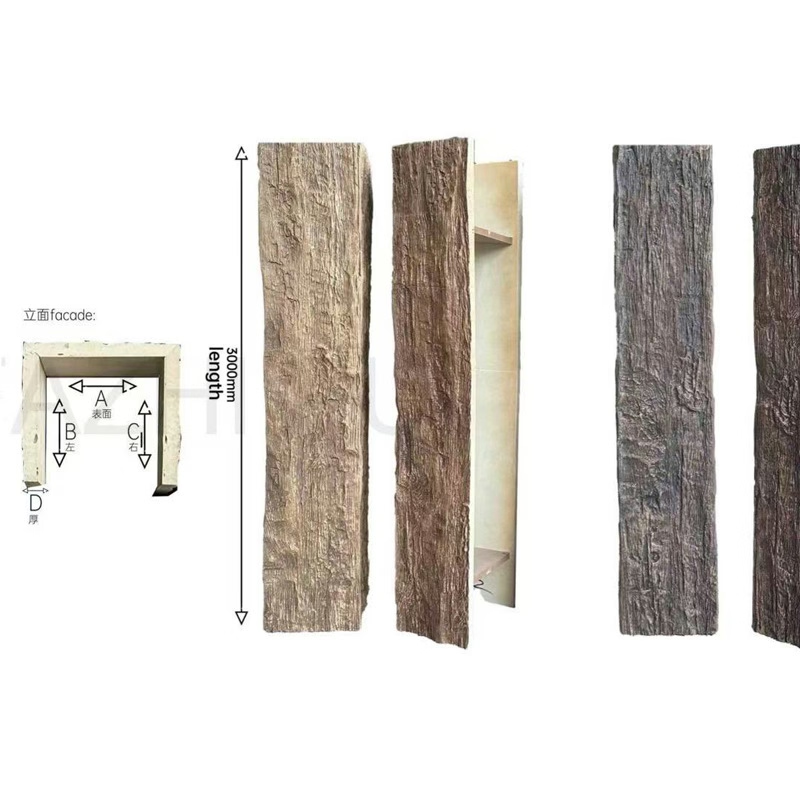
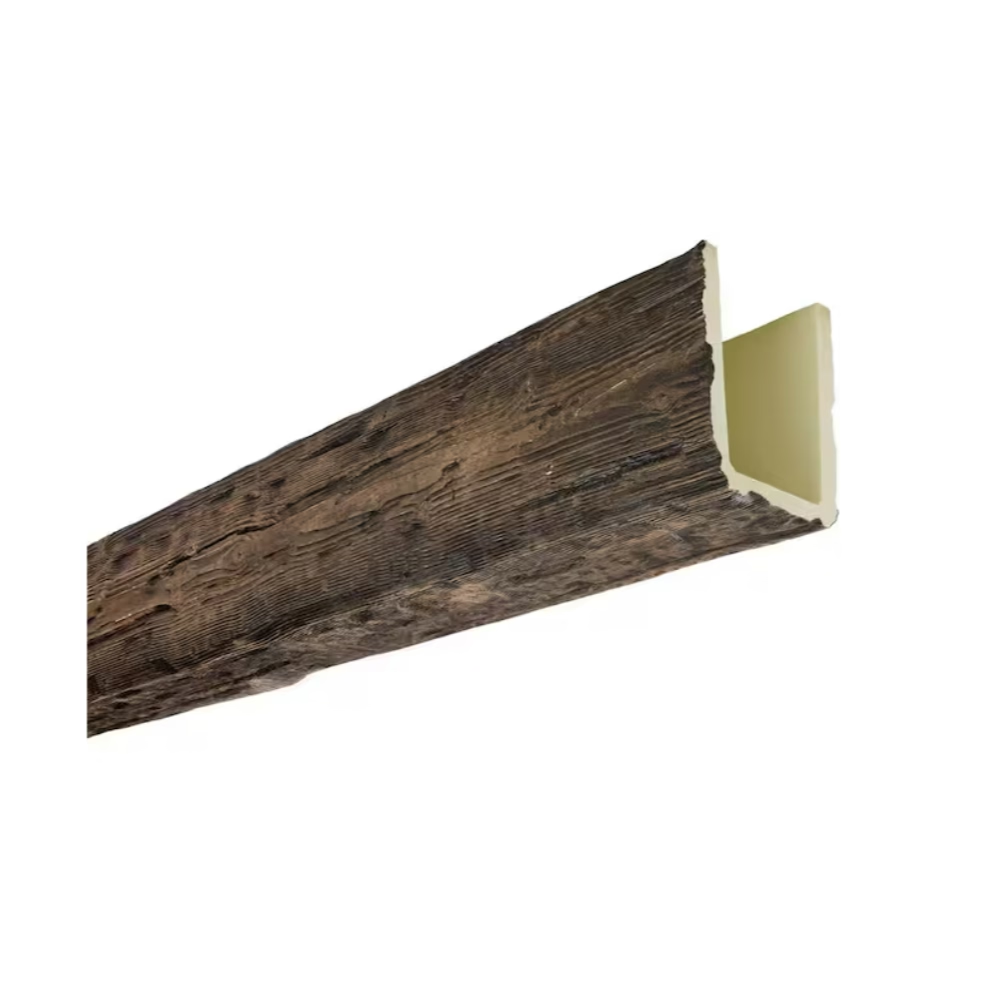
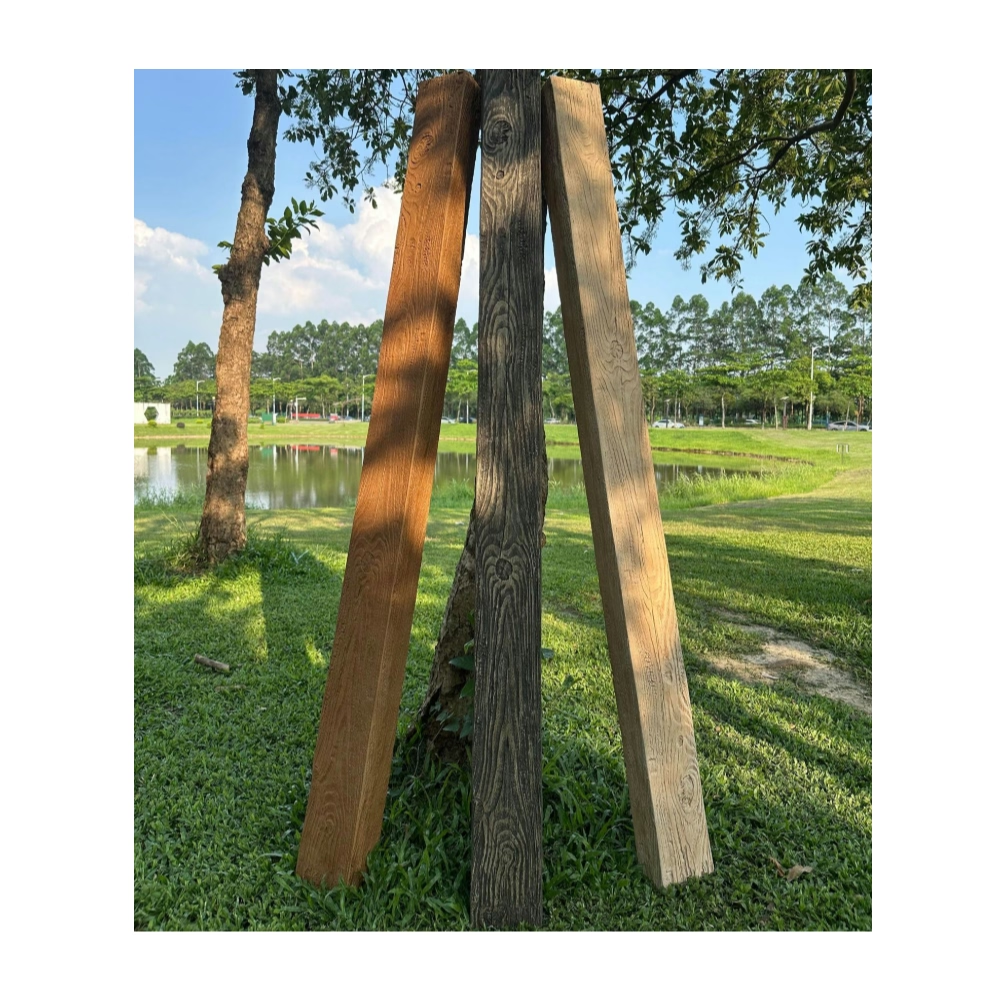
Traditional interior design celebrates the enduring appeal of time-tested aesthetics, where rich wood tones, classic silhouettes, and heirloom-quality craftsmanship define the visual language. Within this design context, warm amber tone PU faux timber beams serve as architectural anchors that ground contemporary interpretations of classic style. These remarkable elements bridge historical authenticity with modern practicality, enabling homeowners to achieve traditional warmth without compromising on installation flexibility or maintenance considerations.
The amber color family encompasses a range of golden-brown hues that evoke autumn forests, aged whiskey barrels, and centuries-old farmhouse timber. These colors have adorned traditional interiors across cultures and centuries, establishing an visual vocabulary of comfort and permanence that remains relevant today. When applied to ceiling beams, amber tones create warmth that radiates downward, affecting the perceived temperature and atmosphere of the entire room. This chromatic warmth proves particularly valuable in north-facing rooms or spaces with limited natural light, where cooler tones might otherwise prevail.
Modern polyurethane technology allows manufacturers to capture the subtle color variations that make natural timber so visually interesting. Authentic wood develops unique coloring patterns based on growth conditions, aging processes, and exposure to light and air. Quality faux beams replicate these organic variations through specialized finishing techniques, ensuring that each beam in an installation appears naturally distinct rather than uniformly manufactured. The resulting visual complexity creates the impression of architectural salvage or inherited beams that have accumulated character over generations.
Designing Traditional Spaces Around Amber Beam Features
Successful traditional interiors treat amber beams as integral design elements rather than afterthought additions. This integration begins with color planning that ensures beams harmonize with existing woodwork throughout the space. Trim, door frames, wainscoting, and furniture should share compatible undertones, creating visual continuity that makes the room feel intentionally designed. When beams introduce a new wood tone, gradual transitions between adjacent rooms prevent jarring color shifts that might suggest poor planning.
Scale relationships between beams and room dimensions require careful consideration in traditional settings. Historical architecture featured beams sized according to structural requirements and aesthetic principles developed over centuries of refinement. Today's faux beams offer similar proportional flexibility, allowing installations that honor classical design ratios while accommodating modern ceiling heights and room sizes. A general guideline suggests beam width should relate to beam spacing in ways that echo established architectural precedents, with thicker beams spaced further apart for a more formal appearance or clustered more closely for rustic intimacy.
Lighting design significantly impacts how amber beam tones translate into the living experience. Incandescent and halogen bulbs enhance warm tones, making amber beams appear richer and more saturated. LED alternatives should be selected with color temperature in mind, prioritizing warm white options in the 2700K to 3000K range to maintain the intended atmosphere. Cooler bulb temperatures can make amber tones appear muddy or orange rather than golden, undermining the sophisticated warmth the installation was meant to provide.

Complementary Materials and Furnishings for Traditional Harmony
Traditional interiors achieve coherence through thoughtful material layering, with each element supporting the overall aesthetic. Natural stone or ceramic tile fireplaces provide textural contrast to smooth beam surfaces while sharing amber's warm color family. Upholstered furniture in jewel tones like deep burgundy, forest green, or navy blue pops against wood backgrounds without competing for attention. These saturated colors feel luxurious and grounded when anchored by amber beam tones overhead.
Window treatments offer additional opportunities to reinforce traditional warmth. Heavy draperies in rich fabrics like velvet or brocade add formality, while lighter linen panels create relaxed elegance appropriate for casual family spaces. Valances and decorative headers introduce architectural interest that complements the beam treatment, creating layered windows that feel substantial rather than bare. Hardware choices in brass, bronze, or antique-finished metals connect window treatments to the warm metal accents often found in traditional lighting fixtures and furniture hardware.
Flooring choices significantly influence how amber beam tones are perceived throughout the room. Hardwood floors in complementary browns create continuity between ceiling and floor, making spaces feel grounded and expansive. Rugs serve to define seating areas and add softness underfoot, with traditional patterns like Persian, Oriental, or country-style designs complementing the classic beam aesthetic. The layered approach of beams overhead, hardwood beneath, and area rugs defining zones creates the richly detailed spaces that define traditional interior design at its finest.
The durability of polyurethane beams ensures that traditional spaces maintain their intended character for decades without the refinishing cycles that authentic timber requires. Families can enjoy the warmth and beauty of amber beam ceilings without worrying about moisture damage, insect infestation, or gradual color fading. This practical advantage makes quality faux beams an increasingly popular choice among homeowners who appreciate traditional aesthetics but prefer modern material performance.
Technical References
ASTM standards cited in every specification
Test Data
Lab results from internal testing program
Updated 2026
Reviewed against current product specs