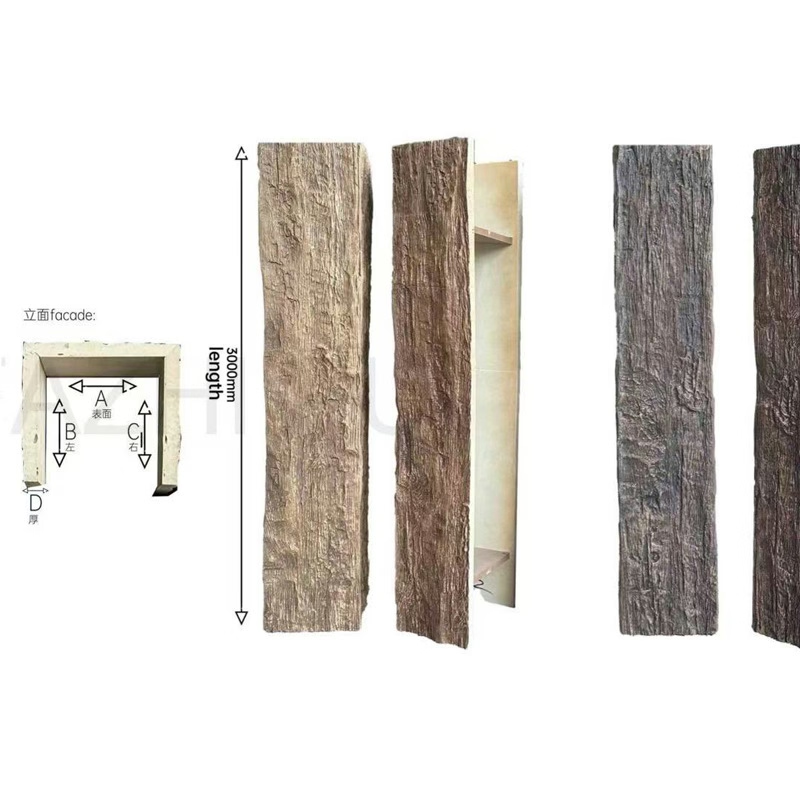
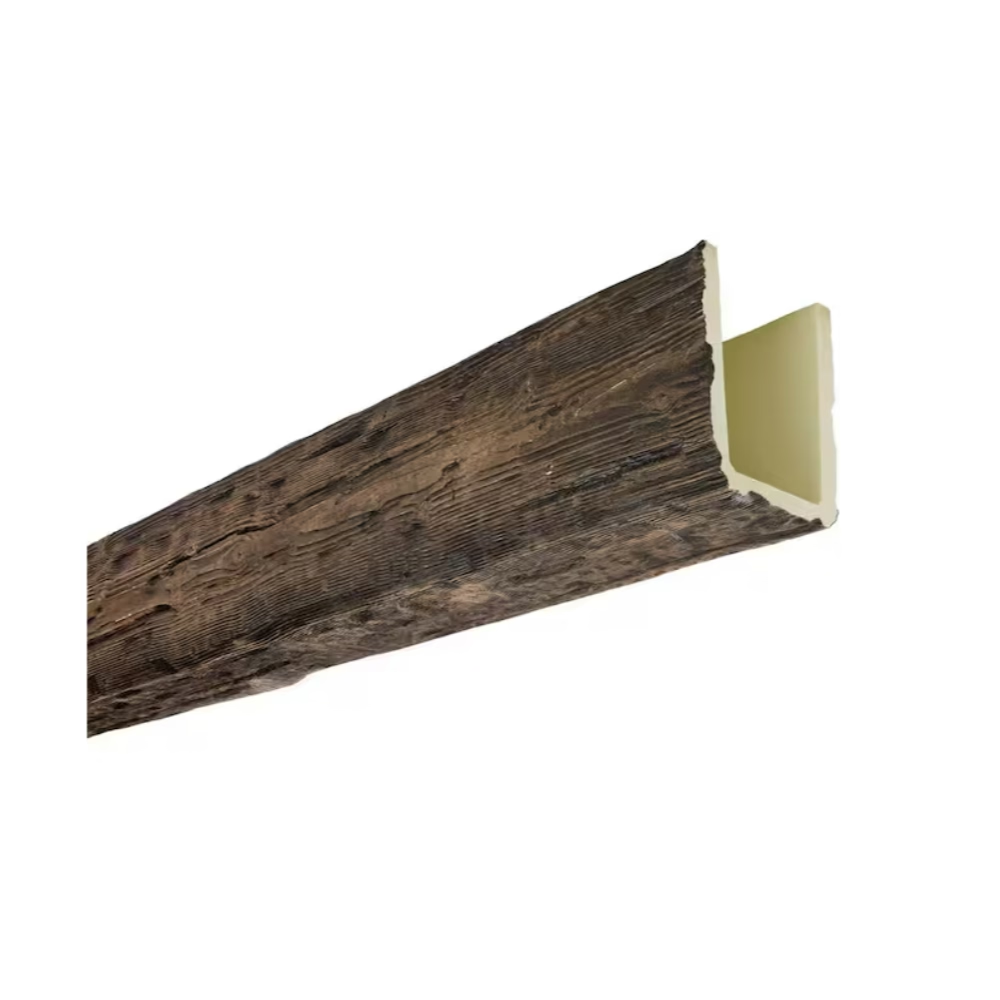
Farmhouse interiors speak to something primal in the human experience, drawing inspiration from agricultural heritage, honest materials, and the comfortable clutter of lived-in homes. At the core of authentic farmhouse design lies weathered wood in its many forms, from exposed rafters to wall paneling to substantial ceiling beams. Warm brown barnwood style PU faux beams enable homeowners to embrace this rustic aesthetic fully, delivering the character of aged, salvaged timber without the complications that accompany working with genuine reclaimed materials. The result is farmhouse spaces that feel genuinely rooted in tradition while accommodating modern lifestyles and construction standards.
The appeal of barnwood in farmhouse design extends beyond simple aesthetics. Authentic reclaimed timber carries stories within its grain patterns, nail holes, and weathering marks. Each board represents years or decades of service protecting farm equipment, sheltering livestock, or storing grain. When this wood enters home interiors, it brings that accumulated history into daily living spaces. Quality faux beams capture these visual narratives through careful texturing and finishing, ensuring that the finished installation feels earned rather than artificially imposed.
Modern polyurethane manufacturing allows unprecedented control over the weathering effects that define barnwood character. Surface treatments can replicate the silver-gray patina of exposure, the darker tones of water staining, or the varied coloring of boards weathered at different angles. Some beams feature authentic-looking nail holes, saw blade marks, and insect damage that add visual interest without compromising structural integrity. The material accepts these treatments uniformly across large installations, whereas natural reclaimed wood often requires extensive sorting and selection to achieve consistent appearance.
Integrating Barnwood Beams with Farmhouse Design Principles
Successful farmhouse interiors balance rustic elements with the functionality that modern families require. Beams provide visual anchor points that establish country character while allowing considerable flexibility in furniture selection and room arrangement. The key lies in maintaining appropriate proportions where beams feel substantial enough to contribute meaningfully without overwhelming the casual, unpretentious quality that defines farmhouse aesthetics. Smaller rooms might feature thinner beams installed in simple parallel arrangements, while larger spaces accommodate more dramatic cross-beam or timber frame patterns.
Color harmony between beams and surrounding materials determines whether an installation feels cohesive or chaotic. Warm brown barnwood tones pair naturally with white shiplap walls, galvanized metal accents, and natural linen textiles. The combination of light and dark elements creates the high-contrast palette that farmhouse interiors favor. When beams introduce darker tones, surrounding surfaces should lean lighter to maintain the balanced, airy feeling that prevents farmhouse spaces from feeling heavy or cave-like.
Flooring selection significantly impacts how barnwood beams translate throughout the room. Wide-plank hardwood floors in light to medium tones create visual continuity between ceiling and floor while providing the neutral foundation that farmhouse decor requires. Porch-grade brick or stone flooring in entries and transition spaces extends the rustic material palette without creating maintenance challenges. Area rugs in natural fibers soften hard surface floors while adding layers of pattern and color that enhance the collected-over-time aesthetic.
Authentic Farmhouse Details Beyond Beams
Beams establish the architectural framework for farmhouse interiors, but the surrounding details bring the aesthetic to completion. Open shelving constructed from reclaimed-style boards displays everyday dishware and mason jar collections with appropriate casualness. Farmhouse sinks in apron-front styles anchor kitchens visually while providing the deep basins that simplify food prep and cleanup. Sliding barn doors on visible hardware transform utilitarian passages into design features that guests notice and remember.
Textile choices reinforce farmhouse comfort throughout living spaces. Linen curtains in natural undyed tones filter light gently while maintaining the unfussy aesthetic that farmhouse design requires. Bedding ensembles in cotton, wool, or linen feature simple patterns or solid colors that avoid visual competition with beam treatments. Throw blankets in chunky knit or quilted patterns add tactile warmth that encourages relaxation. These soft elements balance the harder architectural lines of beams and millwork.
Living spaces benefit from accessories that reference agricultural heritage without feeling forced or kitschy. Vintage scales, old buckets, and antique farm tools serve as sculptural elements when displayed thoughtfully. Potted herbs bring living greenery into kitchens and dining areas while serving practical cooking purposes. Artwork featuring pastoral scenes, botanical illustrations, or vintage seed packet graphics complements beam treatments without overwhelming them. The goal is creating spaces that feel accumulated naturally rather than decorated according to a rigid style guide.
The practical advantages of polyurethane over authentic barnwood become particularly apparent in residential contexts. Homeowners avoid the potential pest contamination, moisture damage, and structural inconsistencies that sometimes accompany reclaimed materials. Quality faux beams arrive ready for immediate installation, eliminating the cleaning, preparation, and fitting work that reclaimed timber often requires. For families seeking farmhouse aesthetics without the complications, warm brown barnwood style PU faux beams offer a straightforward path to rustic authenticity.
Technical References
ASTM standards cited in every specification
Test Data
Lab results from internal testing program
Updated 2026
Reviewed against current product specs