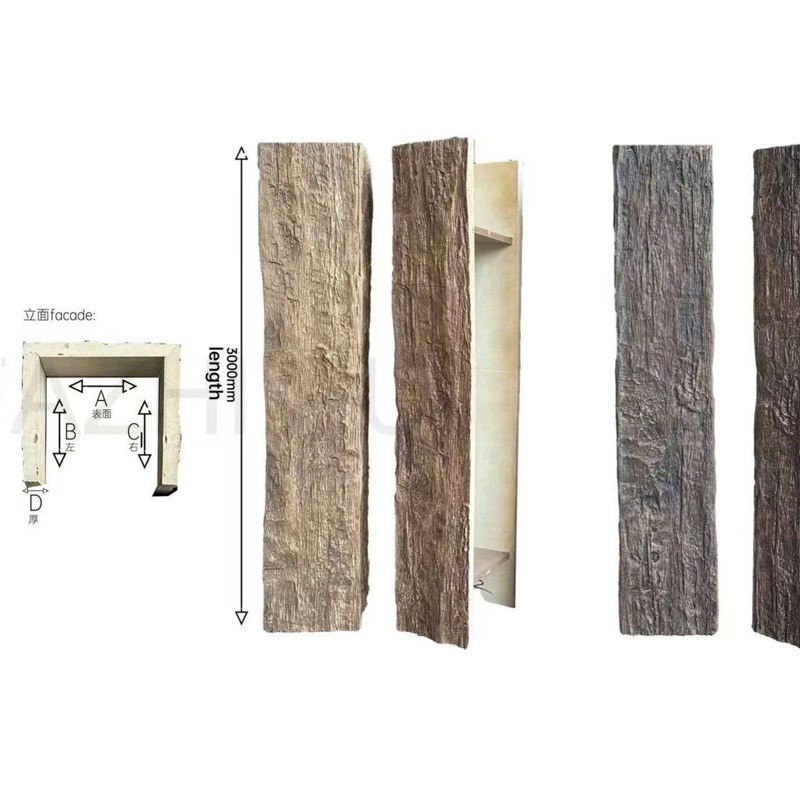
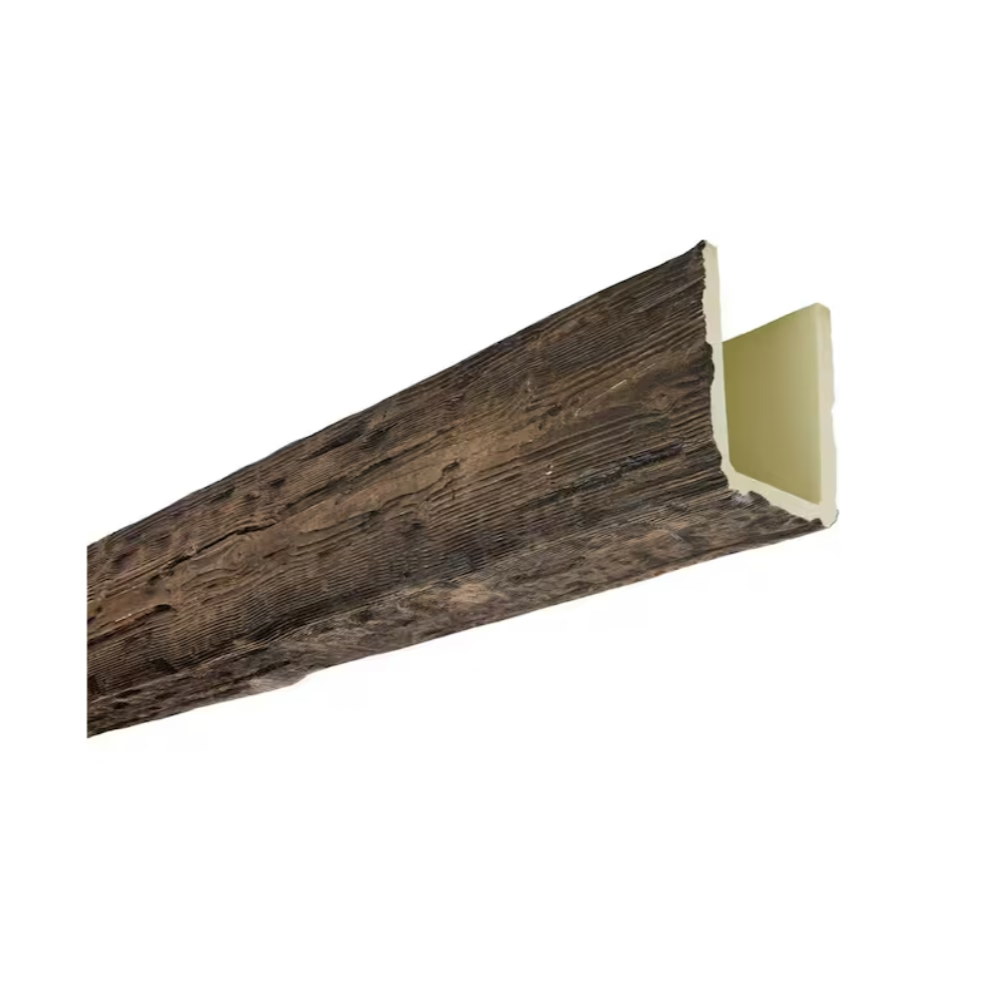
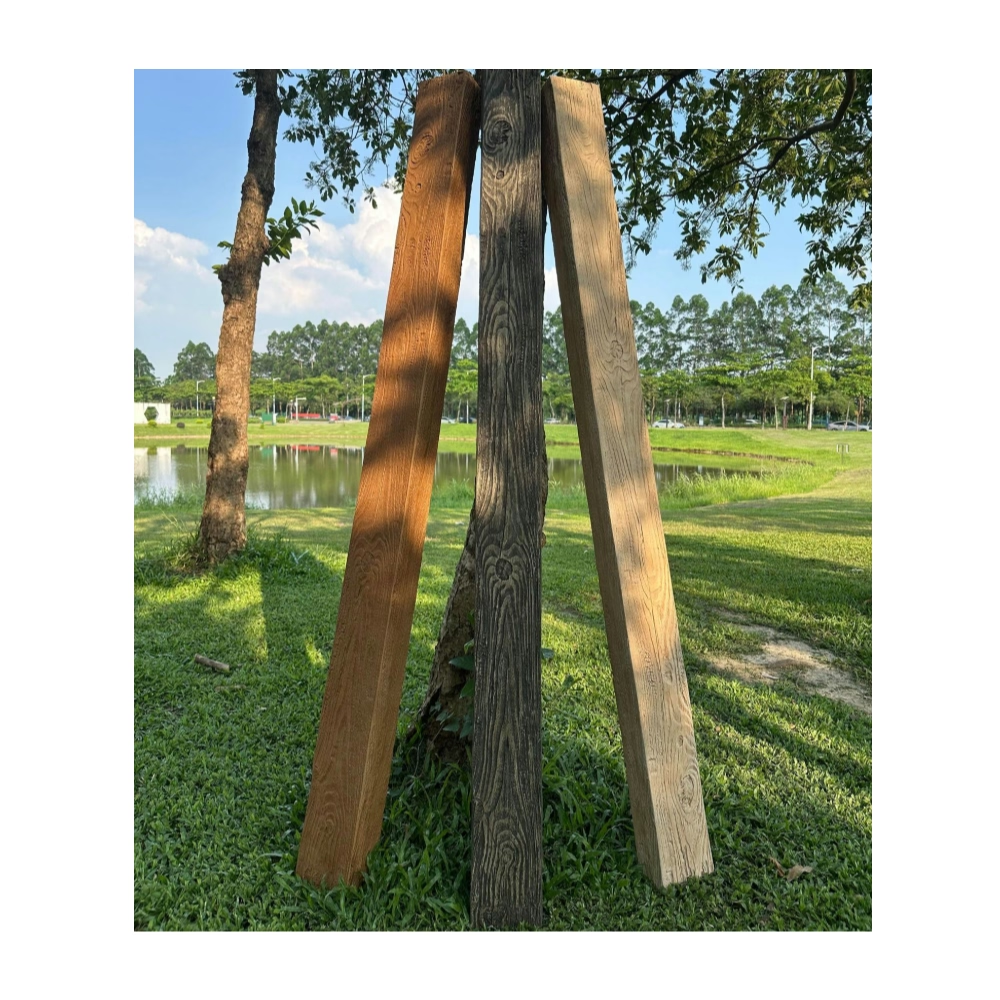
Traditional decor celebrates the accumulated wisdom of interior design traditions, where classic proportions, rich materials, and time-honored arrangements create spaces that feel both refined and comfortable. This aesthetic approach demands attention to detail and material quality, with each element either contributing to or undermining the intended atmosphere. Warm cherry wood look PU faux beams serve traditional interiors exceptionally well, providing the architectural weight and material richness that classic design requires while accommodating the practical constraints that limit many homeowners' design ambitions.
The relationship between traditional design and wood tones runs deep in Western architectural history. From medieval great halls through Victorian parlors to mid-century traditional revivals, wood has served as the primary material for structural and decorative ceiling elements. This historical precedent gives wooden beams an inherent appropriateness in traditional interiors that synthetic or contemporary materials cannot replicate. When beams feature warm cherry coloring, they connect to this heritage while bringing fresh sophistication appropriate to modern interpretations of classic style.
Cherry wood's distinctive appearance makes it particularly well-suited to traditional applications where refined elegance takes priority over rustic charm. The species' characteristic reddish-brown coloring develops deeper tones as it ages, creating visual complexity that younger woods lack. This maturation quality means that cherry installations appear more interesting and valuable over time rather than declining or dating. Reproducing this effect in polyurethane ensures that faux beams deliver the same long-term aesthetic appreciation that makes authentic cherry so prized.
Integrating Beams into Formal Traditional Spaces
Formal traditional spaces demand careful attention to proportion and placement that distinguishes refined interiors from merely decorated ones. Beams in these contexts should feel substantial enough to contribute meaningfully to the room's architectural character without overwhelming the carefully balanced elements throughout. Formal arrangements often feature symmetrical beam placement that mirrors other design elements, creating the ordered, intentional feeling that distinguishes formal from casual traditional spaces.
Moldings and trim work should coordinate with beam treatment to create unified architectural statements. Traditional interiors typically feature door casings, window trim, and ceiling moldings in complementary wood tones or painted finishes that honor the room's color palette. When beams introduce cherry tones, surrounding millwork should either match closely or provide appropriate contrast through related warm neutrals. This coordination prevents the fragmented feeling that occurs when architectural elements seem randomly selected rather than deliberately composed.
Furniture placement in formal traditional spaces responds to beam arrangements and other architectural features. Conversation areas typically orient toward focal points like fireplaces or prominent windows, with beams overhead creating canopy-like enclosure that defines the gathering space. Symmetrical arrangements with matched seating pieces reinforce the formal aesthetic, while carefully proportioned clearances between furniture groups maintain the breathing room that elegant interiors require.
Traditional Fabric and Textile Coordination
Traditional interiors achieve their characteristic richness through layered textiles in complementary colors and patterns. Upholstered furniture in jewel tones like burgundy, navy, or forest green provides visual anchors that complement warm cherry beam overhead. Patterned fabrics in traditional designs like damask, paisley, or floral prints add complexity that rewards close inspection. The key lies in balancing pattern with solid colors, preventing visual competition that undermines the composed feeling traditional design prioritizes.
Window treatments in traditional spaces often feature multiple layers that combine function with decorative richness. Silk or linen draperies in tailored styles frame windows while adding soft texture to walls. Undercurtains in sheer fabrics filter light gently while maintaining privacy. Valances, cornices, or swags introduce additional architectural interest at the ceiling line where beams establish their presence. Hardware in warm metals like brass or bronze connects window treatments to lighting fixtures and furniture hardware throughout the space.
Bedding and软goods in traditional bedrooms continue the layered textile approach that defines the aesthetic. quilts, coverlets, and decorative pillows in coordinated patterns and colors create beds that invite relaxation while demonstrating careful design attention. Canopy beds or four-poster styles in cherry or complementary finishes reinforce the traditional sensibility, with fabric draping adding softness to substantial wood frames. Area rugs in traditional patterns ground furniture groupings while adding underfoot comfort that hard-surface floors might lack.
The durability of polyurethane ensures that traditional elegance remains intact despite the demands of daily living. Families with children and pets can enjoy classically appointed spaces without anxiety about moisture damage, scratches, or staining that might plague authentic timber. This practical resilience makes quality faux beams particularly appropriate for traditional homes where elegance meets family functionality.
Technical References
ASTM standards cited in every specification
Test Data
Lab results from internal testing program
Updated 2026
Reviewed against current product specs