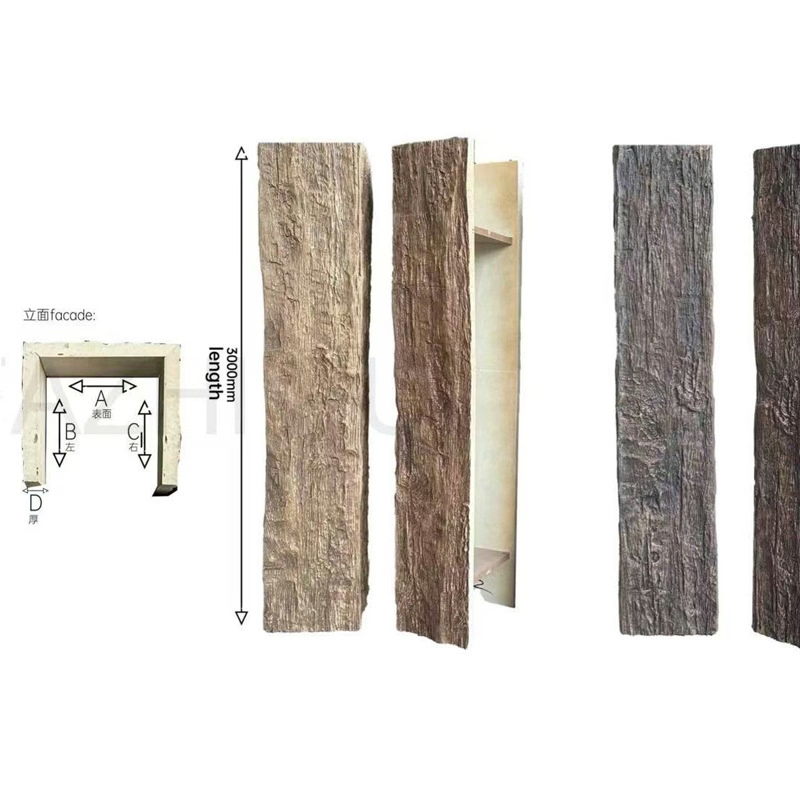
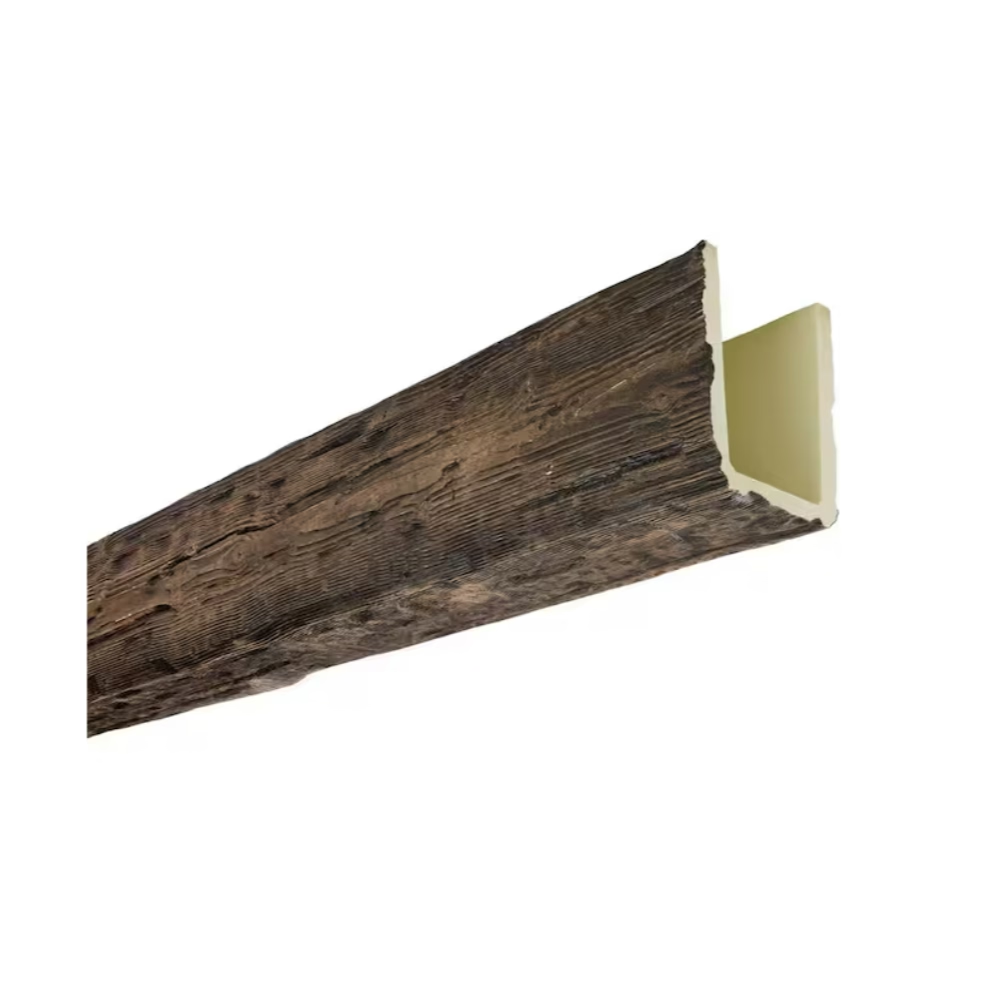
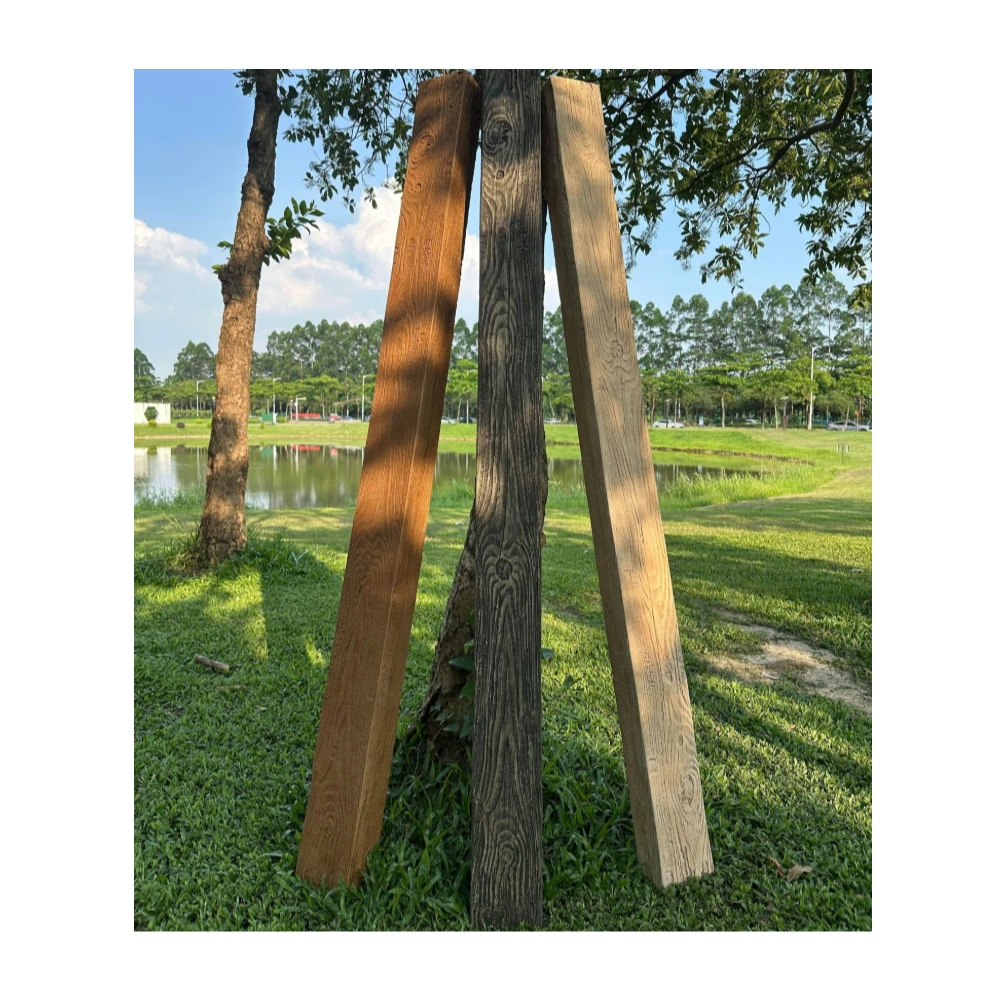
Traditional decor derives its enduring appeal from accumulated design wisdom that has proven effective across generations and cultural contexts. At its core, this aesthetic approach prioritizes comfort, quality, and timelessness over trend-driven novelty. Warm chestnut grain PU faux wood beams align perfectly with these values, providing the visual richness and architectural substance that traditional interiors require while accommodating the practical realities of modern construction and maintenance. The result enables homeowners to achieve classic atmospheres without the compromises that often accompany period-appropriate design choices.
Chestnut wood carries associations with hearthside warmth that make it particularly appropriate for traditional interiors. The species has historically been valued for its durability and workability, serving as both structural material and decorative element in buildings across centuries. Its characteristic grain patterns create surfaces that appear both refined and approachable, avoiding both the preciousness of highly figured woods and the severity of knot-free alternatives. When reproduced in polyurethane, these appealing qualities transfer convincingly, enabling faux beams to deliver authentic chestnut character.
The warm reddish-brown tones characteristic of chestnut wood create immediate coziness in any room where beams appear. This chromatic warmth influences how occupants perceive the space's temperature, with many reporting that beam-equipped rooms feel several degrees warmer than bare-walled alternatives at identical thermostat settings. This perceptual effect translates into real energy savings as families reduce heating demands while maintaining comfort levels. The aesthetic investment delivers practical returns that compound throughout the beam installation's lifespan.
Establishing Traditional Character Through Beam Integration
Traditional interiors achieve their characteristic richness through layered complexity where many elements contribute to overall effect. Beams in these contexts should integrate smoothly with other architectural features including moldings, wainscoting, fireplace surrounds, and built-in millwork. Color coordination between these elements ensures visual unity, while subtle variations in tone and texture prevent monotony that uniform treatments might create.
Mantels and fireplace surrounds in traditional spaces benefit particularly from coordination with beam treatments overhead. When both elements share warm chestnut coloring, the visual relationship creates architectural continuity that grounds the room's design. Stone or tile surrounds in complementary earth tones provide textural contrast while maintaining chromatic harmony. The fireplace becomes a focal point that beams frame and enhance, establishing the gathering place that traditional living rooms traditionally provide.
Built-in shelving and cabinetry offer additional opportunities to extend chestnut warmth throughout traditional interiors. These practical features gain visual interest through wood tone coordination with ceiling beams, creating unified architectural statements that feel intentional rather than accumulated piecemeal. Glass-front cabinets display collections beautifully against warm backgrounds, while open shelving provides display space that reinforces the collected-over-time aesthetic traditional design favors.
Furnishing Traditional Spaces with Chestnut Beam Atmospheres
Furniture selection in beam-equipped traditional spaces should honor the established warmth while providing appropriate functional comfort. Pieces in cherry, mahogany, or complementary warm woods create strong relationships with overhead beams, unifying the vertical plane from floor to ceiling. Upholstered furniture in warm fabrics provides comfort that complements the architectural richness, with leather, velvet, and woven textiles offering various textures that enhance the overall tactile experience.
Area rugs in traditional patterns serve multiple functions in chestnut-beam spaces. They define seating and activity zones within larger rooms, add softness underfoot that hard surfaces might lack, and introduce pattern complexity that prevents visual monotony. Persian, Oriental, and country-style patterns in warm color palettes complement beam treatments while providing the layered detail that traditional interiors require. Size selection should allow furniture to rest partially on rugs, creating the intentional, composed appearance that distinguishes formal arrangements.
Lighting fixtures contribute to traditional atmosphere while providing necessary illumination. Fixtures in brass, bronze, or antiqued metal finishes echo the warm tones established by beams and provide appropriate period context. Chandeliers, wall sconces, and table lamps should share design vocabulary, creating unified lighting schemes that enhance rather than compete with architectural features. Dimmer controls allow adjustment from bright functional illumination to intimate evening ambiance appropriate for various activities.
Window Treatments and Soft Furnishings
Window treatments in traditional spaces should provide practical light control while contributing to overall design richness. Layered approaches featuring sheer undercurtains and heavier draperies offer flexibility that single treatments cannot provide. Fabric selection in silk, velvet, or quality cotton blends adds tactile sophistication that synthetic alternatives lack. Tailored silhouettes with headers, valances, or soft swags introduce variety appropriate to the traditional aesthetic.
Bedding and软goods in traditional bedrooms continue the layering approach that defines the style. Quality linens in neutral tones provide comfortable foundations, while decorative layers in coordinating patterns add visual interest and seasonal flexibility. Quilted coverlets, embroidered shams, and arranged pillows create beds that invite relaxation while demonstrating主人的 attention to detail. The overall effect should feel collected and personal rather than generically decorated.
The practical advantages of polyurethane ensure that traditional atmospheres remain intact despite the demands of daily family life. Moisture resistance proves particularly valuable in kitchens and bathrooms where traditional aesthetics might otherwise be impractical. The material's durability against impacts and scratches accommodates households with children and pets without requiring protective measures that might compromise designed appearances. For families seeking traditional elegance without impractical fragility, warm chestnut grain PU faux wood beams offer ideal solutions that honor the aesthetic traditions they reference.
Technical References
ASTM standards cited in every specification
Test Data
Lab results from internal testing program
Updated 2026
Reviewed against current product specs