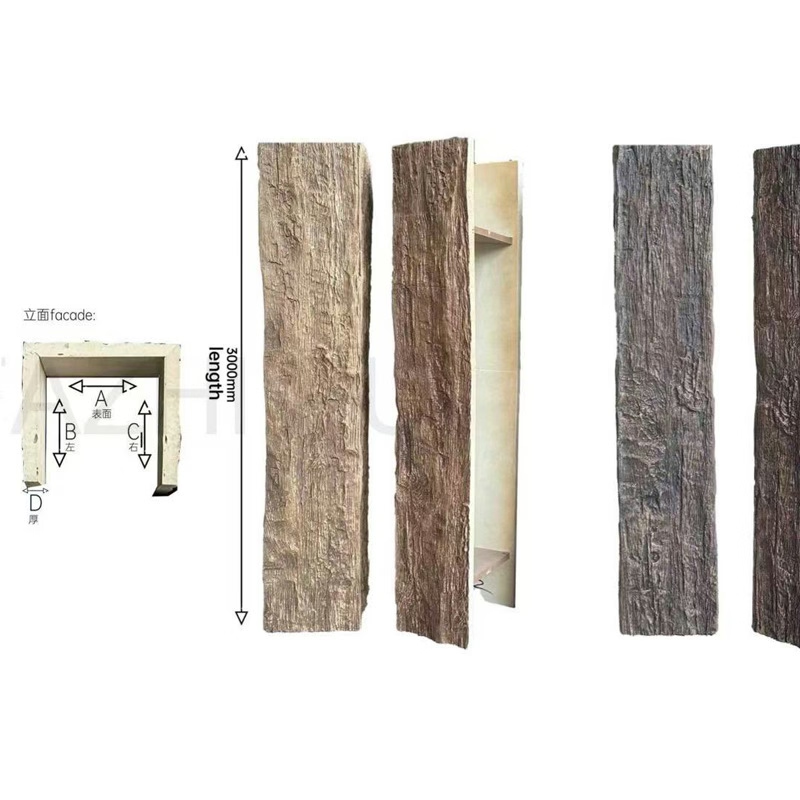
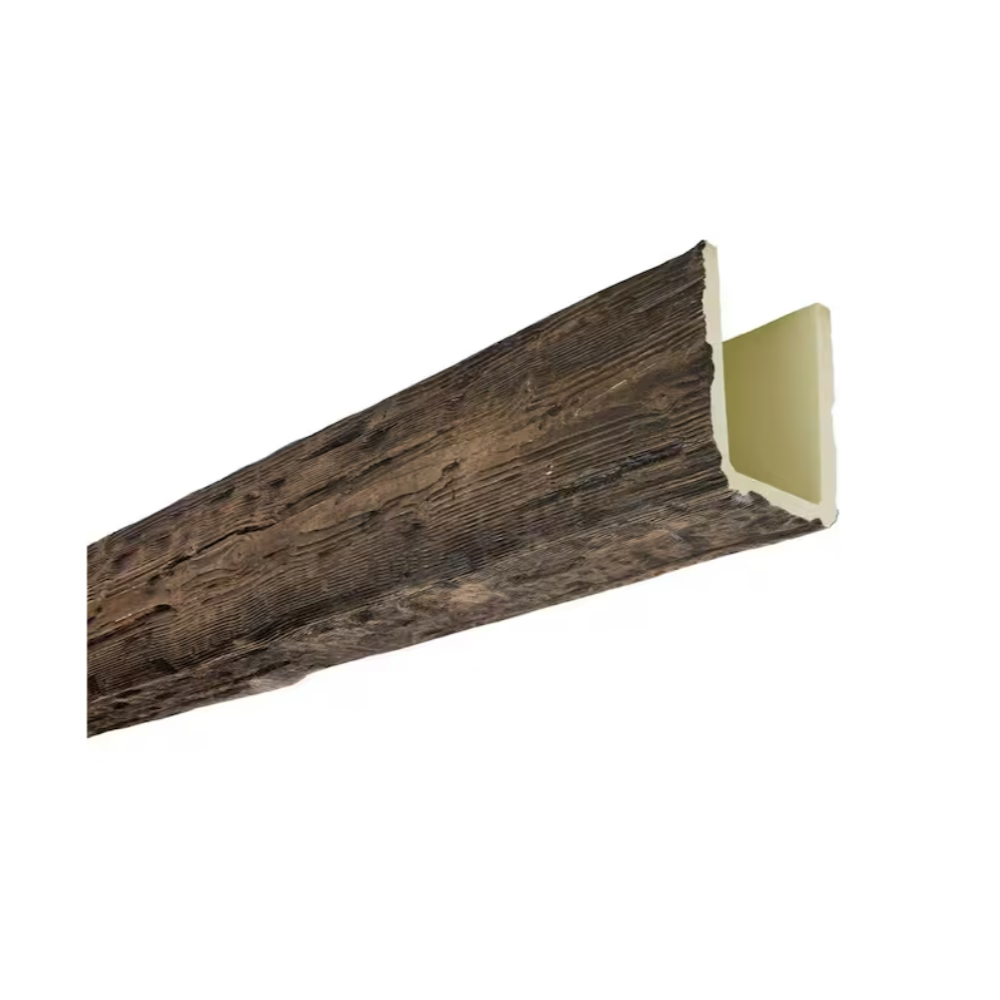
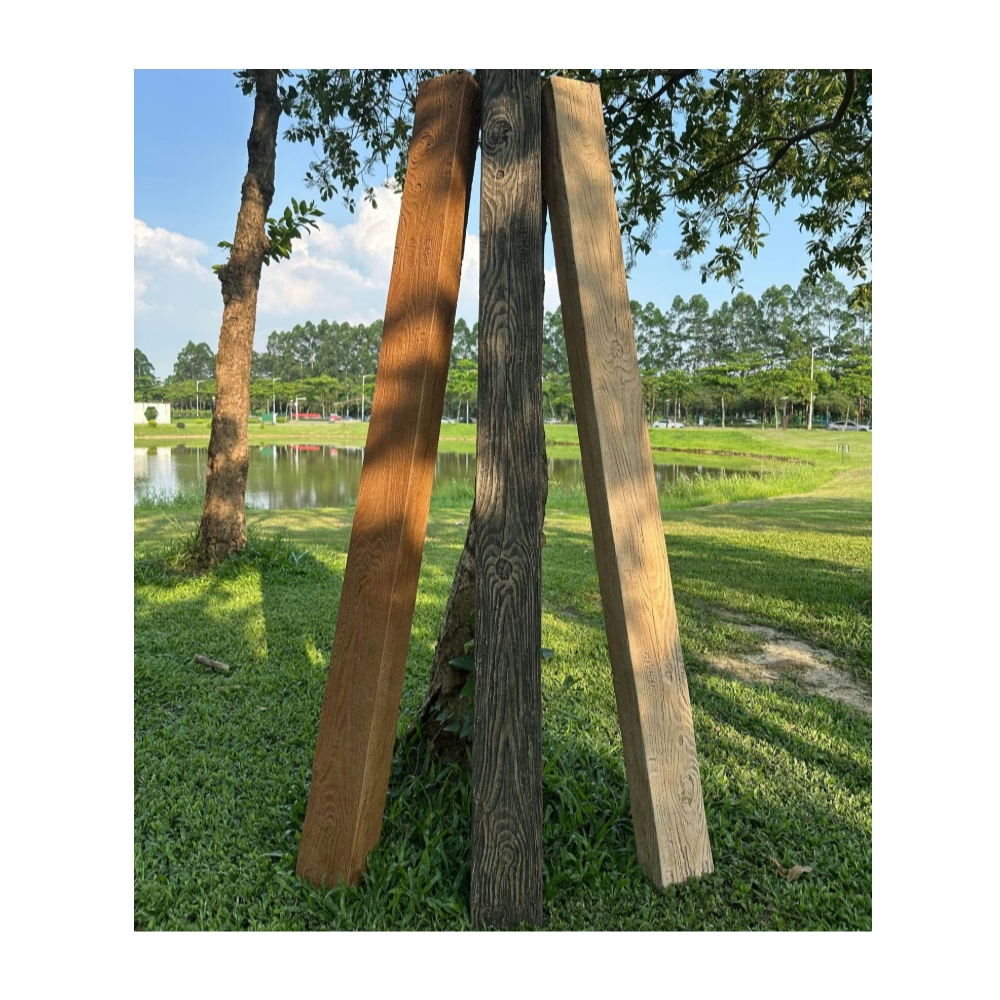
The intersection of brightness and coziness represents a particular achievement in home design, where spaces feel simultaneously uplifting and comfortable rather than sacrificing one quality for the other. Warm honey oak grain PU faux beams facilitate this balance beautifully, introducing wood tones that carry inherent cheerfulness without the overwhelming intensity that darker options might create. The result creates environments where families want to spend time, gathering for meals, conversation, and shared activities that build relationships and memories. Understanding how honey oak achieves this balance helps homeowners make informed design choices that serve their families well.
Honey oak coloring draws from the warm end of the wood spectrum, carrying golden and amber undertones that evoke sunlight, warmth, and positive energy. Unlike cooler wood tones that might create environments feeling subdued or melancholy, honey oak maintains an optimistic character that supports active family life. This quality proves particularly valuable in homes with children, where spaces benefit from the subtle energizing effect that warm colors provide. The beams establish moods that encourage play, creativity, and the lively interactions that make houses feel like homes.
The grain patterns characteristic of oak species add visual interest that prevents installations from appearing flat or monotonous. Quality faux beams reproduce these distinctive patterns through careful manufacturing processes, ensuring that each beam contributes meaningful texture to ceiling treatments. The combination of warm coloring and interesting grain creates depth that engages viewers without demanding the attention that more dramatic design elements might require.
Designing for Brightness Without Sacrifice
Achieving genuine brightness in interior spaces requires more than selecting light colors, it demands attention to how design choices affect perceived illumination throughout the day. Honey oak beams contribute to brightness through their warm reflective surfaces, bouncing both natural and artificial light throughout rooms more effectively than darker alternatives. This light-enhancing quality proves particularly valuable in spaces with limited windows or challenging orientations where additional visual brightness improves the experience significantly.
Wall and ceiling colors should coordinate with honey oak beams to maximize brightness throughout living spaces. White and off-white surfaces reflect light efficiently while allowing beam coloring to stand out distinctly. Avoid dark accent walls that might absorb the light energy that beam installations work to distribute. The overall color strategy should prioritize light transmission and reflection, ensuring that honey oak's warm brightness reaches throughout the space rather than concentrating in beam-adjacent areas.
Flooring selection impacts brightness from below, with lighter wood tones, pale stone, or neutral carpets maintaining the optimistic atmosphere that beams establish. Dark floors absorb light that beams might otherwise reflect, reducing the overall brightness that careful color coordination worked to achieve. If darker flooring is desired for practical reasons, compensate through lighter wall treatments or additional lighting that maintains the intended brightness levels.
Cozy Integration with Honey Oak Warmth
Coziness emerges from the sense of enclosure and protection that well-designed spaces provide. Honey oak beams contribute to this feeling through their warm visual presence, creating the canopy-like overhead treatment that signals safety and comfort. The effect complements rather than conflicts with brightness, proving that warm and cozy need not mean dark and confined. This balance represents the core achievement that honey oak interiors accomplish.
Furniture in honey oak beam spaces should maintain visual lightness while providing necessary comfort. Upholstered pieces in warm neutrals, soft grays, or gentle pastels create seating that feels inviting without introducing visual weight that might compromise brightness. Leather in medium browns or cognac tones adds durability appropriate for family use while harmonizing with beam coloring. Avoid very dark furniture that might ground spaces inappropriately, disrupting the elevated, optimistic feeling that honey oak establishes.
Textiles throughout honey oak spaces should reinforce warmth and comfort through appropriate material and color selection. Linen, cotton, and wool in warm tones add softness without compromising brightness. Layered throws, cushions, and window treatments create the texture complexity that cozy spaces require while maintaining color family harmony. The overall textile approach should feel relaxed and inviting, appropriate for the daily family life that honey oak interiors support.
Maintaining Bright Cozy Spaces Over Time
The longevity of polyurethane ensures that bright, cozy investments maintain their intended character indefinitely. Unlike paint colors that fade or trend-driven alternatives that date quickly, quality honey oak beam installations remain consistently appealing across ownership periods and design trend cycles. This durability makes them appropriate for homeowners seeking permanent improvements rather than temporary updates.
Cleaning and maintenance routines for polyurethane beams prove simpler than authentic timber alternatives require. Regular dusting maintains the honey oak's natural luster, while mild soap solutions address any accumulated marks without risking damage to finishes. The absence of specialized care requirements ensures that busy families can maintain beautiful spaces without significant time investment. This practical advantage makes quality beams appropriate for households where design intentions might otherwise succumb to maintenance realities.
The timeless quality of honey oak coloring ensures relevance that transcends specific design eras. While certain fashionable colors might feel dated within years of installation, warm neutral wood tones maintain consistent appeal across market preferences. This enduring quality protects homeowner investments while ensuring that spaces remain appealing to future buyers when properties eventually reach resale markets.
Technical References
ASTM standards cited in every specification
Test Data
Lab results from internal testing program
Updated 2026
Reviewed against current product specs