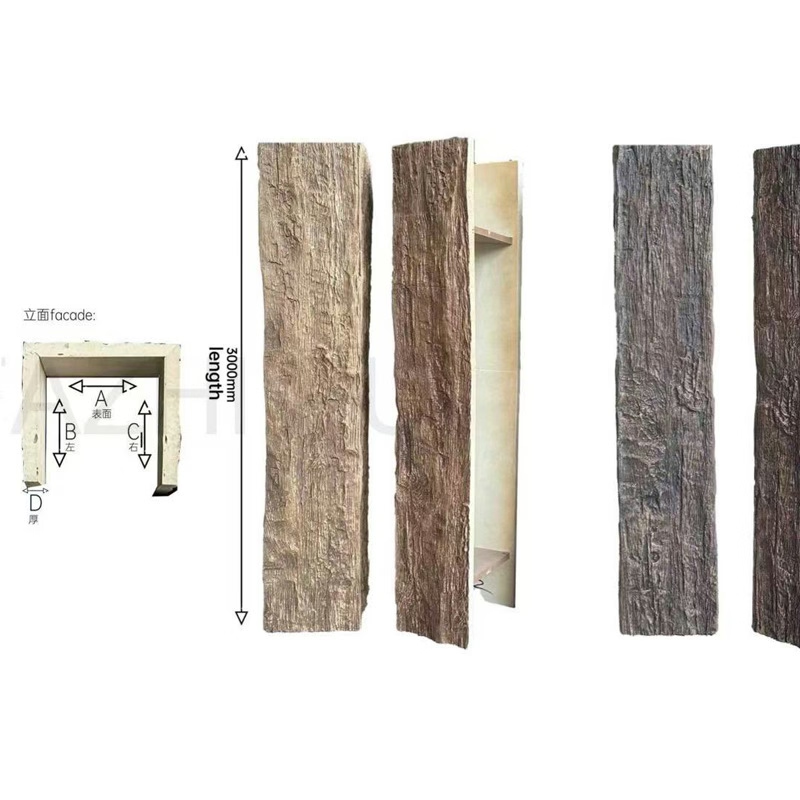
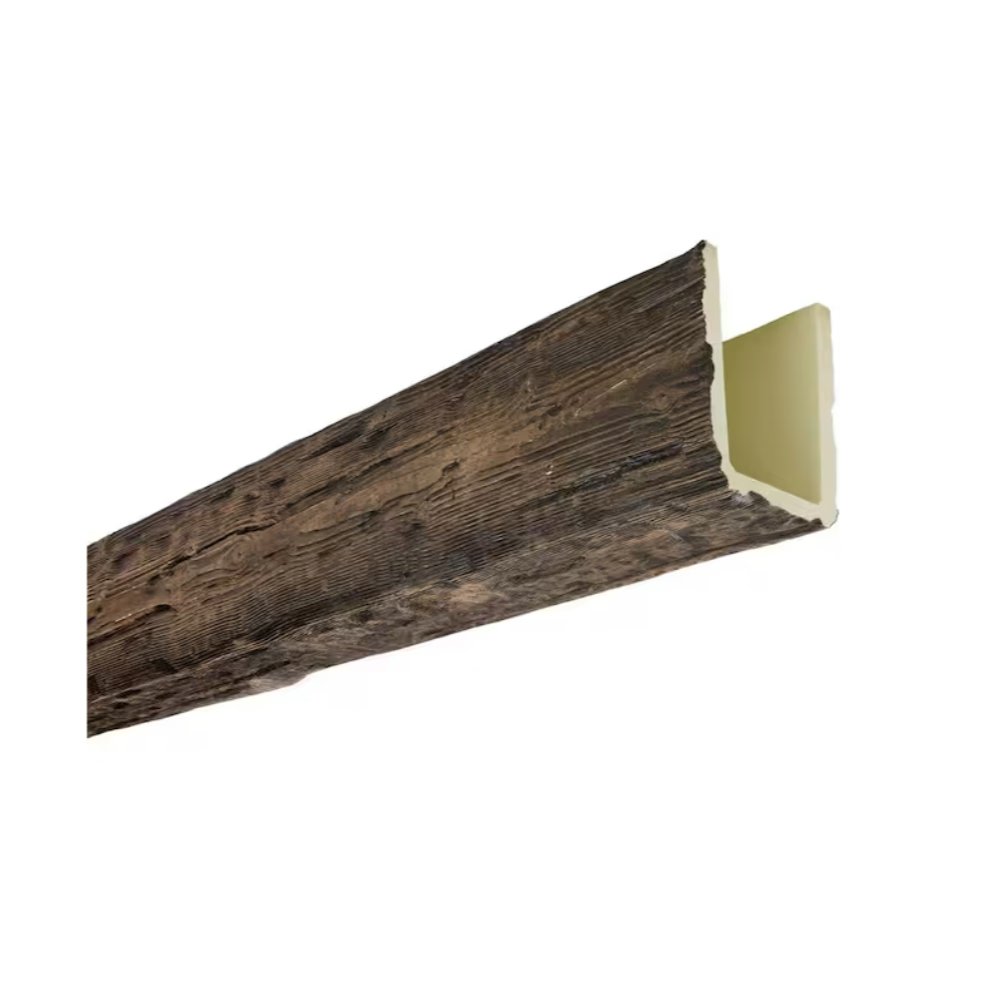
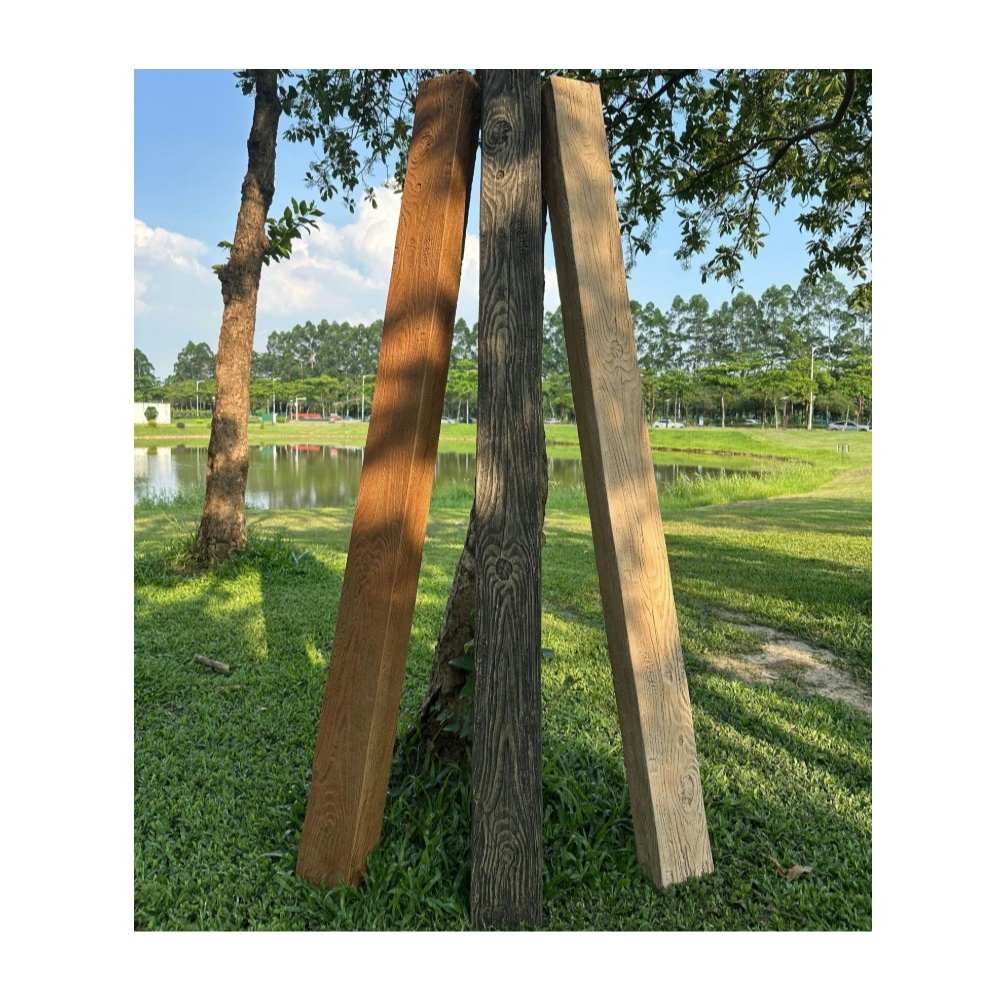
The bathroom has transformed from purely functional necessity to personal sanctuary where modern homeowners seek respite from demanding daily schedules. This evolution has elevated expectations for every design element, with ceiling treatments receiving increased attention as designers recognize the overhead frame that establishes each room's character. Yet bathrooms present unique challenges that limit material options: persistent humidity from daily bathing, temperature fluctuations between hot showers and cooler ambient air, and occasional direct water exposure that rules out many conventional materials. Waterproof polyurethane faux wood beams resolve these constraints elegantly, enabling ceiling designs that would be impractical with natural timber while delivering the warmth and sophistication that spa-inspired bathrooms demand.
The physics of bathroom humidity reveals why natural wood struggles in these environments despite its aesthetic appeal. Every shower generates steam that saturates bathroom air with moisture, with humidity levels spiking dramatically during and immediately after bathing activities. This moisture-laden air contacts every surface in the room, including ceiling materials where condensation may form as warm, humid air meets cooler overhead surfaces. Natural wood absorbs this moisture, releasing it when conditions dry, creating cyclic swelling and shrinking that gradually accumulates damage. The checking, cracking, and eventual decay that natural wood exhibits in bathrooms represents the visible manifestation of this moisture cycling, damage that polyurethane simply refuses to participate in.
Polyurethane's dimensional stability in humid conditions exceeds what casual observation might suggest is possible. The material absorbs no moisture regardless of how completely the surrounding air saturates, maintaining exact dimensions through unlimited humidity cycles without any accumulation of stress or damage. This stability means that beams installed perfectly remain perfectly installed regardless of how many showers occur, how long baths are drawn, or how poorly ventilation performs. The psychological comfort of knowing that bathroom investments cannot deteriorate provides genuine peace of mind that complements the aesthetic pleasure beams provide.
Design possibilities that waterproof bathroom beams enable span the full range of aesthetic styles that homeowners might wish to pursue. Rustic farmhouse bathrooms featuring vintage fixtures and apron-front sinks gain authentic timber ceiling treatments that complete the farmhouse aesthetic. Contemporary minimalist bathrooms seeking warmth to counterbalance sleek surfaces can introduce wood-look beams without introducing materials inappropriate for wet environments. Traditional transitional bathrooms can add architectural interest through beam installations that bridge between classic and modern sensibilities. Each style benefits from the warmth and character that wood aesthetics provide.
Lighting design in bathrooms with beam installations should consider how illumination interacts with overhead wood surfaces. Recessed fixtures aimed across beam surfaces reveal texture and create shadow play that enhances realism while providing functional ambient illumination. Pendant fixtures positioned to illuminate beams from below create dramatic focal points that draw attention to ceiling architecture. The warm tones of wood-look beams respond beautifully to both warm and cool LED options, with subtle differences in appearance that allow lighting to fine-tune the overall atmosphere. This lighting flexibility ensures that beams remain attractive under whatever illumination conditions characterize the finished bathroom.
The relationship between beams and other bathroom materials requires thoughtful coordination to achieve cohesive design. Tile selections should complement rather than compete with beam tones, whether through matching warmth or thoughtful contrast. Paint colors on remaining walls should establish relationships with both beams and tile that feel intentional rather than arbitrary. Fixture finishes—faucets, hardware, accessories—can reference beam tones to create visual continuity that unifies the space. This coordination ensures that beams feel like integrated design elements rather than isolated additions that interrupt otherwise coherent schemes.
Maintenance expectations for waterproof bathroom beams represent one of their most appealing characteristics for busy homeowners. The non-porous surface prevents moisture absorption that would lead to mold, rot, or degradation. Surface cleaning requires only mild bathroom cleaners applied with soft cloths, without specialized products or professional attention. The accumulated residue of hair spray, cleaning products, and environmental contaminants that might affect other surfaces wipes away easily from polyurethane, ensuring that beams remain fresh with minimal effort. This maintenance simplicity ensures that bathroom beauty requires no ongoing sacrifice of time or attention.
Installation considerations specific to bathroom environments address the particular conditions these spaces present. Ventilation fans should exhaust properly to reduce humidity exposure, though beam performance remains reliable even in bathrooms with inadequate ventilation. Mounting hardware should resist the corrosion that humid conditions accelerate, with stainless steel or properly coated fasteners providing appropriate durability. Coordination between beam installation and any ceiling-mounted fixtures ensures that electrical boxes, fan housings, and other penetrations integrate cleanly with beam positions.

Color selection for bathroom beams benefits from sample evaluation under actual bathroom lighting conditions. The warmer color temperatures common in bathroom illumination—selected to promote relaxation rather than task performance—affect how wood tones appear compared to showroom conditions. Viewing samples in the actual bathroom, under the specific lighting that will characterize the finished space, prevents surprises while helping homeowners select finishes that achieve their intended atmosphere. This evaluation investment ensures satisfaction with the completed installation.
The investment perspective on bathroom beam installations considers both immediate impact and long-term value. Bathroom improvements consistently rank among the highest-return renovations in residential properties, with quality upgrades generating returns that often exceed those in other areas. Ceiling beams contribute to this return while differentiating properties in competitive markets where standard builder finishes dominate. The durability of waterproof polyurethane ensures that this investment retains its value through years of service, without the maintenance demands or eventual replacement that natural wood would require in the humid bathroom environment.
Psychological benefits of warm wood aesthetics in bathrooms connect to the relaxation function these spaces increasingly serve. Bathrooms designed for spa-like retreat should feel warm, welcoming, and calming rather than clinical or institutional. Ceiling beams transform bathroom ceilings from overlooked surfaces into architectural features that establish character throughout the space. This character supports the relaxation and wellbeing that homeowners seek from their bathroom time, providing benefits that extend beyond simple aesthetic pleasure. The investment in quality beam materials supports the bathroom's wellness mission while delivering the visual satisfaction that makes these spaces genuinely pleasurable to occupy.
Technical References
ASTM standards cited in every specification
Test Data
Lab results from internal testing program
Updated 2026
Reviewed against current product specs