Understanding Face Counts
A standard beam has four visible faces: top, bottom, and two sides. All four faces are exposed to view.
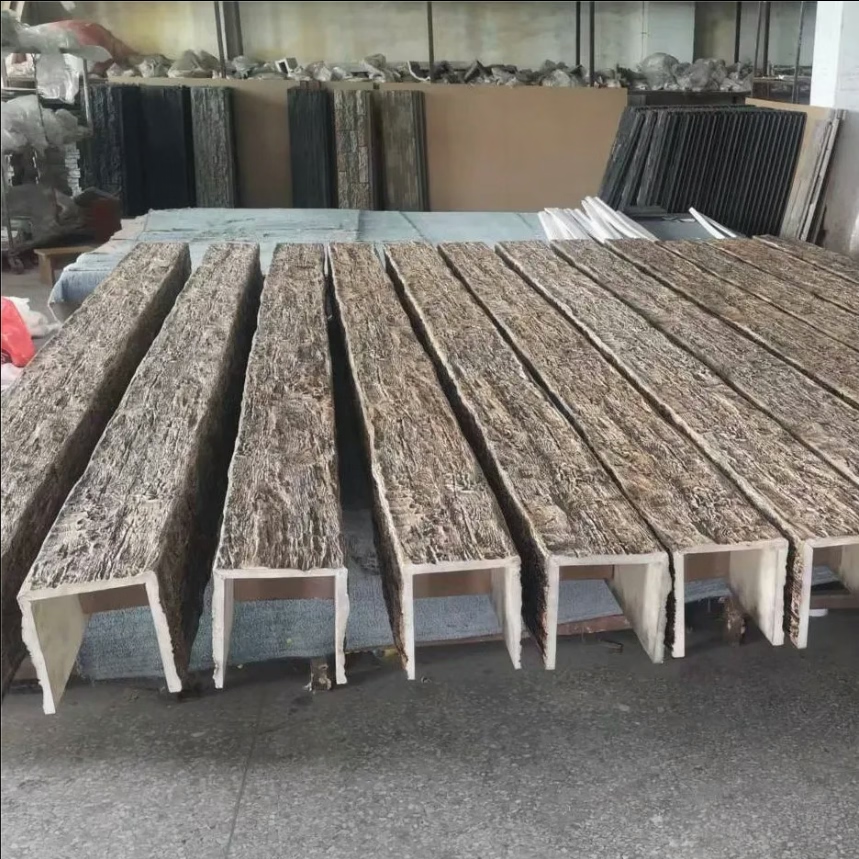
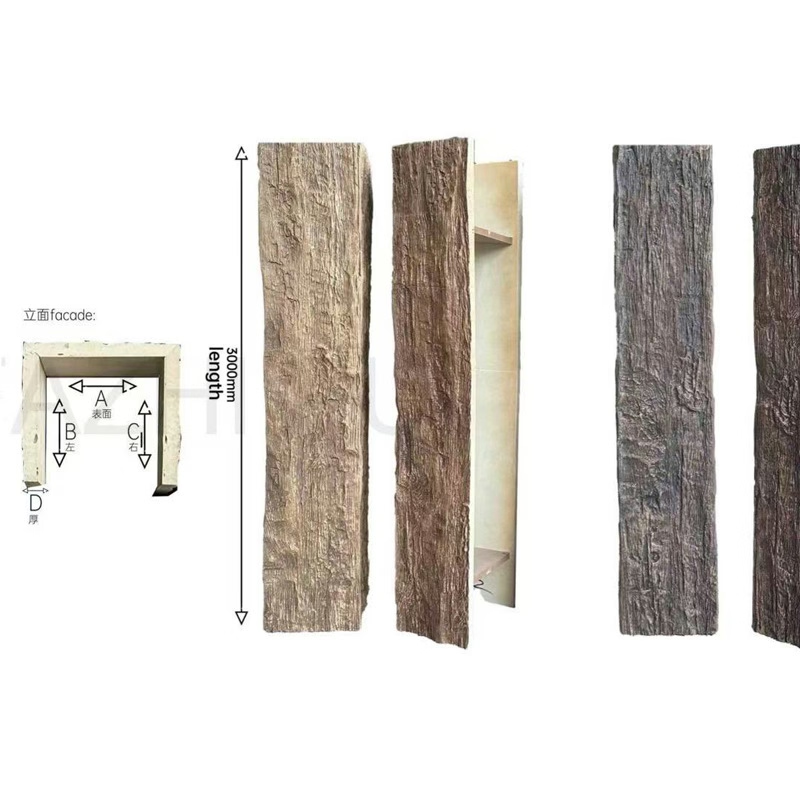
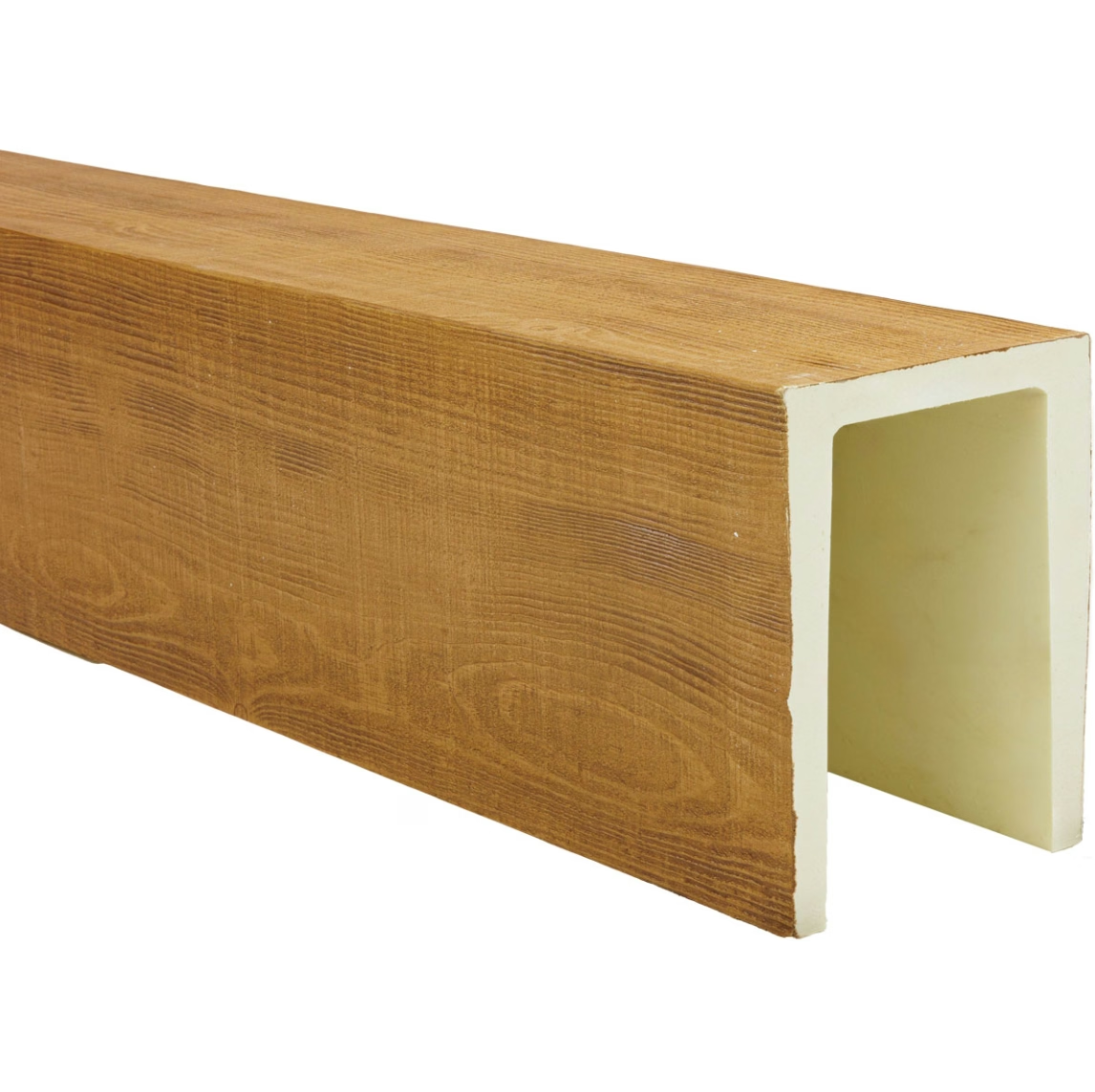
Three-face beams have only three visible surfaces: bottom and two sides. The top is open or hidden.
This difference seems minor. In practice, it determines where beams can be installed and how they perform.
The Three-Face Geometry
What Three Faces Actually Means
Three-face beams are designed to be viewed from below and from the sides. The top face, which would be hidden by the ceiling in most installations, isn't included.
This makes sense for:
- Beams mounted against existing ceilings (the top contacts the ceiling, so it never shows)
- Beam covers (the existing structure fills the space where a fourth face would be)
- Wall-mounted beams (the back face contacts the wall)
The geometry saves material, reduces weight, and makes installation simpler in appropriate applications.
Where Three-Face Works Best
Against Existing Ceilings
When installing beams below an existing ceiling structure, you don't see the top of the beam—it's pressed against the existing ceiling.
Three-face design eliminates material that's never visible while maintaining the same appearance from below.
This application is common in:
- Basement finishing where you don't want to lower the ceiling
- Second-floor ceilings where attic access isn't available
- Commercial spaces with limited height to work with
Beam Cover Applications
Three-face beam covers wrap existing beams from below. The existing beam occupies the space where a fourth face would be.
This is the most common three-face application:
- Steel beam camouflag
- Wooden beam refinishing
- Post wrapping
The existing structure determines the hollow space inside the three-face cover.
Wall-Mounted Applications
Beams mounted against walls need only three visible faces: the front and two sides. The back face contacts the wall and never shows.
For this application:
- Corners where beam runs along the wall
- Above mantels where beam extends from wall
- Architectural features where beam attaches to vertical surfaces

Three-Face vs. Four-Face: Making the Choice
Weight Considerations
Three-face beams weigh approximately 20-25% less than equivalent four-face beams of the same exterior dimensions. This matters for:
- Installations where weight is a concern
- Ceilings with limited load capacity
- Do-it-yourself installations where lighter is easier
Cost Differences
Three-face beams typically cost less than four-face beams because less material is used. The difference is meaningful but not dramatic—usually 15-25% savings.
Whether this makes sense depends on your application:
- For beam covers that must match existing four-face beams: use four-face
- For new installations where three-face geometry works: three-face saves money
Structural Considerations
Three-face beams are not structurally inferior for decorative applications. The absence of a top face doesn't reduce load-bearing capacity because decorative beams don't bear structural loads anyway.
For true structural applications, you need something different entirely—not a decorative faux beam at all.
Installation Differences
Ceiling-Mounted Three-Face Beams
The installation process differs from four-face beams:
- Mount blocking against the existing ceiling (not between joists)
- Position the three-face beam below the blocking
- Fasten through the beam's top surface into blocking
- The top of the beam seats against the ceiling surface
The blocking provides the mounting surface; the existing ceiling provides alignment.
Three-Face Beam Covers
Installation is similar to slip-on hollow covers:
- Slide the three-face cover over the existing beam from below
- The existing beam fills the hollow space inside
- Fasten through the cover sides into the existing beam
- The top of the cover contacts the existing structure above
Wall-Mounted Three-Face Beams
Wall mounting requires:
- Locate wall studs for secure fastening
- Mount ledger boards or brackets to studs
- Position the beam against the wall
- Fasten through the beam's back into ledger or wall studs
- The back face of the beam contacts the wall surface
For substantial wall-mounted beams, consider using adhesive in addition to mechanical fasteners.
Design Applications
Creating Depth with Three-Face Beams
Three-face beams create dimensional interest even though they have fewer surfaces:
- Light falls across the two side faces differently at different times of day
- Shadows cast by three-face beams differ from flat trim
- The open top creates a shadow line against the ceiling
Combining with Four-Face Elements
Sometimes combining three-face and four-face beams creates the best result:
- Use three-face covers on existing beams
- Use four-face solid beams in new construction areas
- The visual result is unified even though the product types differ
This approach works when the three-face and four-face elements have matching exteriors.
Three-face design isn't a compromise—it's a solution for specific applications. When the geometry fits, three-face beams save weight and cost while delivering the same visual result. When the geometry doesn't fit, four-face is the only option.
Technical References
ASTM standards cited in every specification
Test Data
Lab results from internal testing program
Updated 2026
Reviewed against current product specs