Narrow Hollow Construction
Four-inch hollow beams occupy the boundary between trim and architecture. They're wide enough to register as beams but narrow enough that solid construction would waste material.
Hollow construction makes sense at this width: the interior space serves no functional purpose anyway, so why pay for material you won't see?
Understanding Hollow Construction
How Hollow Beams Work
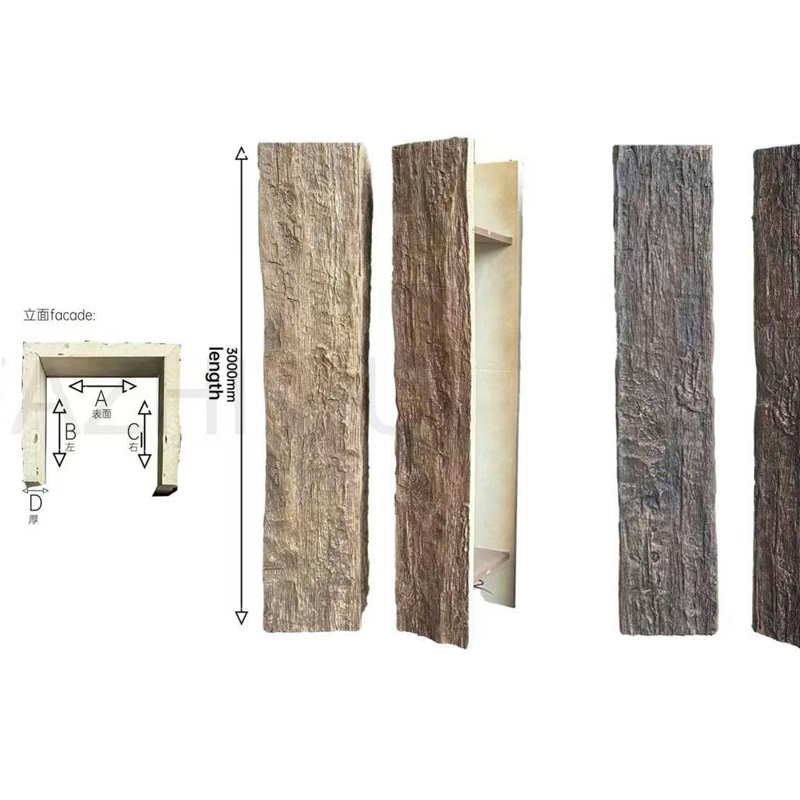
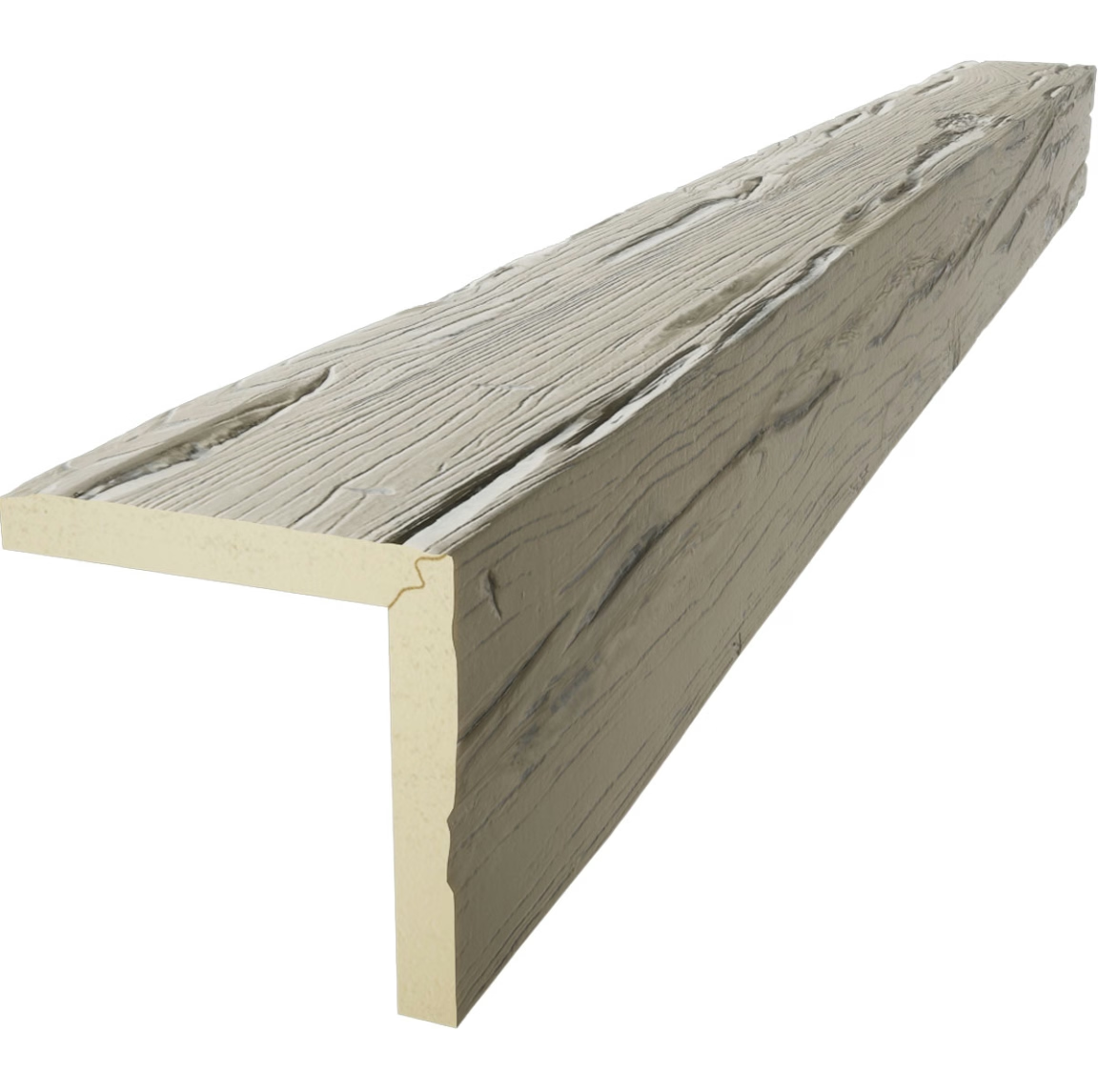
A hollow beam has three or four visible faces with open interior space:
- The interior space fits over existing structure or blocking
- Wall thickness (usually 1/2 to 3/4 inch) provides the visible surface
- The top may be open (three-face) or closed (four-face hollow)
For narrow 4-inch beams:
- Three-face hollow is most common (top open)
- Wall thickness consumes proportionally more of the profile than on wider beams
- Interior dimensions might be 3 × height minus wall thickness × 2
Why Hollow at This Width
Narrow solid beams feel chunky. A 4×6 solid beam has the same visual presence as a 4×6 hollow beam, but weighs more and costs more.
For indoor applications where structural capacity isn't needed:
- Hollow construction provides the same appearance
- Lower weight simplifies installation
- Reduced cost makes narrow beams economical
Indoor Applications
Where 4-Inch Hollow Works
- Ceilings with existing beam structure to wrap
- Spaces where lightweight is beneficial (below upper floors)
- Budget-conscious projects needing architectural effect
- Areas where minimal visual weight is desired
Mounting Requirements
Narrow hollow beams require careful mounting:
- Blocking must align precisely with beam positions
- Fasteners must engage solid material at each side
- Adhesive adds holding power but can't substitute for mechanical fastening
Limitations
Four-inch hollow beams aren't appropriate when:
- Significant loads will attach to the beam
- The hollow interior needs to accommodate wiring or ductwork
- Impact resistance is critical (hallways with abuse potential)
Installation Notes
Alignment is Critical
Narrow beams make alignment errors obvious:
- Use laser levels for positioning
- Mark reference lines before mounting
- Check alignment from multiple viewing angles
Fastener Selection
Pre-drilling is essential:
- Use bits sized for fastener shank, not thread
- Countersink for flush mounting
- Small screw heads work better than large ones
Finishing
The narrow visible surface makes finish quality critical:
- Sand any imperfections before finishing
- Apply finish consistently across all visible faces
- Pay attention to edges and corners
Hollow 4-inch beams serve specific indoor applications where narrow width and lightweight construction are advantages. They install like any hollow beam but with increased attention to alignment and fastening due to the narrow profile.
Technical References
ASTM standards cited in every specification
Test Data
Lab results from internal testing program
Updated 2026
Reviewed against current product specs