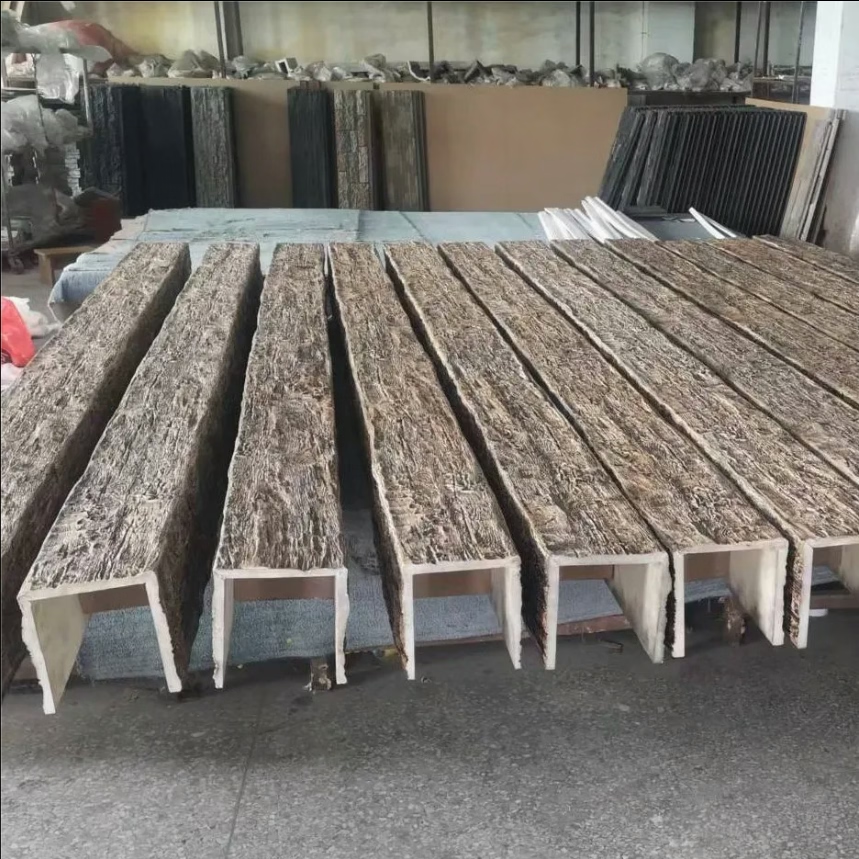
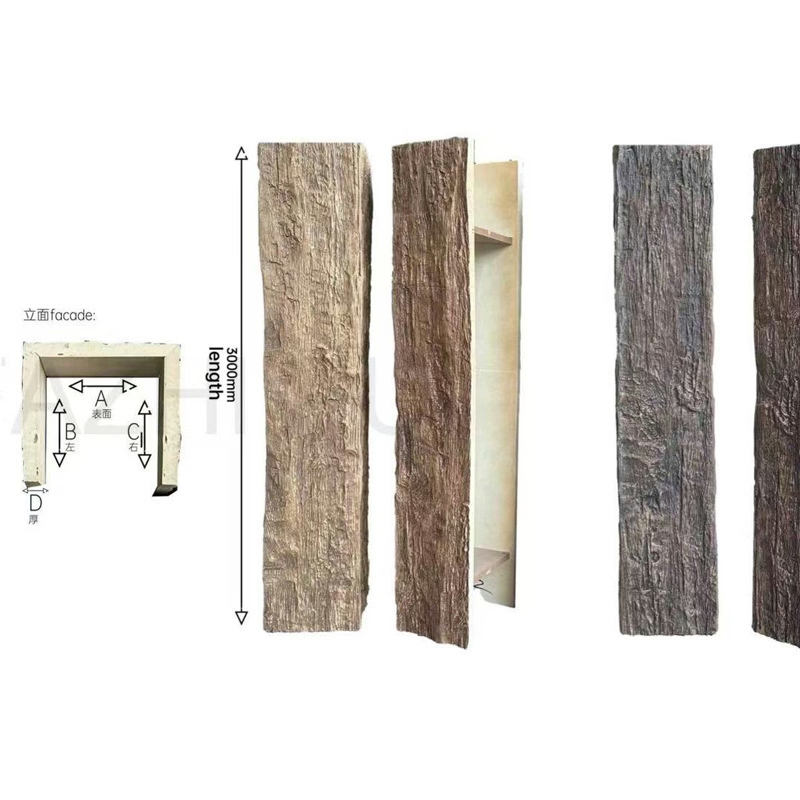
Hollow construction delivers practical advantages for indoor ceiling beam applications. The 4-inch width specification with hollow interior provides timber aesthetics at minimal weight, simplifying installation while reducing ceiling loading. For indoor applications where structural loads matter, environmental exposure is controlled, and installation practicality matters, hollow construction represents the optimal specification.
Indoor applications benefit specifically from hollow construction. There's no need for the structural capacity that solid construction might provide in demanding situations. There's no exposure to weather that might stress solid cross-sections differently. There's no requirement for the mass that solid timber would provide for traditional aesthetic reasons. Hollow construction addresses indoor needs efficiently while delivering complete visual performance.
Hollow construction advantages
Hollow beams offer specific benefits for indoor use:
Reduced weight — significantly lighter than solid equivalents
Easier installation — lighter weight simplifies handling and mounting
Lower ceiling loading — less stress on existing ceiling structures
Adequate performance — sufficient for non-structural decorative applications
Cost efficiency — less material typically means lower product cost
Installation accessibility — DIY-friendly for capable homeowners
These advantages make hollow construction practical for most indoor applications.
Indoor application scenarios
4-inch hollow beams serve various indoor scenarios:
Residential ceilings
Standard home ceiling applications:
- Living room beam installations
- Bedroom ceiling treatments
- Kitchen and dining room features
- Home office beam accents
Residential ceilings commonly use hollow beam construction.
Commercial interiors
Light commercial applications:
- Boutique retail ceilings
- Office beam features
- Restaurant interior elements
- Small hospitality features
Commercial interiors benefit from lightweight hollow construction.
Renovation projects
Retrofit applications:
- Existing home upgrades
- Commercial space renovations
- Historic property updates
- Addition integrations
Renovation projects particularly benefit from reduced ceiling loading.
Specifications
4-inch hollow beam characteristics:
| Profile | Hollow Weight (per ft) |
|---|---|
| 4x4 | 1.0-1.5 lbs |
| 4x6 | 1.5-2.0 lbs |
| 4x8 | 2.0-2.5 lbs |
Lightweight construction simplifies all aspects of installation.
Indoor-specific considerations
Several factors make hollow beams ideal for indoor applications:
Environmental control
Indoor environments provide:
- Stable temperature ranges
- Controlled humidity levels
- No direct weather exposure
- UV exposure limited compared to outdoor
Controlled environments suit hollow construction.
Structural expectations
Indoor applications have:
- Lower structural demands than outdoor
- No need for solid mass for weather resistance
- Reduced impact resistance requirements
- Standard loading expectations
Lower demands make hollow construction sufficient.
Installation accessibility
Indoor installation offers:
- Easier site access than exterior
- More controlled installation conditions
- Better working environment
- Standard residential construction compatibility
Indoor conditions simplify hollow beam installation.
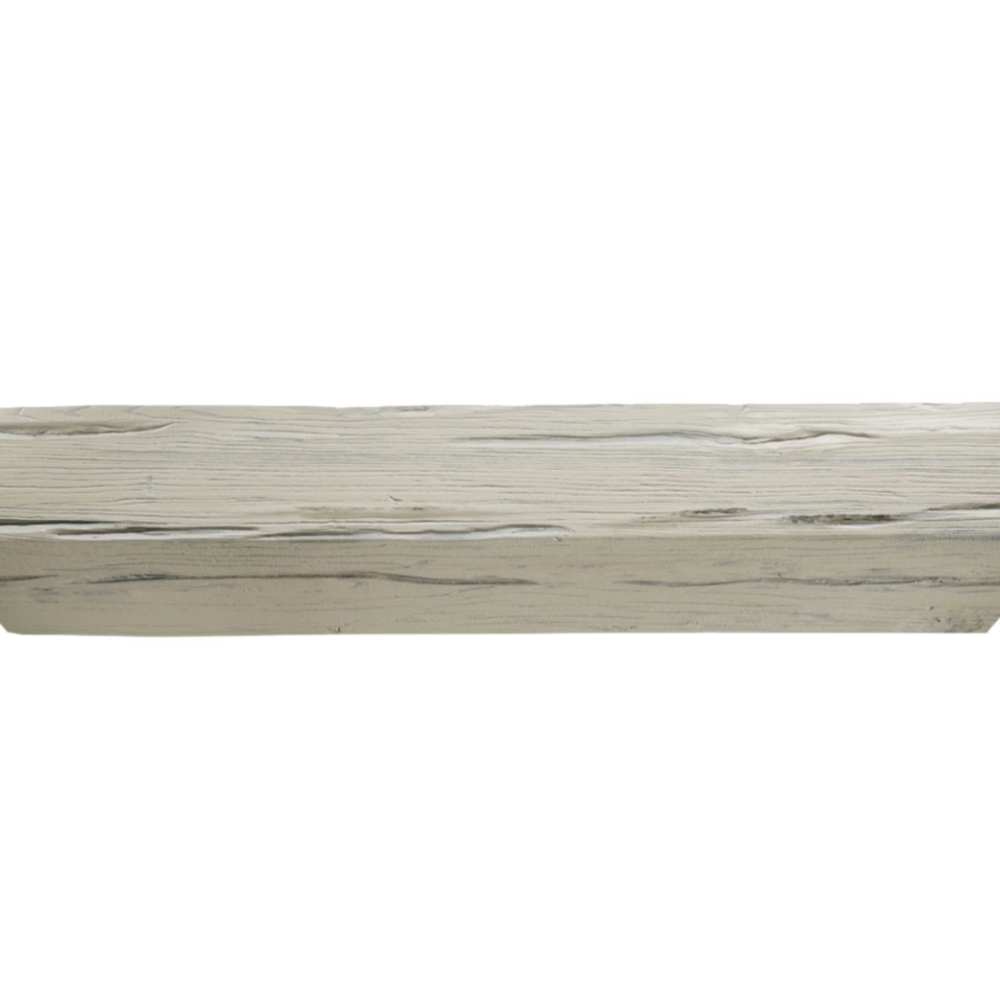
Profile options
4-inch width hollow beam profiles:
4x4 square
Most compact profile:
- Maximum installation ease
- Minimal ceiling loading
- Subtle beam presence
- Versatile application
4x4 suits most modest beam applications.
4x6 rectangular
Moderate profile:
- Slightly more presence than 4x4
- Balanced proportions
- Common narrow beam choice
- Versatile application
4x6 provides balanced narrow beam character.
4x8 elongated
Distinctive proportion:
- Modern horizontal emphasis
- Slim vertical presence
- Contemporary aesthetic
- Distinctive beam profile
4x8 creates modern narrow beam character.
Installation methodology
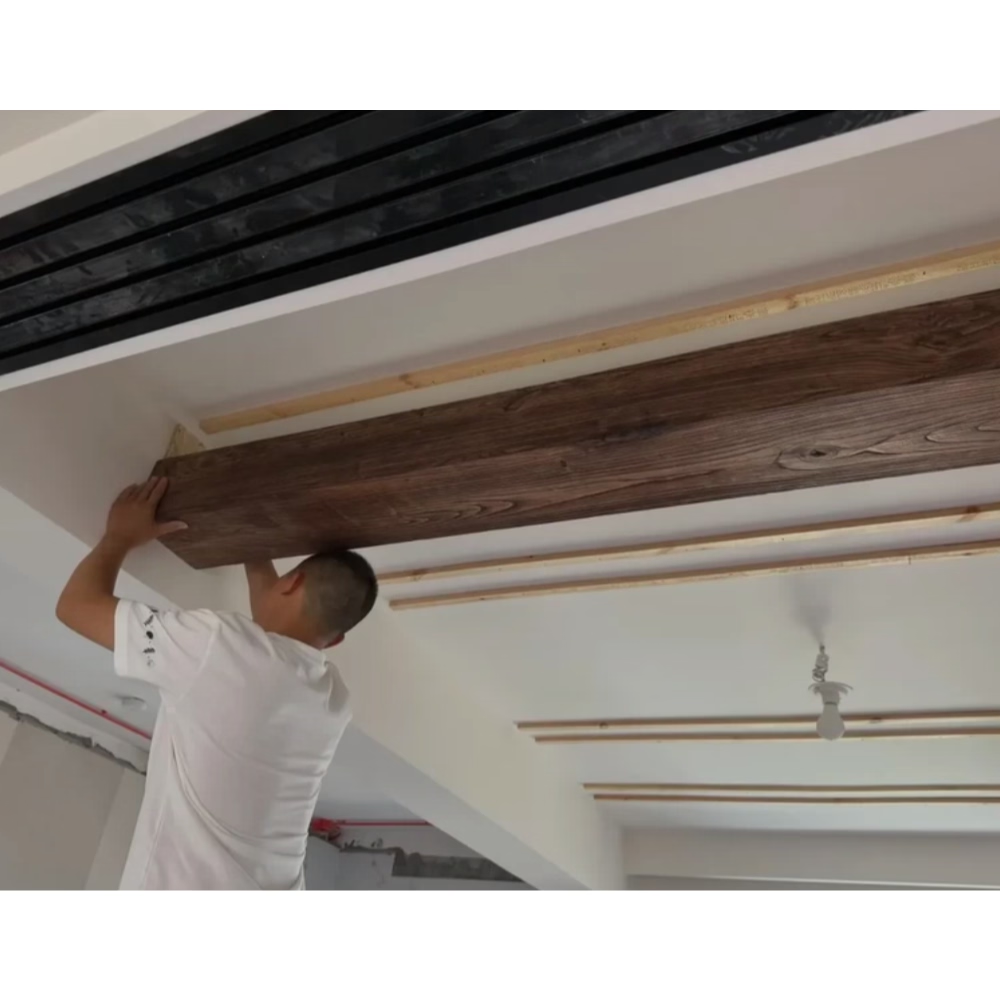
Standard hollow beam installation:
Preparation
- Verify ceiling structure can support beam weight
- Plan layout and reference marks
- Stage materials near installation area
- Prepare tools and supplies
Mounting
- Apply construction adhesive in continuous bead
- Position beam with reference marks
- Install mechanical fasteners at appropriate intervals
- Place temporary bracing during cure
Finishing
- Caulk joints and connections
- Touch up finish as needed
- Remove temporary bracing after cure
- Clean installation area
Standard installation process ensures reliable results.
Finish compatibility
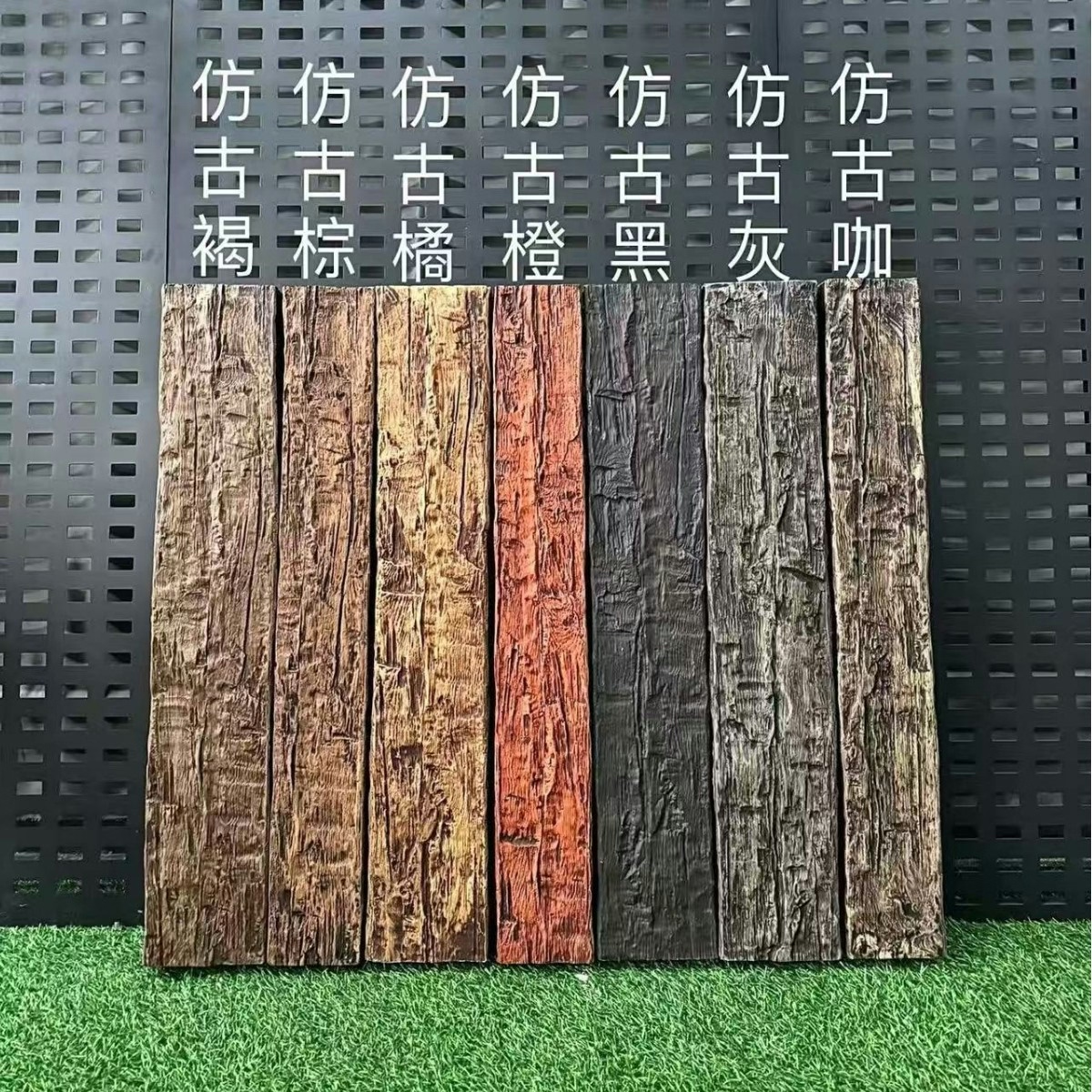
Hollow beams accept standard finishes:
Natural timber stains
Traditional appearance:
- Various stain colors
- Highlighted grain patterns
- Natural wood character
- Refined or rustic treatments
Natural stains emphasize timber aesthetics.
Painted finishes
Modern appearances:
- White painted beams
- Gray contemporary finishes
- Custom color applications
- Two-tone treatments
Painted finishes support contemporary aesthetics.
Specialty finishes
Distinctive treatments:
- Weathered appearances
- Distressed character
- Whitewash treatments
- Custom matched finishes
Specialty finishes enable distinctive character.
Load and structural considerations
Indoor hollow beam loading:
Typical loads
Standard residential loads accommodated:
- 4x4 hollow at 1.5 lbs/ft adds minimal load
- 4x6 hollow at 2.0 lbs/ft modest addition
- 4x8 hollow at 2.5 lbs/ft standard residential capacity
These loads fall well within standard residential ceiling capacity.
Spacing considerations
Attachment spacing for hollow beams:
- 16 to 24 inch intervals standard
- Closer spacing for heavier profiles
- Additional blocking where required
- Engineering review for unusual situations
Standard spacing provides reliable attachment.
Special situations
Hollow beams may not suit:
- Load-bearing applications
- Impact-prone locations
- Unsupported long spans
- Specific structural requirements
Structural applications require solid construction.
Cost analysis
4-inch hollow beam investment:
Material cost — $30-55 per linear foot for standard finishes
Premium textures — add $15-25 per linear foot for high-fidelity finishes
Installation cost — $50-100 per beam for professional installation
Project examples:
- Single statement beam: $350-800 complete
- 4-beam parallel system: $1,500-3,500 complete
- Comprehensive indoor treatment: $3,500-8,000 complete
Investment reflects hollow construction efficiency.
When hollow 4-inch is appropriate
This specification suits projects where:
Indoor installation only — applications within weather-protected environments
Lightweight construction valued — situations where reduced ceiling loading matters
Standard installation adequate — projects not requiring structural capacity
Cost efficiency important — situations benefiting from material efficiency
Residential or light commercial — applications matching hollow beam capabilities
For these situations, 4-inch hollow beams deliver appropriate results.
When solid construction may serve better
Alternative specifications for different priorities:
Structural applications — situations requiring actual load-bearing capacity
Outdoor installations — environments where solid construction provides advantages
High-impact locations — areas where impact resistance matters
Maximum durability — situations requiring maximum construction robustness
Specific code requirements — applications with structural specifications
For these situations, solid beam construction addresses the requirements.
Indoor beam efficiency
4 inch width hollow PU faux wood ceiling beams for indoor use deliver timber aesthetics with practical lightweight construction for interior applications. The combination of compact profiles, hollow construction, and indoor-appropriate specifications makes this specification appropriate for residential ceilings, commercial interiors, renovation projects, and various indoor scenarios. When projects require indoor ceiling beams with practical lightweight construction, 4-inch hollow specifications deliver appropriate results.
Specify 4-inch hollow beams for indoor ceiling applications requiring timber aesthetics with practical lightweight construction.
Technical References
ASTM standards cited in every specification
Test Data
Lab results from internal testing program
Updated 2026
Reviewed against current product specs