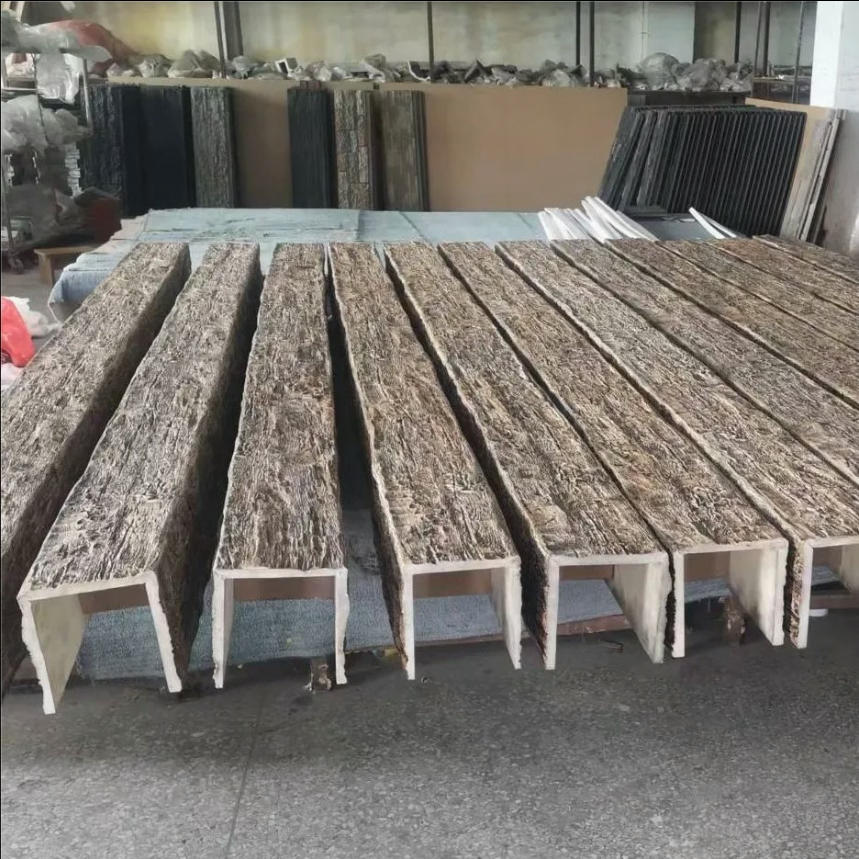
The Versatile Foundation
Some products exist because they're the default, not because they're the best. The 4×4 standard specification beam isn't one of those products. It exists because it genuinely works for more applications than any alternative.
The square profile balances presence and subtlety. The 4-inch dimension provides enough visual substance without overwhelming. The standard specification means ready availability and competitive pricing.
This isn't compromise—it's efficiency.
Why 4×4 Works Universally
Scale Flexibility
The 4×4 sits at a useful scale threshold:
- Large enough to register as architectural, not trim
- Small enough for compact spaces without dominating
- Proportional to most residential ceiling heights
This balance means the 4×4 works in contexts where larger profiles would overwhelm and smaller ones would disappear.
Contemporary Relevance
Modern interiors favor balanced proportions over directional emphasis:
- Square profiles suit minimalist aesthetics
- The 4×4 doesn't suggest period or style
- It works with contemporary furniture and finishes
Versatility for Multi-Use Suppliers
For suppliers, the 4×4 is the baseline:
- Standard tooling and molds
- Ready inventory
- Competitive pricing
For buyers, this means:
- Fast availability
- Lower cost
- Easy replacement if damaged
Common Applications
Living Room Accent
The 4×4 works as an accent beam in most living rooms:
- Single beam crossing the room's shorter axis
- Creates focal point without overwhelming
- Works with most furniture arrangements
Kitchen Treatment
In kitchens:
- Above islands and peninsulas
- Framing the cooking zone
- Adding warmth to modern cabinetry
Bedroom Architecture
For bedrooms:
- Above the bed (headboard accent)
- Crossing the room at ceiling center
- Creating reading nooks or sitting areas
Commercial Spaces
The 4×4 scales to commercial applications:
- Restaurant dining areas
- Retail storefronts
- Office common areas
The profile works at both residential and commercial scales.
Specifying 4×4 Beams
Hollow vs. Solid
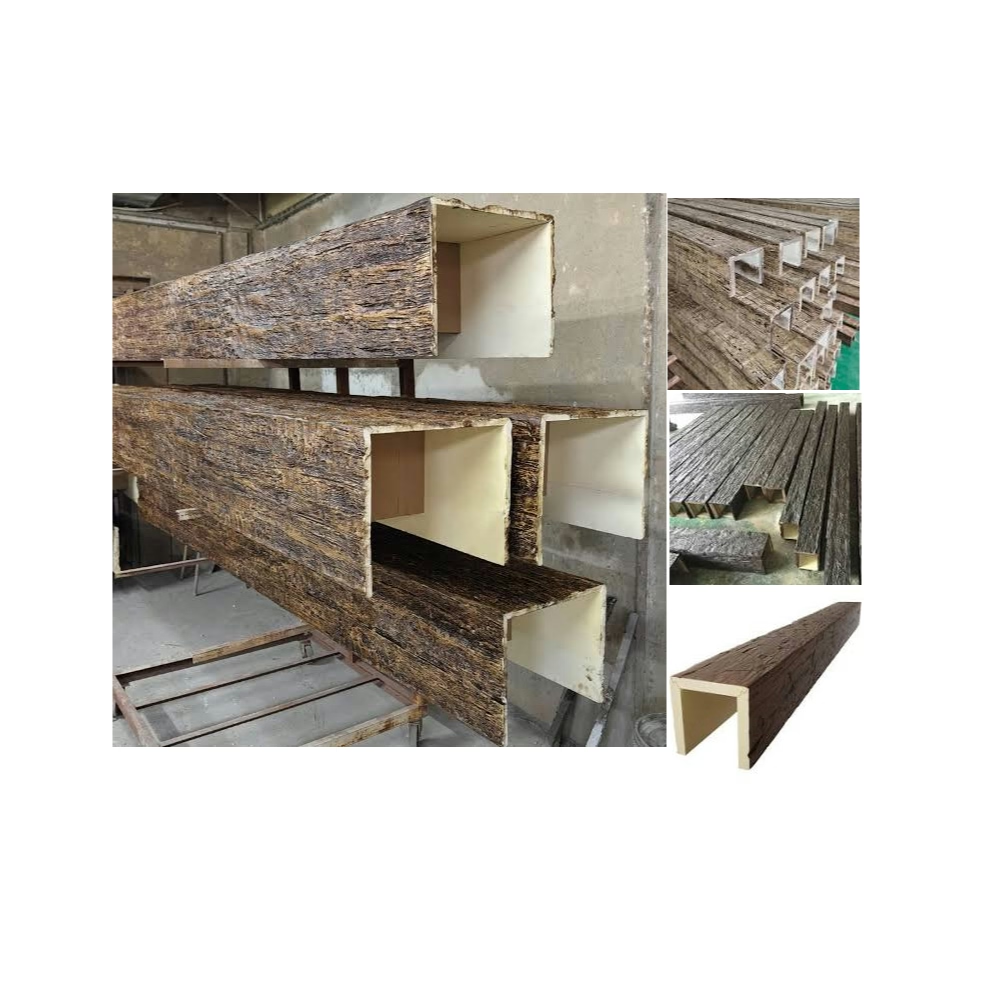
For most applications, hollow construction suffices:
- Lower cost
- Easier handling
- No structural requirement for solid material
Solid 4×4 beams make sense when:
- The beam will support significant weight
- The application requires maximum durability
- The budget prioritizes substance over economy
Texture Selection
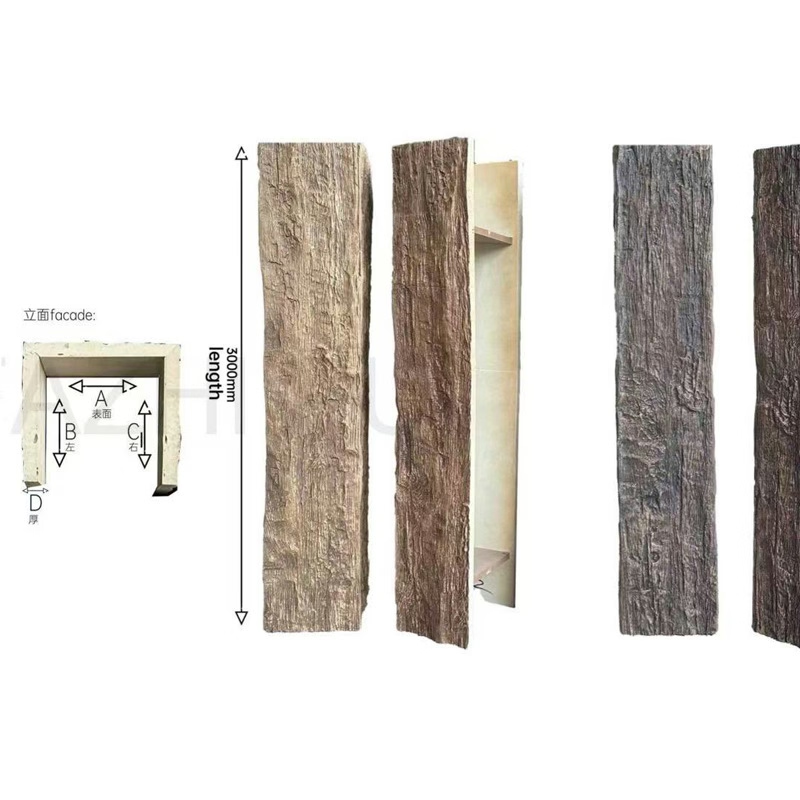
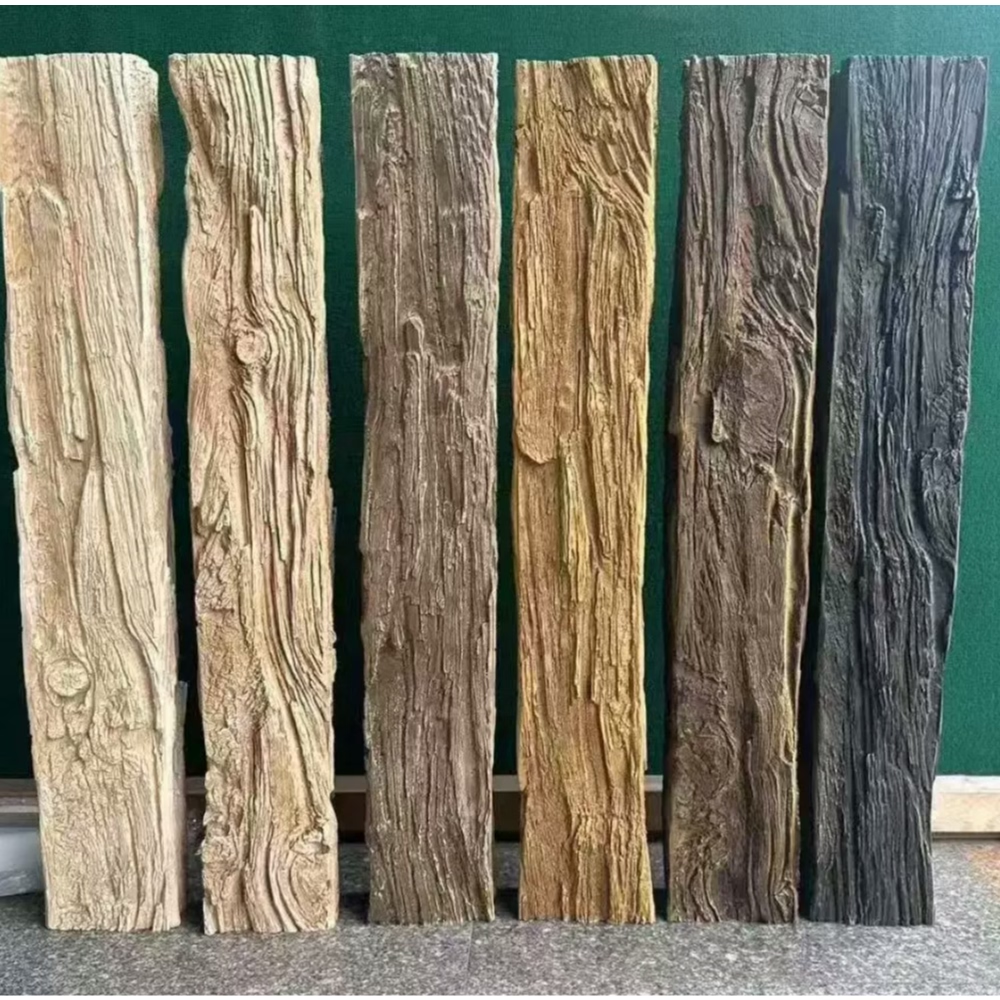
The 4×4 profile accepts various textures:
- Light grain for contemporary spaces
- Medium grain for transitional interiors
- Heavy grain for rustic applications
The square profile doesn't emphasize grain direction, so texture selection is less critical than with rectangular profiles.
Length Selection
Standard lengths (8, 10, 12, 16 feet) serve most applications:
- Measure your span and round up
- Plan for joints if your span exceeds standard lengths
- Custom lengths add cost but eliminate joints
Installation Practicalities
Blocking Requirements
The 4×4 doesn't require excessive blocking:
- Standard 16-24 inch spacing works
- The light weight (2-3 lb/ft) is easily supported
- Blocking alignment matters more than blocking quantity
Fastening
Standard fasteners work well:
- #8 or #10 screws appropriate for the weight
- Pre-drill to prevent surface cracking
- Countersink for flush finishing
Finish Compatibility
The 4×4 accepts all standard finishes:
- Paint (primer + top coat)
- Stain (gel or standard)
- Clear coat (polyurethane or lacquer)
The square profile handles finish application cleanly.
The 4×4 standard specification beam earns its place through versatility. It works across applications, scales to different spaces, and remains affordable due to standard production. When you're unsure what size to specify, the 4×4 is rarely wrong.
Technical References
ASTM standards cited in every specification
Test Data
Lab results from internal testing program
Updated 2026
Reviewed against current product specs