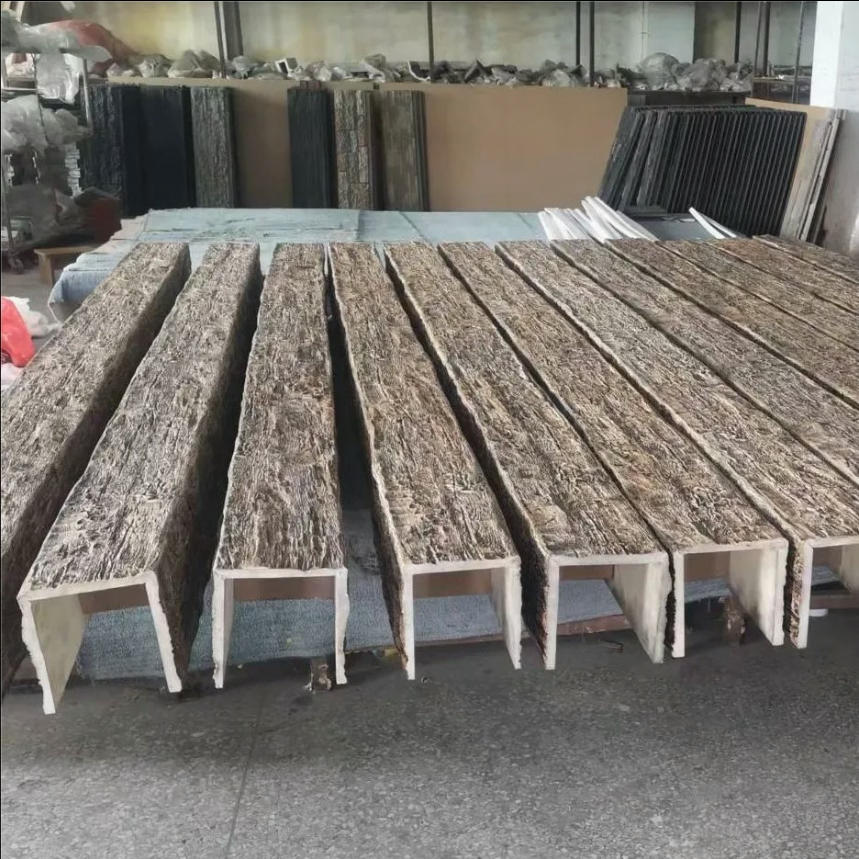
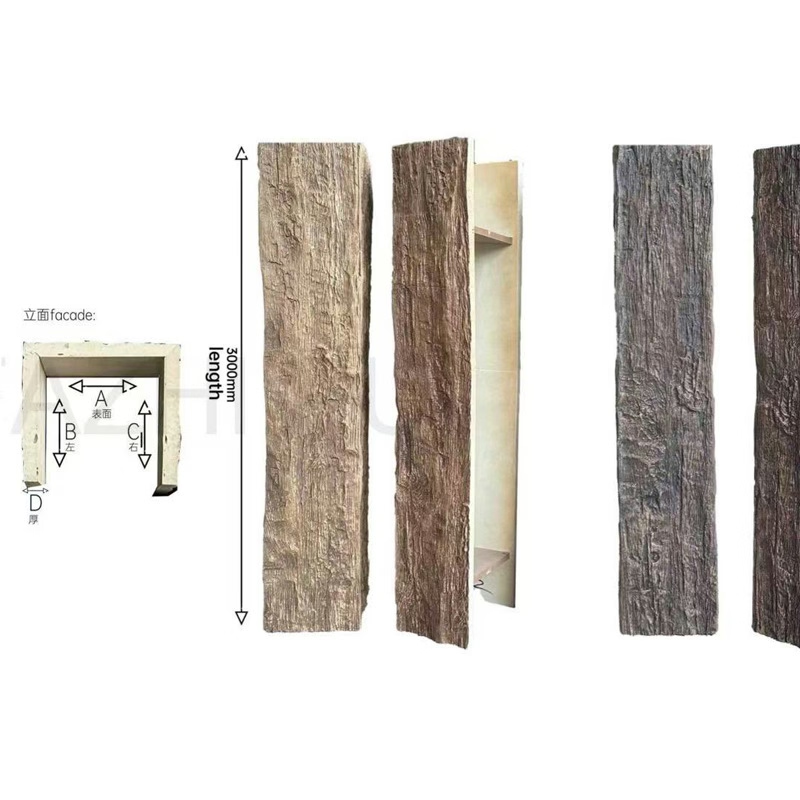
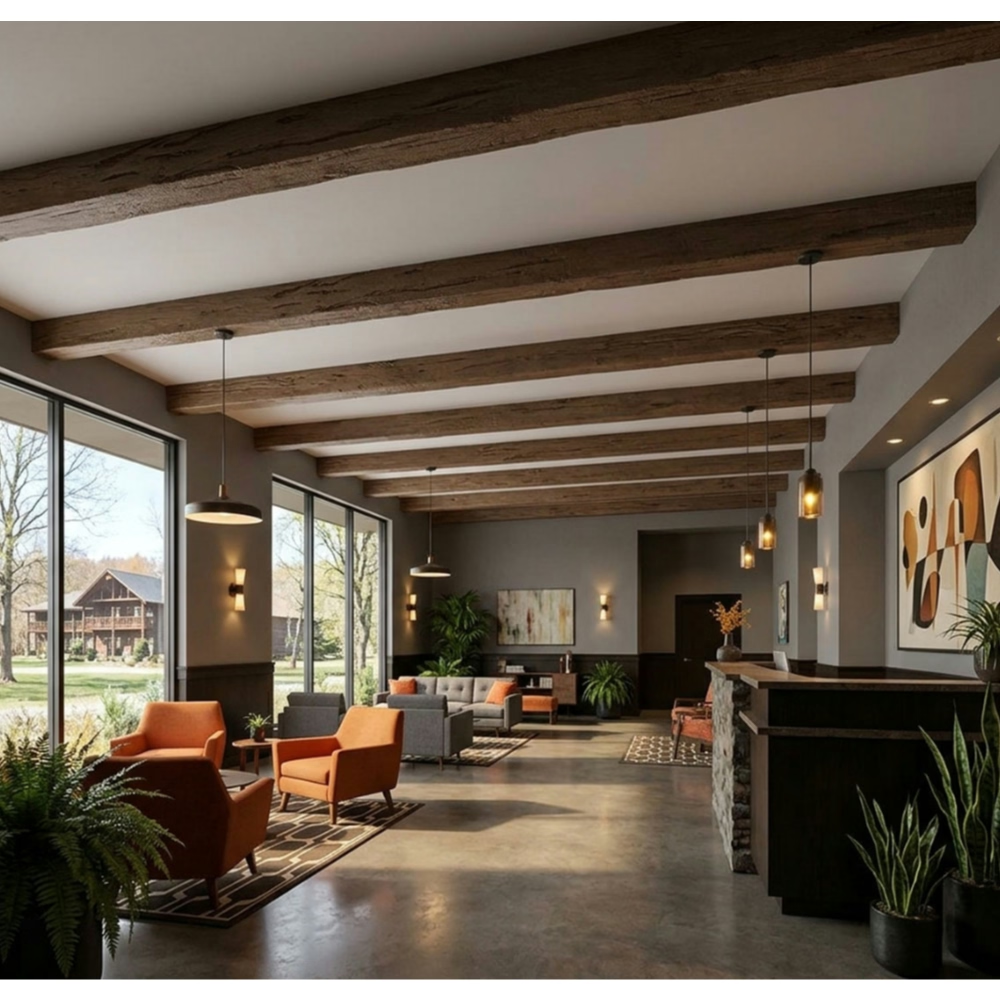
American construction operates in imperial measurements, with rooms and ceilings sized in feet and inches. The 8-foot, 10-foot, and 12-foot beam lengths align naturally with typical US residential and commercial ceiling dimensions. Together, these three standard sizes cover the vast majority of American beam applications without requiring custom lengths or visible splices.
Distributors serving US markets prioritize these three lengths because demand concentrates here. Stock levels remain highest, lead times stay shortest, and pricing stays most competitive. For projects operating within standard US construction parameters, specifying from these three lengths simplifies procurement and reduces project complexity.
Why these three lengths dominate US markets
Several factors concentrate demand at these specific lengths:
Standard room dimensions — most US rooms fall within 8 to 12 feet on the beam axis
Construction standardization — American building practices favor dimensions compatible with these lengths
Inventory efficiency — distributors concentrate stock at high-demand lengths
Pricing advantage — higher volume at standard lengths drives competitive pricing
Installation familiarity — contractors are most experienced with these common lengths
These factors make 8, 10, and 12-foot beams the practical default for US projects.
Length-specific applications
Each standard length serves specific US construction scenarios:
8-foot beams
Coverage for standard room dimensions:
- Most bedrooms (under 12 feet wide)
- Standard living rooms
- Dining rooms
- Home offices
- Most residential room widths
8-foot is the residential workhorse length.
10-foot beams
Coverage for extended residential dimensions:
- Larger living rooms
- Open-plan kitchen-family combinations
- Master bedroom suites
- Bonus rooms
- Larger residential spaces
10-foot handles extended residential dimensions.
12-foot beams
Coverage for spacious and commercial applications:
- Great rooms
- Large open-plan spaces
- Small commercial dining
- Conference rooms
- Spacious residential applications
12-foot serves larger residential and smaller commercial applications.
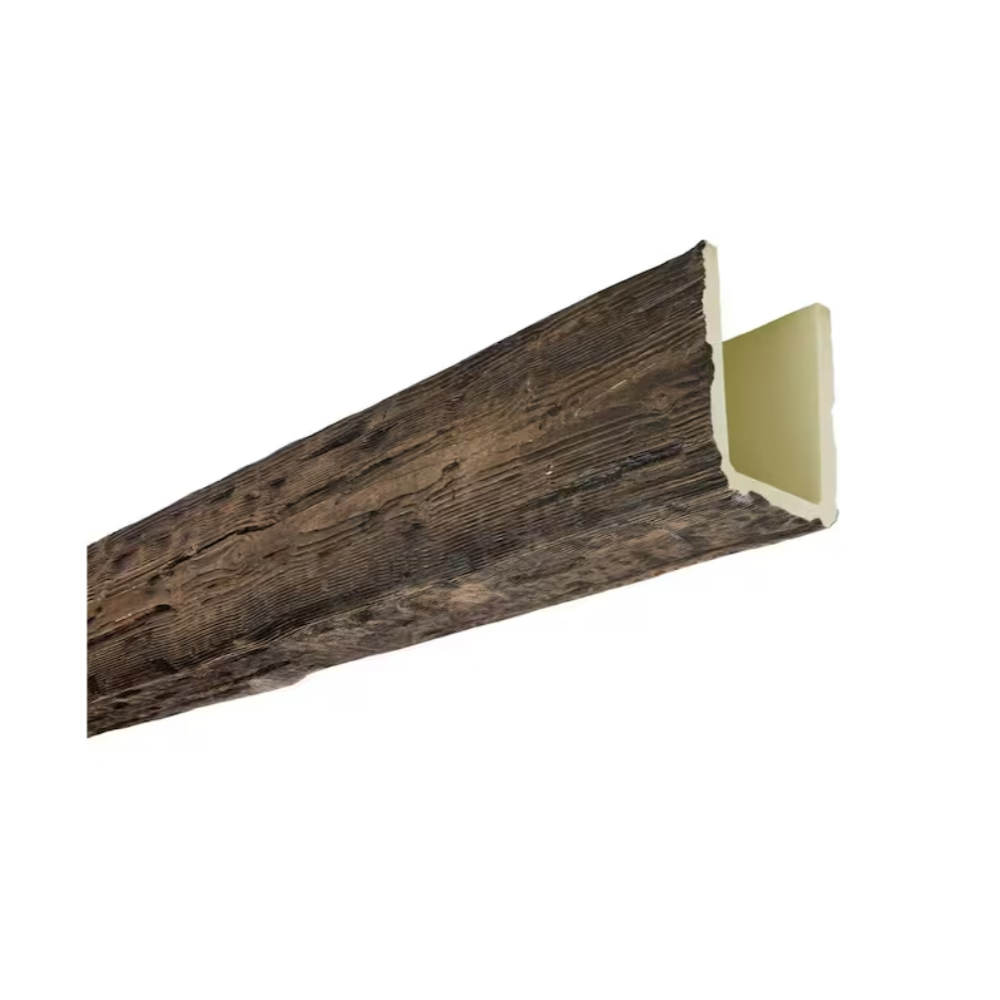
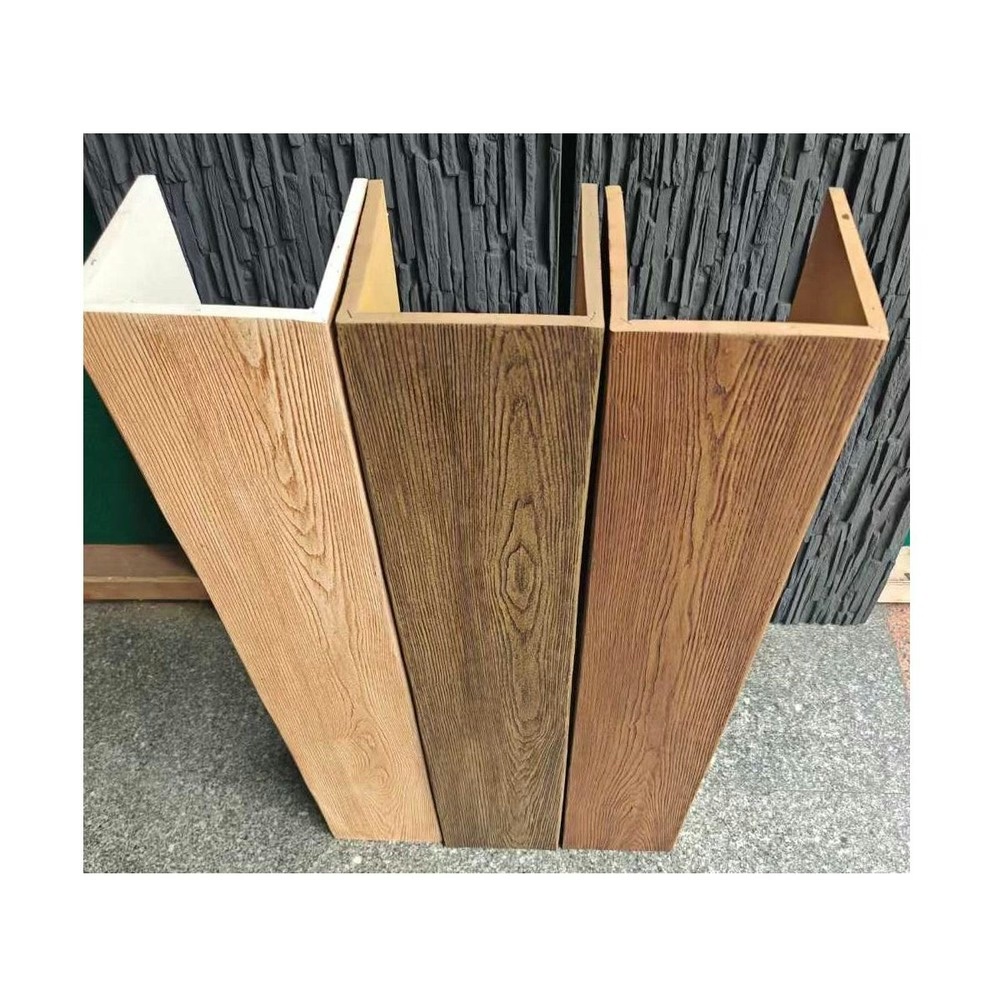
US market specifications
Standard size beam specifications for US markets:
| Length | Common Profile | Hollow Weight Range |
|---|---|---|
| 8 ft | 6x6 | 5-8 lbs |
| 8 ft | 8x8 | 7-13 lbs |
| 10 ft | 6x6 | 7-10 lbs |
| 10 ft | 8x8 | 10-15 lbs |
| 12 ft | 6x6 | 10-13 lbs |
| 12 ft | 8x8 | 14-20 lbs |
Standard profiles and weights vary by specification.
US construction compatibility
Standard sizes align with US construction:
Ceiling joist spacing
Standard 16 or 24-inch joist spacing accommodates:
- Standard beam mounting methods
- Standard fastener patterns
- Standard blocking requirements
- Standard structural expectations
US joist spacing works with standard beam installation.
Standard room dimensions
US residential rooms typically measure:
- Bedrooms: 10-14 feet on short axis
- Living rooms: 12-16 feet
- Dining rooms: 10-14 feet
- Family rooms: 12-18 feet
Standard sizes handle typical US room dimensions.
Doorway and hallway clearances
US standard doorways (32-36 inches) and hallways accommodate:
- 8-foot beams at standard angles
- 10-foot beams with careful handling
- 12-foot beams with appropriate planning
Standard construction access supports standard beam lengths.
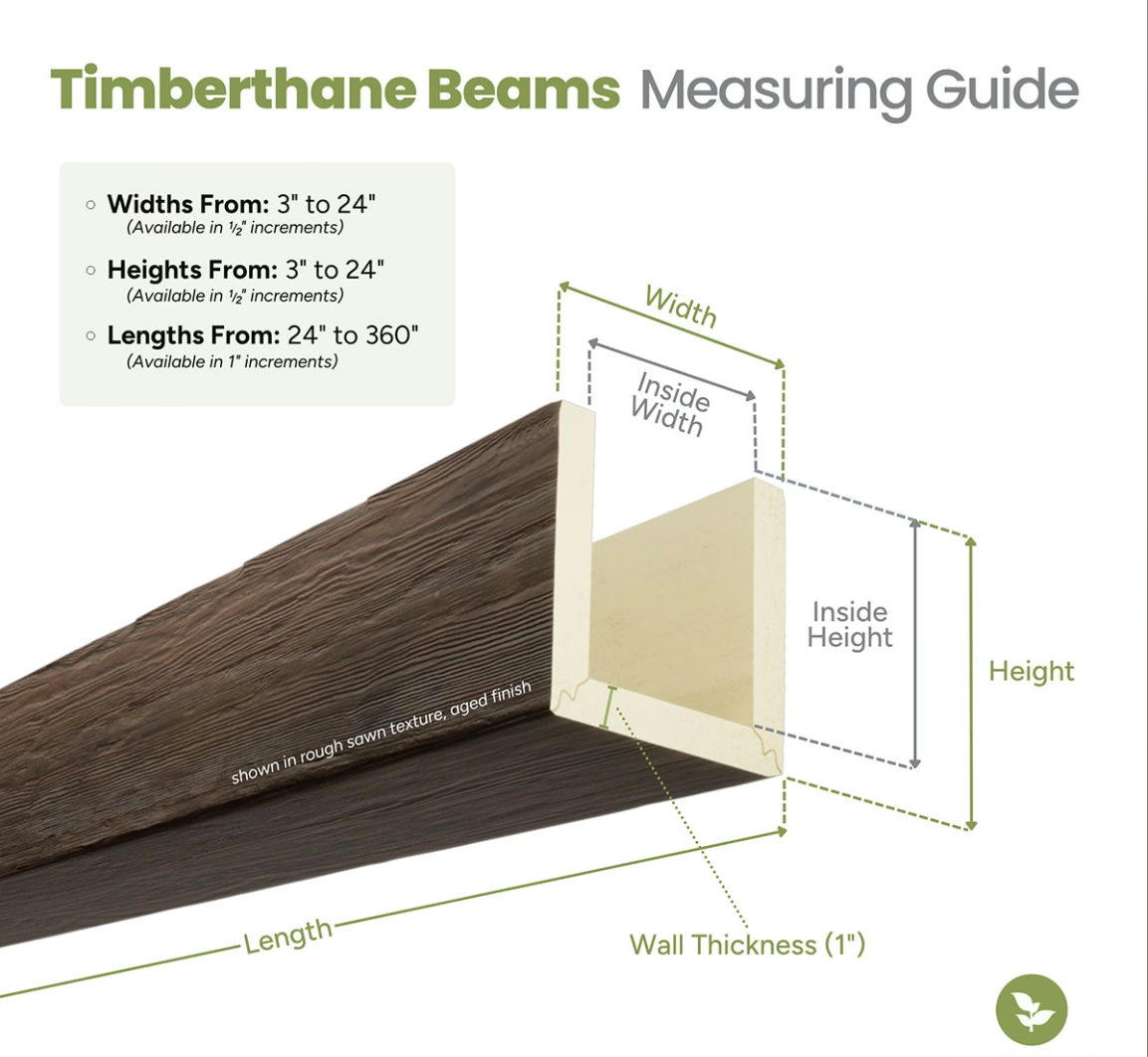
Profile options at standard lengths
Common US profile combinations:
8-foot profile options
Standard residential profiles:
- 4x4, 4x6, 6x6 most common
- 6x8, 8x8 for substantial applications
- Compact profiles for first-time projects
- Larger profiles for bold treatments
8-foot offers widest profile variety.
10-foot profile options
Standard extended residential profiles:
- 6x6, 6x8 most popular
- 8x8 for premium presence
- Limited need for very compact profiles
- Larger profiles for substantial applications
10-foot focuses on medium profiles.
12-foot profile options
Standard larger residential and light commercial:
- 6x8, 8x8 most popular
- 8x10 for premium presence
- 10x10 for substantial applications
- Smaller profiles less common at this length
12-foot typically uses substantial profiles.
US market procurement advantages
Standard size procurement offers specific advantages:
Inventory availability — highest stock levels across distributors
Lead time minimization — same-day or next-day pickup common
Pricing competitiveness — volume pricing drives lowest per-unit costs
Replacement availability — future repairs find immediate stock
Multiple supplier options — competitive bidding possible
These advantages support efficient US project procurement.
US market pricing patterns
Standard size pricing reflects competitive positioning:
8-foot beams — typically lowest per-linear-foot pricing due to highest volume
10-foot beams — moderate pricing, slightly higher than 8-foot
12-foot beams — higher per-linear-foot pricing reflecting longer length handling
Profile pricing — larger profiles command higher prices regardless of length
Pricing patterns favor the most common specifications.
US code and standard considerations
Standard size beams typically meet US code requirements:
Fire ratings — standard formulations meet typical residential requirements
Load specifications — standard capacities meet typical ceiling loading
Material standards — standard specifications comply with US building codes
Installation standards — standard methods meet code requirements
Standard sizes typically require no special code considerations.
When standard sizes aren't sufficient
Some US projects require non-standard specifications:
Larger great rooms — rooms exceeding 12 feet may need 14+ foot beams
Commercial applications — larger commercial spaces may need longer beams
Custom room dimensions — unusual room sizes may require custom lengths
Premium specifications — high-end projects may specify premium textures regardless of standard sizing
Special aesthetic requirements — projects requiring non-standard beam expressions
For these situations, longer or custom specifications address the requirements.
US market specification efficiency
8ft 10ft 12ft standard size PU faux beams for US residential and commercial markets represent the practical specification choices for typical American construction. The combination of standard length alignment with US room dimensions, competitive pricing, wide availability, and installation familiarity makes these three lengths the appropriate specifications for most US beam projects. When projects operate within standard US construction parameters, these three lengths deliver appropriate results.
Specify from the 8, 10, and 12-foot standard sizes for US projects operating within typical residential and commercial dimensions.
Technical References
ASTM standards cited in every specification
Test Data
Lab results from internal testing program
Updated 2026
Reviewed against current product specs