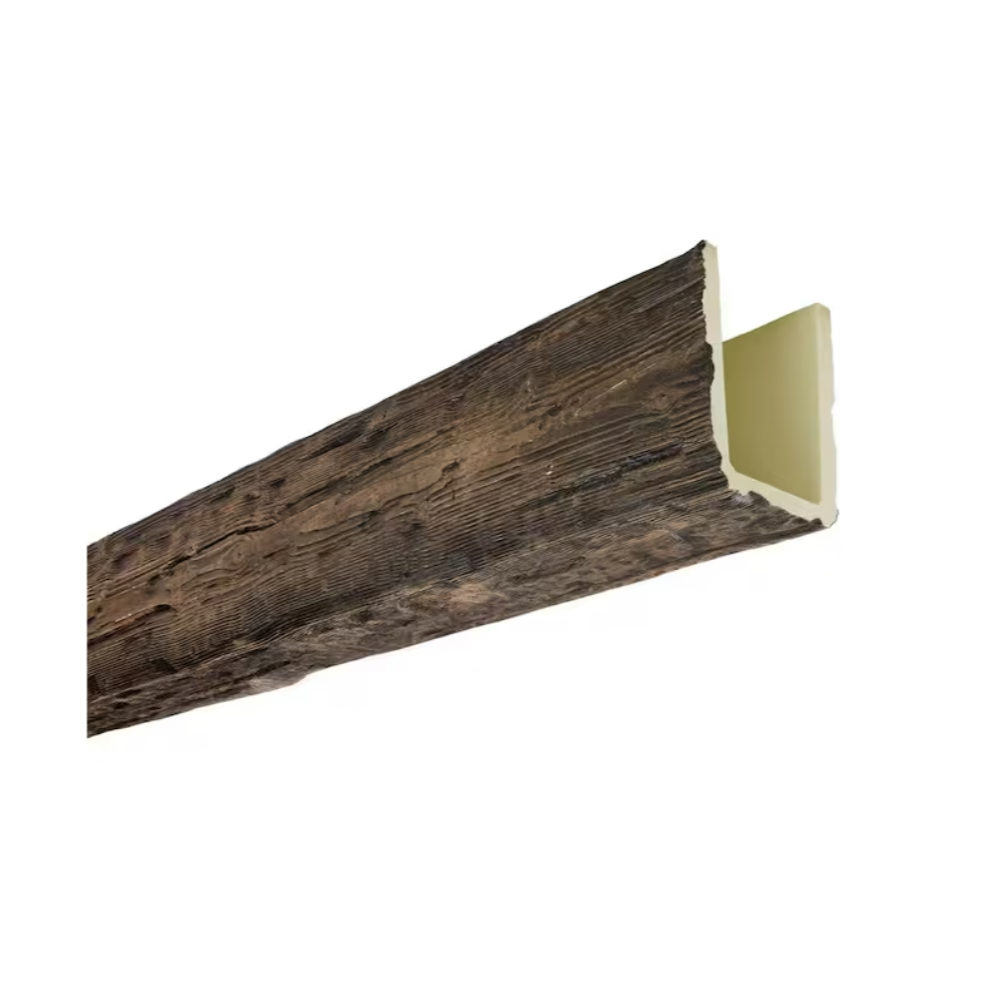
Architectural Polyurethane Faux Wood Beams for Homes
Interior Installation: fauxwoodbeams 010
Architect Firm newsletter Perspective
Firms that specify architectural elements tend to develop opinions. After twenty-plus years of specifying beams for residential projects ranging from 800-square-foot condos to 14,000-square-foot estates, our specification for residential architectural beams has narrowed considerably. We've dropped six manufacturers, kept two, and added one. Here's the current thinking from our specification committee, which includes two principals, our materials researcher, and our senior project architect.
Faux Wood Beam Installation
Firms that specify architectural elements tend to develop opinions. After twenty-plus years of specifying beams for residential projects ranging from 800-square-foot condos to 14,000-square-foot estates, our specification for residential architectural beams has narrowed considerably. We've dropped six manufacturers, kept two, and added one. Here's the current thinking from our specification committee, which includes two principals, our materials researcher, and our senior project architect.
writingStyle
architect-firm newsletter
Why We Eliminated the Others
One manufacturer had great-looking samples but the field production didn't match - the texture was shallower and the color was inconsistent between batches. Another used a soy-based resin system that we love philosophically but which couldn't pass our UV aging test. A third made beautiful products but had a six-month lead time on custom colors, which doesn't work for our project schedules. A fourth had quality control issues that showed up as visible seam lines on longer pieces. These are all good companies making good products; they're just not the right fit for what our clients expect.
How Specifiers Evaluate Products
When we evaluate a new manufacturer or product line, we ask for three things: production samples (not showroom samples - actual production run output), a reference project we can visit or photograph, and direct access to a technical contact who can answer questions about material composition. We don't evaluate based on website photos or marketing claims. We've been burned too many times by samples that didn't represent production reality. Any manufacturer who's confident in their quality should be willing to send production samples.
Common Specification Errors
Three errors we see repeatedly in construction documents. First, specifying 'wood beams' without clarifying whether the contractor can substitute faux products - some clients want real wood and won't accept substitution, others prefer faux but the spec leaves no allowance. Second, specifying dimensions that don't account for the proportions needed to look architecturally correct - a 3-inch tall beam looks like a stick regardless of length. Third, failing to specify the mounting method clearly enough, which leads to field improvisation that may not meet the design intent. Clear specs save money and reduce RFIs during construction.
Current Specification
Frequently Asked Questions
Are faux wood beams realistic looking?
Yes, our faux wood beams feature hand-carved textures and multi-step finishing that captures every detail of authentic aged wood. Most people cannot tell the difference.
How much do these beams weigh?
Our faux wood beams are approximately 88% lighter than real wood. A typical 8-foot beam weighs only 10-15 pounds, making DIY installation easy.
Can I install these outdoors?
Yes, we offer outdoor-rated faux wood beams that are UV-resistant and waterproof, perfect for covered patios and porches.
How do I get a quote?
Click the "Get Inspired - Contact Us" button above. We typically respond within 2-4 hours with pricing tailored to your project.