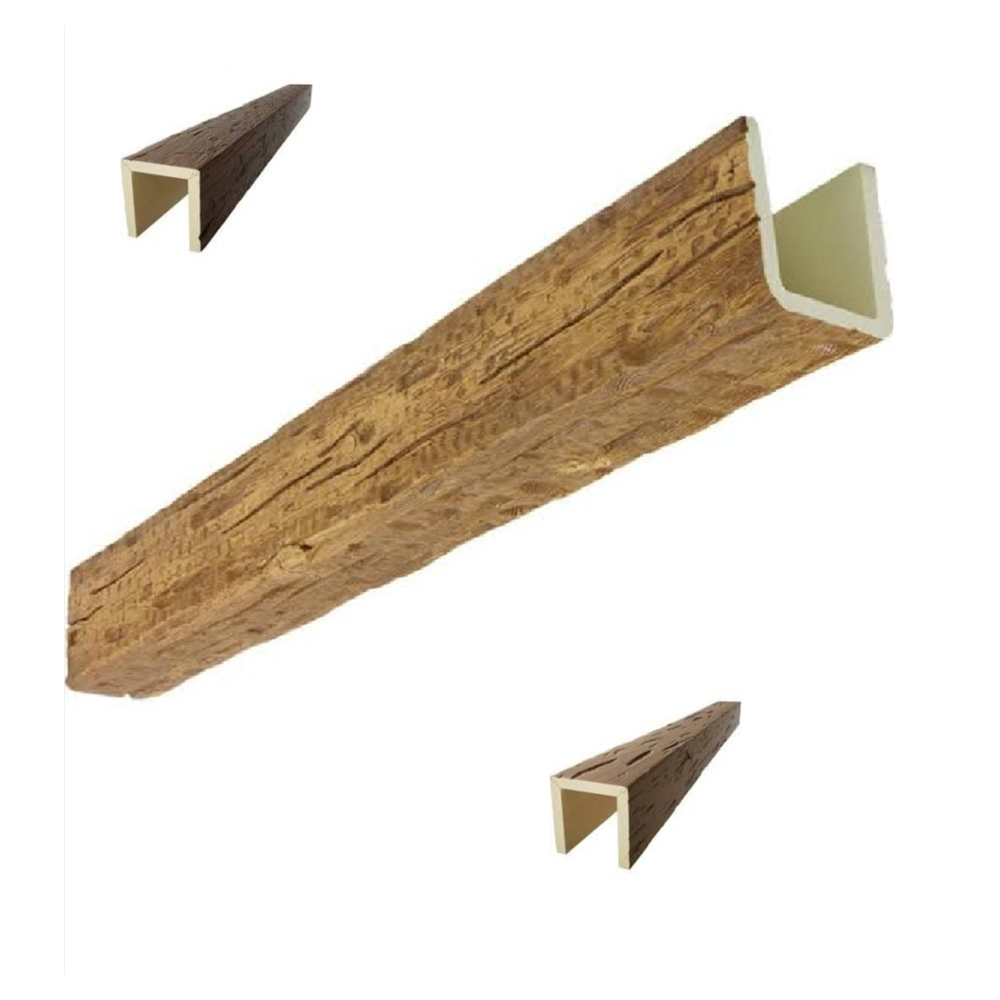
Classic Rustic Polyurethane Faux Wood Beams
Interior Installation: fauxwoodbeams 013
Historical Restoration craftsperson Perspective
I've spent eighteen years restoring timber-frame barns in Vermont and upstate New York. Real barns, with real hand-hewn beams, some dating back to the 1830s. The skillset translates directly to the residential work we do with classic rustic polyurethane profiles, because the customers who want this look are usually trying to recreate the feeling of those barns in their new homes. The difference is that we don't have to source historic timber (which is increasingly expensive and environmentally complicated), and we can deliver consistent quality at scale. But the design intent stays the same: a beam should look like it was cut, weathered, and installed before the house was finished.
Faux Wood Beam Installation
I've spent eighteen years restoring timber-frame barns in Vermont and upstate New York. Real barns, with real hand-hewn beams, some dating back to the 1830s. The skillset translates directly to the residential work we do with classic rustic polyurethane profiles, because the customers who want this look are usually trying to recreate the feeling of those barns in their new homes. The difference is that we don't have to source historic timber (which is increasingly expensive and environmentally complicated), and we can deliver consistent quality at scale. But the design intent stays the same: a beam should look like it was cut, weathered, and installed before the house was finished.
writingStyle
historical-restoration craftsperson
What Classic Rustic Means in PU
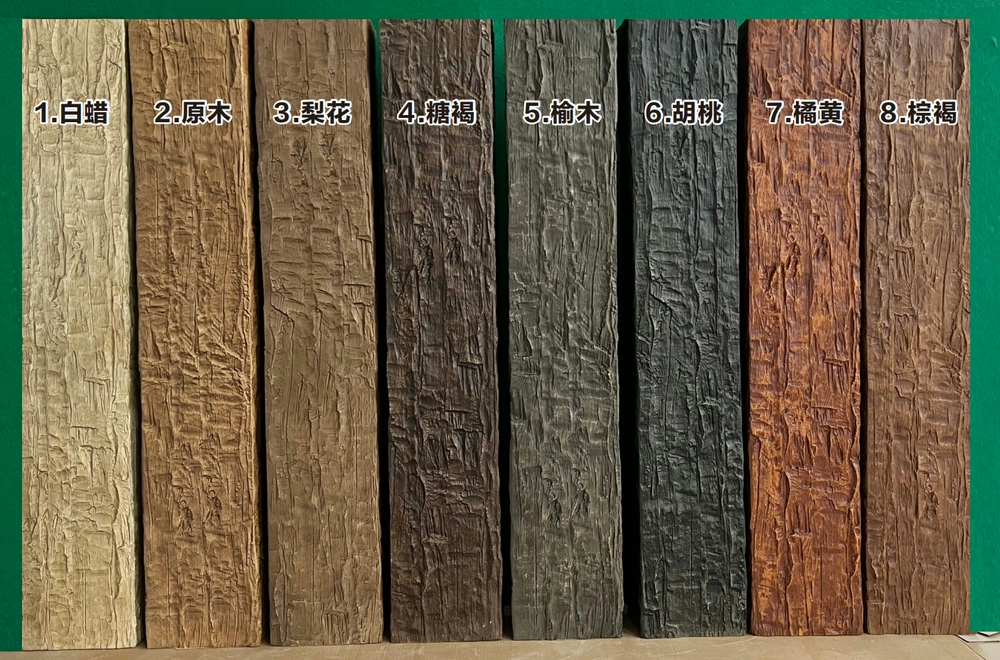
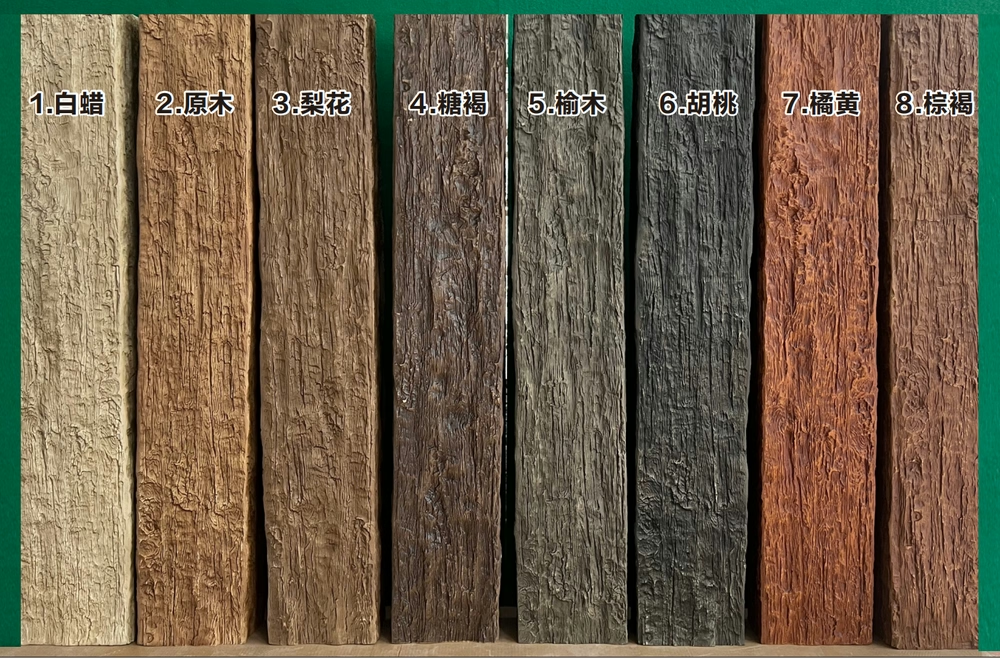
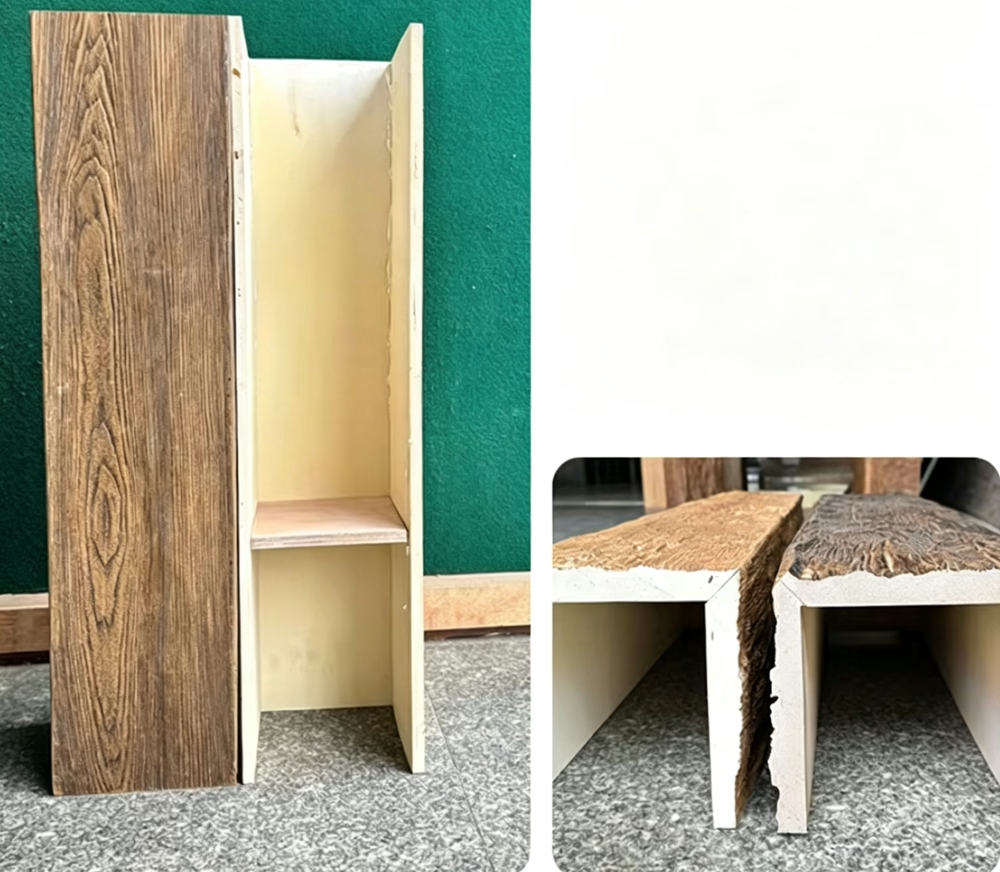
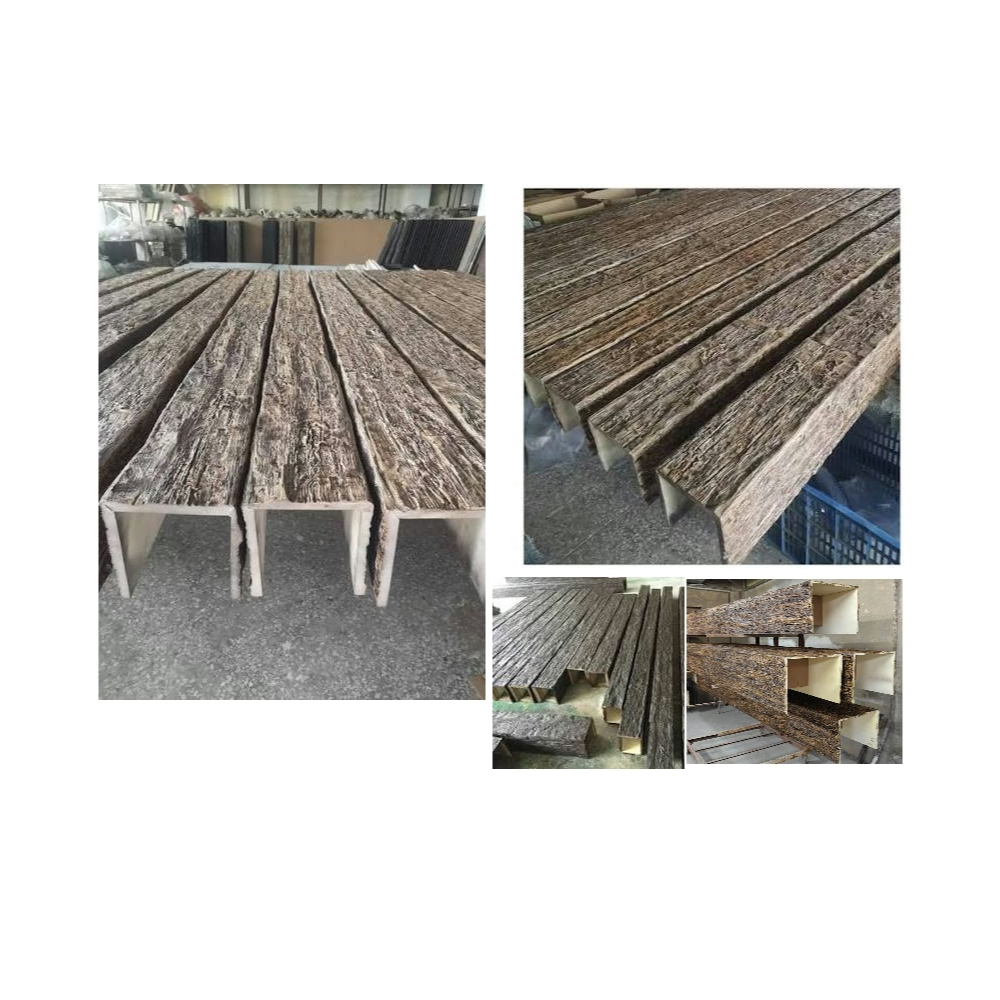
When we developed our classic rustic line, we studied original barn beams for two years - measuring surface profiles, photographing texture under various light conditions, and talking to timber framers about how each mark was made. The result is a profile that reads as authentic without being a specific replica of any one barn. It has the irregularity of hand-hewn work, the depth of grain that comes from riving rather than sawing, and the slight asymmetry that tells your eye it's not machine-perfect. It's not a forgery - it's an homage.
Appropriate Applications
The classic rustic profile works in homes that are trying to evoke early American architecture, farmhouse styles, or craftsman bungalow aesthetics. It also works surprisingly well as a contrast element in more modern spaces - one rough-hewn beam in an otherwise minimalist room creates a focal point that anchors the design. What it doesn't do is read well in formal traditional spaces - if the home has Federal or Georgian detailing with refined plasterwork, the rustic beam will look out of place. Match the beam texture to the architectural era you're evoking.
Lessons from Restoration
Working on actual historic structures taught me three things that inform every product decision. First, real timber beams are never perfectly straight - they curve, twist, and taper slightly along their length. A perfectly straight 'rustic' beam always looks wrong. Second, the weathering pattern on real beams is directional - more pronounced on exposed faces, less on protected sides. Our faux beams have similar directional variation, which is why they look natural. Third, real beams are almost never uniform in cross-section - they were hand-cut, not machined. The slight variation in width and depth is part of the visual language.
Historical Context
Frequently Asked Questions
Are faux wood beams realistic looking?
Yes, our faux wood beams feature hand-carved textures and multi-step finishing that captures every detail of authentic aged wood. Most people cannot tell the difference.
How much do these beams weigh?
Our faux wood beams are approximately 88% lighter than real wood. A typical 8-foot beam weighs only 10-15 pounds, making DIY installation easy.
Can I install these outdoors?
Yes, we offer outdoor-rated faux wood beams that are UV-resistant and waterproof, perfect for covered patios and porches.
How do I get a quote?
Click the "Get Inspired - Contact Us" button above. We typically respond within 2-4 hours with pricing tailored to your project.