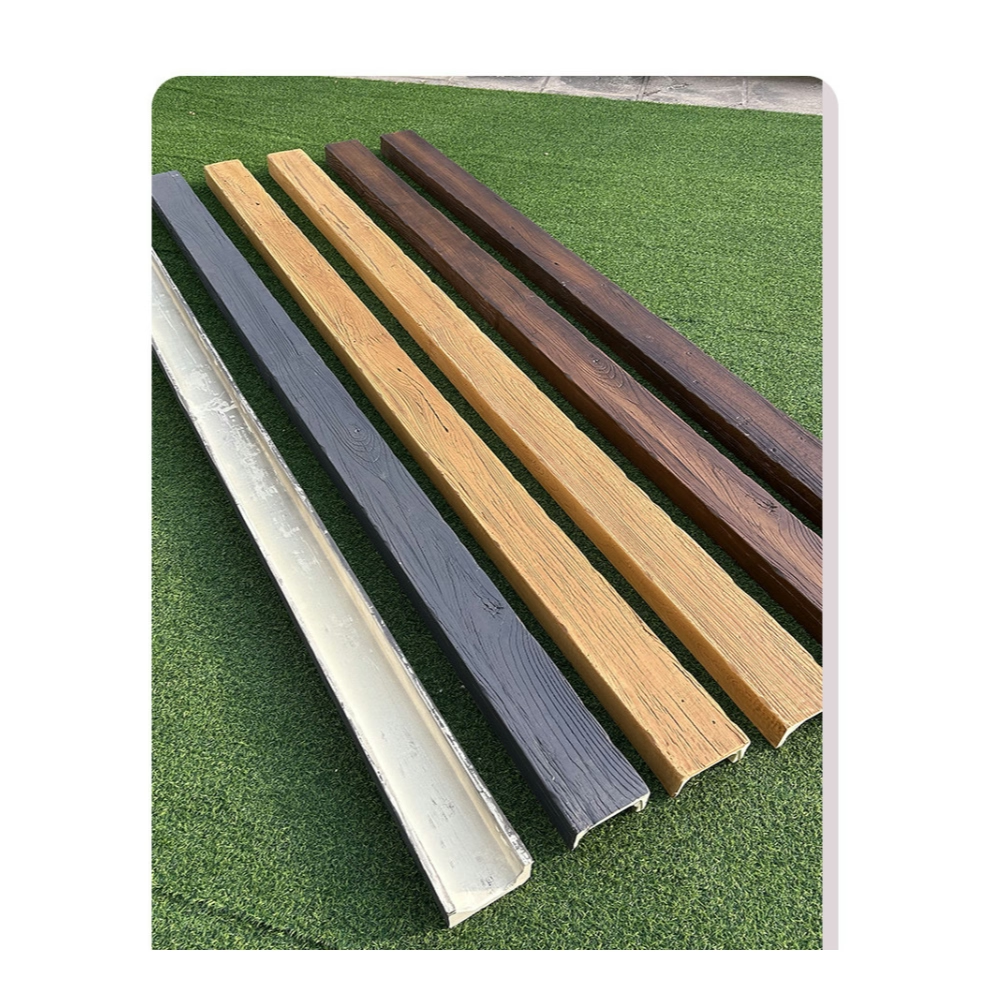
Light Oak Look Polyurethane Faux Wood Ceiling Beams
Interior Installation: fauxwoodbeams 020
Lighting Designer color Perception Perspective
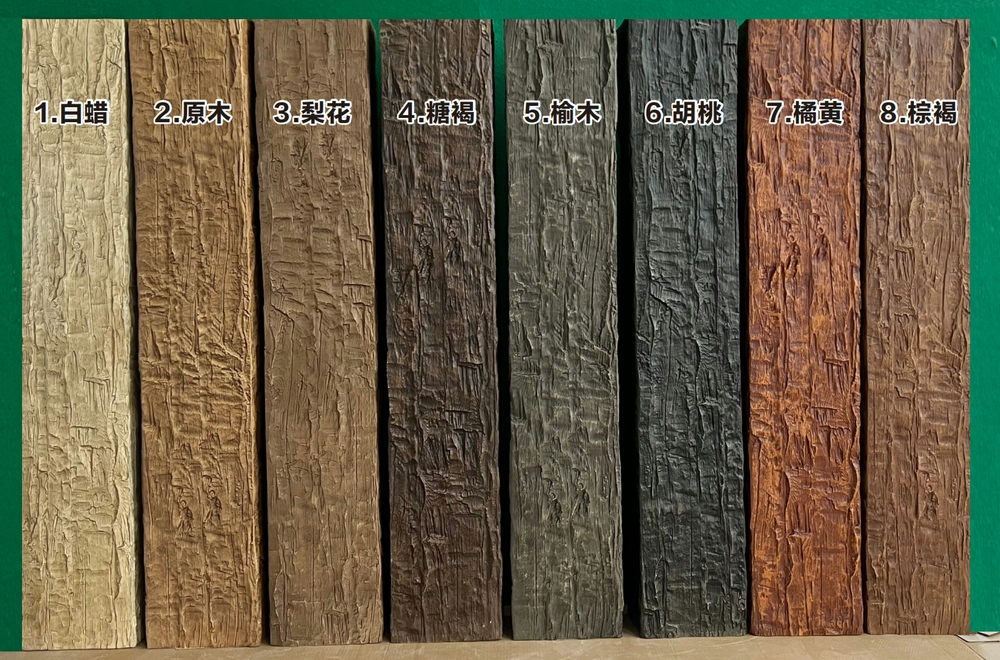
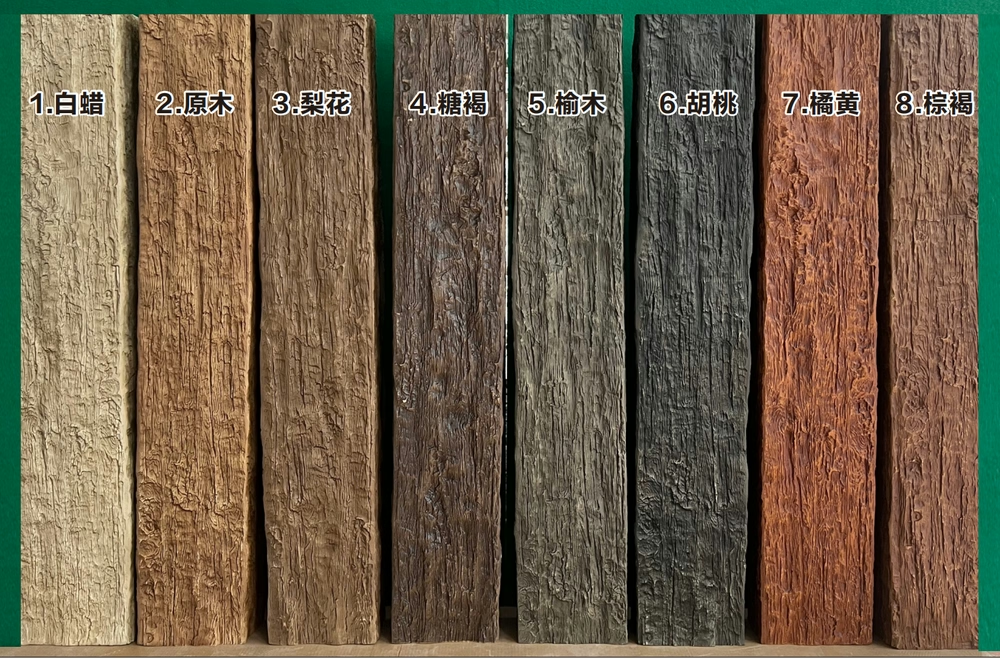
Light oak is one of the most deceptively simple finishes to specify. In a showroom under fluorescent lights, a light oak sample looks pale and clean - the kind of finish that would brighten any space. Then the homeowner installs it under their own warm-dimmed LED lighting and the same beam looks yellow, drab, or washed out. The color of a finish doesn't exist in isolation - it's a relationship between the pigment, the surface, and the light source. Let me explain how to think about light oak so you specify it correctly the first time.
Faux Wood Beam Installation
Light oak is one of the most deceptively simple finishes to specify. In a showroom under fluorescent lights, a light oak sample looks pale and clean - the kind of finish that would brighten any space. Then the homeowner installs it under their own warm-dimmed LED lighting and the same beam looks yellow, drab, or washed out. The color of a finish doesn't exist in isolation - it's a relationship between the pigment, the surface, and the light source. Let me explain how to think about light oak so you specify it correctly the first time.
writingStyle
lighting-designer color-perception
Pairing With Other Materials
Light oak pairs beautifully with white oak flooring (if you're trying to match), pale gray walls (creates a sophisticated Scandinavian feel), brushed nickel hardware (cooler tones balance the warm oak), and natural linen textiles (creates a soft tonal palette). It pairs less well with red-toned woods (creates color clash), with orange-leaning wall colors (combines to look muddy), and with dark espresso furniture (too much contrast for most designs).
Color Science
Frequently Asked Questions
Are faux wood beams realistic looking?
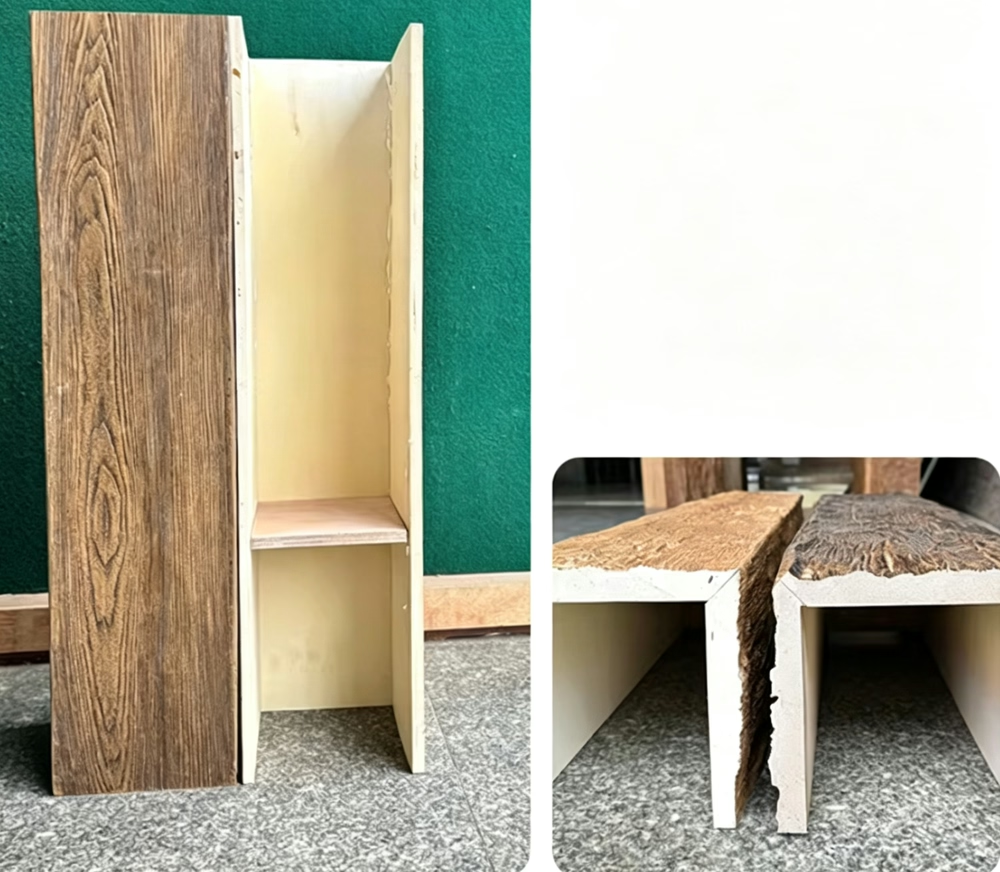
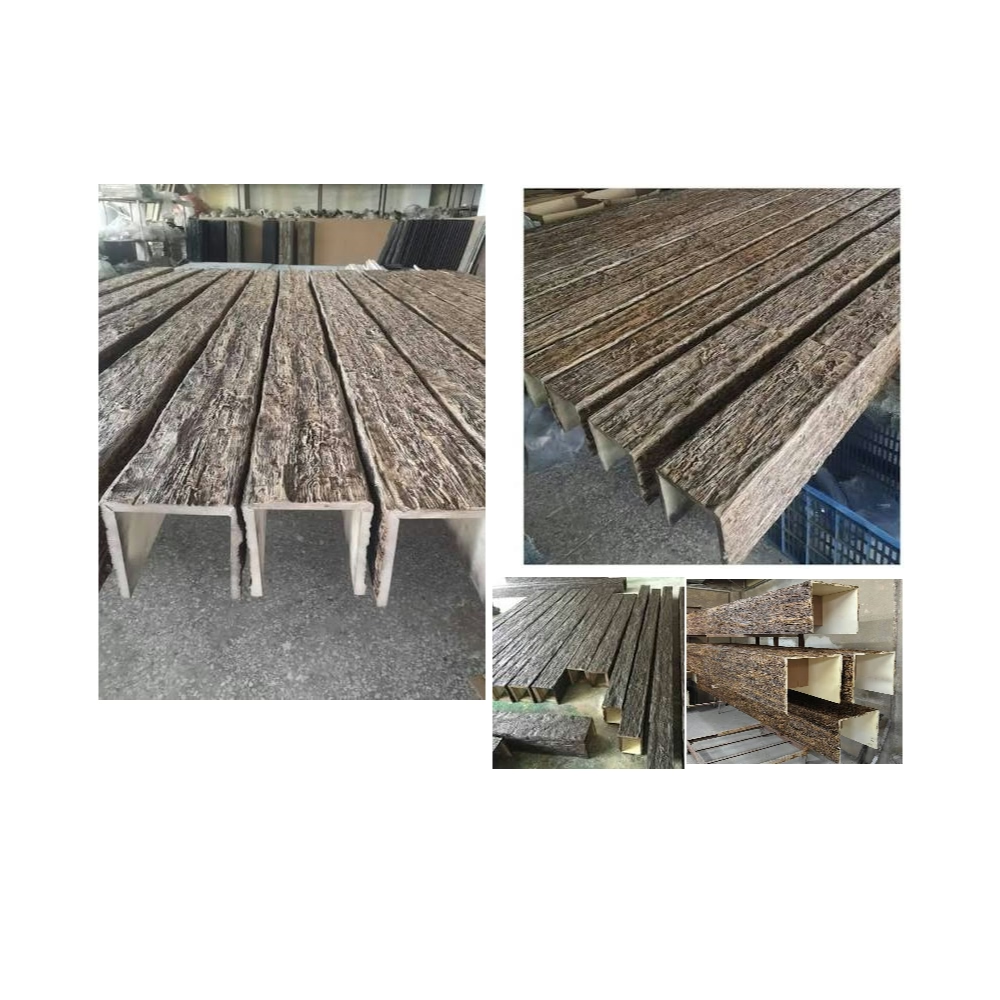
Yes, our faux wood beams feature hand-carved textures and multi-step finishing that captures every detail of authentic aged wood. Most people cannot tell the difference.
How much do these beams weigh?
Our faux wood beams are approximately 88% lighter than real wood. A typical 8-foot beam weighs only 10-15 pounds, making DIY installation easy.
Can I install these outdoors?
Yes, we offer outdoor-rated faux wood beams that are UV-resistant and waterproof, perfect for covered patios and porches.
How do I get a quote?
Click the "Get Inspired - Contact Us" button above. We typically respond within 2-4 hours with pricing tailored to your project.