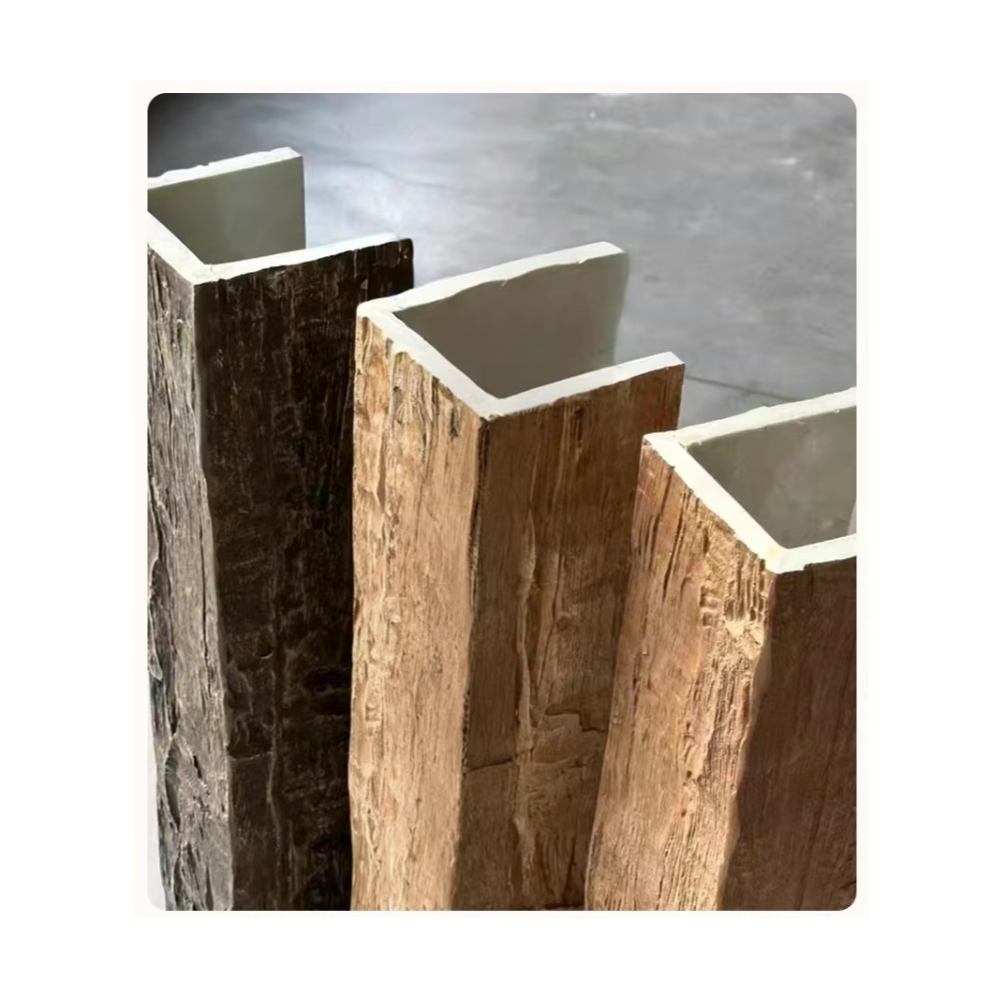
Rough Sawn Style Polyurethane Faux Wood Beams
Interior Installation: fauxwoodbeams 022
Lumber Mill historical narrative Perspective
Rough sawn lumber tells the story of how wood was cut before modern milling. The distinctive texture comes from circular saw blades that left irregular patterns on the wood surface - each blade had its own character based on sharpness, tooth count, and feed speed. A beam from a 1920s sawmill looks different from a beam from a 1960s sawmill because the saws were different. Modern rough sawn polyurethane captures the look of that earlier era when wood moved through mills at slower speeds and the sawyers weren't trying to make every board look identical. Here's why rough sawn has become popular again in contemporary design.
Faux Wood Beam Installation
Rough sawn lumber tells the story of how wood was cut before modern milling. The distinctive texture comes from circular saw blades that left irregular patterns on the wood surface - each blade had its own character based on sharpness, tooth count, and feed speed. A beam from a 1920s sawmill looks different from a beam from a 1960s sawmill because the saws were different. Modern rough sawn polyurethane captures the look of that earlier era when wood moved through mills at slower speeds and the sawyers weren't trying to make every board look identical. Here's why rough sawn has become popular again in contemporary design.
writingStyle
lumber-mill historical narrative
Historical Sawmill Operations
Frequently Asked Questions
Are faux wood beams realistic looking?
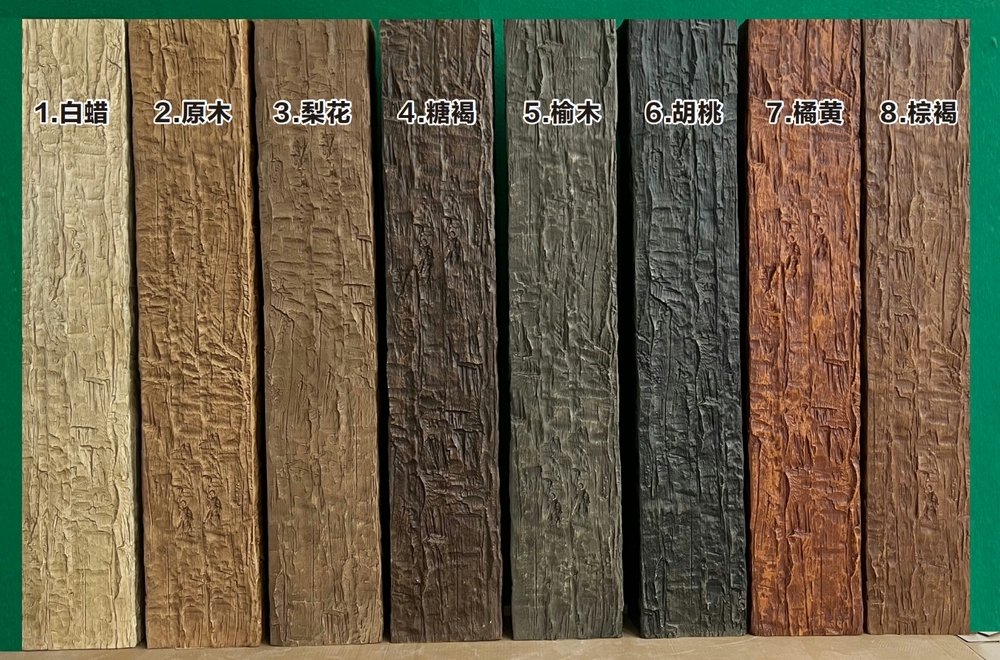
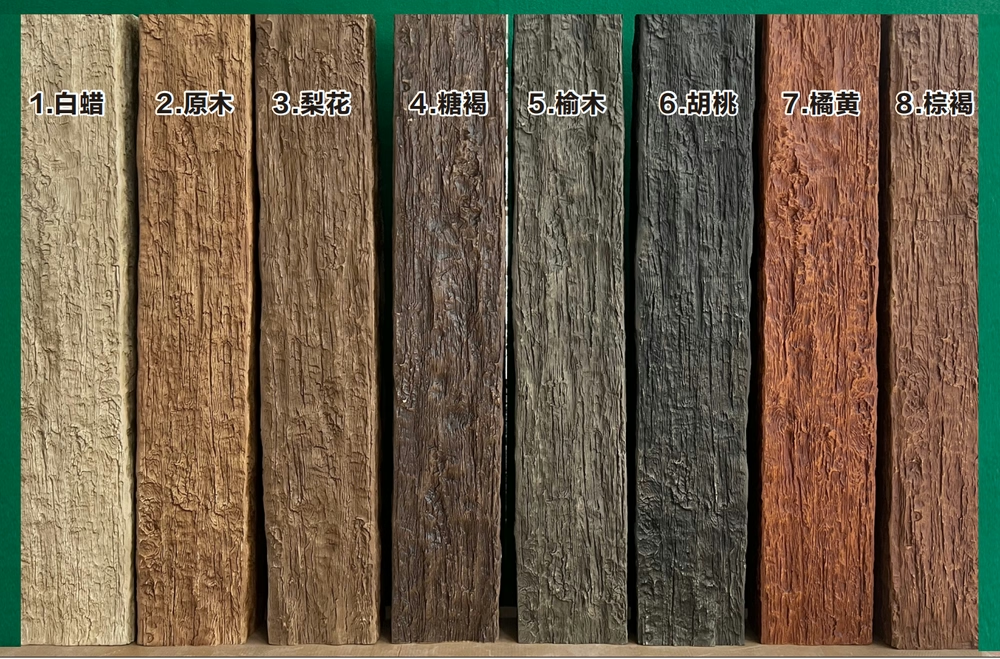
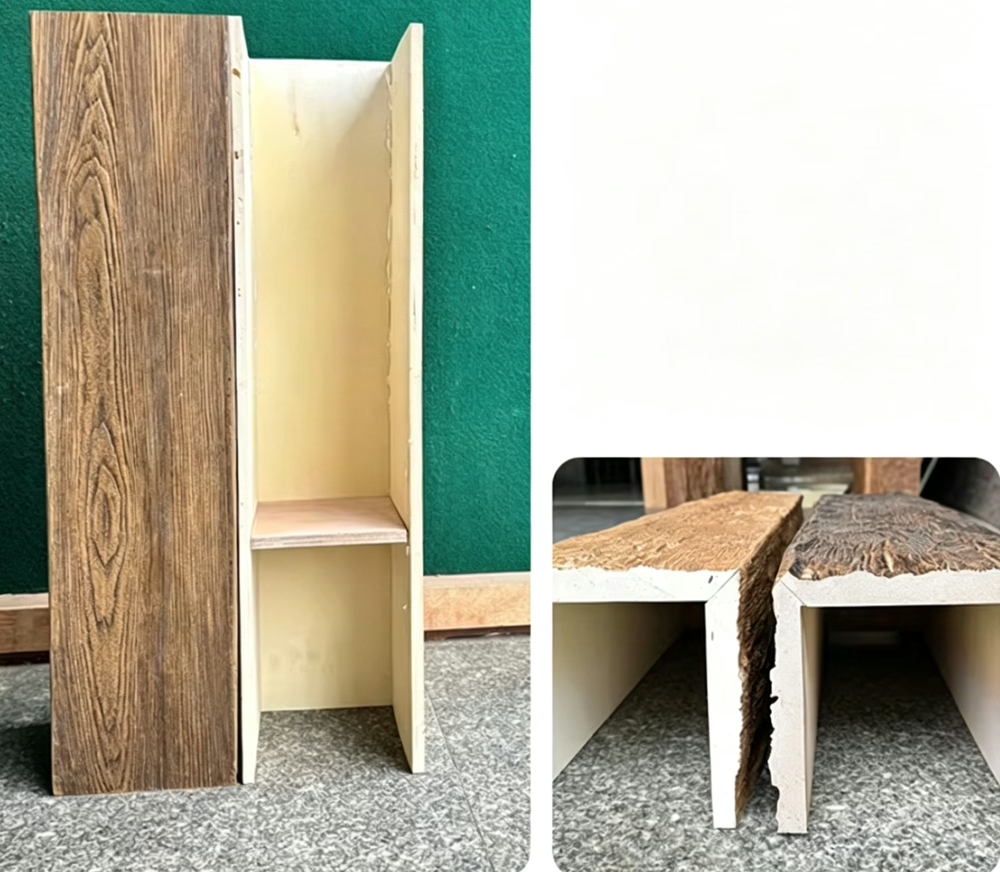
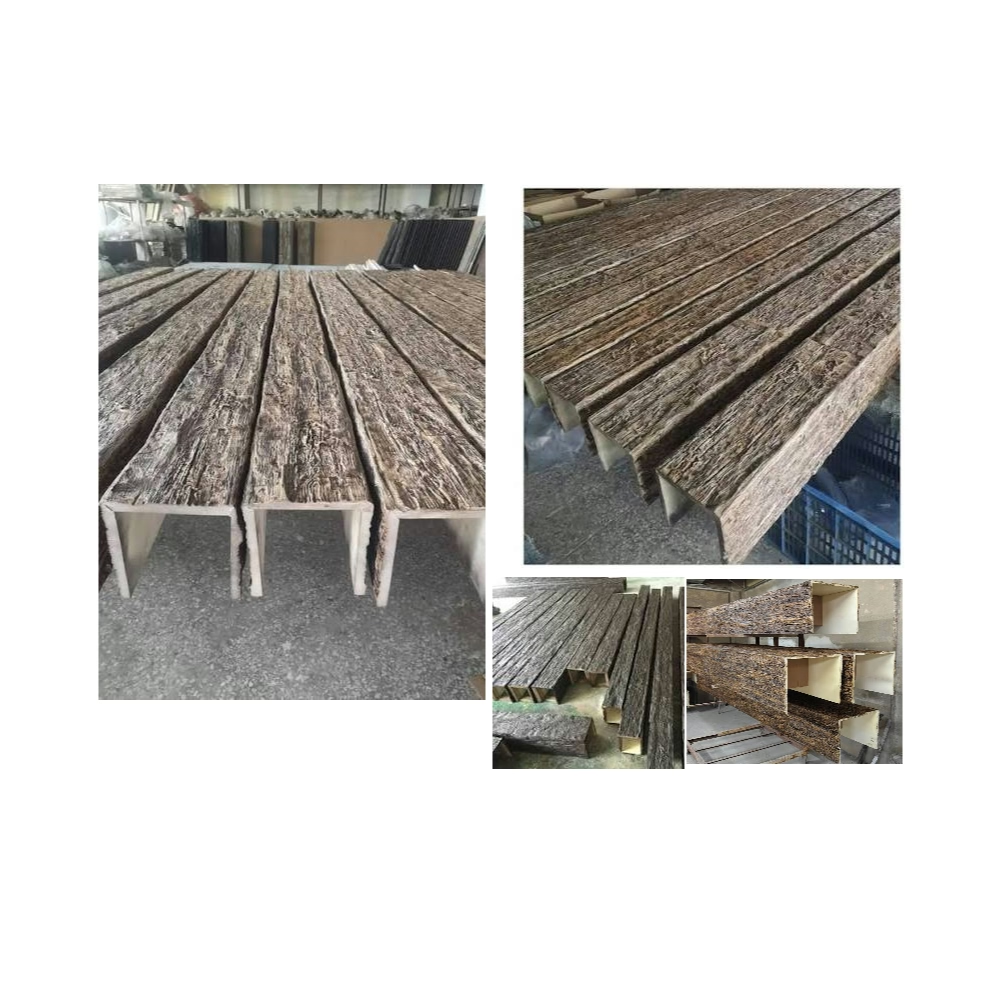
Yes, our faux wood beams feature hand-carved textures and multi-step finishing that captures every detail of authentic aged wood. Most people cannot tell the difference.
How much do these beams weigh?
Our faux wood beams are approximately 88% lighter than real wood. A typical 8-foot beam weighs only 10-15 pounds, making DIY installation easy.
Can I install these outdoors?
Yes, we offer outdoor-rated faux wood beams that are UV-resistant and waterproof, perfect for covered patios and porches.
How do I get a quote?
Click the "Get Inspired - Contact Us" button above. We typically respond within 2-4 hours with pricing tailored to your project.