Living Room Accent Polyurethane Faux Wood Beams
Interior Installation: fauxwoodbeams 026
Family Room Therapist perspective Perspective
A living room is where a family actually lives - where homework happens on the coffee table, where movie nights bring everyone together, where guests are entertained and quiet evenings are spent reading. The ceiling is the part of the room that defines the volume and the acoustics, and the beams are the part of the ceiling that adds character. After helping design living rooms for families with kids, pets, varying ages, and diverse activities, I've developed an approach that prioritizes livability over showpiece impact.
Faux Wood Beam Installation
A living room is where a family actually lives - where homework happens on the coffee table, where movie nights bring everyone together, where guests are entertained and quiet evenings are spent reading. The ceiling is the part of the room that defines the volume and the acoustics, and the beams are the part of the ceiling that adds character. After helping design living rooms for families with kids, pets, varying ages, and diverse activities, I've developed an approach that prioritizes livability over showpiece impact.
writingStyle
family-room-therapist perspective
Beam Height and Family Safety
For a living room where kids play, I typically recommend beams at heights where they're visible but not reachable - usually 9 feet or higher. For rooms with vaulted ceilings, this is automatic. For flat ceilings at standard 8-foot height, the beam will be at head height for adults, which means it's at eye level for toddlers. Consider whether the room will be used as a playroom during early childhood years before committing to a low-mounted beam.
Living Room Arrangements
Three patterns work in living rooms. The single statement beam - one large beam crossing the room at a key architectural point - works in most rooms and is the most versatile. The parallel beam pattern - two or three beams running parallel across the room - works in wider rooms and creates a more architectural feel. The coffered pattern - beams creating a grid with recessed panels between - works in formal living rooms but is rarely appropriate in family living spaces.
Finish Choices
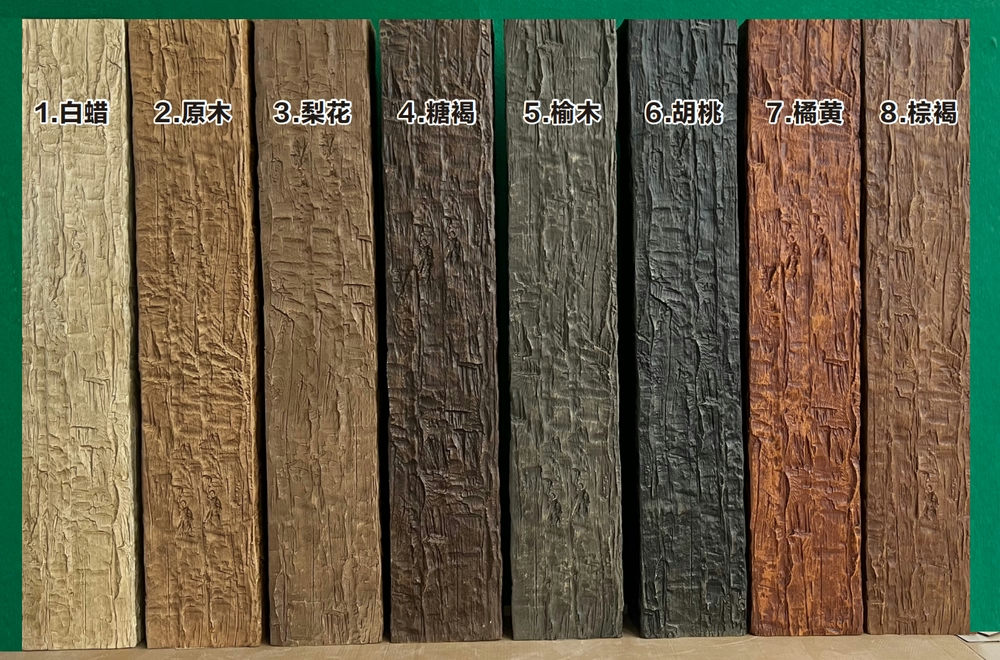
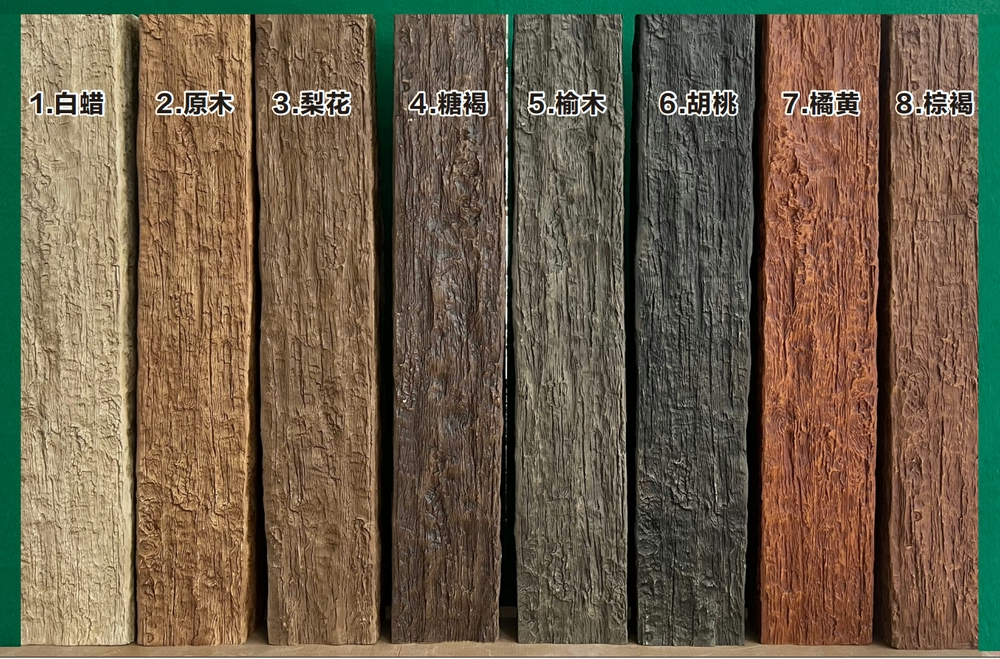
Mid-tone finishes tend to work best in living rooms that see heavy family use. Very dark finishes show dust and water spots too readily. Very light finishes show stains and wear patterns too readily. A medium walnut, oak, or bronze tone hides normal living wear without requiring constant attention. Texture also helps - a slightly textured beam hides minor scuffs that would show clearly on a smooth beam.
Long-term Living
The living room beam should age with the family. A finish that looks perfect on day one will probably still look great in ten years if you choose stable materials and appropriate finishes. The risk is choosing a trend-driven look that dates quickly - and then the beam that was supposed to enhance the room starts to detract from it. Choose finishes and proportions that have stood the test of time in residential design rather than chasing current Pinterest trends.
Livability Principles
Frequently Asked Questions
Are faux wood beams realistic looking?
Yes, our faux wood beams feature hand-carved textures and multi-step finishing that captures every detail of authentic aged wood. Most people cannot tell the difference.
How much do these beams weigh?
Our faux wood beams are approximately 88% lighter than real wood. A typical 8-foot beam weighs only 10-15 pounds, making DIY installation easy.
Can I install these outdoors?
Yes, we offer outdoor-rated faux wood beams that are UV-resistant and waterproof, perfect for covered patios and porches.
How do I get a quote?
Click the "Get Inspired - Contact Us" button above. We typically respond within 2-4 hours with pricing tailored to your project.