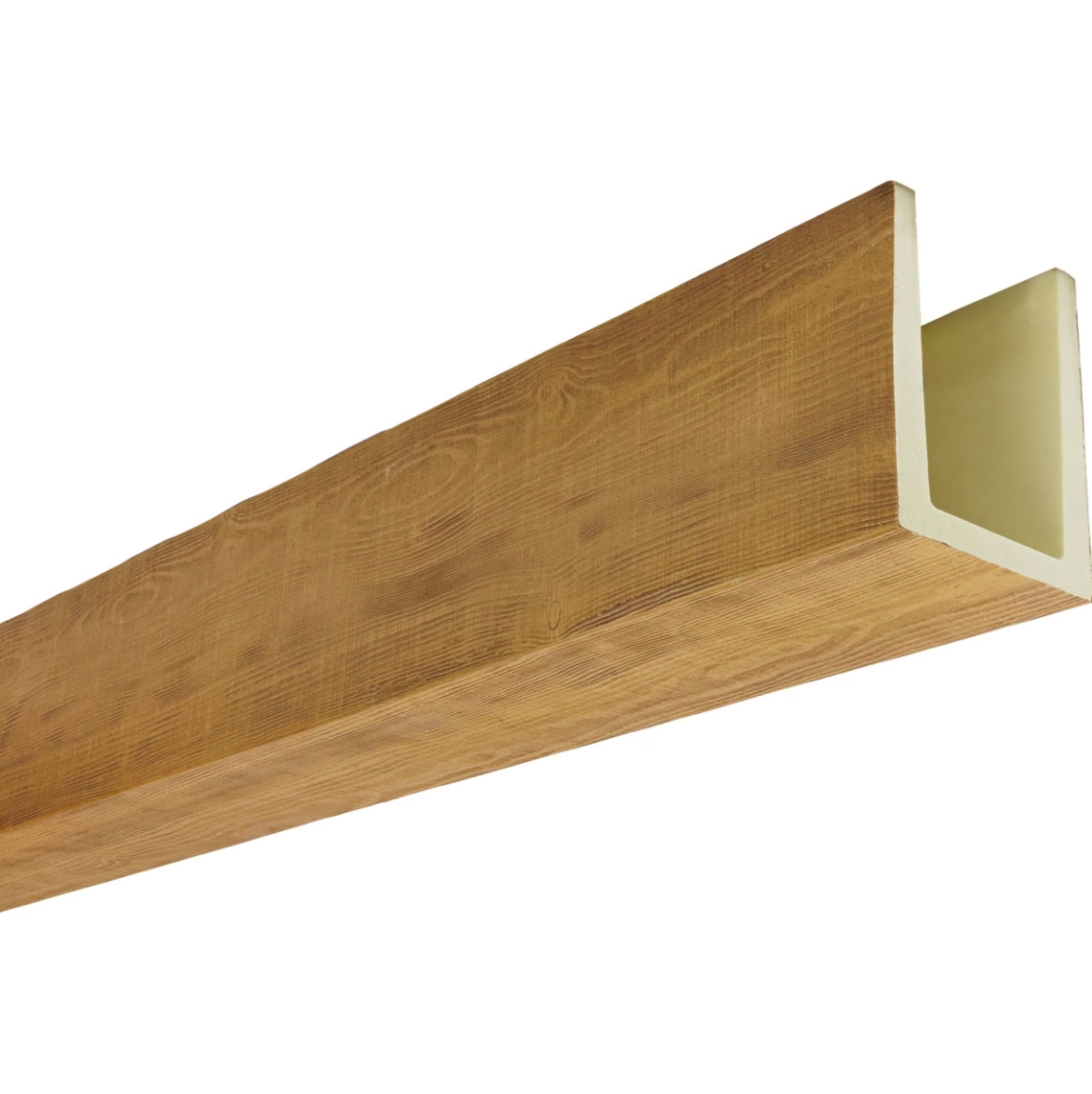
Heavy Grain Texture Polyurethane Faux Wood Beams
Interior Installation: fauxwoodbeams 039
Wood Carver Artisan detail Perspective Perspective
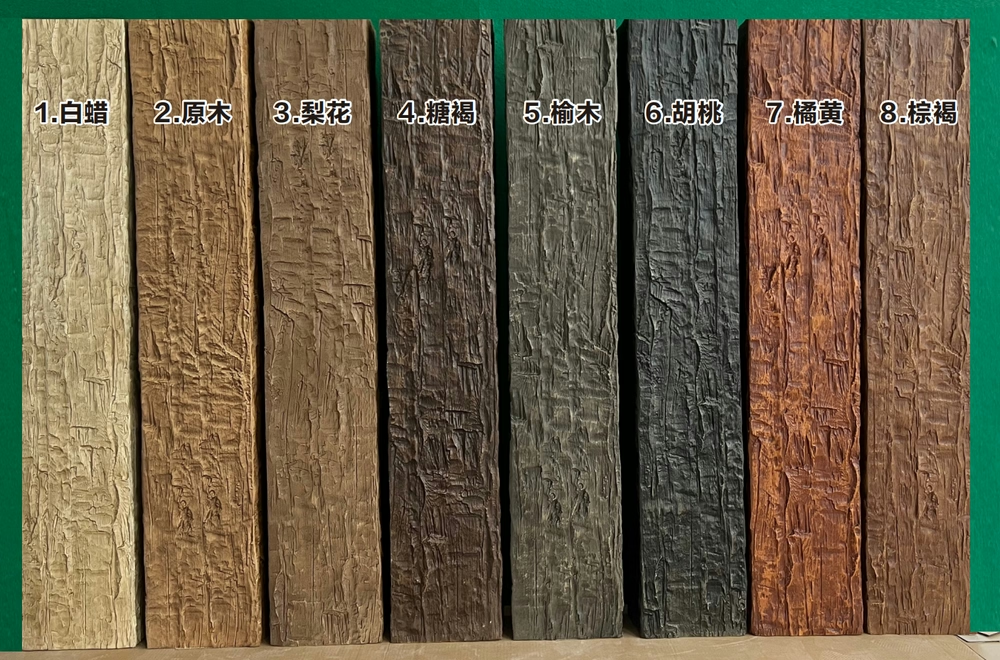
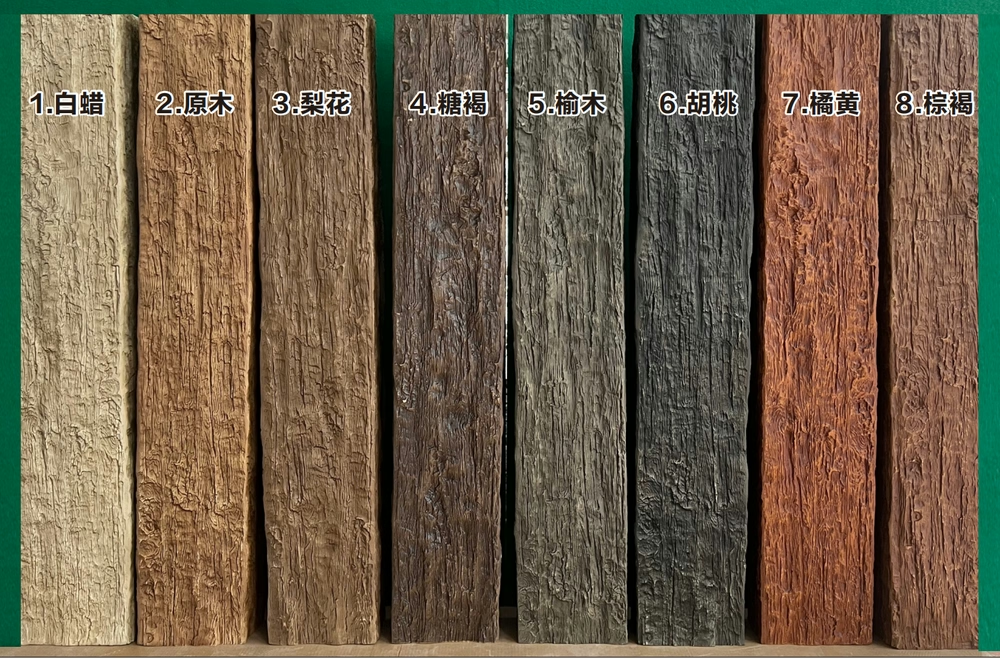
I'm a wood carver by training - I spent years learning to read grain, work with chisels, and create depth in wood surfaces through subtractive techniques. When I first saw our heavy grain polyurethane profile, I was skeptical. Foam that looks like heavy grain texture? It can't be right. Then I picked up a sample and ran my fingers across it, and I had to admit - the texture depth was right. The variation was right. The way light played across the surface was right. Let me explain what 'heavy grain' means from someone who knows what real heavy grain looks and feels like.
Faux Wood Beam Installation
I'm a wood carver by training - I spent years learning to read grain, work with chisels, and create depth in wood surfaces through subtractive techniques. When I first saw our heavy grain polyurethane profile, I was skeptical. Foam that looks like heavy grain texture? It can't be right. Then I picked up a sample and ran my fingers across it, and I had to admit - the texture depth was right. The variation was right. The way light played across the surface was right. Let me explain what 'heavy grain' means from someone who knows what real heavy grain looks and feels like.
writingStyle
wood-carver-artisan detail-perspective
Aesthetics
Heavy grain reads as substantial, traditional, and rich. It works well in libraries, studies, formal dining rooms, and any space where the design intent suggests weight and permanence. Lighter grain reads as more refined, more modern, more Scandinavian. The choice between heavy and light grain is fundamentally a design choice about the character of the space.
How It's Achieved
The heavy grain texture in our polyurethane is achieved through a combination of mold depth and finish application. The mold captures the deepest possible grain detail from actual heavy grain wood samples - we use a piece of quartersawn white oak as the master pattern. The finish is then applied to enhance the grain contrast - slightly darker tones in the grain valleys, lighter tones on the ridges. The combination creates visual and tactile depth that reads as authentic heavy grain wood.
Lighting Considerations
Heavy grain beams deserve directional light to show off their texture. Flat overhead lighting flattens the appearance and makes heavy grain look like ordinary grain. Raking light from windows or accent lighting along the wall creates shadows in the grain valleys and highlights on the ridges - this is when heavy grain beams truly perform. If you're specifying heavy grain beams, consider how the room's lighting will interact with the texture.
Pairing Elements
Heavy grain beams pair well with rich material palettes - leather upholstery, oriental rugs, dark wood furniture, and traditional lighting fixtures. They create a coherent design language with these elements. Heavy grain beams in a room with light modern furniture can work as a deliberate contrast, but the contrast needs to be intentional. Random mixing of heavy traditional elements with light modern elements usually creates design confusion rather than design tension.
Frequently Asked Questions
Are faux wood beams realistic looking?
Yes, our faux wood beams feature hand-carved textures and multi-step finishing that captures every detail of authentic aged wood. Most people cannot tell the difference.
How much do these beams weigh?
Our faux wood beams are approximately 88% lighter than real wood. A typical 8-foot beam weighs only 10-15 pounds, making DIY installation easy.
Can I install these outdoors?
Yes, we offer outdoor-rated faux wood beams that are UV-resistant and waterproof, perfect for covered patios and porches.
How do I get a quote?
Click the "Get Inspired - Contact Us" button above. We typically respond within 2-4 hours with pricing tailored to your project.