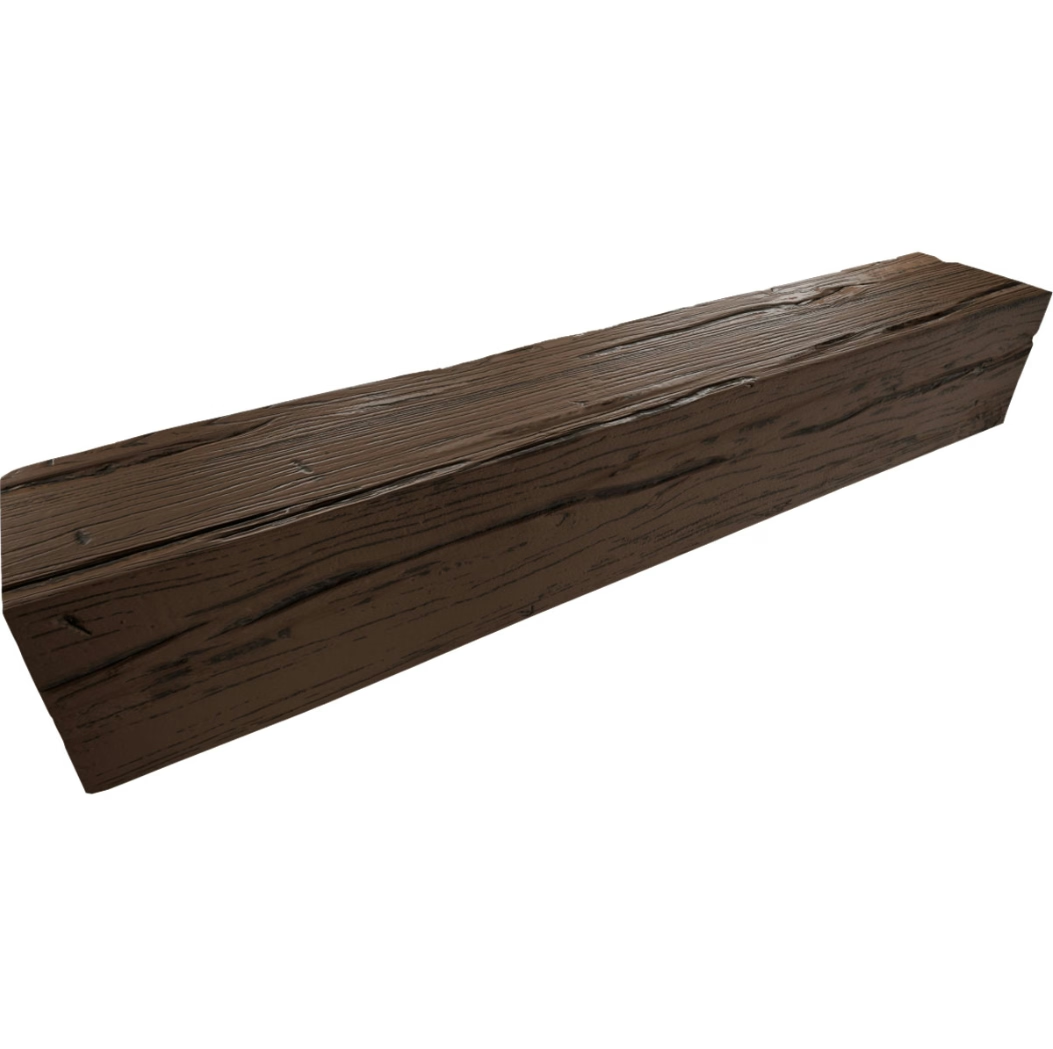
White Oak Color Polyurethane Faux Wood Beams
Interior Installation: fauxwoodbeams 041
Colorist Neutral Tone analysis Perspective
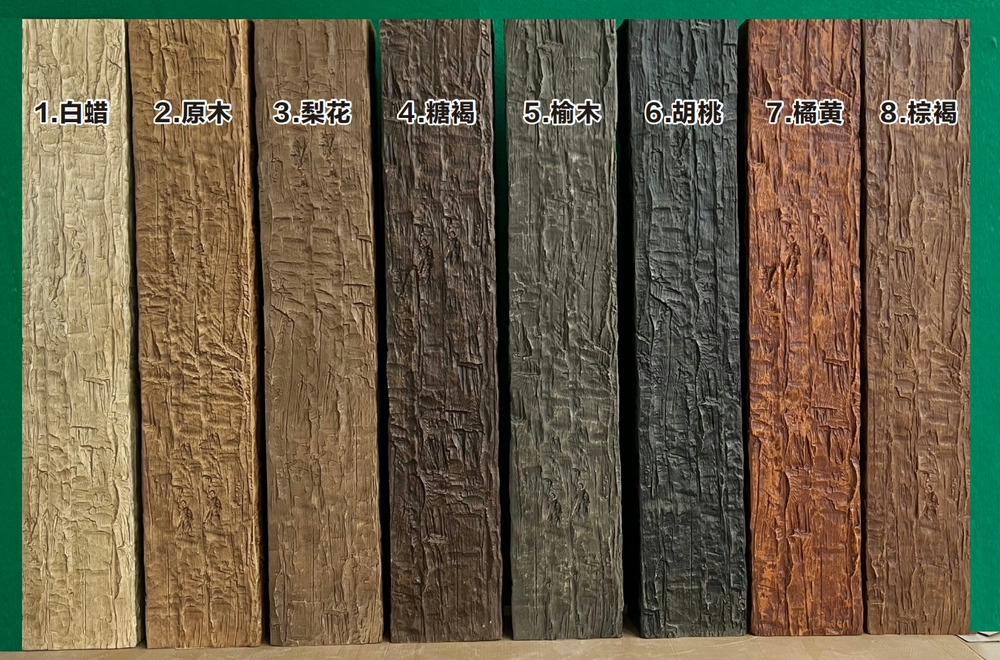
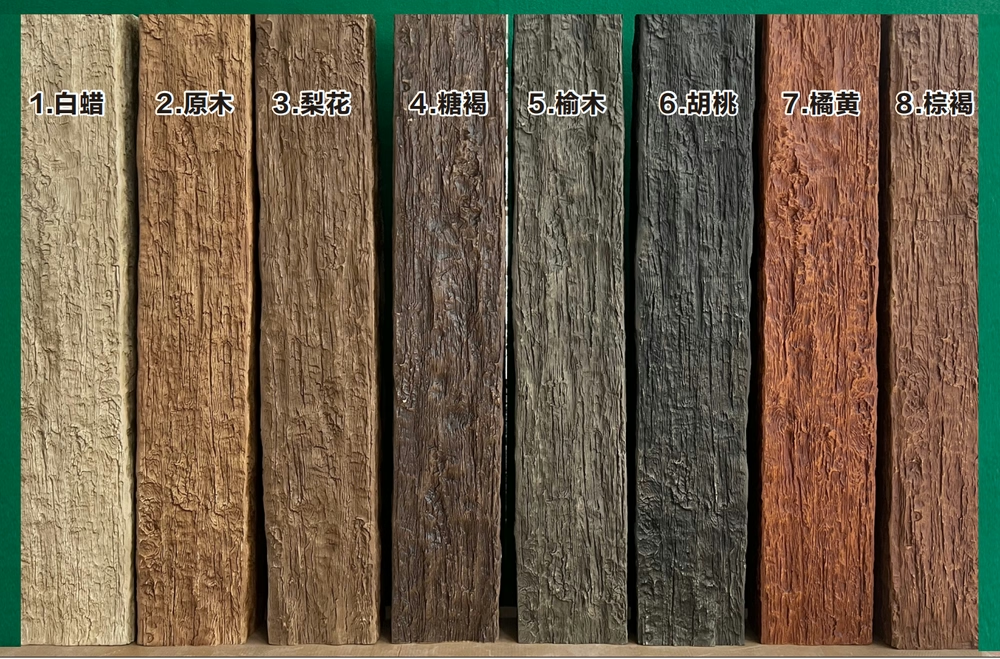
White oak has become the most-requested pale wood tone in residential design over the past decade. It's not the lightest wood available - maple and birch are paler. But white oak has a specific character - subtle grain with warm undertones - that designers love. Our white oak color formulation is one of our most calibrated products because pale finishes show variation more readily than darker ones. Let me explain what makes white oak work and what to consider when specifying it.
Faux Wood Beam Installation
White oak has become the most-requested pale wood tone in residential design over the past decade. It's not the lightest wood available - maple and birch are paler. But white oak has a specific character - subtle grain with warm undertones - that designers love. Our white oak color formulation is one of our most calibrated products because pale finishes show variation more readily than darker ones. Let me explain what makes white oak work and what to consider when specifying it.
writingStyle
colorist-neutral-tone analysis
Why It's Popular
The white oak aesthetic has been popularized by high-end Scandinavian and modern farmhouse design. It's the wood tone in many designer showhouses, Pinterest boards, and Instagram interiors. Our polyurethane beams capture this aesthetic without the cost and maintenance of actual white oak timber. For designers who want the look without the budget or maintenance commitment, the polyurethane version delivers.
Pairings
White oak beams work beautifully with white oak flooring (if matching is the goal), with pale gray walls (creating a sophisticated tonal palette), with blackened steel hardware (contrast that feels modern), and with natural textiles like linen and cotton (organic material harmony). White oak pairs less well with red-toned woods (creates a jarring color contrast), with very cool color palettes (the warm undertones can feel out of place), or with very dark wall colors (the pale beam against dark wall can feel disconnected).
Lighting Effects
White oak shows dramatic differences under different lighting conditions. Under warm 2700K LEDs, the pale tone shifts toward yellow. Under cool 4000K lights, the tone shifts toward gray. Under natural north-facing daylight, the color reads as true pale tan. Under south-facing afternoon light, the wood appears warmer and more golden. The finish sample you evaluate in the showroom will look different in the actual room - always test the sample in the room before finalizing the specification.
Color Variability
Our white oak polyurethane finish is consistent from batch to batch - that's a manufacturing advantage over real white oak which varies naturally. But within a single beam, there is intentional variation - the grain valleys are slightly darker than the ridges, the knot areas are slightly different from the clear grain areas. This variation is part of the authentic white oak appearance. If you want a perfectly uniform pale finish, white oak isn't the right choice - consider a painted beam instead.
White Oak Characteristics
Frequently Asked Questions
Are faux wood beams realistic looking?
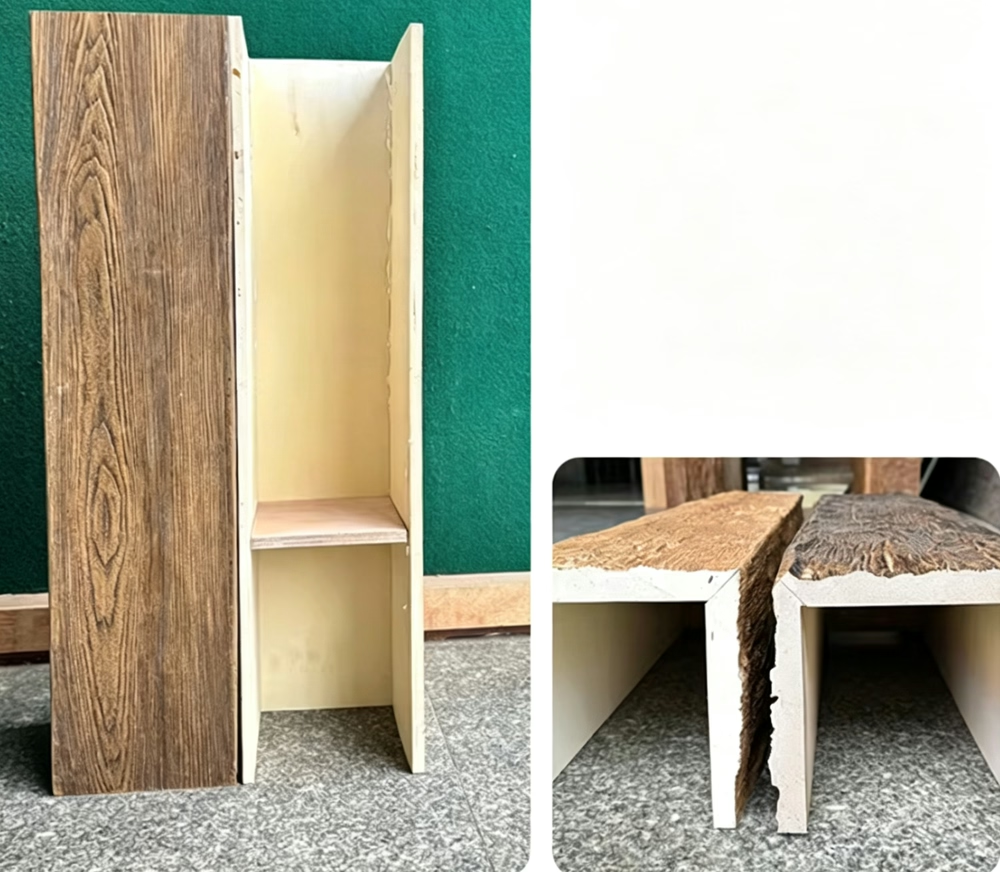
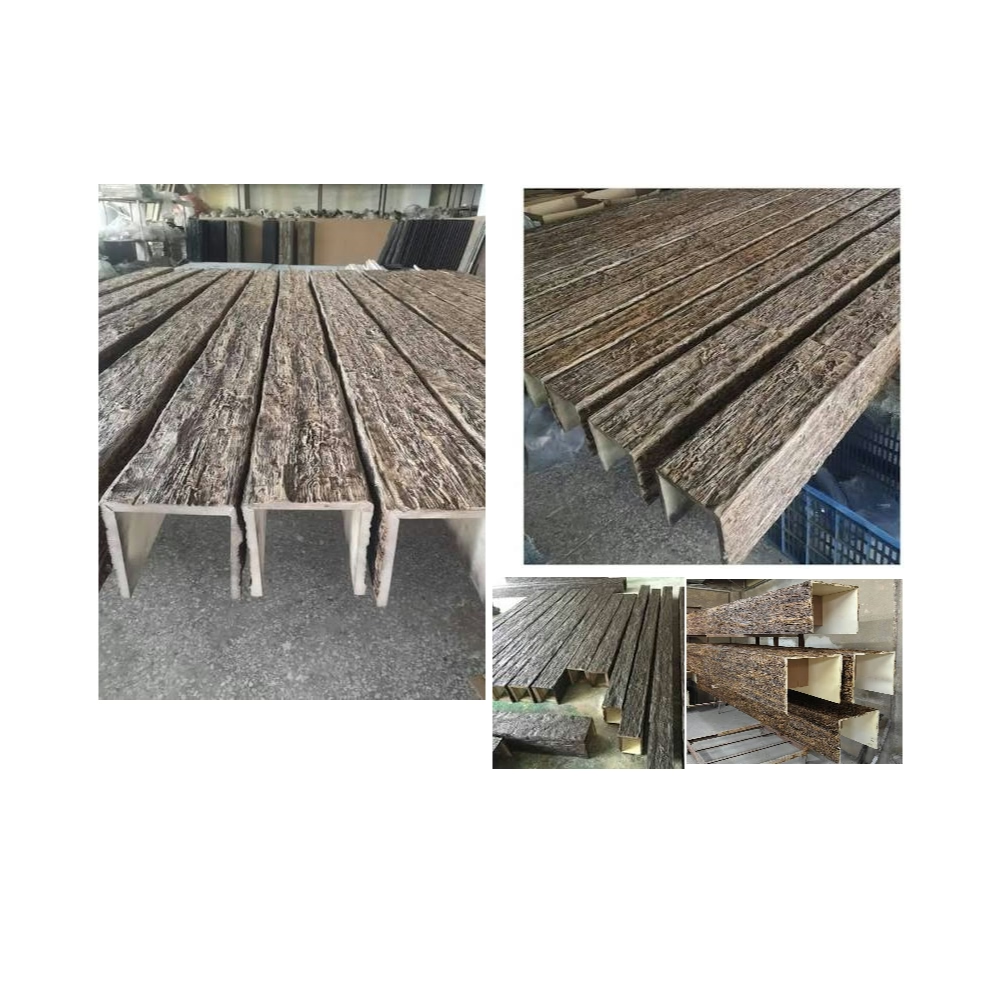
Yes, our faux wood beams feature hand-carved textures and multi-step finishing that captures every detail of authentic aged wood. Most people cannot tell the difference.
How much do these beams weigh?
Our faux wood beams are approximately 88% lighter than real wood. A typical 8-foot beam weighs only 10-15 pounds, making DIY installation easy.
Can I install these outdoors?
Yes, we offer outdoor-rated faux wood beams that are UV-resistant and waterproof, perfect for covered patios and porches.
How do I get a quote?
Click the "Get Inspired - Contact Us" button above. We typically respond within 2-4 hours with pricing tailored to your project.