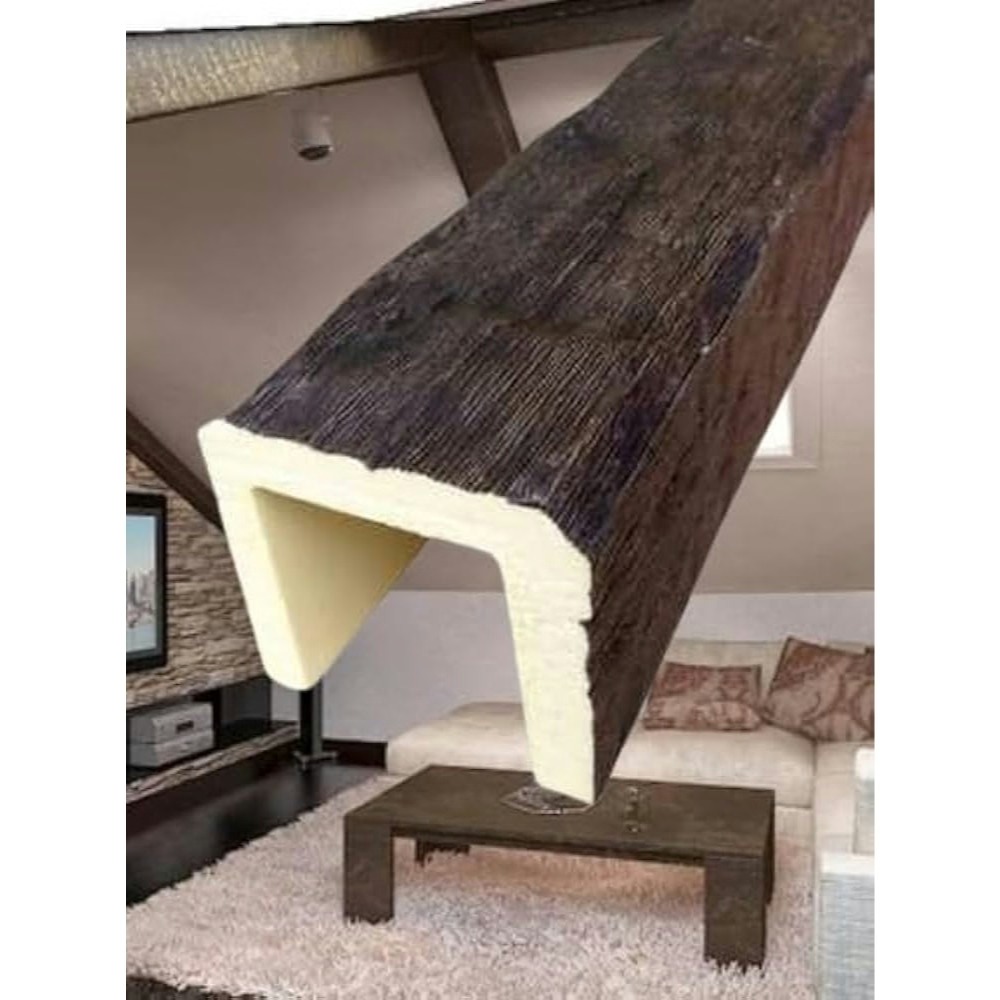
Transitional Decor Polyurethane Faux Wood Beams
Interior Installation: fauxwoodbeams 050
Design Historian style Evolution Perspective
Transitional design is the conscious blending of traditional and contemporary elements - not a period style but an approach that takes the best of both and combines them. Transitional beams need to work in rooms that have elements from multiple design eras, often in the same space. This requires more design thought than pure-period specifications. Here's how I approach transitional beam specifications.
Faux Wood Beam Installation
Transitional design is the conscious blending of traditional and contemporary elements - not a period style but an approach that takes the best of both and combines them. Transitional beams need to work in rooms that have elements from multiple design eras, often in the same space. This requires more design thought than pure-period specifications. Here's how I approach transitional beam specifications.
writingStyle
design-historian style-evolution
Transitional Profiles
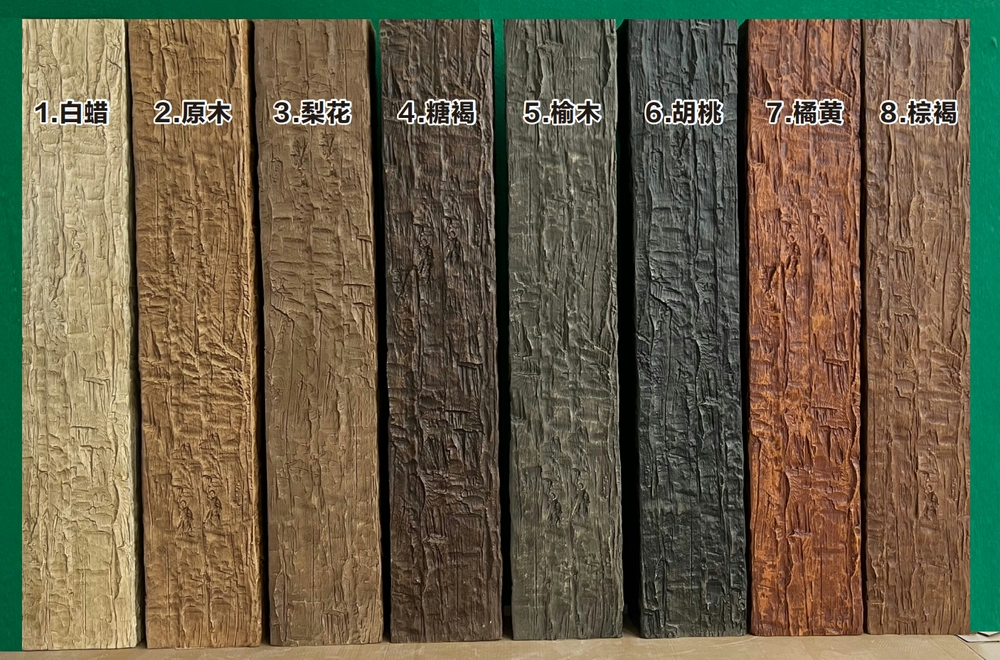
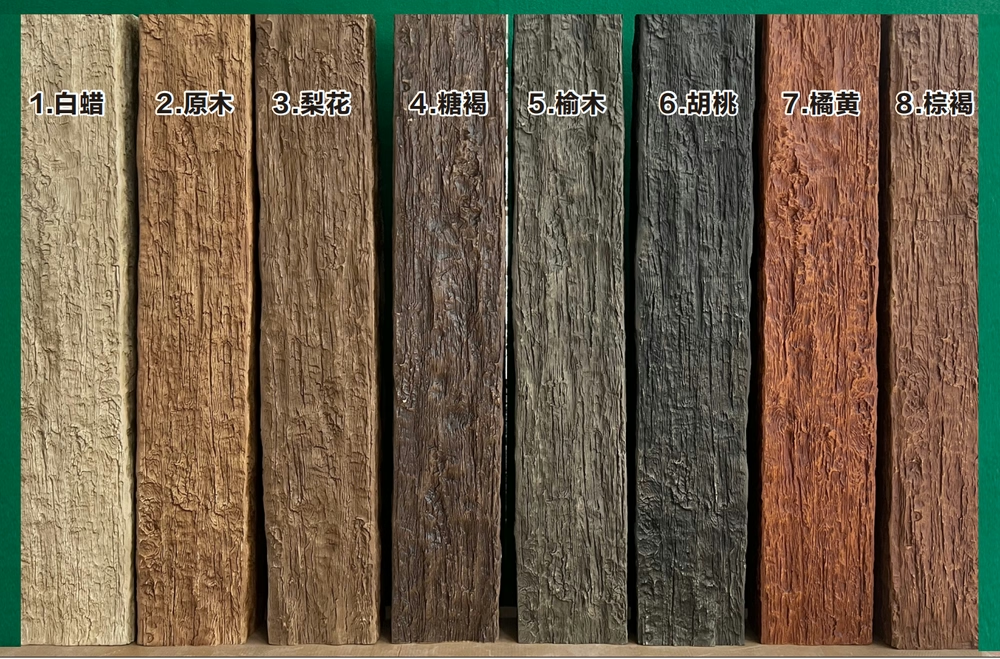
Transitional beams need to be detailed enough to feel substantial but not so ornate as to feel traditional. Smooth or lightly textured profiles work better than heavily distressed ones. Mid-range proportions - not too small, not too large - work in most transitional rooms. The finish should be a versatile wood tone rather than a statement finish - the beam is part of the room, not the focal point of the room.
Pairing
Transitional beams pair with: clean-lined traditional furniture, contemporary art in traditional frames, modern lighting on traditional ceilings, and neutral color palettes that allow mixed materials to coexist. The beam should feel like it could be either traditional or contemporary depending on what else is in the room - that's the essence of transitional.
Common Mistakes
The biggest mistake in transitional design is incomplete commitment - using transitional beams in a room that is otherwise purely traditional or purely contemporary. The transitional elements feel out of place rather than bridging styles. For transitional beams to work, the room needs other transitional elements. One transitional element in a pure-style room looks confused; multiple transitional elements in a mixed-style room looks intentional.
Transitional vs. Eclectic
Transitional and eclectic are sometimes confused. Transitional is restrained - it blends traditional and contemporary elements with discipline. Eclectic is more freeform - it can mix any styles, periods, and influences. Transitional beams work in eclectic rooms but only if the eclectic room is disciplined enough to have a coherent design language. Truly eclectic rooms may not need beams at all - the ceiling may already be visually busy.
Transitional Design Philosophy
Frequently Asked Questions
Are faux wood beams realistic looking?
Yes, our faux wood beams feature hand-carved textures and multi-step finishing that captures every detail of authentic aged wood. Most people cannot tell the difference.
How much do these beams weigh?
Our faux wood beams are approximately 88% lighter than real wood. A typical 8-foot beam weighs only 10-15 pounds, making DIY installation easy.
Can I install these outdoors?
Yes, we offer outdoor-rated faux wood beams that are UV-resistant and waterproof, perfect for covered patios and porches.
How do I get a quote?
Click the "Get Inspired - Contact Us" button above. We typically respond within 2-4 hours with pricing tailored to your project.