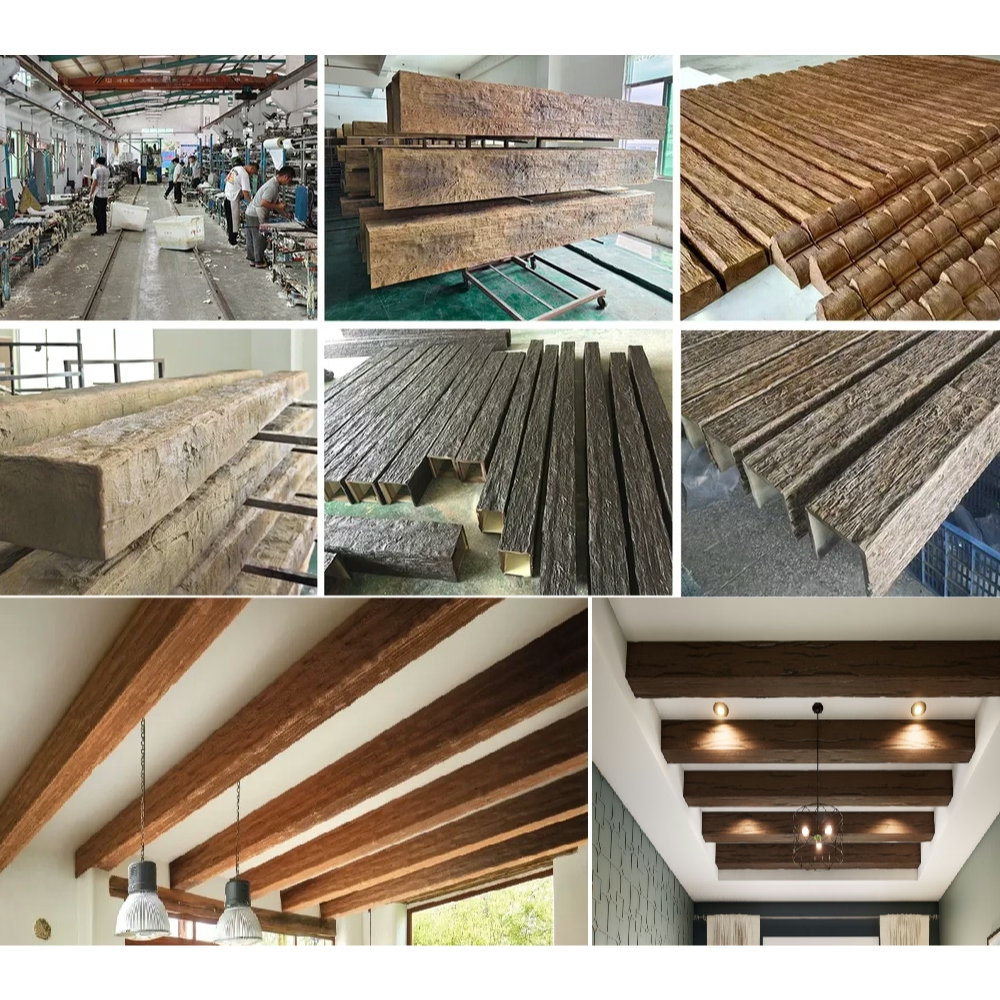
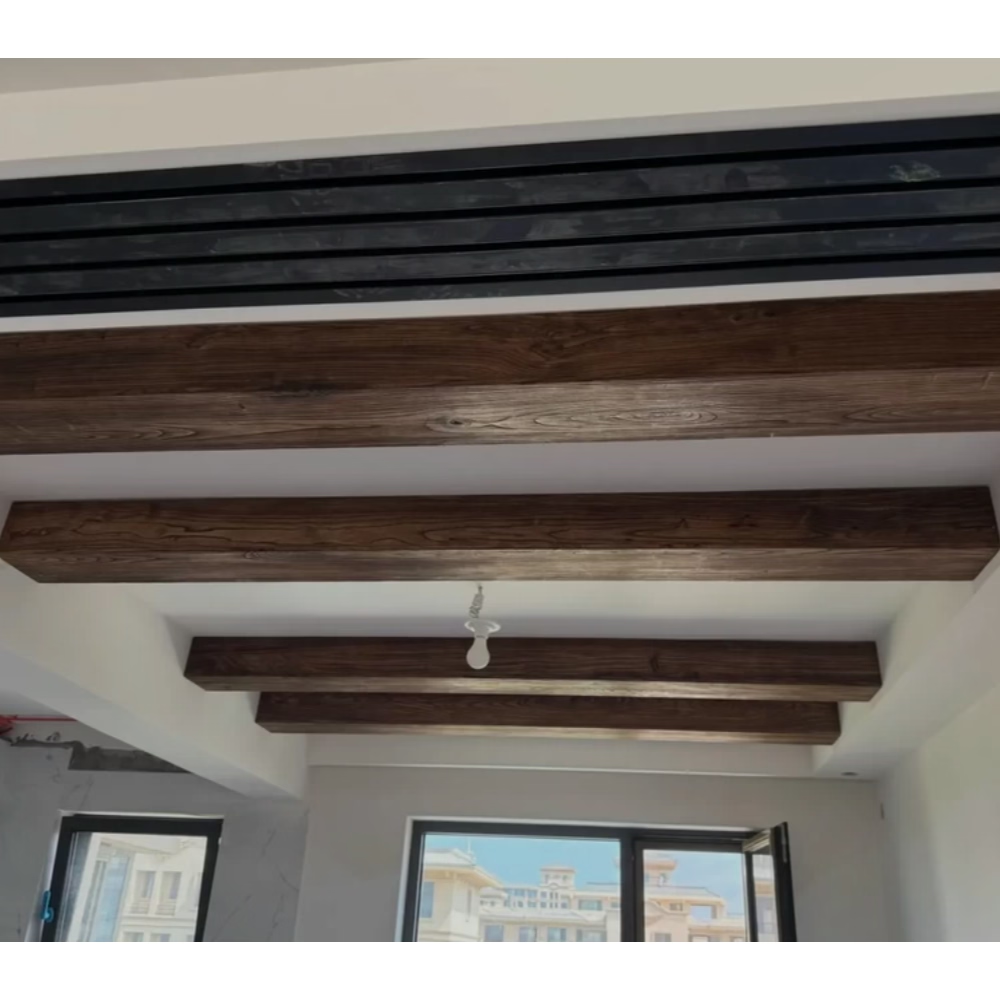
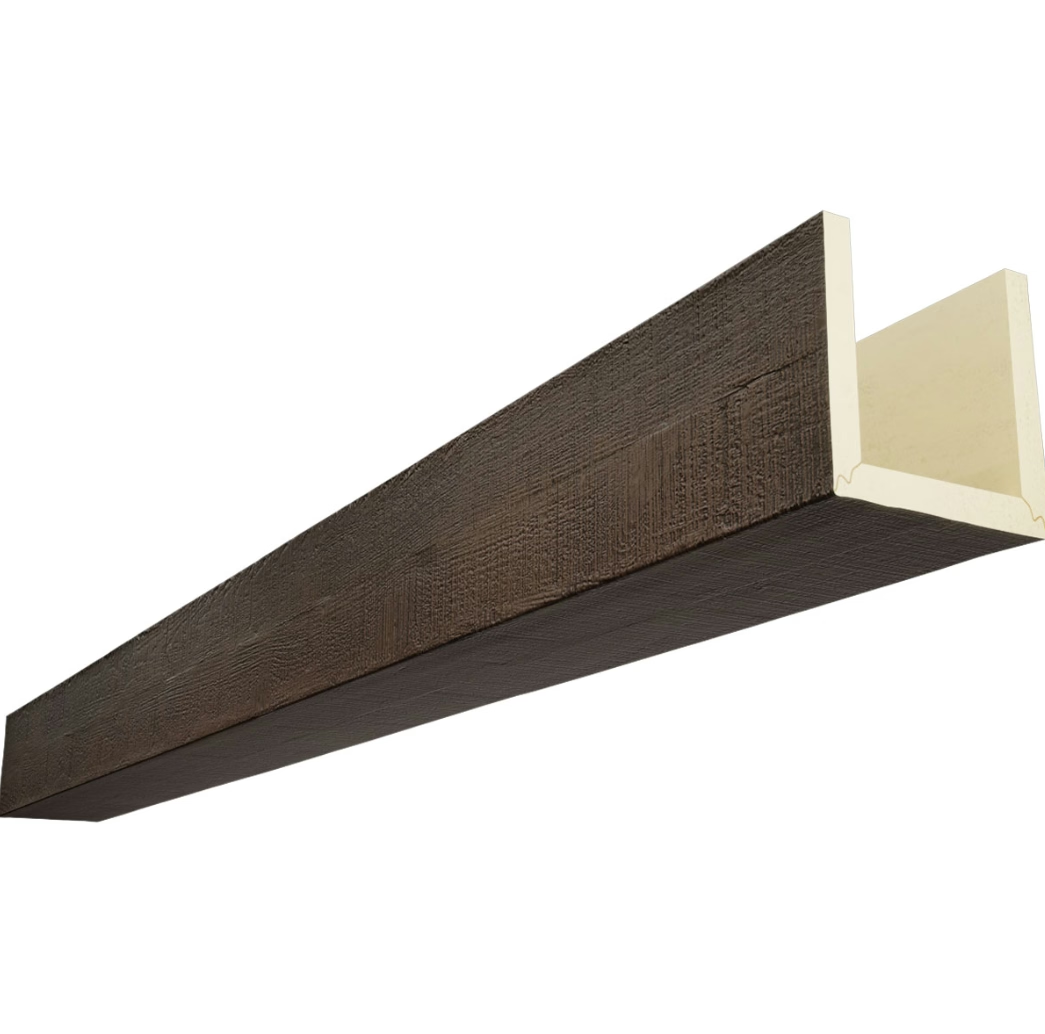
Sustainability has moved from optional differentiator to baseline requirement. Architects specifying materials for LEED-certified projects, builders responding to client environmental mandates, and homeowners simply trying to reduce their carbon footprint all face the same question: how do timber aesthetics align with sustainability goals? Real timber carries a complex environmental story. Harvesting, processing, transportation, and eventual disposal all carry environmental costs. Recyclable polyurethane offers a different calculation.
Modern formulations enable end-of-life recycling that transforms used beams into new products rather than landfill burden. Combined with the material's exceptional durability — beams lasting 50 years or more instead of 15 to 20 for timber — the recyclable designation makes PU beams increasingly attractive for environmentally conscious projects.
Understanding recyclability claims
The term recyclable appears frequently in construction materials marketing. Not all claims deserve equal weight:
Down-cycling materials — some recyclables become lower-quality products, eventually landing in landfill
Collection requirement — recyclable designation means nothing without accessible collection infrastructure
Processing energy — recycling requires energy; the net environmental benefit depends on the total equation
Actual diversion rates — what percentage of material actually gets recycled versus collected but landfilled
For polyurethane beams, the recyclability claim rests on documented chemical recycling processes that return the material to its constituent components for re-polymerization into new products.
PU recycling processes
Several technologies enable polyurethane recycling:
Mechanical recycling — grinding used material into filler for new polyurethane products
Chemical recycling — breaking polymer chains through hydrolysis, glycolysis, or aminolysis to recover raw materials
Energy recovery — high-energy incineration with emissions controls generates electricity from non-recyclable fractions
Feedstock recycling — converting polymer back to chemical intermediates for new synthesis
The preferred method preserves maximum material value. Chemical recycling produces feedstocks that re-enter the production chain, maintaining material quality across multiple lifecycles.
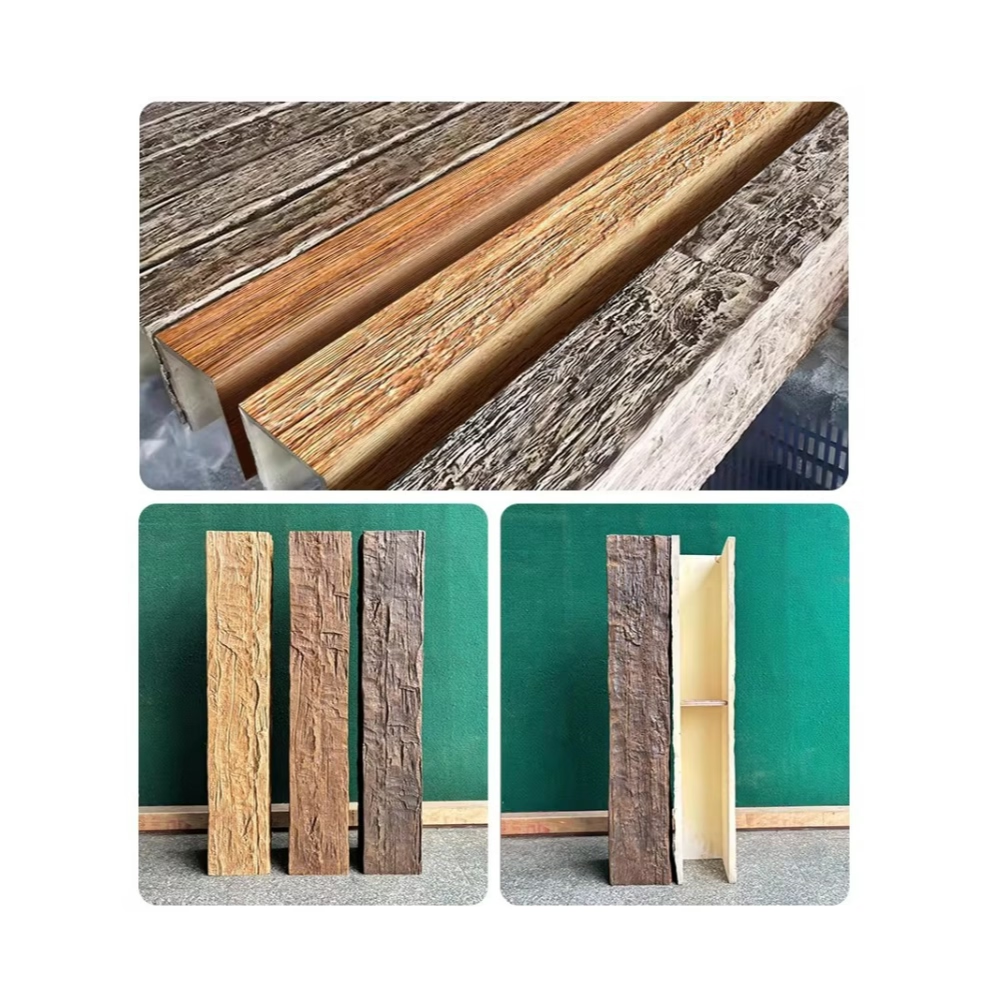
Life cycle comparison
Evaluating environmental impact requires system-wide analysis:
Raw material extraction — timber requires forest management, harvesting, and milling; PU derives from petroleum derivatives but uses less total material
Manufacturing energy — both materials require processing energy, with PU generally lower due to lower density
Transportation — lighter PU beams require less fuel per unit shipped; hollow profiles reduce weight further
Service life — PU lasting 50 years versus timber at 15 to 20 years means fewer replacements and less cumulative impact
End of life — recyclable PU can re-enter production; timber typically becomes landfill or low-efficiency fuel
The total picture shows PU competitive with or superior to timber across most impact categories, especially when recyclability is actually utilized.
Green building certification alignment
Recyclable PU beams support several LEED credit categories:
Materials and Resources — recycled content credits recognize both pre-consumer and post-consumer recycled materials
Indoor Air Quality — low-VOC formulations contribute to EQ credit compliance
Regional materials — beams manufactured in North America or Europe qualify for regional sourcing credits
Durability — long service life supports MR credit for building durability and reduced replacement
Project teams should document recyclability claims with manufacturer certification to ensure credits are properly claimed.
Sourcing recyclable formulations
Not all polyurethane products offer genuine recyclability:
Request certification — ask suppliers for documented recyclability from recognized testing agencies
Verify collection programs — responsible manufacturers participate in take-back or recycling programs
Check formulation transparency — detailed material safety data sheets indicate recycling-compatible chemistry
Compare service life warranties — longer warranty periods often correlate with higher-quality, more recyclable formulations
Investment in verified recyclable products protects both project certifications and environmental outcomes.
A practical sustainability choice
100% recyclable polyurethane beams represent a practical path toward greener construction. The combination of authentic timber appearance, exceptional durability, and genuine end-of-life recyclability addresses both aesthetic and environmental requirements. For projects where sustainability credentials matter — whether driven by certification requirements, client mandates, or personal values — recyclable PU beams deserve serious consideration.
Specify materials with verified recyclability claims and confirmed manufacturer participation in collection programs. The environmental benefit only materializes when recyclability is actually realized.
Technical References
ASTM standards cited in every specification
Test Data
Lab results from internal testing program
Updated 2026
Reviewed against current product specs