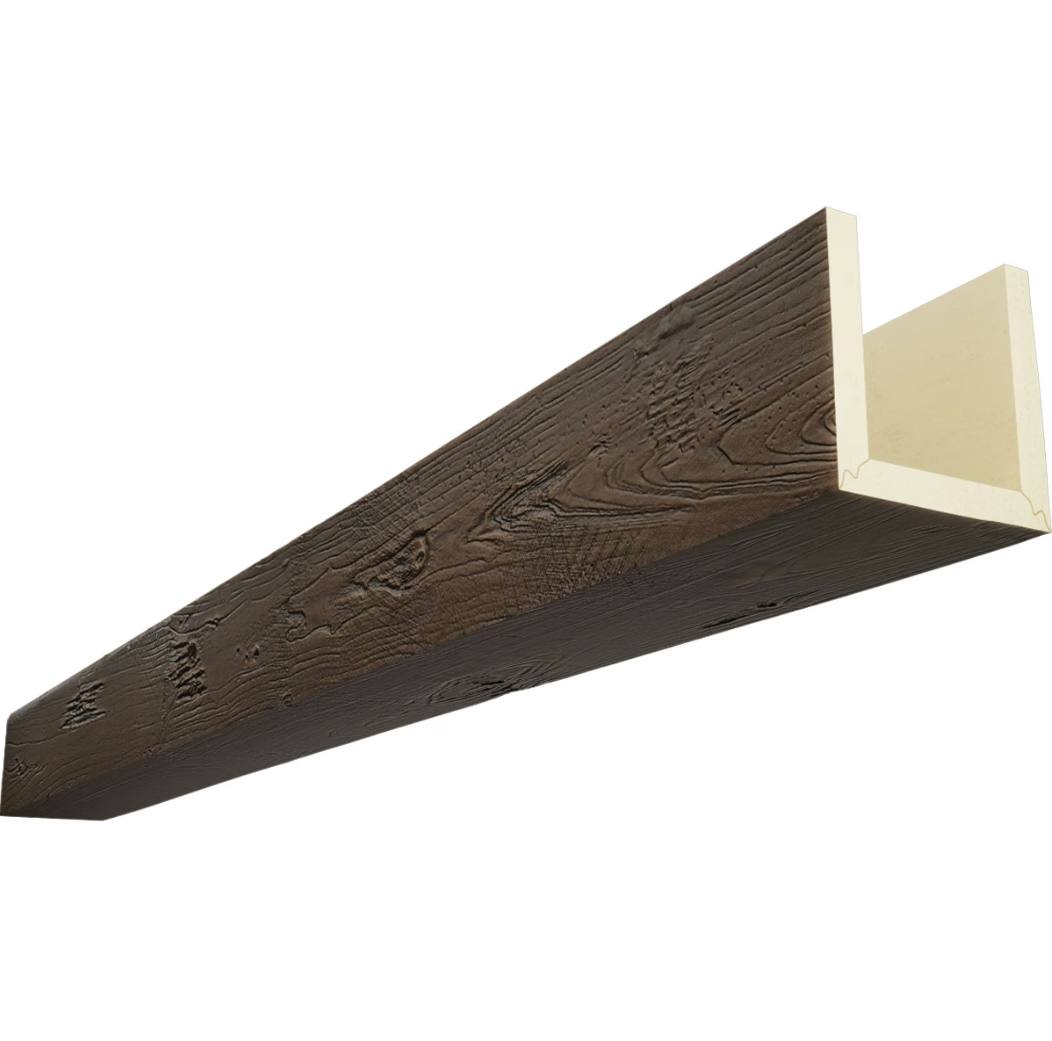
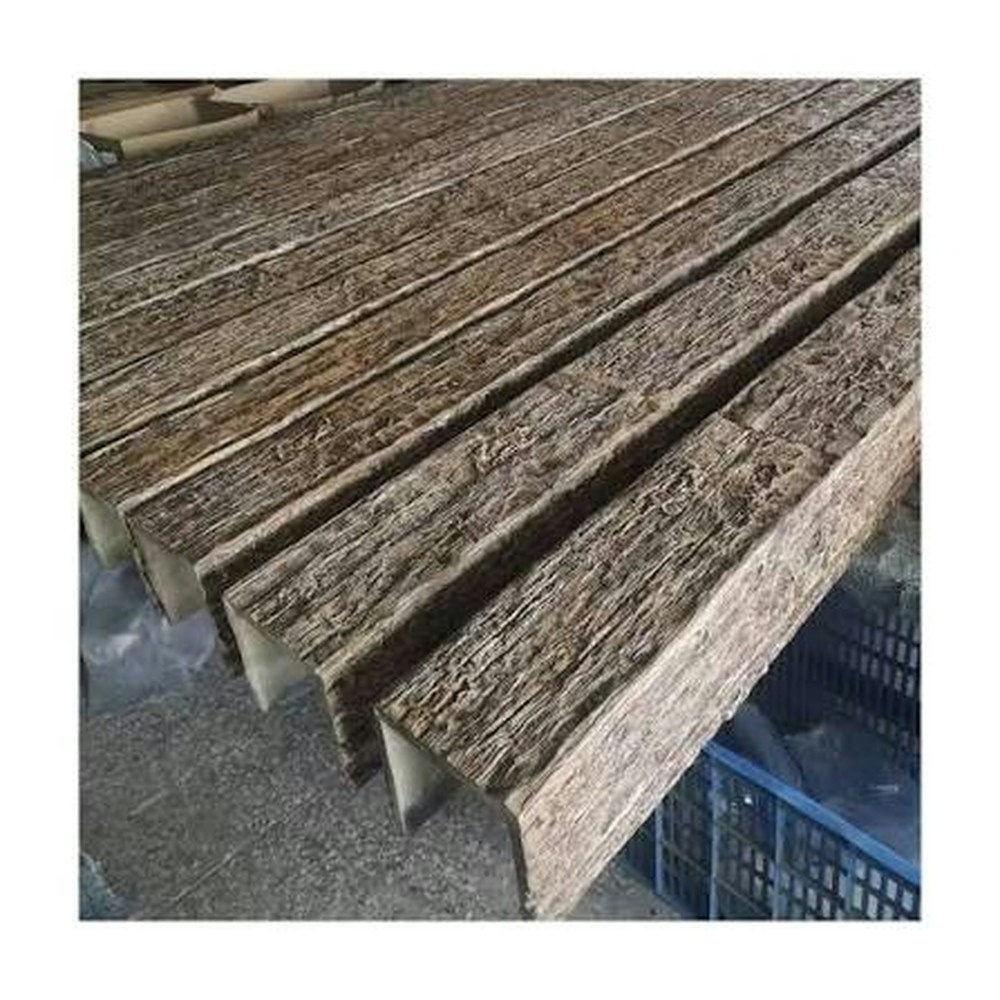
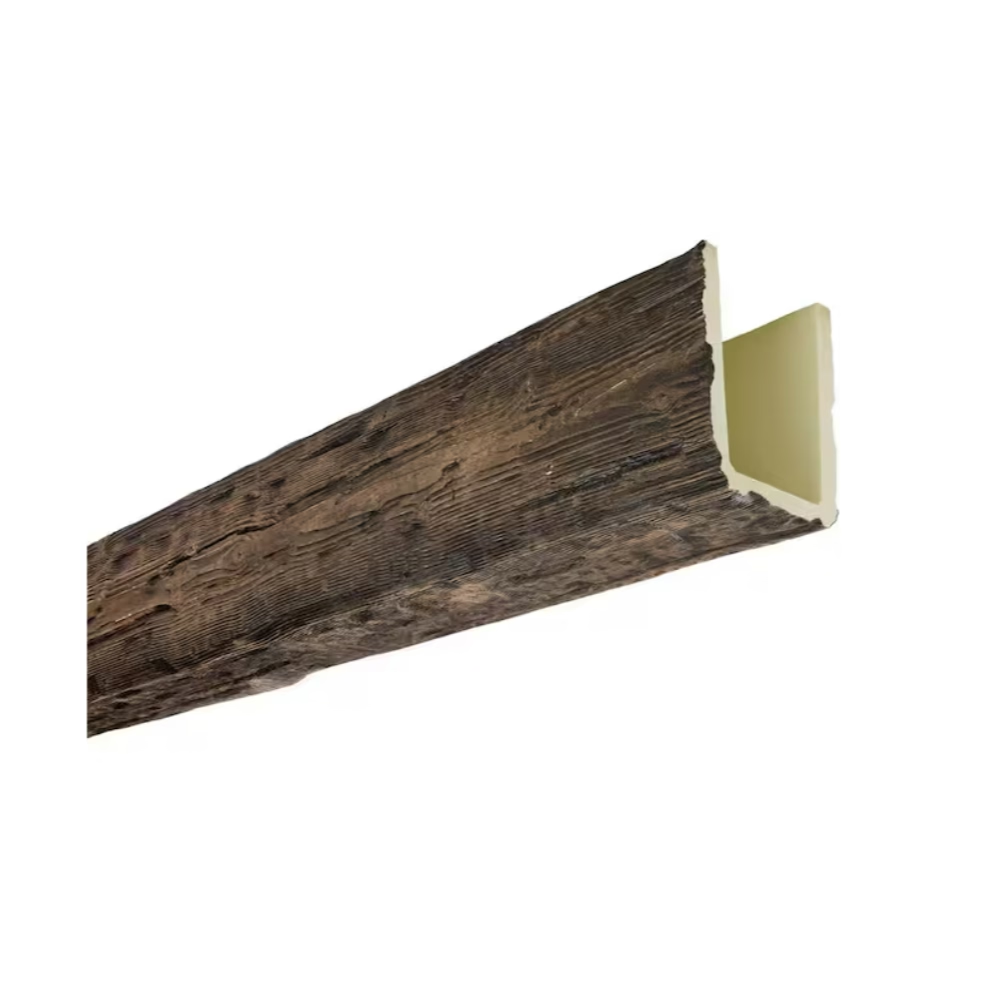
Timber decay is not optional. Given sufficient moisture and time, every wooden beam eventually rots. The process begins with fungal colonization, advances through structural degradation, and concludes with failure. The timeline varies based on wood species, treatment level, and environmental conditions, but the destination remains constant. Property owners who specify timber for wet applications accept a scheduled replacement cycle. Those who specify polyurethane accept permanent appearance with no decay risk.
Rot-proof waterproof beams eliminate this maintenance obligation entirely. The polymer chemistry provides no food source for decay organisms and no pathway for water infiltration. Installations that would require replacement within a decade using timber remain serviceable for decades using PU.
The biology of timber decay
Understanding rot explains why polyurethane succeeds where timber fails:
Fungal requirements — wood-decay fungi require oxygen, moisture, warmth, and food (cellulose and lignin)
Moisture threshold — fungal activity requires wood moisture content above approximately 20%
Breeding ground — rough wood surfaces and end grain hold moisture long enough for colonization
Progressive damage — fungi consume wood cells from within, weakening structure before external signs appear
By the time rot becomes visually obvious, significant structural damage has already occurred. Maintenance inspections often miss internal decay until catastrophic failure occurs.
Polyurethane's immunity to rot
The material properties create fundamental incompatibility with decay processes:
No organic content — fungal enzymes find nothing to digest in polyurethane
Zero moisture absorption — polymer structure repels water completely; no moisture means no fungal activity
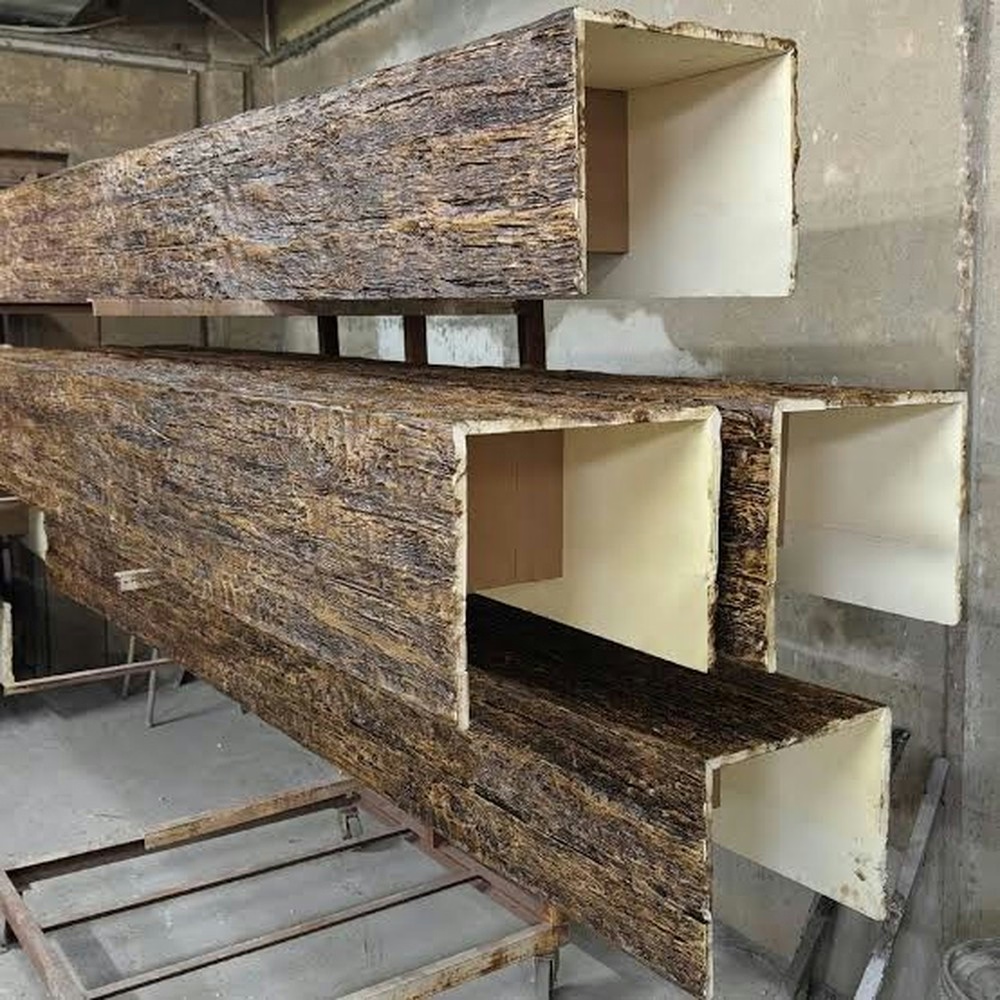
Smooth continuous surface — no grain channels or crevices to retain moisture
Inert chemistry — the material does not decompose under wet conditions
No nutritional value — decay organisms cannot survive on polyurethane regardless of environmental conditions
This biological immunity means rot-proof designation is not marketing language — it describes a fundamental material characteristic.
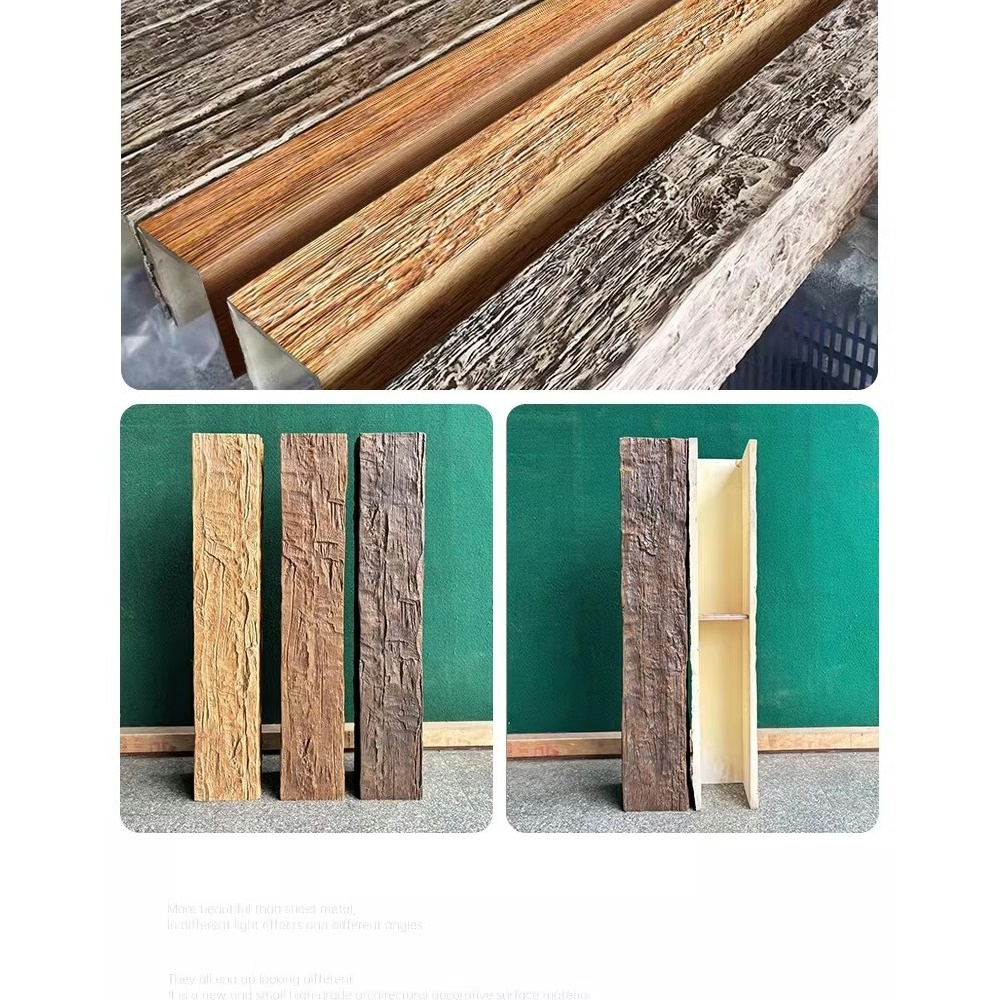
Applications where rot resistance matters
Wet environments and water exposure create rot risk for organic materials:
Marine and coastal structures
Salt air accelerates timber decay through combined moisture and salt crystallization stress:
- Dock and pier overhead beams
- Marina building ceilings
- Coastal restaurant patios
- Boat house interiors
Timber in these locations requires constant maintenance and eventual replacement. PU maintains appearance without intervention.
Water feature surrounds
Fountains, pools, and decorative water features create constant humidity:
- Poolside ceiling beams
- Fountain feature surrounds
- Aquarium facility ceilings
- Therapeutic water installation structures
Hygiene requirements in these spaces demand materials that cannot harbor decay organisms or mold.
Food processing facilities
Moisture and organic matter create ideal decay conditions:
- Commercial kitchen overhead
- Brewery and distillery ceilings
- Cannery and bottling facility beams
- Cold storage room structures
Health regulations prohibit materials that could harbor decay or mold in food contact zones.
Below-grade applications
Moisture in foundations and below-grade spaces attacks timber relentlessly:
- Basement ceiling beams
- Crawlspace structures
- Underground parking garage features
- Storm shelter decorative elements
These challenging locations demand materials impervious to the constant moisture present.
Waterproof versus rot-proof
The terms relate but describe different characteristics:
Waterproof — the material does not allow water passage through its structure
Rot-proof — the material cannot support biological decay processes
Polyurethane beams are both. Timber beams may be treated to resist water penetration initially, but treatment degrades over time and moisture eventually penetrates. The rot-proof designation for PU means the material maintains its characteristics indefinitely regardless of water exposure.
Performance verification
Look for documented performance claims:
Water absorption testing — ASTM D570 measures water uptake; PU typically absorbs less than 1% by weight
Fungal resistance testing — ASTM G21 tests material resistance to fungal growth
Accelerated aging — cyclic exposure to moisture and temperature demonstrates long-term performance
Field performance documentation — manufacturers with years of wet-environment installations can provide case studies
These test methods verify that rot-proof claims rest on demonstrated performance rather than marketing assertions.
A permanent wet-environment solution
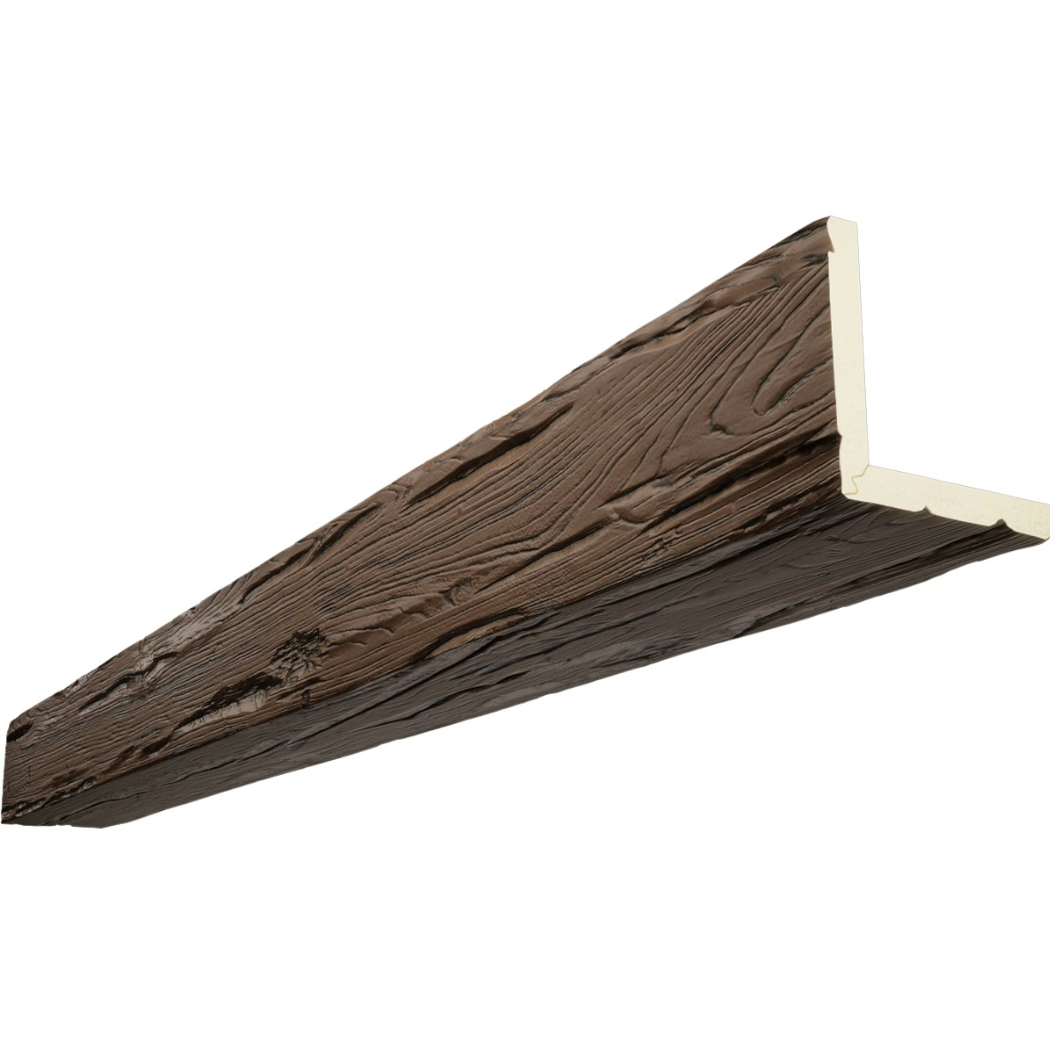
100% rot-proof waterproof polyurethane faux wood beams represent the permanent solution for wet environments. Timber requires scheduled replacement; PU requires only occasional cleaning. For property owners and managers seeking to eliminate maintenance obligations, rot-proof beams deliver the timber aesthetic without the decay risk.
Specify rot-proof PU for any application involving water exposure, humidity above 70%, or conditions that would challenge organic materials.
Technical References
ASTM standards cited in every specification
Test Data
Lab results from internal testing program
Updated 2026
Reviewed against current product specs