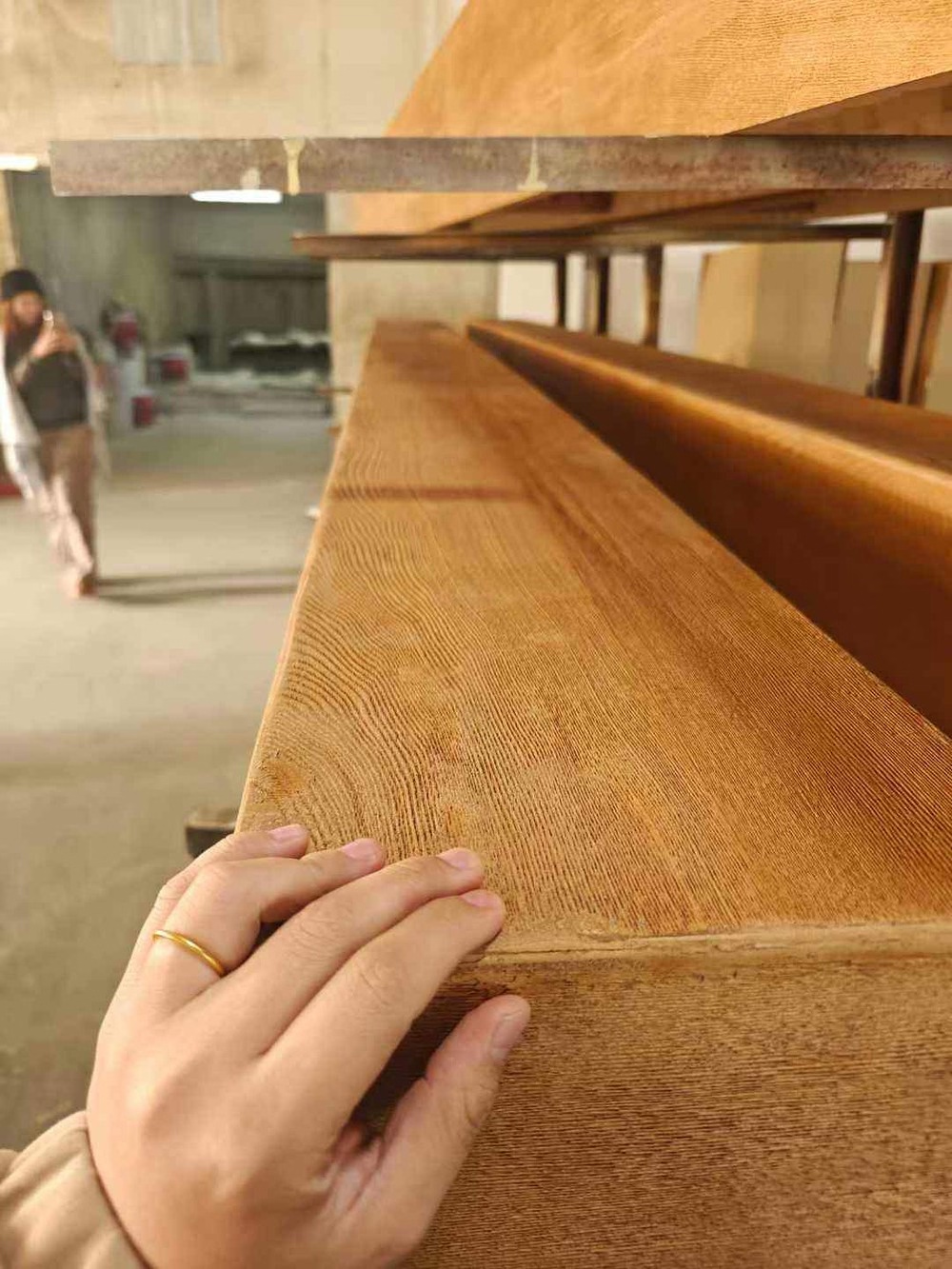
Walk into a building supply showroom that stocks both real timber and polyurethane beams, and the conversation has changed dramatically over the past decade. What used to be a niche offering marketed as a budget compromise is now a category leader in sustainability-driven markets. Architects, designers, and homeowners who once specified reclaimed timber on principle have begun asking sharper questions about lifecycle impact, transportation footprint, and finish longevity. The answers tend to favor polyurethane, especially for decorative applications where structural timber is not required.
Non-wood decorative beams made from polyurethane carry genuine sustainability advantages over their timber counterparts. They do not require trees to be harvested. They do not demand the chemical treatments that protect real wood against rot and insects. They last for decades without refinishing. And they ship at a fraction of the weight, which compounds into significant transportation savings on large projects.

What Makes Polyurethane a Non-Wood Material
Polyurethane is a polymer. The base ingredients are isocyanates and polyols derived from petrochemical feedstocks, which means polyurethane beams do carry fossil-fuel origins. That distinction matters when discussing sustainability honestly. Non-wood does not automatically mean carbon-neutral. It means the beam does not require harvested trees, and the lifecycle analysis shifts toward different environmental considerations.
Forest Preservation Impact
The most visible sustainability argument for non-wood beams is straightforward. Each polyurethane beam that replaces a solid timber beam reduces demand on forest resources. Scaled across a global market where decorative timber beams are installed in millions of buildings annually, the forest preservation impact becomes significant.
Some manufacturers participate in certified forestry programs that offset the polymer feedstock impact through reforestation partnerships. These programs are not equivalent to a forest-preserved product, but they do represent meaningful commitments that align with sustainability goals. Look for documented partnerships rather than vague sustainability language when evaluating suppliers.

Manufacturing Energy Profile
Polyurethane production consumes energy, particularly during the foaming and curing stages. Manufacturers in regions with clean electricity grids produce beams with substantially lower carbon footprints than manufacturers in coal-heavy regions. Procurement professionals increasingly track manufacturing electricity sources as part of their supplier evaluation.
The good news is that the energy required to manufacture a polyurethane beam is far lower than the energy required to harvest, mill, dry, treat, and finish a comparable timber beam. Even adjusted for grid differences, the lifecycle energy comparison tends to favor polyurethane for decorative applications.
Lifecycle Performance Advantages
Sustainability arguments that focus only on raw materials miss the larger picture. The true environmental impact of a building material emerges across decades of use. Polyurethane beams perform well across that longer timeline.
Longevity Reduces Replacement Cycles
A quality polyurethane beam installed indoors can last 25 years without significant finish degradation. The factory-applied stain and sealer hold their appearance far longer than site-applied finishes on real timber, which typically require refinishing every 5 to 10 years.
Reduced replacement cycles translate directly to lower lifecycle environmental impact. Each refinishing event consumes materials, generates waste, and often requires chemical strippers that create disposal challenges. Beams that hold their appearance for decades reduce all of those secondary impacts.
Resistance to Decay and Insect Damage
Real timber beams require treatment to resist rot, mold, and insects. The chemicals involved include traditional preservatives that are now restricted in many markets due to health and environmental concerns. Polyurethane beams do not require any preservative treatment because the polymer itself is not a food source for insects and does not support mold growth.
That built-in resistance extends to environments where real timber struggles. Bathrooms, kitchens, basements, covered outdoor areas, and coastal properties all present moisture challenges that polyurethane handles gracefully without chemical interventions.
Low Maintenance Demands
Polyurethane beams clean with mild soap and water. They do not require sanding, sealing, staining, or oiling. Maintenance activities that consume homeowner time and generate material waste simply do not exist for polyurethane installations.
The environmental implications are subtle but real. Every maintenance session involves water, cleaning chemicals, applicators, and disposal. Multiplied across millions of installations, those small impacts add up to measurable resource consumption that polyurethane beams avoid.

Comparing Aesthetic Performance
Sustainability arguments only matter if the product also satisfies the aesthetic requirements of the project. Polyurethane beams have closed the aesthetic gap with real timber to a remarkable degree.
Modern Mold Technology Captures Authentic Detail
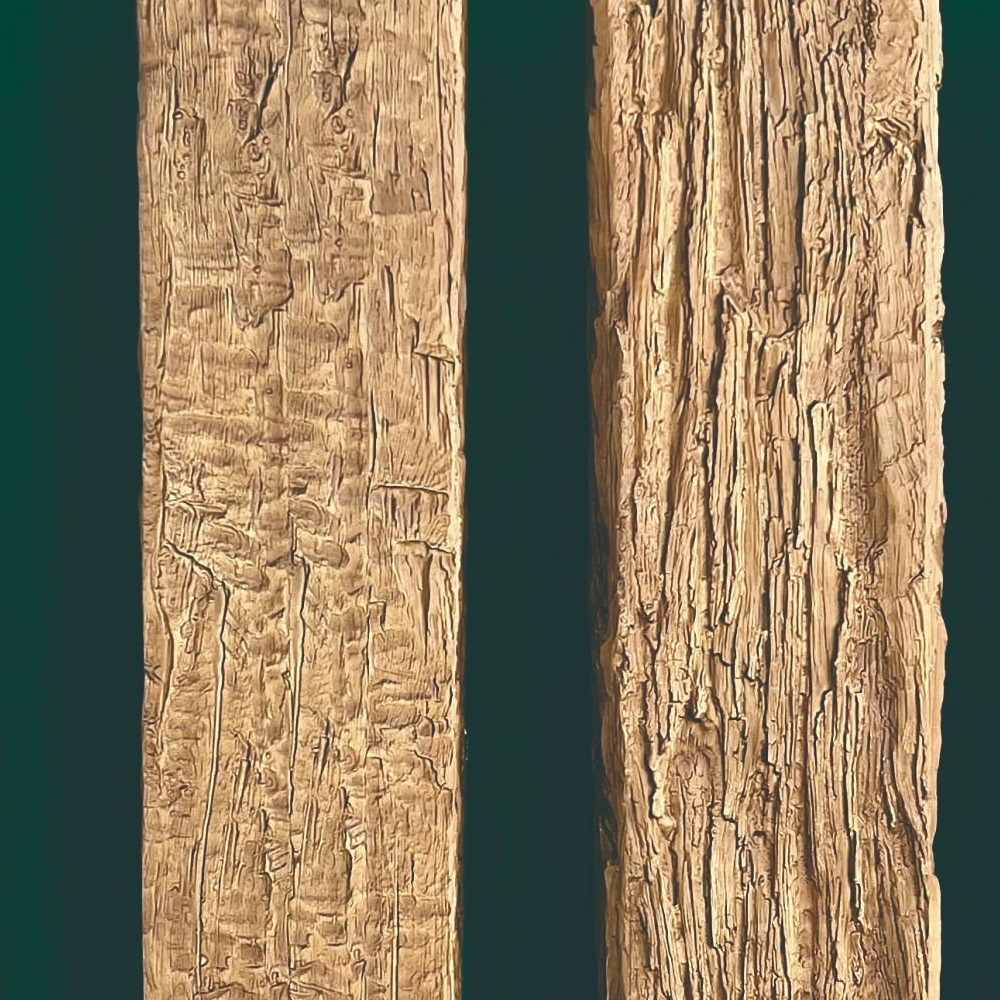
The texture on a polyurethane beam begins with a real timber master. Manufacturers press molds into hand-selected timber samples, capturing every grain detail, knot pattern, and weathering mark. The resulting polyurethane surface carries that same detail across every production run, with consistency that real timber cannot match.
That consistency is one of polyurethane's quiet aesthetic advantages. A real timber ceiling varies from beam to beam because wood naturally varies. Polyurethane ceilings read more uniform, which actually suits modern design preferences that favor clean visual rhythm.
Finish Options Span the Wood Spectrum
Walnut, oak, pine, cedar, driftwood gray, weathered barnwood, antique chestnut. Every popular timber finish has a polyurethane equivalent. Some manufacturers offer hundreds of stock finishes, with the option to match custom samples on request.
For projects specifying FSC-certified or reclaimed timber aesthetics without the FSC-certified or reclaimed timber cost, polyurethane finishes deliver the visual outcome with substantially lower environmental impact.
Texture and Profile Variety
Beam profiles range from clean modern boxes to heavily hand-hewn barn timber silhouettes. Each profile is cast in molds designed for that specific application, so the structural and surface details match the intended aesthetic without compromise.
A hand-hewn polyurethane beam includes chisel marks, adze texture, and irregular edges that mimic the way craftsmen shaped beams with hand tools centuries ago. The texture feels three-dimensional rather than printed, which holds up under close inspection.
When Non-Wood Beams Are the Right Choice
Non-wood polyurethane beams are not universally appropriate. The product category excels in specific applications where its advantages align with project requirements.
Interior Decorative Applications
Living rooms, dining rooms, bedrooms, kitchens, foyers, hallways. Anywhere a beam serves a visual rather than structural purpose, polyurethane is a strong candidate. The visual quality matches real timber, the install is faster, and the maintenance is minimal.
Commercial Hospitality Projects
Hotels, restaurants, retail stores, conference centers. Commercial projects specify polyurethane beams for both performance and consistency. Hundreds of identical beams need to look the same across multiple locations, which is a request that real timber cannot reliably answer.
Restoration Projects on Tight Budgets
Older buildings with damaged plaster ceilings, missing ornamental details, or hidden structural surprises often call for remediation rather than full replacement. Polyurethane beams can disguise these situations at a fraction of the cost of custom timber repairs.
Tight Floor-to-Ceiling Clearances
Hollow polyurethane box beams create the appearance of heavy timber while preserving valuable ceiling height. Restaurants, hotels, and apartments with limited vertical clearance often prefer this approach over solid timber that encroaches on usable space.
Addressing Common Concerns About Non-Wood Beams
Honest sustainability comparisons acknowledge the concerns that critics raise about polyurethane products. Knowing the legitimate worries helps buyers make informed decisions.
Petrochemical Origins
Polyurethane is derived from petroleum. That fact should be acknowledged clearly when discussing sustainability benefits. The nuanced position is that polyurethane beams avoid the forest impact of real timber while introducing a different set of feedstock concerns. For projects committed to minimizing both forest impact and petrochemical use, polyurethane is not a perfect solution. It is a meaningful improvement in some categories and a tradeoff in others.
Recycling and End-of-Life Disposal
Polyurethane is not biodegradable and is not easily recycled through municipal programs. Disposal typically means landfill. Several manufacturers operate take-back programs that grind production scrap into feedstock for new products, but end-of-life recycling for installed beams remains limited.
Research into bio-based polyurethanes is ongoing. Some experimental formulations use plant-based polyols that reduce petroleum content. These products are not yet widely available, but they represent a promising direction for the next generation of non-wood beams.
Fire Behavior
Polyurethane is combustible. Code requirements in many commercial occupancies restrict the use of polyurethane beams in certain assemblies. Fire-rated formulations exist and add some additional cost, but specifiers should always check local codes before installing polyurethane beams in commercial applications.
For residential applications, building codes are generally permissive about decorative polyurethane beams. They are typically classified as interior finish materials rather than structural elements, which simplifies approval.
Sourcing Sustainable Polyurethane Beams
The sustainability benefits of polyurethane beams depend heavily on the specific manufacturer. Choosing the right supplier multiplies the environmental advantages.
Manufacturing Certifications
ISO 14001 environmental management certification indicates that a manufacturer has implemented systematic environmental practices. Greenguard and similar indoor air quality certifications address the volatile organic compound emissions that affect indoor environments. Look for these certifications when sustainability is a priority.
Some manufacturers publish Environmental Product Declarations that quantify the carbon footprint and other environmental impacts of their products. These declarations allow direct comparison between competing products and provide the transparency that sustainability-conscious projects require.
Regional Sourcing Considerations
Sourcing from regional manufacturers reduces transportation impact. Many markets have domestic polyurethane beam producers that supply local demand without transoceanic shipping. For international projects, consolidated shipping and efficient logistics compound the environmental advantage over heavy timber that requires special handling.
Long-Term Supplier Relationships
Establishing ongoing relationships with sustainable manufacturers allows builders and designers to specify the same products across multiple projects. That consistency simplifies procurement, supports manufacturers investing in sustainability, and reduces the constant re-evaluation that project-based sourcing requires.
Cost-Benefit Analysis From a Sustainability Lens
Sustainability and budget often appear to compete, but non-wood polyurethane beams frequently deliver both advantages simultaneously.
Material Cost Comparison
Polyurethane beams cost more than some softwood timber options but less than premium hardwoods, reclaimed timber, or specially milled profiles. The cost position depends heavily on profile, finish, and order quantity. For most decorative applications, polyurethane lands in the middle of the market.
Installation Cost Savings
The lightweight polyurethane profile reduces installation labor compared to heavy timber. The consistency of manufactured products eliminates the sorting and rejection process that real timber sometimes requires. The prefinished surface eliminates on-site finishing labor and the days of disruption that finishing adds to a project timeline.
Lifecycle Cost Calculation
A real timber beam that requires refinishing every 7 years accumulates significant cost over a 30-year building lifespan. Polyurethane beams that require no refinishing over the same period generate lower total cost even when initial material cost is similar.
Property Value Considerations
Real estate professionals increasingly recognize polyurethane beam installations as quality upgrades. Buyers appreciate the warm aesthetic without worrying about the maintenance demands of real timber. That perception can translate into measurable property value advantages during resale negotiations.
Future Directions in Sustainable Beam Manufacturing
The polyurethane beam category continues to evolve. Several trends are worth watching as the market matures.
Bio-Based Polyurethane Formulations
Plant-based polyols derived from soy, castor, and other crops can replace a portion of the petroleum content in polyurethane formulations. Bio-content percentages vary widely between manufacturers. Higher percentages reduce the carbon footprint of the finished product, though they do not eliminate petrochemical feedstock entirely.
Recycled Content Integration
Some manufacturers incorporate recycled polyurethane scrap into new production batches. The recycled content reduces waste and lowers the demand for virgin feedstock. Look for recycled content percentages in the technical data sheets that suppliers provide.
Take-Back and Reuse Programs
A few pioneering manufacturers operate take-back programs where removed beams are returned for grinding and reuse in new products. The logistics of these programs limit their scale today, but they point toward a more circular model for the building materials industry.
Practical Steps for Sustainable Beam Selection
Choosing non-wood polyurethane beams for a project becomes easier with a structured decision process. Several practical steps help align sustainability goals with project requirements.
Defining Sustainability Priorities
Clarify which sustainability metrics matter most for the specific project. Forest preservation may be the priority for projects in environmentally sensitive regions. Carbon footprint may dominate in markets with strict environmental regulations. Indoor air quality may be critical for healthcare and educational projects. Different priorities lead to different supplier preferences.
Requesting Sustainability Documentation
Ask suppliers for Environmental Product Declarations, certification documentation, and manufacturing process details. The suppliers serious about sustainability will have these documents ready. The suppliers using sustainability as marketing language rather than practice often cannot provide detailed documentation.
Considering the Full Lifecycle
Evaluate beams across their full lifecycle rather than focusing only on raw material origins. A product that performs poorly over time generates more environmental impact through frequent replacement than a product with imperfect raw materials but excellent long-term performance.
Building the Case for Non-Wood Beams
Non-wood polyurethane beams are not the perfect answer to every sustainability question. They carry their own environmental tradeoffs, particularly around petrochemical feedstock and end-of-life disposal. But they offer meaningful improvements over real timber for many decorative applications, especially when the alternatives include transporting heavy timber long distances or treating timber with chemicals that create downstream concerns.
For projects that prioritize forest preservation, indoor air quality, long-term appearance, and reduced maintenance, polyurethane beams earn their place in the specification. For projects that value primarily the raw material origins over lifecycle impact, the conversation may lead to other products. The honest position is that polyurethane beams are one valuable tool among many, not a singular solution to building industry sustainability challenges.
Technical References
ASTM standards cited in every specification
Test Data
Lab results from internal testing program
Updated 2026
Reviewed against current product specs