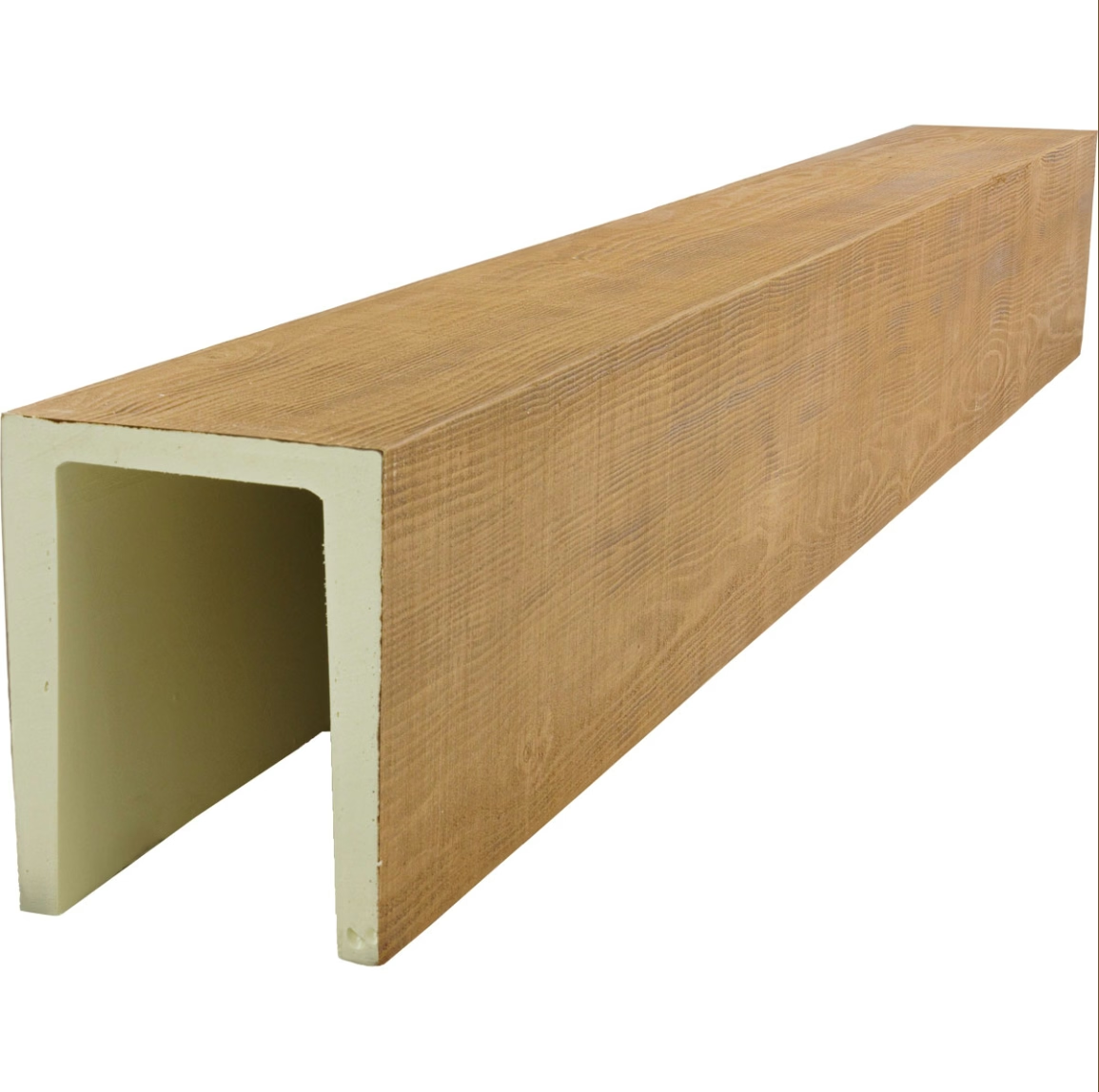
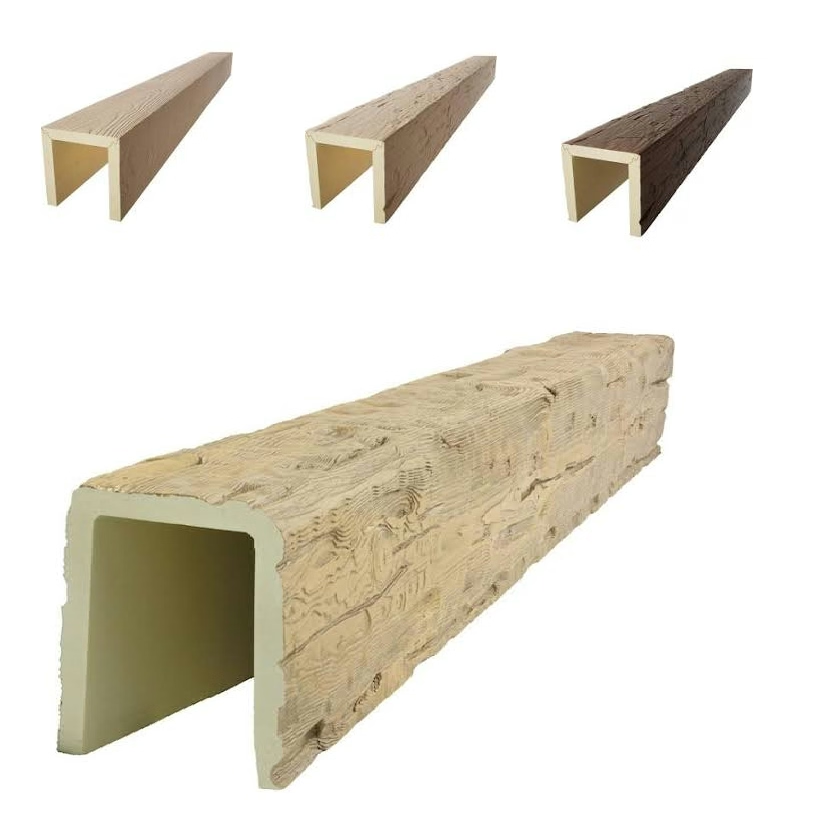
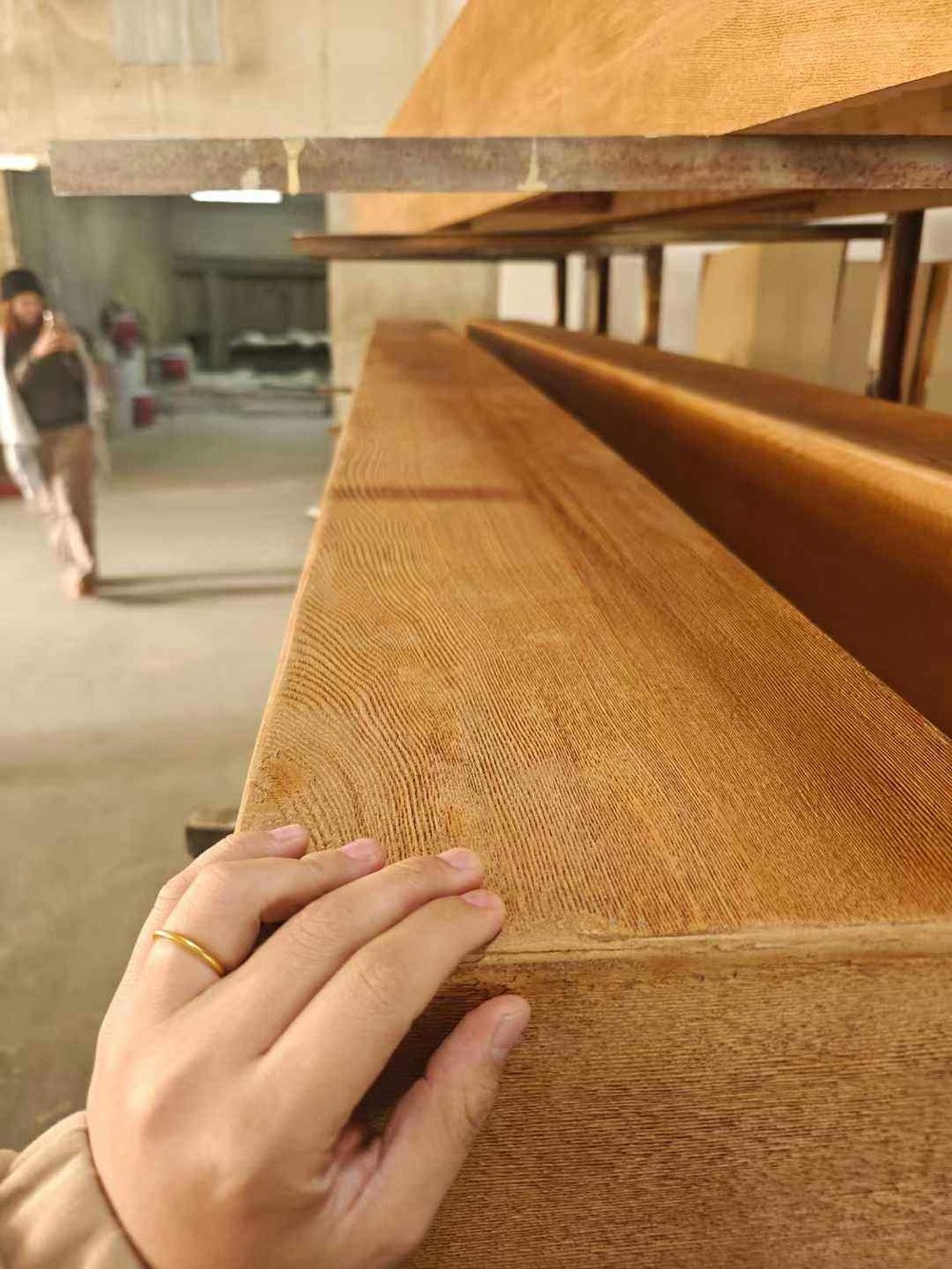
Sustainability claims tend to be partial. A polyurethane beam manufacturer talks about forest preservation while avoiding questions about petrochemical feedstock. A timber supplier emphasizes renewable raw materials while downplaying the chemicals required for treatment and the carbon footprint of long-distance shipping. Neither story is the whole truth. A proper sustainability analysis walks through every lifecycle stage and weighs the tradeoffs honestly.
For procurement professionals, designers, and homeowners who need to make defensible material choices, that full lifecycle view is the only path to confident decisions. Polyurethane faux beams look different when examined across the complete timeline rather than any single stage. The honest analysis sometimes favors them, sometimes favors real timber, and often favors neither. Context matters.

Setting Up a Proper Sustainability Analysis
A sustainability analysis that produces useful answers follows a defined framework. The most widely accepted approach for building materials is the Lifecycle Assessment method, which segments environmental impact across five stages: raw material extraction, manufacturing, transportation, use, and end of life.
Each stage receives its own quantification of energy use, emissions, water consumption, and waste generation. The accumulated totals provide the comparison basis between competing materials. Several standardized databases and certification programs support this work, including Environmental Product Declarations, the LEED certification framework, and various national green building standards.
Choosing the Functional Unit
Every lifecycle assessment needs a functional unit to anchor the comparison. For faux beam analysis, the typical functional unit is one linear foot of decorative beam serving a 25-year service life in a residential interior. That standard allows direct comparison between competing materials on equal terms.
The functional unit definition matters because different assumptions produce different conclusions. A 10-year comparison might favor materials that perform well initially but require replacement. A 50-year comparison shifts the advantage toward materials with longer service lives. Choose the functional unit carefully before drawing conclusions from a published analysis.
Defining System Boundaries
System boundaries determine what gets counted in the analysis and what gets excluded. A cradle-to-grave analysis includes raw material extraction through disposal. A cradle-to-gate analysis stops at the manufacturing exit door. A gate-to-gate analysis focuses only on the manufacturing stage.
Most published sustainability comparisons for building materials use cradle-to-gate boundaries because that is where manufacturers have reliable data. Consumers interested in full lifecycle impact must extend the analysis themselves, accounting for transportation to site, installation impacts, service life, and eventual disposal.
Raw Material Extraction and Feedstock
The raw material stage is where polyurethane beams face their sharpest sustainability criticism. The base ingredients are isocyanates and polyols derived from petroleum, which means polyurethane beams carry fossil fuel origins.
Petrochemical Feedstock Analysis
Polyurethane production consumes a relatively small volume of petroleum per finished beam. The exact number depends on beam size and density, but it is far less than the petroleum required to manufacture equivalent volume of aluminum, steel, or many plastics.
Where the petroleum is sourced also matters. Polyols manufactured from natural gas liquids carry a different carbon footprint than polyols manufactured from crude oil derivatives. Manufacturers sourcing from gas-based feedstocks often show meaningfully lower cradle-to-gate emissions.

Bio-Based Polyurethane Alternatives
The industry is moving toward bio-based polyols derived from soy, castor, palm, and other plant sources. These plant-derived ingredients can replace 20 to 60 percent of the petroleum content depending on formulation. The remaining petroleum content is typically the isocyanate component, which is harder to replace with biological alternatives.
Bio-content percentages appear in manufacturer technical data sheets. Higher percentages generally correspond to lower cradle-to-gate carbon footprints, though the agricultural impact of the feedstock crop must also be considered. Soy farming carries land use and pesticide considerations that complicate the simple story of bio-based being automatically better.
Timber Feedstock as Comparison
Real timber beams start with harvested trees. Sustainably managed forests regenerate, making timber a renewable raw material in principle. But actual forest management practices vary widely, and global timber supply chains include significant volumes of unsustainably harvested wood.
Certified sources like FSC, PEFC, and SFI attempt to address this variation. They certify that timber comes from forests managed to specific environmental and social standards. Certified timber costs more but provides genuine assurance about feedstock origins.
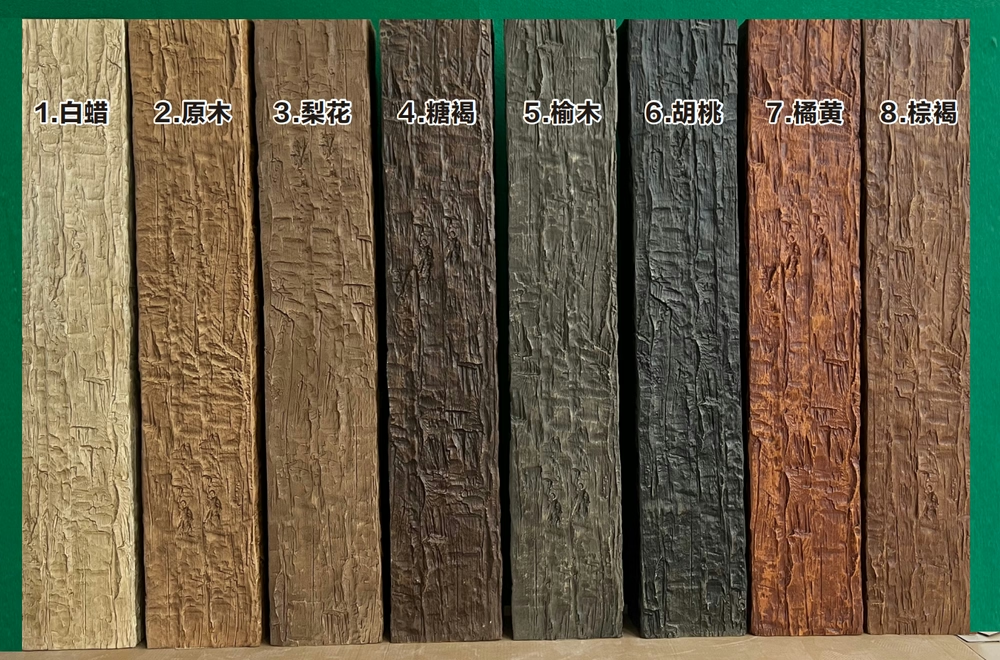
Manufacturing Stage Impacts
Manufacturing converts raw materials into finished beams. The environmental impacts differ significantly between polyurethane and timber processing.
Polyurethane Manufacturing Profile
Polyurethane beam manufacturing involves several stages: mold preparation, foam pouring, curing, demolding, finishing, and packaging. Each stage consumes energy and may generate emissions or waste.
The foam pouring stage typically uses pentane or another blowing agent to create the closed-cell structure. These blowing agents can be significant greenhouse gases if released to atmosphere. Modern manufacturing captures and recycles blowing agents to minimize emissions.
Energy consumption is highest during the curing stage, where polyurethane beams rest in temperature-controlled environments for hours. Manufacturers using renewable electricity or waste heat recovery can dramatically reduce this footprint.
Timber Manufacturing Profile
Timber beam processing begins with sawing green wood into rough blanks. The blanks are then kiln-dried, which requires substantial energy over weeks of processing time. Dried blanks are milled to final profile, sanded, and finished.
The kiln-drying stage is the most energy-intensive part of timber beam manufacturing. Solar kilns and biomass-fired kilns reduce this footprint, but conventional kiln-drying remains common. Preservative treatment, when required, adds chemical handling concerns to the manufacturing profile.
Direct Manufacturing Comparison
Modern studies comparing cradle-to-gate emissions for polyurethane and timber beams suggest polyurethane generally carries lower manufacturing emissions for comparable beam sizes. The energy intensity of timber drying, milling, and finishing tends to exceed the energy intensity of polyurethane foam pouring and curing for similar dimensional products.
Transportation Footprint
Transportation frequently gets overlooked in sustainability analyses, but it can dominate the total impact for heavy materials transported long distances.
Weight and Volume Considerations
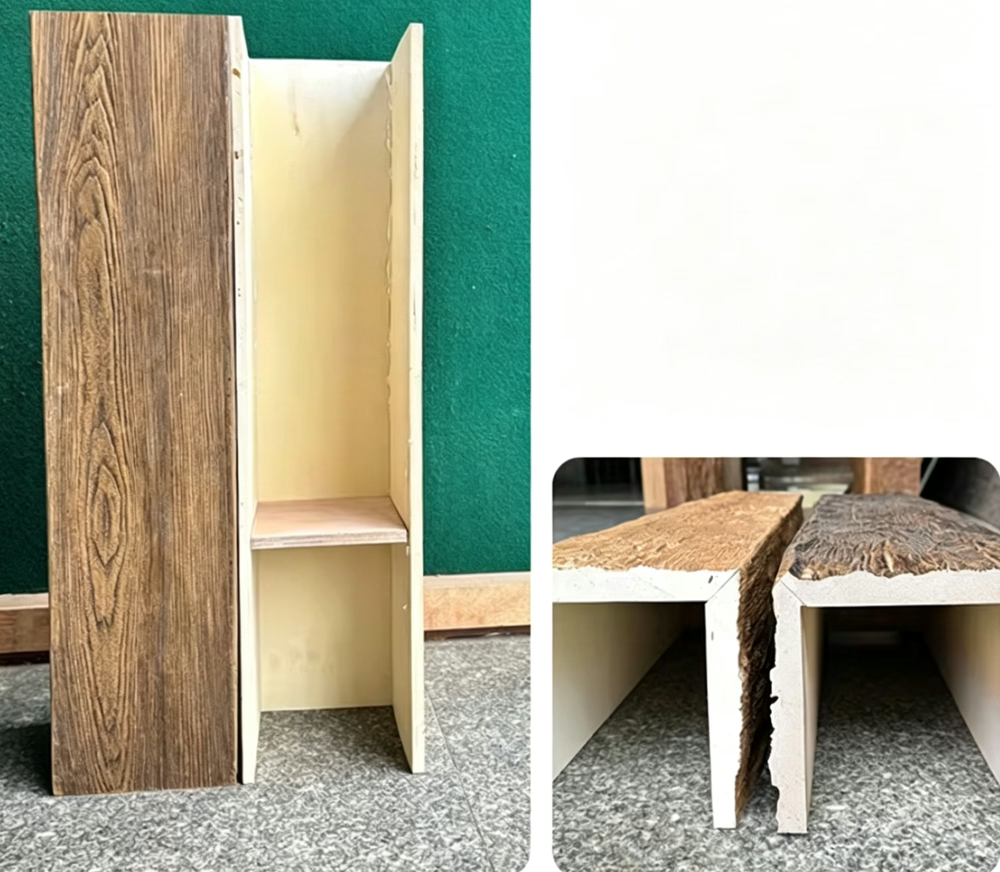
Polyurethane beams are dramatically lighter than comparable timber beams. A 12-foot polyurethane beam in a typical 6-by-8 profile weighs around 20 pounds. A comparable timber beam weighs 80 to 120 pounds. That four-to-six-times weight difference translates directly into lower transportation emissions per beam.
Shipping density matters as much as absolute weight. A truck carrying polyurethane beams can transport a higher volume of beam per trip because the load is lighter and easier to handle. Truck payloads are often weight-limited rather than volume-limited for beam products.
Distance and Mode Considerations
Both materials travel by truck for regional distribution and by ocean container for international shipment. The lighter weight of polyurethane reduces fuel consumption per mile for any given distance.
Where polyurethane has a particular advantage is in air freight scenarios. Emergency replacements, fast-track projects, and small-quantity international orders sometimes ship by air. Weight-based air freight pricing makes polyurethane dramatically more economical and lower-emission in these scenarios.
Use Stage Impacts
The use stage covers everything that happens to the beam during its installed service life. Energy consumption during this stage is limited for both materials, but maintenance activities create notable differences.
Cleaning and Care Requirements
Polyurethane beams require only occasional dusting. No refinishing, no resealing, no chemical treatments. Service life extends to 25 years or more without significant appearance change.
Timber beams may require periodic refinishing, sealing, or restaining depending on the finish type and exposure conditions. Each maintenance event consumes materials and generates waste. The cumulative effect over decades adds measurable environmental impact.
Indoor Air Quality Considerations
Polyurethane beams manufactured to Greenguard or similar standards emit very low levels of volatile organic compounds. They do not off-gas the way that some adhesives, paints, and composite materials do.
Timber beams can carry natural allergens and may be treated with biocides or preservatives that off-gas over time. The specific impact varies dramatically based on species, treatment, and finish selection. Comparing indoor air quality between a polyurethane beam and a timber beam requires product-by-product evaluation.
Repair and Modification Frequency
Polyurethane beams rarely require repair during their service life. The dense polymer surface resists denting and the factory finish resists wear. When repair is necessary, touch-up kits ship with each order at minimal environmental cost.
Timber beams may develop cracks, checking, or finish wear that requires skilled repair. The cumulative impact of these repairs over a building's lifetime can be significant, especially for large exposed timber installations where the visual standard is high.
End of Life Disposal
The end of life stage addresses what happens when the beam is removed or the building is demolished. This stage is often the weakest part of polyurethane's sustainability story.
Polyurethane Disposal Reality
Polyurethane is not biodegradable. Municipal recycling programs rarely accept polyurethane products. Disposal typically means landfill, where the material sits inert for centuries without significant decomposition.
Industrial polyurethane scrap from manufacturing can be ground and reused in lower-grade applications. Some manufacturers operate take-back programs that recover installed beams for recycling or downcycling. These programs are limited in scale but represent the leading edge of circular economy thinking for the category.
Timber Disposal Reality
Timber beams at end of life can be reused, recycled, composted, or burned for energy. The disposal pathways are well-established and accessible in most markets. Quality reclaimed timber beams even have value in the secondary market, which extends their effective service life beyond a single installation.
Comparing End of Life Outcomes
The end of life comparison favors timber because polyurethane lacks comparable disposal options. This is the single strongest argument against polyurethane on sustainability grounds. Projects that prioritize circular economy principles may legitimately choose real timber for this reason alone.
Putting the Lifecycle Analysis Together
Once the individual stages are quantified, the full lifecycle analysis can reveal which material wins on which metrics. The honest answer is that the results depend on specific circumstances.
Where Polyurethane Tends to Win
For decorative interior applications where long service life matters, where maintenance resources are scarce, and where transportation distances are significant, polyurethane beams often beat real timber on total lifecycle impact. The transportation advantage alone can dominate comparisons across long distances.
Where Timber Tends to Win
For applications where end-of-life disposal matters more than service life, where local certified timber is available, and where the visual character of natural wood is essential, real timber often wins on lifecycle analysis. The end of life advantage plus the renewable feedstock advantage combine to favor timber in these contexts.
Where Neither Wins Clearly
Many applications end up essentially tied on lifecycle analysis. The differences become small enough that design preferences and budget considerations can drive the decision without sacrificing meaningful sustainability goals. This is healthy news for designers who do not want sustainability mandates to dictate every material choice.
Applying Analysis to Real Projects
Taking a sustainability analysis from theory to practice requires deciding which stages matter most for a specific project.
Project-Specific Weighting
Different projects prioritize different lifecycle stages. A museum renovation emphasizing healthy indoor air quality might weight the use stage more heavily than the transportation stage. A tropical resort emphasizing carbon footprint reduction might weight transportation and cradle-to-gate emissions more heavily.
Establish the weighting before reviewing material options. That sequence forces honest discussion of what sustainability means for the project rather than retrofitting a sustainability narrative to support a pre-selected material.
Engaging Sustainability Consultants
For projects with serious sustainability commitments, engaging a qualified sustainability consultant pays for itself. These professionals can run formal lifecycle assessments, review manufacturer documentation, and provide third-party validation that procurement professionals and design teams need to defend their choices.
The investment typically scales with project size. A single-room residential project may justify only a few hours of consultant time. A commercial campus development with ambitious sustainability targets justifies ongoing consulting across the entire project team.
Limitations of Current Sustainability Data
Honest acknowledgment of data limitations improves the credibility of any sustainability conclusion.
Incomplete Manufacturer Disclosure
Not every manufacturer publishes comprehensive Environmental Product Declarations. Smaller producers in particular may lack the resources or motivation to document their full environmental profile. Estimate the missing data using industry averages, but acknowledge the uncertainty in any final recommendation.
Variations Across Production Facilities
A manufacturer may operate multiple production facilities with different environmental profiles. A polyurethane plant in Norway running on hydroelectric power carries a different footprint than a similar plant in a coal-heavy region. Specify the production facility when sustainability claims matter for procurement decisions.
Evolving Standards
Building industry sustainability standards continue to evolve. LEED, BREEAM, WELL, and similar frameworks update their criteria on multi-year cycles. Sustainability analyses conducted today may require refresh in a few years as standards shift and as manufacturing practices respond.
Substitution Effects
Material selections cascade through supply chains in ways that sustainability analyses struggle to capture. Reducing polyurethane demand may increase demand for alternative materials with their own environmental profiles. Increasing demand for reclaimed timber may inflate prices and shift harvesting incentives in ways that produce unintended consequences.
What Sustainability Analysis Cannot Decide
Some sustainability choices involve values that data alone cannot resolve. Polyurethane may have lower cradle-to-gate emissions but worse end-of-life options. The decision between these tradeoffs depends on which value the stakeholders prioritize.
Forest Preservation Versus Petrochemical Concern
A buyer who prioritizes forest preservation above other considerations will often choose polyurethane, even while accepting petrochemical feedstock concerns. A buyer who prioritizes minimizing petrochemical use above other considerations may choose timber, even while accepting forest impact concerns. Neither position is wrong in itself. The right choice depends on which value sits higher in the specific decision context.
Carbon Footprint Versus Disposal Reality
A buyer who prioritizes near-term carbon footprint reduction will often favor polyurethane because of the transportation and use stage advantages. A buyer who prioritizes circular economy principles and end-of-life sustainability will often favor timber because of the disposal and reuse opportunities. Again, both positions have legitimate grounding.
Visual Character Versus Lifecycle Numbers
Polyurethane beams deliver convincing wood appearance but lack the character of real wood. The minute variations in grain, the subtle color shifts, the way wood responds to light over decades. None of these qualities appear in lifecycle analyses, but they matter enormously for projects where authenticity is the point.
Sustainability analysis provides structure and data. It cannot make decisions that depend on values that data does not capture. The honest analysis tells you what the tradeoffs are. The honest decision then weighs those tradeoffs against the values that the project and the stakeholders hold most important.
Moving Forward With Clearer Eyes
A real sustainability analysis of polyurethane faux beam materials leaves the reader with a more nuanced view than most marketing materials suggest. The product is neither savior nor villain. It is one option among many, with specific advantages and specific disadvantages across the lifecycle.
Procurement professionals and designers who commit to honest analysis will sometimes choose polyurethane, sometimes choose timber, and sometimes choose neither. The right answer depends on the specific project context, the values of the stakeholders, and the quality of the available alternatives. What matters is that the decision emerges from clear analysis rather than from default habits or partial information.
Technical References
ASTM standards cited in every specification
Test Data
Lab results from internal testing program
Updated 2026
Reviewed against current product specs