Embossed Cast Texture PU Wood Beams for Ultra Realistic Surface Detail
The difference between a faux beam that fools the eye and one that obviously doesn't comes down to surface detail. Anyone can mold a beam into a rectangular shape. The artistry lies in capturing the depth, variation, and character of real timber surface.
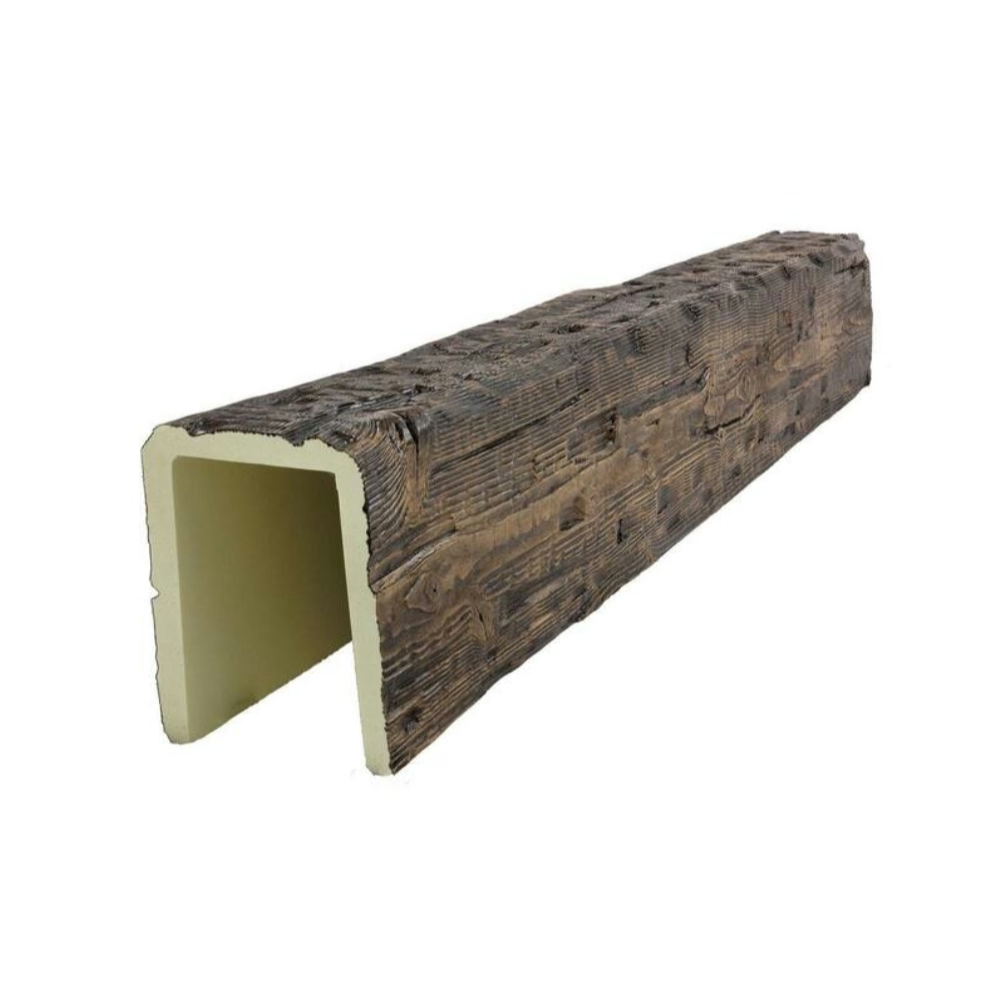
Embossed cast texture technology is the manufacturing approach that gets closest to authentic wood. By pressing the polyurethane material against master patterns taken from actual aged timber, manufacturers create surfaces that show every grain line, knot, and weathered facet that real wood shows.

How Embossed Casting Works
The embossed casting process begins with selecting real timber that has the desired character. For wood beam reproduction, manufacturers often start with reclaimed beams from old barns and industrial buildings, where decades of weathering have created distinctive surface qualities.
Master Pattern Creation
The selected timber gets carefully prepared and then used to create a master pattern. This master captures every surface feature, including grain patterns, knots, cracks, and tool marks. Modern masters are typically made from high-density materials that can withstand repeated production cycles.
Multiple masters are created from each timber source, allowing production to continue as masters wear. The masters are stored carefully and replaced periodically to maintain consistent quality.
Mold Production
The masters are used to create production molds. These molds carry the negative impression of the timber surface. When polyurethane is cast against these molds, it picks up every detail of the original timber.
Production molds are made from materials selected for durability and dimensional stability. A high-quality mold can produce thousands of beam sections before needing replacement.
Casting Process
The polyurethane material is prepared as a liquid resin and poured or injected into the mold. The material cures against the mold surface, taking on the texture detail. Once cured, the beam is removed, finished, and prepared for shipment.
The casting process produces consistent results across production runs. Every beam shows the same surface character that was captured in the original timber.
What Embossed Casting Captures
The detail captured by embossed casting goes well beyond simple grain patterns.
Grain Depth
Real wood grain isn't just a visual pattern. It's a physical surface. The earlywood and latewood rings of the original tree grew at different densities, and that difference creates actual depth variation across the surface.
Embossed casting reproduces this depth. When you run your hand across a high-quality embossed beam, you can feel the grain. The soft earlywood sits slightly lower than the dense latewood. This tactile quality makes the beam read as authentic even when someone touches it.
Knot Patterns
Knots in real timber are visually distinctive and physically raised. The grain pattern wraps around the knot as the tree grew around the branch. This creates a complex surface feature that simple printing can't capture.
Embossed casting captures the full three-dimensional character of knots. The surface rises around the knot, the grain lines flow naturally into and out of it, and the slight color variations around the knot are molded into the material.
Weathered Character
Old timber shows the effects of decades or centuries of exposure. Raised grain from repeated wetting and drying. Cracks from thermal cycling. Surface erosion from wind and rain. Each of these features has physical depth that embossed casting captures.
The weathered character is what makes faux beams read as authentic. New timber looks new. Old timber looks old. Embossed casting allows manufacturers to reproduce the aged appearance that customers actually want.
Tool Marks
Hand-hewn and early-sawn timber shows tool marks that aren't present in modern lumber. Axe cuts, adze marks, and pit saw lines all create distinctive surface patterns.
These marks have actual depth. They're not just visual effects applied to a smooth surface. Embossed casting reproduces them as real surface features that catch light and create shadow.
Why This Detail Matters
Some buyers question whether surface detail justifies the cost premium of embossed cast beams over smoother alternatives. The answer depends on how the beam will be used.
Where Realism Matters Most
In luxury residential and high-end commercial installations, the realism of the beam directly affects the perceived quality of the entire space. Designers and homeowners who specify these beams do so because they don't want anything in the room to look artificial.
In these applications, embossed cast beams deliver the realism that justifies their cost. Visitors to the home or business will see beams that look like authentic timber, even on close inspection.
Where Simpler Textures Suffice
In applications where beams are viewed from a distance, where other design elements dominate, or where budget is a primary constraint, simpler textures can work. A smooth faux beam with printed grain pattern reads as wood from across a large room.
For garage workshops, basement rec rooms, and rental properties, the investment in embossed cast texture may not pay back in visible quality improvement.
Comparing Embossed Casting to Other Texture Methods
Several manufacturing approaches exist for creating faux beam surface texture. Each has strengths and limitations.
Printed or Stamped Texture
Lower-cost faux beams often use printed or shallow stamped textures. The grain pattern is a visual effect applied to a relatively smooth surface. From a distance, these beams look like wood. Up close, the surface feels artificial because the grain has no depth.
These beams work for budget applications and for installations where close inspection isn't expected.
Hand-Finished Texture
Some manufacturers apply hand-finishing techniques to molded beams. After molding, craftspeople add additional texture by hand-carving details or applying patina effects. This produces unique-looking beams at premium prices.
Hand-finished beams offer variation that mass production can't match. The labor cost limits their use to high-end projects where the budget supports individual attention.
Embossed Cast Texture
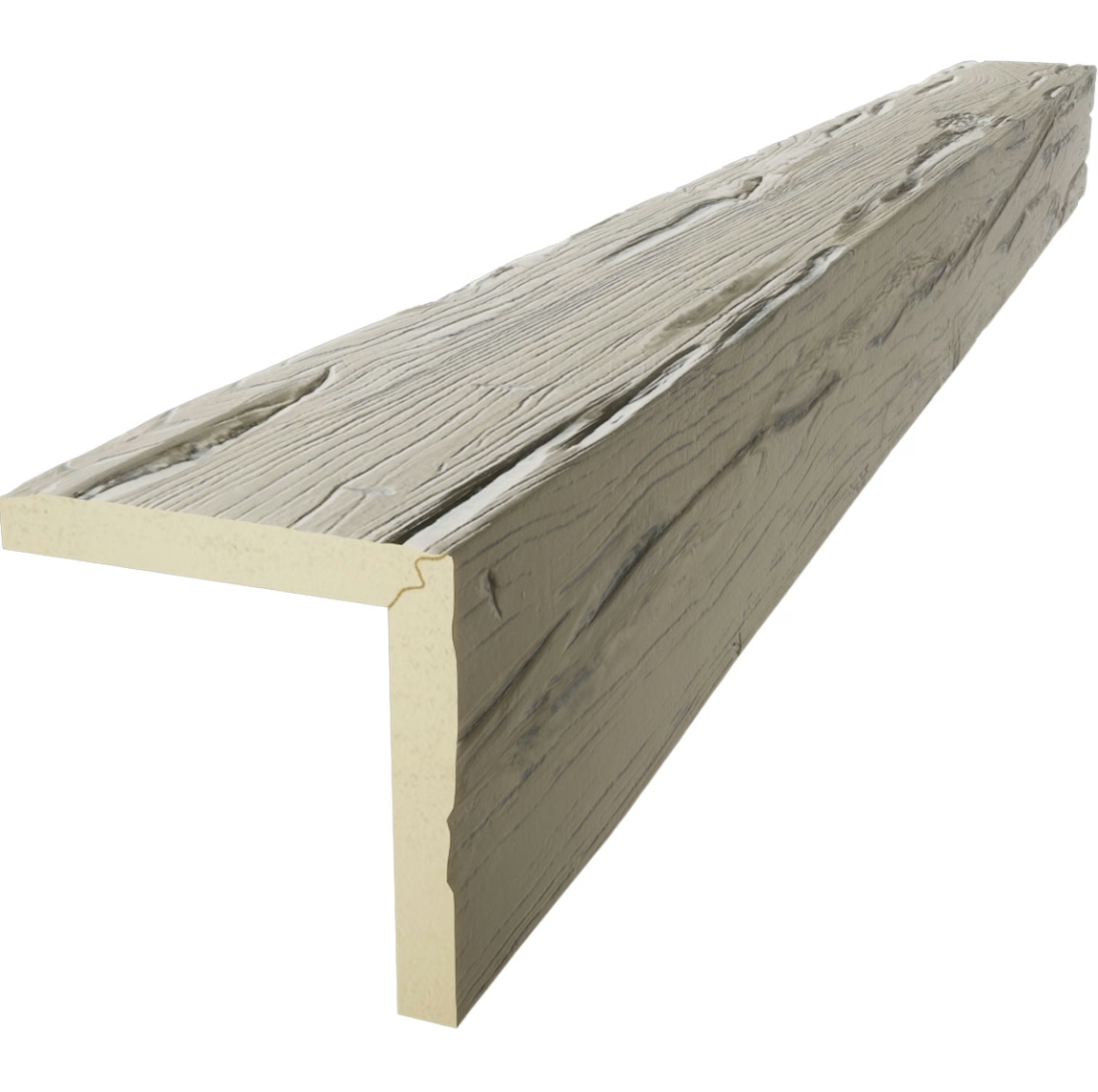
The middle ground between mass production and hand finishing. Embossed casting produces the depth and authenticity of real timber surfaces at production volumes that keep costs manageable.
For most premium residential and commercial installations, embossed cast texture provides the best balance of realism, consistency, and cost.
Maintenance of Embossed Surfaces
The detailed surface of embossed cast beams requires slightly different care than smooth faux beams.
Dust Accumulation
Detailed surfaces collect dust in the crevices of the texture. Regular dusting with a soft brush attachment on a vacuum cleaner keeps the surface clean without damaging the texture.
Avoid feather dusters that can push dust into the texture rather than removing it.
Cleaning
For deeper cleaning, a damp microfiber cloth works well. Avoid harsh chemicals that might affect the finish. The closed polyurethane surface doesn't absorb liquids, so cleaning is straightforward.
For textured beams with darker finishes, occasional cleaning with a wood-grain cleaner designed for synthetic surfaces maintains the appearance without affecting the texture.
Long-Term Wear
The polyurethane material is durable, but sharp impacts can damage the textured surface. Avoid contact with hard objects during installation and use. Touch-up kits are available from manufacturers for minor repairs.
Choosing Embossed Cast Beams for Your Project
When selecting embossed cast beams, consider the production method and the source of the original timber.
Source Material
Manufacturers that use reclaimed timber from genuinely old buildings produce beams with character that can't be replicated from new wood. The weathering on century-old timber has depth and complexity that even the best molding processes can't fake from fresh lumber.
Mold Quality
Not all embossed cast beams use the same mold quality. Higher-end manufacturers use molds that capture more detail and produce more consistent results. Ask manufacturers about their mold maintenance and replacement schedules.
Color Integration
The color of embossed cast beams should be integrated into the material rather than applied as a surface coating. Through-color polyurethane maintains its appearance even if the surface gets scratched, while surface-applied finishes can show wear at damaged areas.
A Final Word on Detail
The difference between a faux beam that looks like plastic and one that looks like timber comes down to a few thousandths of an inch of surface variation. That small depth of detail, properly cast, is what the eye reads as authentic. It's also what the hand feels as it runs across the surface. Embossed cast texture captures that detail at a level that other manufacturing methods can't match.
For projects where authenticity matters, embossed cast PU wood beams deliver the closest thing to real timber available in a manufactured product.
Technical References
ASTM standards cited in every specification
Test Data
Lab results from internal testing program
Updated 2026
Reviewed against current product specs


