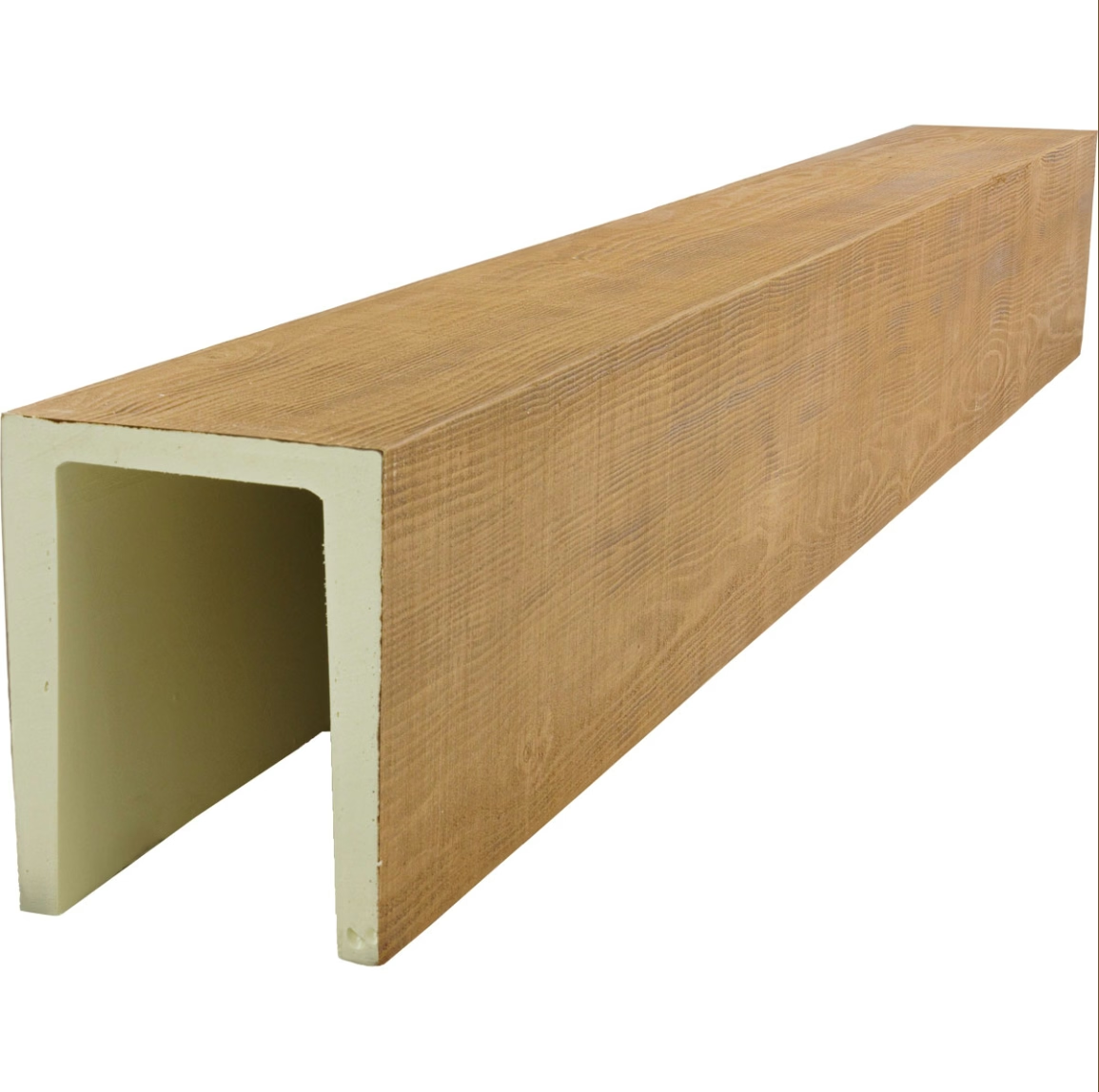
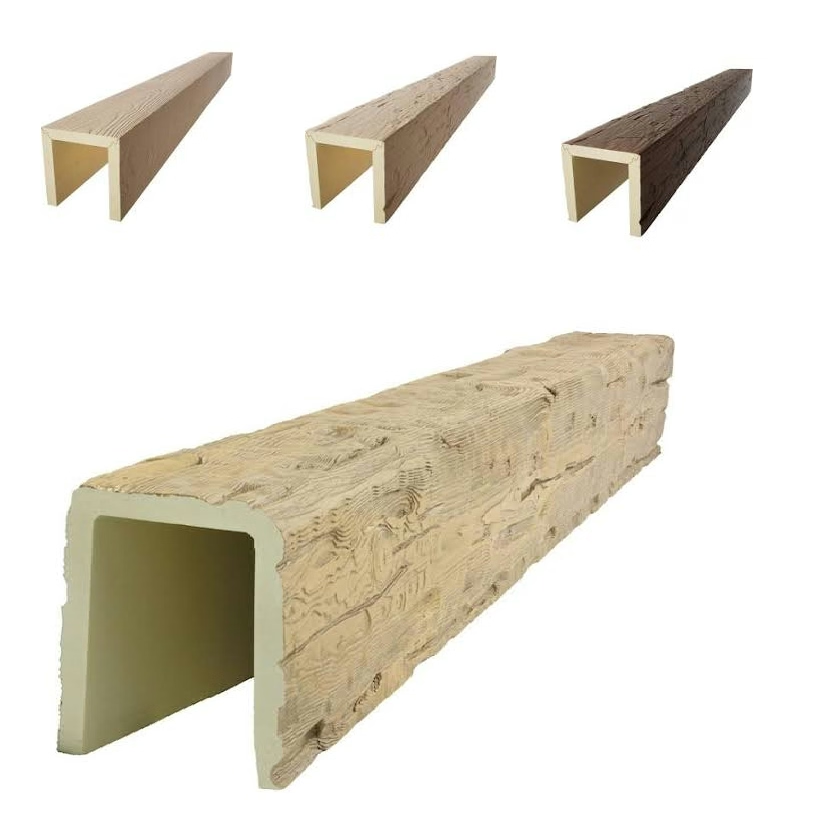
Embossed Molded Wood Grain PU Faux Beams for Ultra Realistic Simulation
The goal of faux timber is to reproduce the appearance of real wood convincingly. The simplest approach prints a wood grain pattern onto a smooth surface. From a distance, it can pass. Up close, the illusion collapses because the surface feels flat.
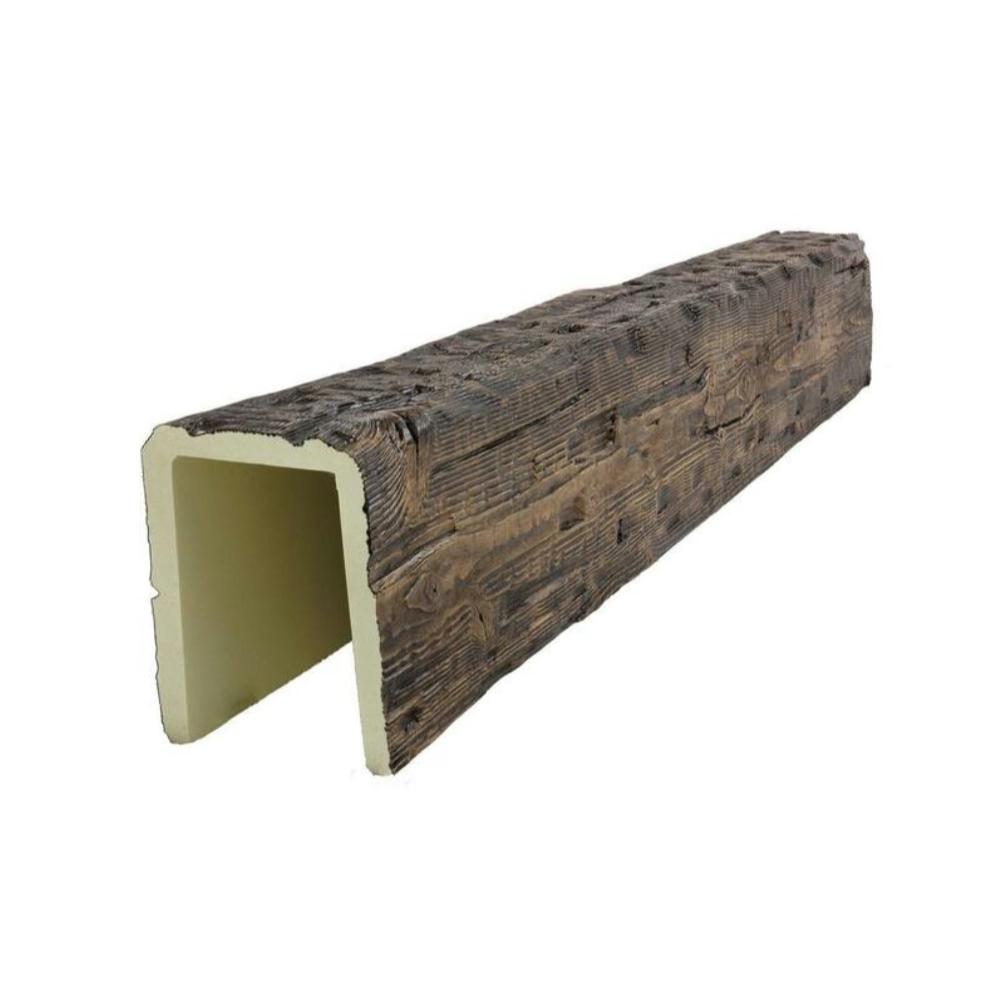
Embossed molded grain takes a different approach. The grain texture isn't applied to the surface. It's part of the surface. Every line, pore, and grain pattern has actual physical depth. The eye reads depth as authentic. The hand feels depth and confirms it.
This depth is what makes the difference between a faux beam that looks like wood and one that looks like plastic printed with wood.

How Molded Grain Texture Works
The embossed molding process captures wood grain as physical texture rather than as visual pattern.
Creating the Grain Pattern
Manufacturers start with a wood grain master that has the desired character. This might be a piece of real timber with distinctive grain, or it might be a synthetic pattern designed to combine the best features of multiple wood species.
The master carries the grain pattern as physical ridges and valleys. When the polyurethane material is molded against this master, it takes on the inverse pattern as raised grain.
Molding the Beam
The polyurethane is cast or injected into a mold that incorporates the grain master. As the material cures, it bonds to the grain pattern at a molecular level. Once removed from the mold, the beam carries the grain texture as an integral part of its surface.
This isn't a coating that can wear off. The grain extends through the surface layer of the polyurethane. If the beam is scratched, the scratch reveals more polyurethane with the same grain texture, not a different underlying material.
Color Integration
The most realistic embossed molded beams integrate color with the texture. The grain valleys receive slightly darker coloration, while the raised grain catches lighter tones. This contrast enhances the visual depth of the texture.
Through-color polyurethane materials achieve this by varying pigment density throughout the material. Surface-applied stains can also enhance the texture, but they don't penetrate as deeply.
What Realistic Simulation Requires
The term "realistic" gets used loosely in marketing materials. A clearer definition helps when evaluating options.
Visual Depth
Real wood grain has visual depth because the grain lines create actual shadows. Light hitting a wood surface at an angle shows the grain pattern through shadow variation, not just through color contrast.
Embossed molded grain reproduces this visual depth. Light hitting the embossed surface creates real shadows in the grain valleys, exactly as it would on real timber. This is what the eye reads as authentic.
Tactile Feedback
The hand provides information that the eye alone can't. When fingers run across a smooth surface with printed grain, they feel the smoothness and the visual contradicts the tactile information. The brain registers the inconsistency.
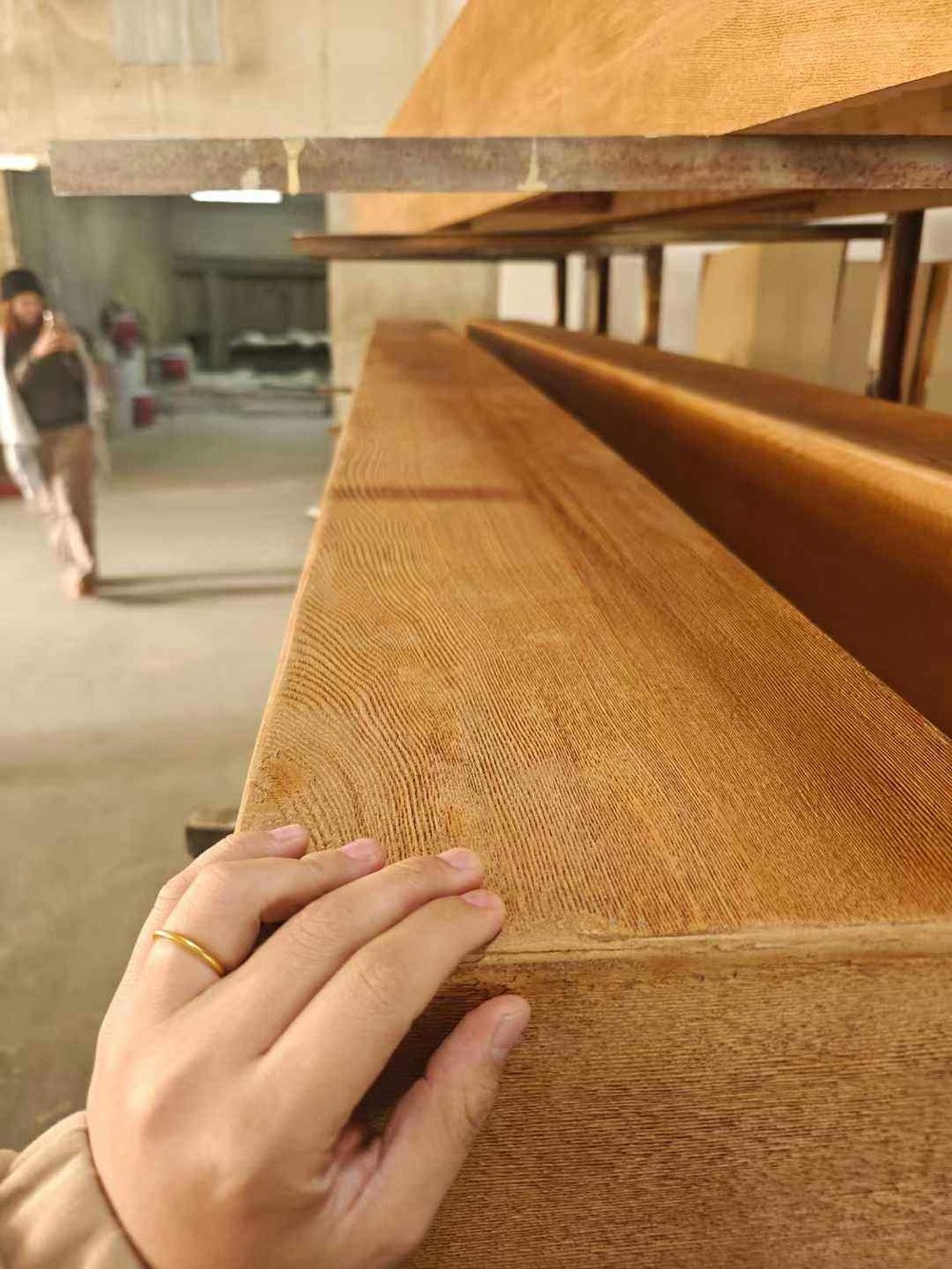
When fingers run across embossed molded grain, the tactile and visual information align. The grain has physical depth that the hand can feel. This consistency is what makes the simulation convincing.
Pattern Variation
Real wood grain varies across the surface of any timber piece. No two sections look identical. The grain direction shifts slightly, density varies, and occasional knots or irregularities appear.
Embossed molded beams capture this variation. The mold incorporates multiple grain patterns that shift across the length of the beam. A beam that has the same grain pattern repeated identically reads as artificial even with physical texture.
Appropriate Scale
The depth and frequency of grain texture should match what would appear in real timber of similar character. Fine grain in a delicate hardwood looks different from coarse grain in a softwood.
Manufacturers who understand wood behavior produce molds with appropriate grain scale for each product line. Beams designed to simulate old-growth oak have different grain characteristics than beams simulating new pine.
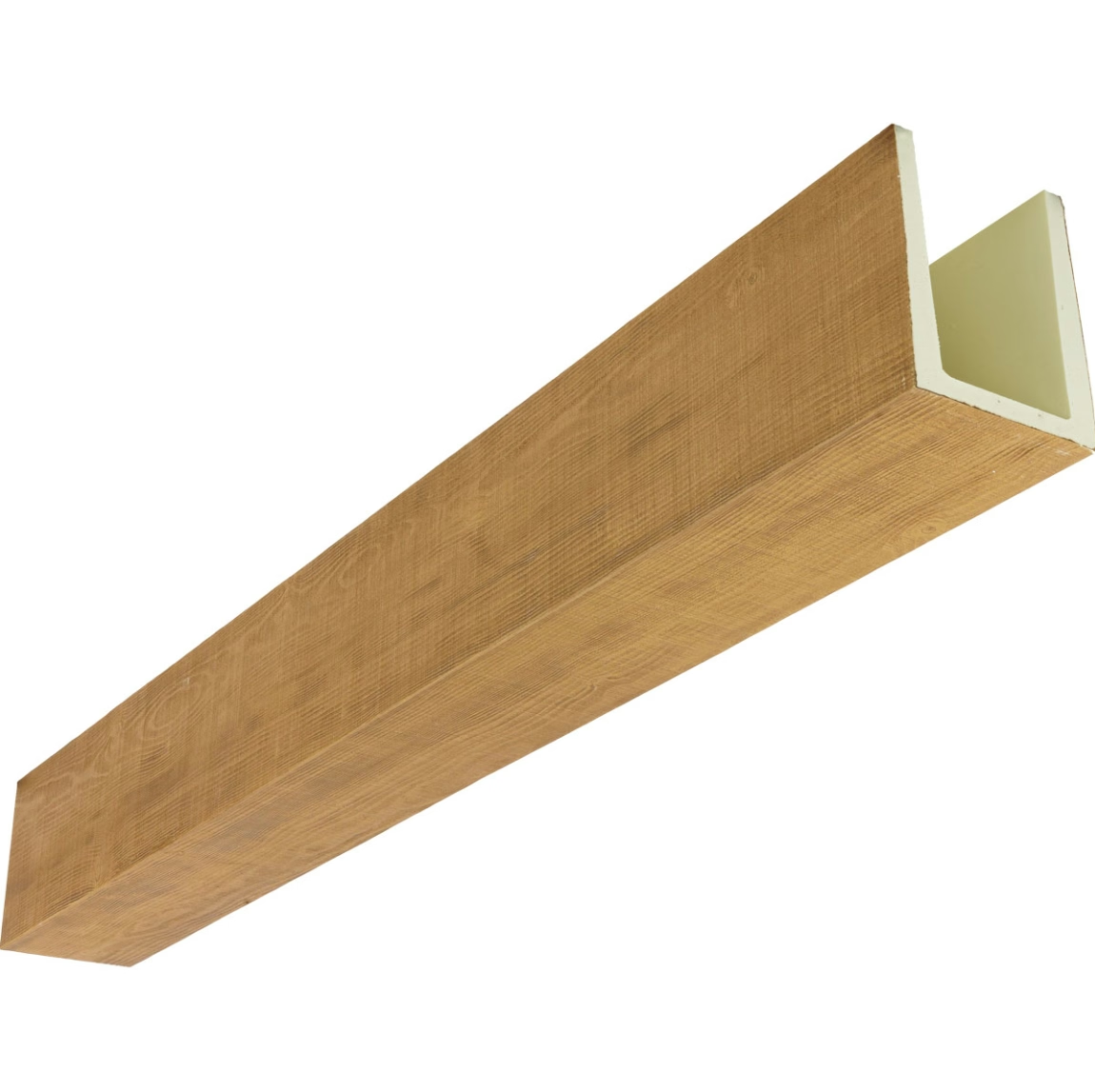
Differences Between Embossed Molded and Printed Grain
The difference between embossed molded grain and printed grain becomes obvious on close inspection.
Printed Grain Limitations
Printed grain uses ink or pigment to create a wood pattern on a smooth surface. The pattern has visual depth only through color variation. Up close, the surface feels smooth and the pattern reads as a coating.
Printed grain works for applications viewed from across a room. It fails when someone approaches the beam and either looks closely or touches the surface.
Embossed Molded Grain Advantages
Embossed molded grain has actual physical depth. The grain lines can be felt below the surface level. Light creates real shadows in the valleys of the grain.
This physical texture maintains its appearance under varied lighting conditions. In raking light that emphasizes surface variation, embossed molded grain looks like real wood. Printed grain looks like a flat surface with a pattern.
Applications Where Embossed Molded Grain Pays Off
Some installations benefit more from embossed molded grain than others.
Premium Residential
In custom homes and luxury renovations, the ceiling is part of the design statement. Beams with embossed molded grain support the quality narrative that the rest of the home establishes.
Buyers at this level expect materials to perform under scrutiny. Embossed molded grain meets that expectation. Printed grain does not.
Hospitality
Hotels, restaurants, and clubs use ceiling beams to create atmosphere. The atmosphere only works if the beams pass visual inspection. Embossed molded grain maintains the atmosphere. Printed grain can break it with the first close inspection by a guest.
Retail and Showrooms
In retail environments, every design element contributes to brand perception. Faux beams in a clothing store or furniture showroom need to look authentic because the surrounding merchandise is real wood. Embossed molded grain maintains the quality impression. Printed grain undermines it.
Applications Where Printed Grain Suffices
Garages, basements, rental properties, and other applications where close inspection is unlikely can use printed grain without issue. The cost savings over embossed molded grain make sense when the realistic appearance isn't critical.
Evaluating Embossed Molded Beams
Several factors help evaluate the quality of embossed molded faux beams.
Mold Source
High-quality manufacturers use masters created from genuinely characterful timber. Lower-cost options may use synthetic patterns that lack the depth and variation of real wood.
Ask manufacturers about the source of their grain masters. Reclaimed timber masters generally produce more authentic results.
Pattern Repetition
Examine multiple sections of beam to see how the grain pattern varies. Quality embossed molding produces visible variation across the length of a beam and across beams in the same production run.
Excessive pattern repetition suggests a simpler molding process that doesn't capture the natural variation of real timber.
Color Depth
Look at the grain valleys closely. They should show darker coloration that enhances the perception of depth. If the grain has no color variation, the embossed texture alone does the work, which limits the realism.
Quality manufacturers integrate color with the molded texture rather than applying color as a separate finishing step.
Edge and Corner Detail
The edges and corners of a beam reveal manufacturing quality. Embossed molded grain should wrap around edges with appropriate texture for the cut direction. Beams that show grain stopping at the edges look artificial.
Quality manufacturers manage the texture mapping across the entire beam surface, including the edges and end joints.
The Value of Authentic Simulation
Realistic wood simulation serves a purpose beyond visual trickery. It allows designers to specify the timber aesthetic they want without the weight, cost, and maintenance of solid wood.
Embossed molded grain is the technology that gets closest to authentic appearance. The physical texture depth, integrated coloration, and pattern variation work together to create beams that read as timber under any reasonable scrutiny.
For projects where the beams will be seen, touched, and integrated into a quality design, embossed molded grain is the appropriate specification. It costs more than printed alternatives, but it delivers a result that justifies the investment.
Technical References
ASTM standards cited in every specification
Test Data
Lab results from internal testing program
Updated 2026
Reviewed against current product specs