
The phrase "natural timber replica" gets used loosely in the faux beam industry. Some suppliers mean a generic wood grain pattern drawn into the mold surface. Others mean a pattern that resembles a particular species but was designed by a graphic artist rather than captured from real timber. Only a smaller subset of factories actually cast their polyurethane beams from real timber originals, and that distinction is what separates a beam that looks plausible from a beam that looks genuinely like wood.
Direct casting from natural timber is a multi-step process that starts with careful selection of the source boards. Master timber pieces are chosen for their combination of grain pattern, knot character, and overall visual interest. Boards with straight, undistinguished grain are passed over in favor of pieces that show the kind of character designers prize. Once selected, the timber is sealed, prepared, and used as the master pattern for high-resolution silicone molds.
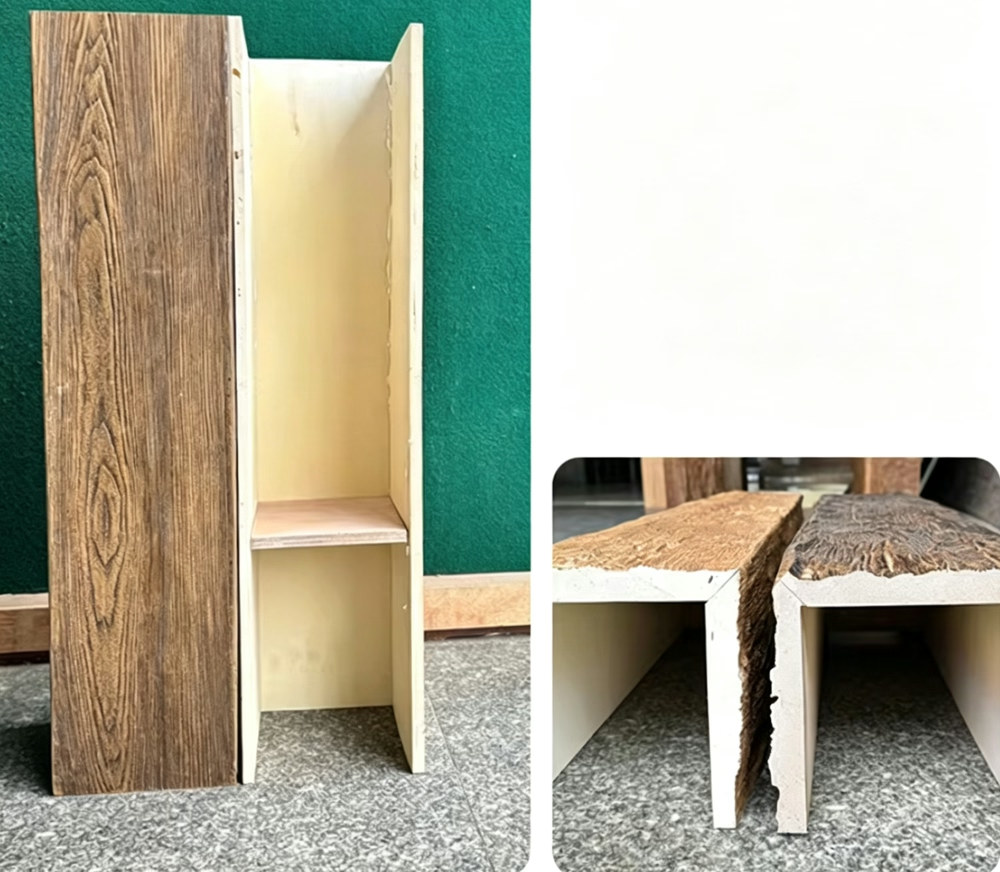
What comes out of those molds carries the exact surface topography of the original board. Every ridge of grain, every knot depression, every subtle transition from early wood to late wood translates into the polyurethane surface. When the cast beam is then finished with stains and glazes that match the color of the original species, the result is nearly indistinguishable from real timber under most viewing conditions.
The difference between cast and etched surfaces
The surface distinction matters more than many buyers realize. An etched grain pattern, where a CNC machine or chemical process cuts grooves into a steel mold, produces a regular, repeating texture that the eye eventually reads as artificial. The grooves are uniform in depth, consistent in spacing, and lack the subtle irregularities that natural wood develops over decades of growth.
A cast surface, by contrast, has the natural irregularity of real wood. Grain lines vary in depth and width as they cross the board. Knots have organic shapes rather than mathematical precision. The transition between early wood and late wood shows the slight color and texture shifts that characterize real timber. Under raking light, a cast surface reveals depth and complexity that an etched surface cannot replicate.
This is why premium projects specify cast faux beams rather than etched ones. Architects designing high-end residential or hospitality spaces know that close inspection reveals the difference. A beam that holds up under close inspection is a beam that maintains the integrity of the design.
Source species and what each contributes
Different timber species produce different visual characters in the final faux beam. White oak is the most commonly cast species for premium faux beams because of its prominent grain pattern and balanced color range. Oak grain shows strong cathedrals in flat-sawn boards and tighter vertical lines in quarter-sawn cuts, giving buyers a range of visual effects to choose from. The natural warm tone of oak finishes well in light, medium, and dark stain options.
Reclaimed pine and Douglas fir produce beams with more pronounced knots and greater color variation. Pine especially has dramatic dark knots against lighter wood, which suits farmhouse and rustic interiors where visible character is part of the aesthetic. Fir produces straighter, more uniform grain with fewer knots, which works better in modern rustic applications.
European oak, particularly French and Slavonian oak, has a slightly tighter grain than American white oak, producing beams with refined character suited to traditional and transitional interiors. Tropical species like teak and mahogany produce distinctive grain patterns with natural oils that inform the faux finish color. Faux beams cast from these species suit specific design contexts but are less universally applicable than oak-based replicas.

How finish enhances the cast surface
A cast surface provides the texture, but the finish provides the readability. Skilled finishers apply multi-step stain and glaze processes that bring out the depth captured in the mold. The technique involves a base stain that establishes the overall wood tone, followed by a glaze that settles into the embossed grain pattern, darkening the recesses and highlighting the ridges.
For a natural oak replica, the finish sequence typically starts with a warm tan base coat that mimics the color of freshly sanded oak. A darker glaze is then applied and partially wiped away, leaving pigment in the grain grooves and at knot edges. A subtle wash of golden tone softens the contrast and adds the warmth that aged oak develops. A final matte topcoat seals the surface without adding plastic-looking gloss.
Walnut replicas follow a similar process but with darker base tones. The deep chocolate brown of walnut requires careful glazing to maintain visible grain detail rather than letting the wood read as a uniform dark mass. Skilled finishers know that walnut grain should be visible even in the darkest stains, because the species naturally shows contrast between early and late wood.
Applications where authenticity is critical
Several design contexts demand the most authentic natural timber replicas available. High-end residential projects where homeowners expect genuine materials often default to faux timber beams because the visual quality has reached the point where authenticity is judged visually rather than materially. The beam looks like timber, weighs a fraction of timber, costs less than timber, and performs better than timber in many respects.
Hospitality projects, particularly boutique hotels and destination restaurants, also prioritize authenticity. Guests photograph interiors and share them on social media, where the difference between a cast and etched surface becomes part of the brand perception. Operators who want their spaces to feel genuinely crafted rather than decorated understand that surface quality matters.
Commercial offices that incorporate timber aesthetics as part of warm-industrial design trends similarly favor cast faux beams. The exposed structure language of these spaces depends on materials that look authentic at every viewing distance. An etched beam that reads correctly at 20 feet may look wrong at 3 feet, and executives who walk through these spaces every day will eventually notice the surface quality.
Performance advantages of authentic replicas
Beyond appearance, faux timber replicas cast from natural timber offer performance benefits that real timber cannot match. Polyurethane is dimensionally stable, meaning it does not expand and contract with humidity changes the way real wood does. A beam installed in a conditioned interior space maintains its dimensions and joint integrity for decades without the warping, twisting, and cracking that real timber can develop.
Insect resistance is another advantage. Real timber beams in certain climates are vulnerable to termites, powderpost beetles, and carpenter ants. Polyurethane has no nutritional value for these pests and is not subject to their damage. For projects in termite-prone regions, faux timber beams eliminate a significant maintenance concern.
Fire performance varies by formulation, but many polyurethane faux beams can be specified with fire-retardant additives that meet commercial building codes. Real timber, by contrast, is combustible and may require fire-resistant treatments or sprinkler coverage to meet the same code requirements. For commercial projects, the fire performance of faux beams can simplify code compliance.
Specification guidance for premium projects
When specifying cast natural timber replicas for a project, several details matter. Confirm with the factory that the mold was taken from a real timber original rather than designed digitally. Ask for documentation or photographs of the master timber if authenticity is a contractual requirement. Some premium factories maintain a library of named master patterns that designers can review and select from.
Specify the timber species, cut direction (flat-sawn, quarter-sawn, rift-sawn), and finish separately. These three choices together define the beam's appearance, and they should be coordinated rather than left to chance. A quarter-sawn white oak beam with a dark walnut stain, for example, produces a very different visual effect than a flat-sawn white oak beam with a similar dark stain. The difference is in the grain pattern visibility.
Request finish samples that show the cast surface under the lighting conditions of the actual installation. A beam that looks ideal in a factory showroom may look different in the cool natural light of a north-facing great room. Sample boards should be large enough to evaluate the surface texture and color variation across a representative area, not just a small swatch that hides the overall effect.
Long-term appearance retention
A common question about cast faux timber replicas is how well they hold up over time. Polyurethane surfaces finished with quality stains and topcoats maintain their color and texture for many years under normal interior conditions. UV exposure is the primary risk, because direct sunlight can gradually lighten or shift the finish color over time.
For installations with significant sun exposure, UV-resistant topcoats are available. These coatings extend the life of the finish significantly, though they do not eliminate color change entirely. In most interior applications where beams are not in direct sunlight, color stability is excellent, with installations showing minimal change over a decade or more.
Surface durability is also good. Polyurethane resists dents, scratches, and chips better than real timber, which is one of the reasons faux beams are popular in commercial settings. Minor surface damage can be repaired with color-matched fillers and touch-up stains, typically invisible to the eye. Major damage is rare because the material is dimensionally stable and does not develop the stress fractures that real timber sometimes shows.
Working with a knowledgeable supplier
The complexity of cast natural timber replicas makes supplier selection important. Factories that specialize in cast surfaces tend to maintain tighter quality control over mold condition, color consistency, and finish application. General polyurethane product factories may offer cast timber finishes as one option among many, with corresponding variation in the quality of the result.
Buyers should request samples from multiple suppliers before committing. The samples should be evaluated in person if possible, with attention to grain depth, color variation, finish quality, and overall authenticity. The cheapest sample rarely produces the most authentic beam, and the differences become apparent quickly under direct comparison.
For ongoing supply relationships, a single trusted supplier is usually preferable to splitting orders across multiple factories. Color and texture consistency within a project depends on consistent production runs, and that consistency is easier to maintain with a single supplier producing all beams in a project. Building that relationship takes time but pays off in consistent quality across multiple projects over the years.
Technical References
ASTM standards cited in every specification
Test Data
Lab results from internal testing program
Updated 2026
Reviewed against current product specs


