The vocabulary of interior design shifts subtly over time, and with it, so do consumer expectations. Decades ago, the term "imitation" carried a pejorative connotation, suggesting something lesser, a compromise born of budget constraints rather than a genuine design choice. Today, the most accomplished interior spaces often feature carefully selected materials that blur the line between authentic and manufactured with deliberate artistry. PU resin faux beams occupy this territory with particular confidence, because the materials science underlying their production has advanced to the point where "imitation" no longer describes a lesser alternative but rather a thoughtfully engineered solution that serves specific practical needs without sacrificing aesthetic ambition.
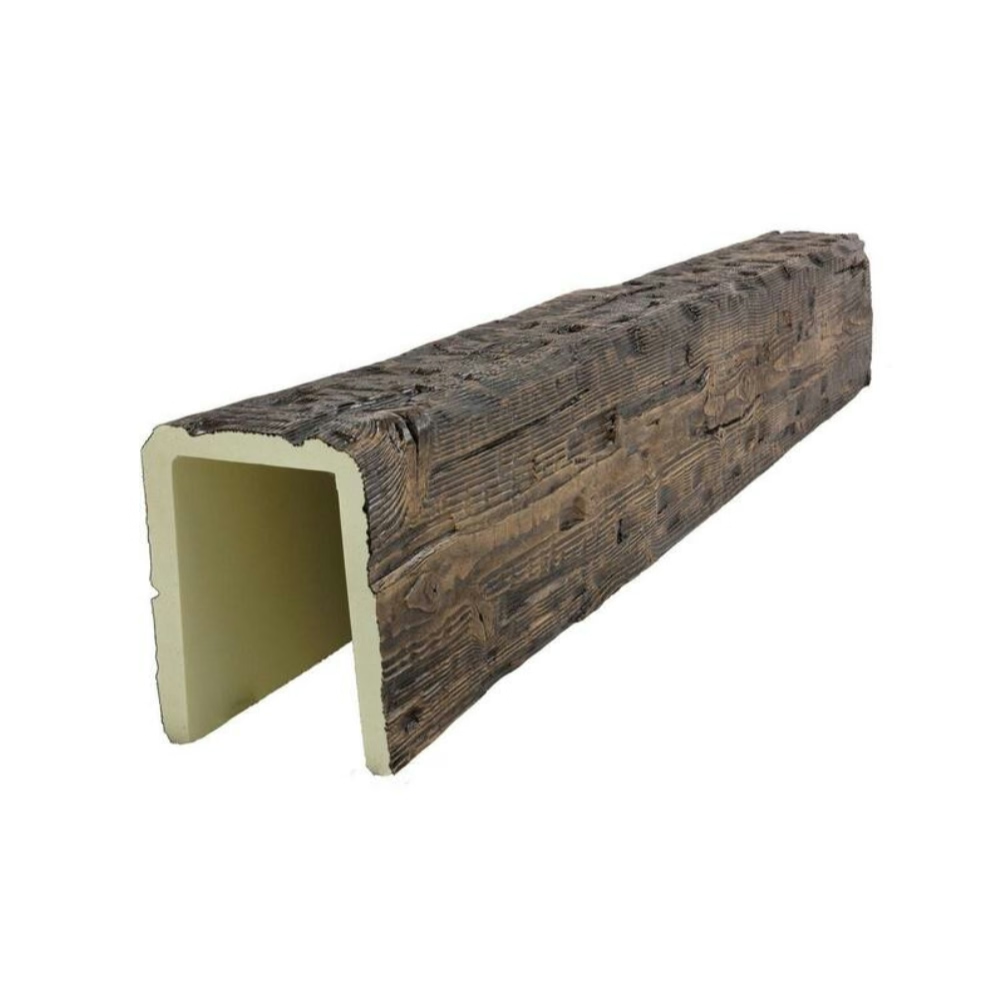
The resin casting process used to manufacture PU faux beams is a refined industrial technique with roots in furniture making, architectural ornament, and automotive components. Polyurethane resin, when formulated with appropriate additives and cast in precision-engineered molds, reproduces fine surface detail with remarkable fidelity. Every ridge of wood grain, every subtle depression around a knot, every natural irregularity that characterizes real timber surfaces is captured in the mold and faithfully reproduced in the finished beam. The result is a product that achieves the aesthetic goals of timber at a fraction of the practical cost.
The Chemistry and Craft of PU Resin Beam Manufacturing
Polyurethane resin begins as a two-component liquid system: a polyol component (a hydroxyl-bearing polymer) and an isocyanate component (a reactive chemical group). When these components are combined in precise ratios and with carefully controlled temperature conditions, they undergo an exothermic reaction that produces polyurethane polymer. The reaction is accompanied by gas generation that creates the cellular foam structure, with cell size and distribution controlled by surfactant additives and mixing parameters.
For faux beam manufacturing, the foam density is carefully controlled to achieve the desired balance between structural performance and weight reduction. Denser formulations approaching 60 pounds per cubic foot provide maximum surface detail reproduction and surface hardness, while lighter formulations around 30 to 40 pounds per cubic foot minimize weight at some cost to surface durability. Premium manufacturers use optimized formulations in the 40 to 55 pound per cubic foot range that deliver excellent surface quality, adequate structural performance, and manageable weight simultaneously.
Mold making is where the craft dimension of faux beam production becomes most apparent. Premium manufacturers create molds from machined aluminum or hardened steel, with surface textures precisely engineered to reproduce the specific wood species being targeted. Textures may be applied through photochemical etching, CNC machining, or hand-tooling by skilled craftspeople who translate their understanding of wood surfaces into mold surface treatments. A mold for a single beam profile can represent hundreds of hours of design and engineering work, which explains why premium faux beam product lines tend to specialize in a focused range of profiles rather than attempting to offer every conceivable variation.

Surface Detail Reproduction and Color Application
The surface quality of a faux beam is the product of two distinct manufacturing stages: texture reproduction in the mold and color application in finishing. Texture reproduction captures the physical topography of the wood surface — the raised grain lines, the compressed areas between grains, the fine pore structure of the wood species. The best molds capture these details with sufficient depth and fidelity that the surface feels authentic to the touch, not just to the eye.
Color application builds on this textural foundation through a multi-stage finishing process. The beam begins with a base coat that provides adhesion for subsequent layers and establishes the fundamental tone of the wood species. Stain application follows, with the stain working into the textured surface to create the characteristic dark-in-low-areas effect that gives wood its dimensional appearance. Premium manufacturers apply stain in multiple thin coats rather than a single heavy application, building depth through layer accumulation rather than single-application opacity. The final clear topcoat seals and protects the color while adding the subtle sheen variations that differentiate species.
The combination of deep texture and layered color creates an optical depth that is difficult to achieve through any other means. When light falls across a premium finished beam, it interacts with the stain in the grain depressions differently than it does with the lighter surfaces between grains. This differential interaction produces the characteristic shimmering quality of natural wood that is one of the most difficult aspects to reproduce artificially. Quality faux beams capture this effect convincingly, producing an appearance that satisfies even experienced woodworkers who examine the product at close range.
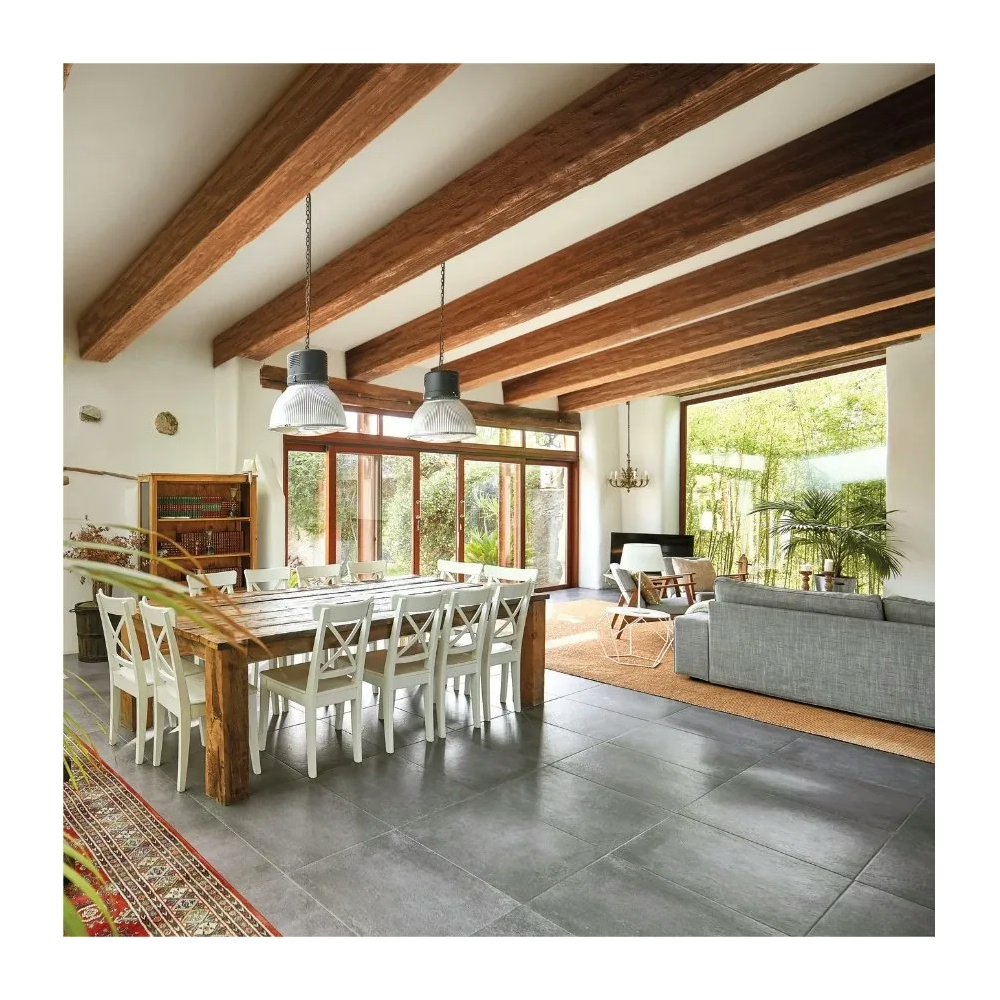
Performance Characteristics of PU Resin Beams
Beyond aesthetics, PU resin beams offer a suite of performance characteristics that recommend them for ceiling decoration applications. The material's inherent thermal insulation properties, while modest compared to dedicated insulation products, provide a measurable benefit in ceilings where temperature differentials between occupied space and attic areas can be significant. The hollow construction of the beams creates additional insulation value through trapped air pockets within the beam structure.
Chemical resistance is another meaningful performance characteristic. Polyurethane resin surfaces resist the household chemicals commonly encountered in residential environments, including cleaning products, cooking grease vapors in kitchen applications, and the mild alkalis and acids found in some building substrates. This resistance ensures that the surface finish maintains its appearance through normal cleaning and environmental exposure without the degradation that would affect some coating systems on natural wood.
The fire performance of PU resin beams is a critical consideration in commercial applications. Premium manufacturers offer products formulated with fire-retardant additives that achieve Class A or Class B ratings under standard test protocols. These formulations typically involve halogen-free phosphorus-based or nitrogen-based flame retardant systems that interrupt the combustion reaction without generating excessive smoke or toxic gases. For projects in commercial buildings, hospitality venues, or multi-unit residential construction, specifying fire-rated beams from the outset is essential for code compliance and occupant safety.
Design Applications Across Residential and Commercial Settings
PU resin faux beams are equally at home in residential and commercial ceiling applications, though the design approaches differ. In residential settings, the beams often serve as the primary decorative element of the ceiling, with the room's furniture, textiles, and accessories selected to complement the warm timber aesthetic. The design vocabulary tends toward the cozy and grounded: rustic farmhouse kitchens, mountain lodge living rooms, craftsman-style entryways, and transitional spaces that blend contemporary structure with traditional warmth.
Commercial applications often use faux beams as part of a more complex design language where the timber aesthetic interacts with other materials and lighting effects. Restaurant interiors might combine beams with industrial pendant lighting, exposed brick, and reclaimed flooring to create a curated vintage atmosphere. Hotel lobbies use beams as one element in a layered design that includes architectural millwork, custom lighting, and carefully selected furnishings. The versatility of PU resin beams in both color and profile allows them to serve as either a dominant ceiling feature or a complementary secondary element depending on the overall design intent.
For designers and architects working across diverse project types and geographic markets, PU resin faux beams represent a specification that can be confidently applied regardless of climate, building type, or design aesthetic. The material's consistent quality, reliable performance, and broad aesthetic range make it one of the most versatile and practical ceiling decoration options available in the contemporary market.
Technical References
ASTM standards cited in every specification
Test Data
Lab results from internal testing program
Updated 2026
Reviewed against current product specs


