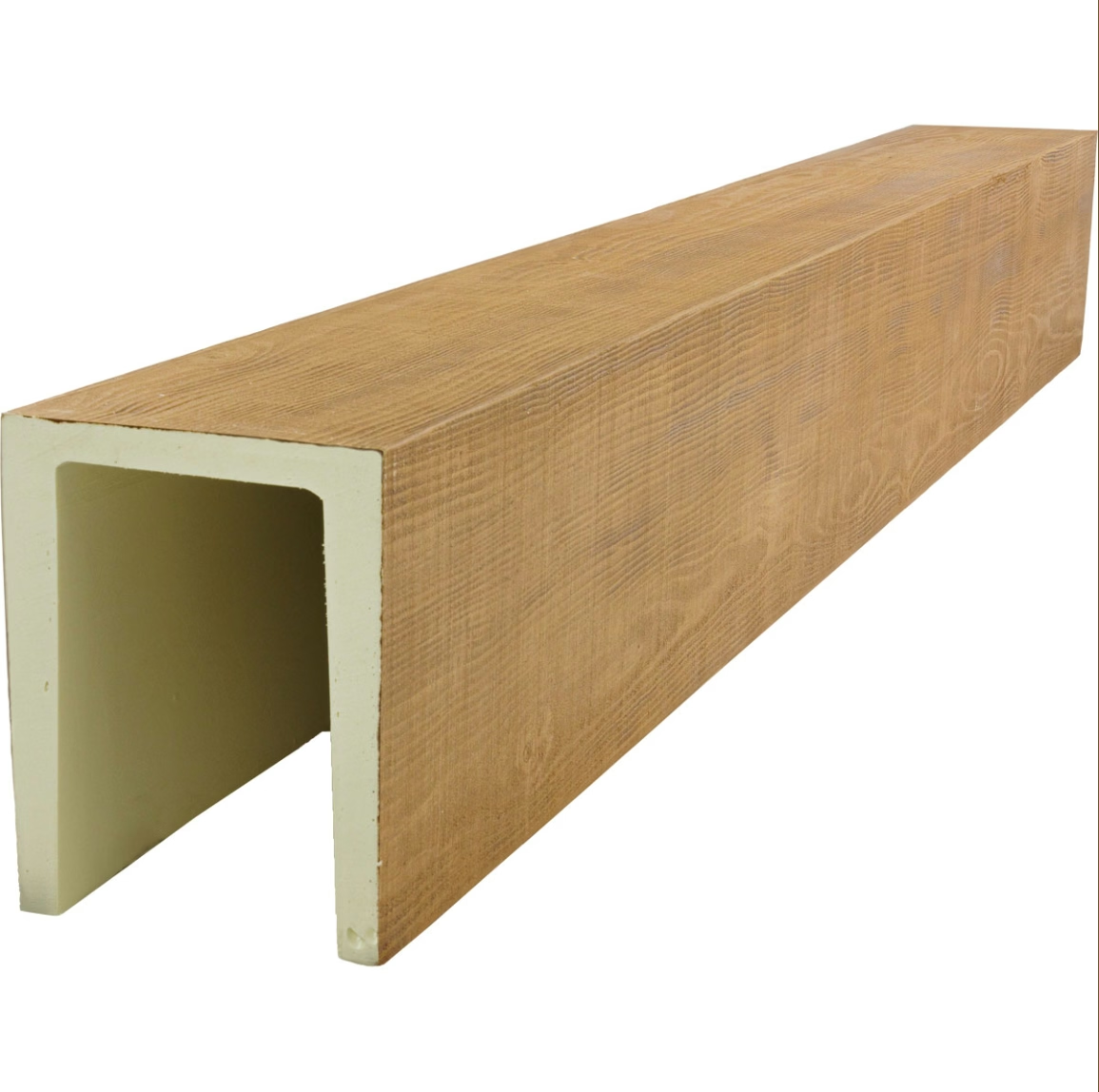
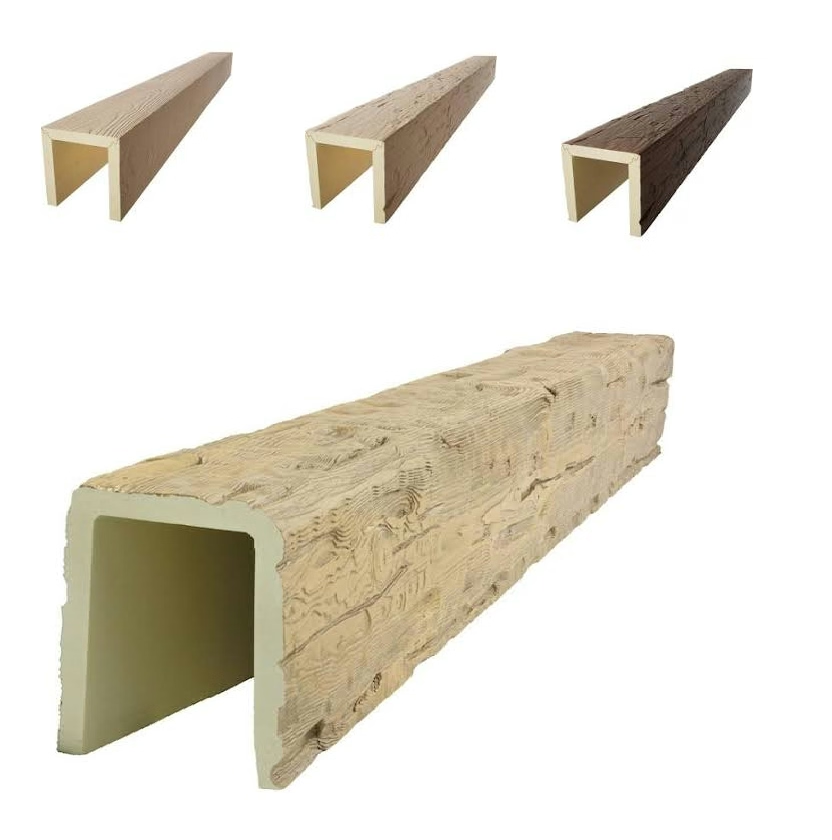
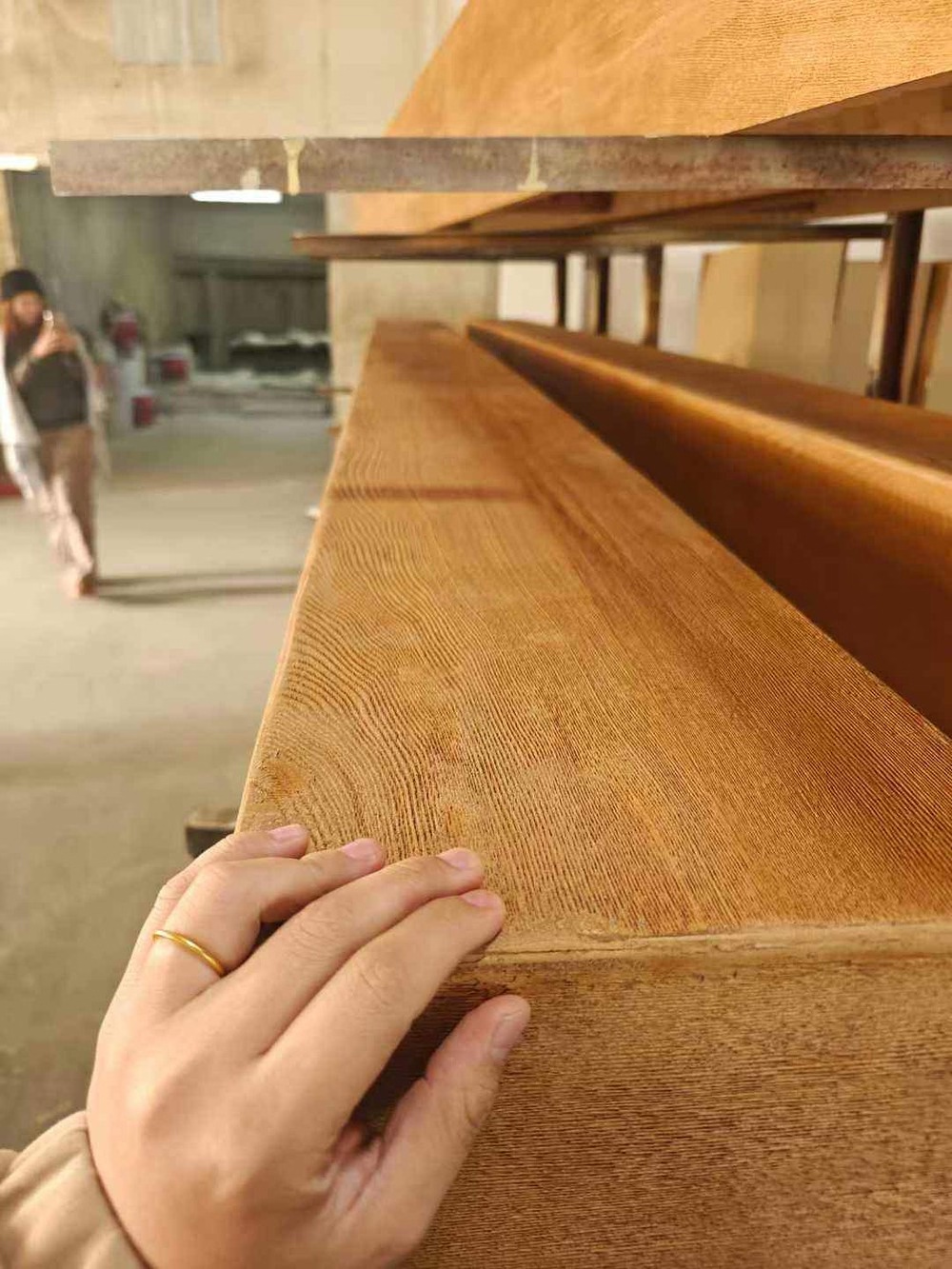
The question of whether faux wood beams belong outdoors is one that manufacturers, designers, and consumers have wrestled with as the quality of polyurethane products has improved. For decades, the answer was an unequivocal no: early-generation faux wood products, whether made from fiberglass, plaster, or early polyurethane formulations, degraded rapidly when exposed to the elements. UV radiation caused chalking and surface degradation. Moisture caused swelling and delamination. Temperature cycling caused cracking and structural failure. The indoor-only designation was a practical necessity born of real product limitations.
The current generation of premium polyurethane faux timber beams has fundamentally changed this equation. Advanced formulation chemistry, UV-stable pigment systems, and weatherproof coating technologies have produced products that perform admirably in outdoor and semi-exposed applications where natural timber has traditionally been the only viable option. These weatherproof formulations represent a significant engineering achievement that expands the range of applications for faux wood aesthetics into territories previously reserved for treated timber or composite alternatives.
Formulation Chemistry for Weather Resistance
Weatherproofing in polyurethane beams begins at the formulation stage, where the basic chemical composition of the foam is engineered for environmental resistance. Standard interior-grade polyurethane formulations prioritize surface quality and cost efficiency, with UV stabilization and moisture resistance as secondary considerations. Weatherproof formulations add UV absorber compounds, hindered amine light stabilizers (HALS), and hydrolysis-resistant polyol systems that protect the polymer matrix from the primary degradation mechanisms in outdoor environments.
UV radiation is the most significant degradation threat to polyurethane in outdoor applications. UV photons break chemical bonds in the polymer chains, causing chain scission that reduces molecular weight and mechanical strength. Over time, this photodegradation manifests as surface chalking, color fading, and reduced surface hardness. UV absorbers work by absorbing the damaging photons and dissipating the energy as heat, preventing the photons from breaking polymer bonds. HALS compounds work by scavenging the free radicals generated by initial photodegradation events, interrupting the chain reaction of oxidative degradation.
Hydrolysis resistance is equally important for beams that will be exposed to rain, high humidity, or temperature cycling through the dew point. Standard polyurethane formulations can absorb moisture over time, with the water molecules attacking the urethane linkages and gradually reducing molecular weight. Weatherproof formulations use polyester polyol systems with enhanced hydrolysis resistance or switch to polyether polyol systems that are inherently more resistant to moisture attack. The result is a foam core that maintains its structural integrity and dimensional stability even after years of exposure to rain, humidity, and temperature cycling.
Surface Coating Systems for Outdoor Durability
The surface coating on weatherproof faux beams is the first line of defense against environmental degradation, and premium manufacturers invest heavily in coating systems specifically engineered for outdoor performance. Unlike interior coatings, which focus primarily on appearance and mild scrub resistance, outdoor coatings must withstand continuous UV exposure, temperature cycling, moisture exposure, and biological threats including algae, mold, and lichen.
High-quality outdoor coatings for polyurethane beams typically use acrylic or urethane-acrylic hybrid binder systems that provide excellent UV stability, color retention, and film integrity through seasonal temperature cycles. The pigments used are inorganic metal oxide systems rather than organic pigments, which fade more rapidly under UV exposure. The result is a coating that maintains its color fidelity and gloss through years of sun exposure without the chalking, fading, or film degradation that affects lesser coating systems.
Mildew and algae resistance is addressed through mildewcide additives incorporated into the coating formulation. These biocidal compounds prevent biological growth on the beam surface, which is particularly important in warm, humid climates where biological fouling can discolor and degrade surface coatings rapidly. Premium outdoor-rated coatings use encapsulated mildewcide systems that provide long-term protection without the rapid leaching that affects older additive technologies.
The adhesion of outdoor coatings to the polyurethane substrate is critical, because the thermal expansion differential between the coating film and the substrate creates shear stress at the interface with each temperature cycle. Premium coatings are formulated with specific adhesion promoters that chemically bond to the polyurethane surface, creating a robust interface that resists delamination through thousands of thermal cycles. This adhesion chemistry is one of the key differentiating factors between premium weatherproof products and economy alternatives that may look similar initially but degrade rapidly in outdoor service.

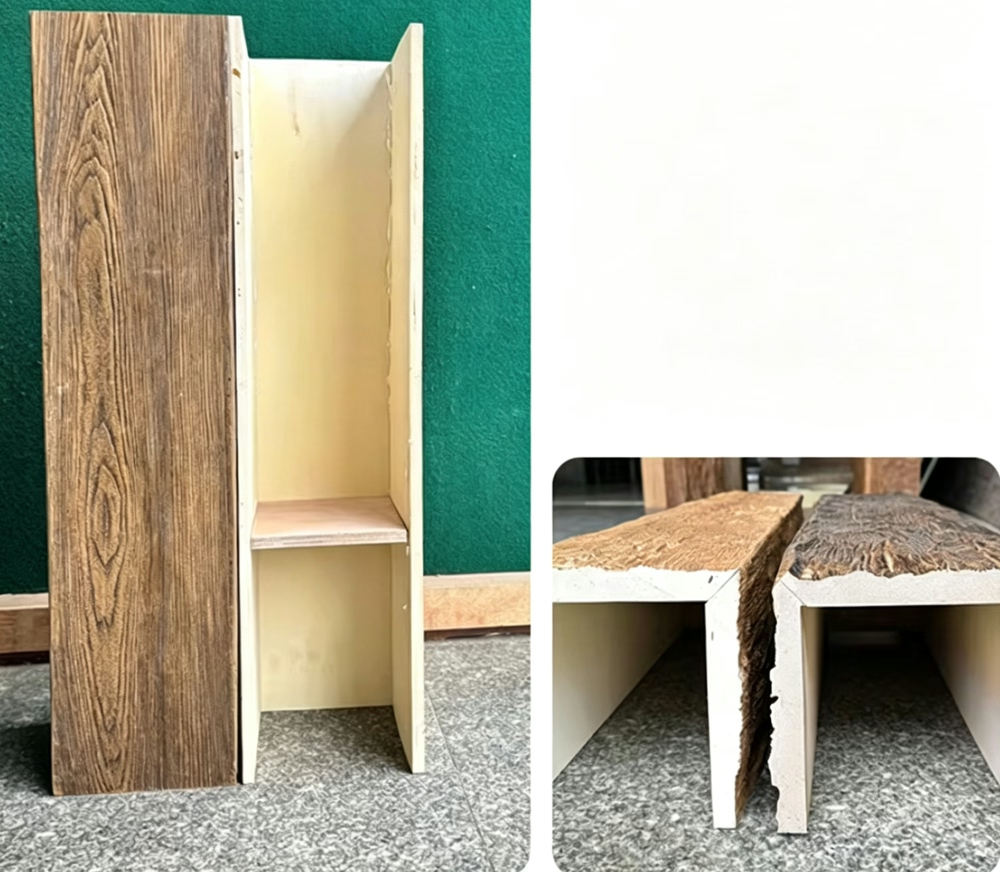
Appropriate Outdoor Applications
Weatherproof PU faux beams are ideally suited for a range of outdoor and semi-exposed applications where their combination of weather resistance and timber aesthetics provides genuine value. Covered patios, verandas, and pergolas represent the most straightforward application: the beams are sheltered from direct rainfall but exposed to ambient humidity, temperature variation, and indirect UV radiation. In these applications, weatherproof beams typically outperform natural timber alternatives that would be continuously exposed to moisture and biological threats even in covered conditions.
Gazebos and covered outdoor structures present similar conditions. The beams form an essential part of the architectural character of these structures, and their visual appearance is typically the primary motivation for the construction. Natural timber in these applications requires either pressure-treated wood that has a limited service life and greenish coloration, or naturally durable species such as cedar that weather to gray and may develop surface checking and splitting over time. Weatherproof faux beams maintain their appearance indefinitely, providing consistent aesthetic quality through years of seasonal weather cycles.
Carports and covered vehicle storage areas represent a more challenging but still viable application for weatherproof beams. These structures are typically open-sided, meaning the beams receive direct sun exposure on at least one face and indirect exposure on the others. The UV-stable formulations and outdoor-rated coatings of weatherproof beams are designed for this level of exposure, though in climates with intense, continuous summer sun, some degree of surface weathering over 10 to 15 years should be anticipated. The benefit over natural timber is that weathering in polyurethane is gradual and uniform, not the localized checking, splitting, and rot that affects timber in similar conditions.
Installation and Maintenance in Outdoor Environments
Installing weatherproof beams in outdoor environments requires additional attention to moisture management and fastener selection. Any metal hardware in contact with the beam and exposed to outdoor conditions must be corrosion-resistant, typically in the form of stainless steel or hot-dip galvanized hardware. Standard zinc-plated fasteners will corrode rapidly in outdoor conditions and may stain the beam surface with rust products. Premium manufacturers specify appropriate hardware for outdoor installations and can provide or recommend corrosion-resistant mounting systems.
End-grain sealing is particularly important in outdoor applications. The cut ends of the beam, where the hollow interior is exposed, represent a potential pathway for moisture intrusion into the foam core. All cut ends should be sealed with a quality exterior wood sealer or polyurethane-compatible sealant before installation. End caps or trim pieces that cover the cut ends provide additional weather protection and a finished appearance.
Maintenance of weatherproof beams in outdoor environments is minimal but not zero. Periodic cleaning with a soft brush and mild detergent removes accumulated dust, pollen, and biological growth. Inspection of mounting hardware annually ensures that fasteners remain secure. Re-coating, if desired after 10 to 15 years of service, can restore the surface appearance to near-original condition using compatible exterior coating products. These maintenance requirements are modest compared to the regular staining, sealing, and repair required by natural timber in equivalent outdoor applications.
Technical References
ASTM standards cited in every specification
Test Data
Lab results from internal testing program
Updated 2026
Reviewed against current product specs