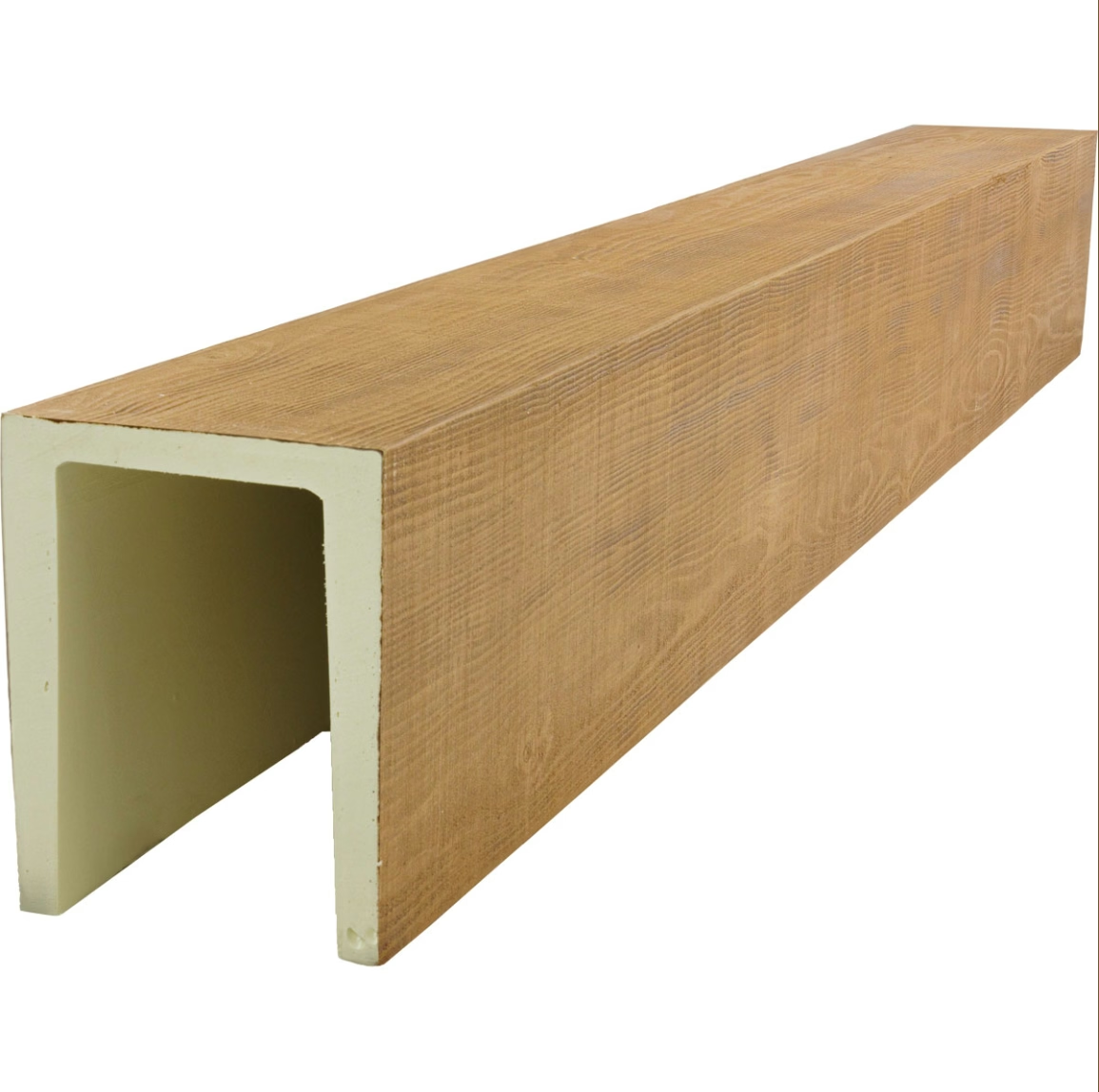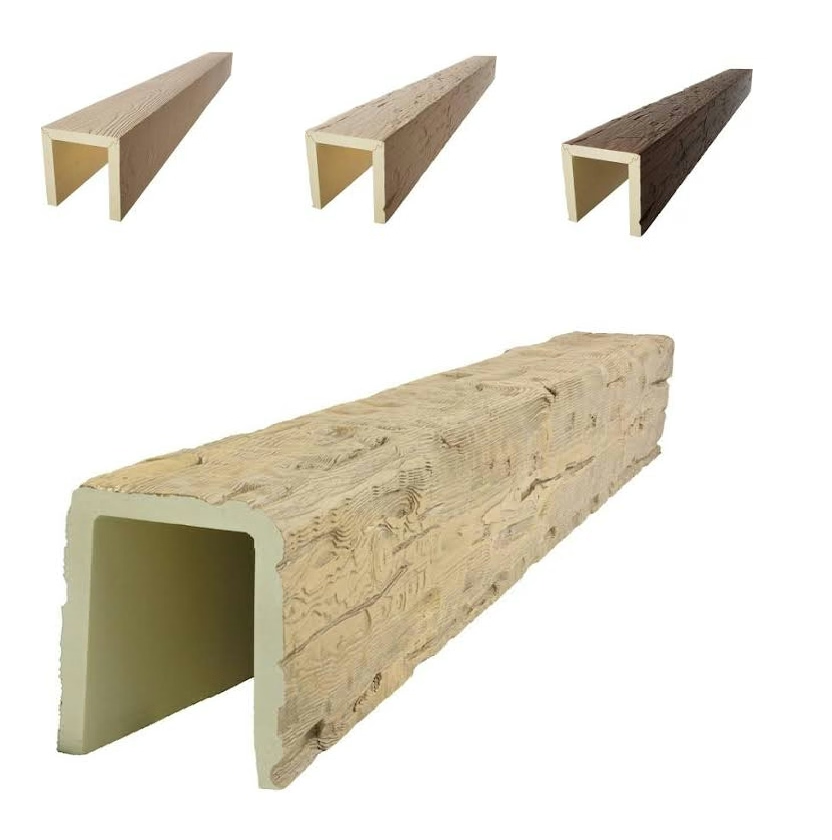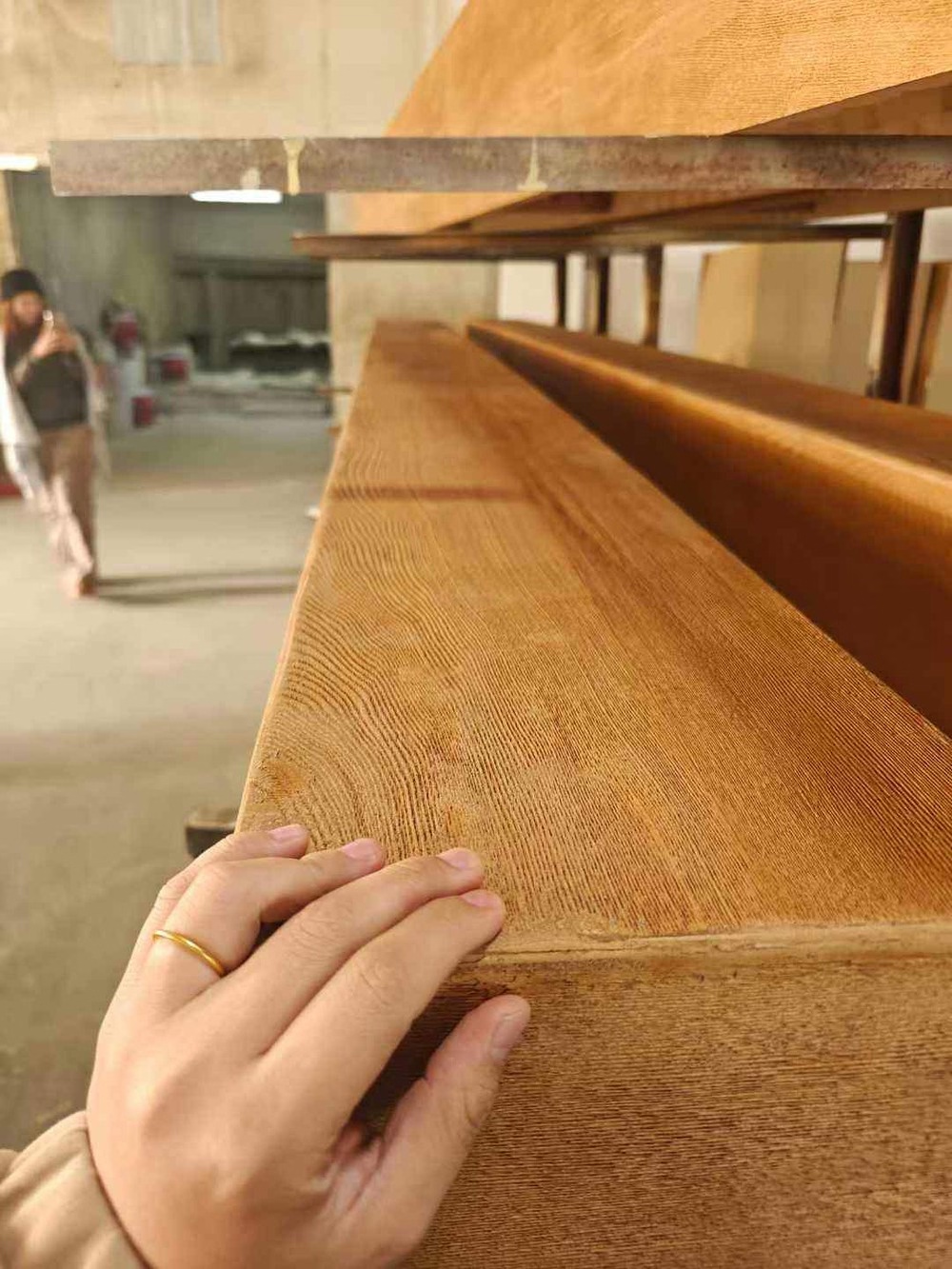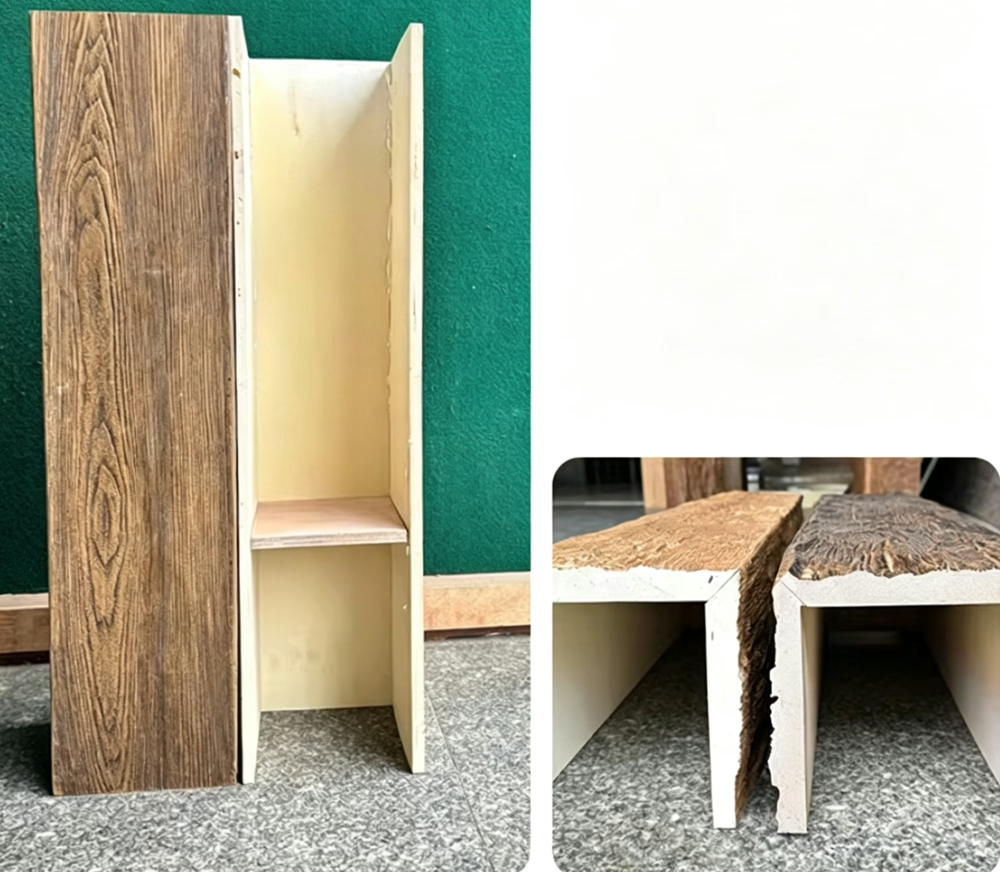
A developer planning a mixed-use project near a California wildland-urban interface zone faced strict building code requirements. The decorative faux timber beams specified for exterior covered walkways and amenity areas needed to meet both fire-retardant standards and exterior weather performance. Standard interior fire-retardant beams would not satisfy the combined requirements. The developer needed products specifically engineered for the demanding combination of wildfire exposure risk and outdoor environmental conditions. Commercial grade exterior fire-retardant polyurethane faux beams address exactly this intersection of code compliance and environmental durability.
Fire Code Context for Exterior Commercial Applications
Exterior fire-retardant requirements vary significantly by jurisdiction and application type. Understanding the specific code requirements that apply to a project ensures appropriate product specification and avoids costly compliance failures during inspection.
Wildland-Urban Interface Requirements
Properties near wildland areas face enhanced fire safety requirements under codes like California's Chapter 7A or the International Wildland-Urban Interface Code. These requirements address ignition resistance, flame spread, and ember exposure for exterior building components. Faux timber beams used in these applications must meet documented fire performance criteria.
Documentation requirements under these codes typically include testing per ASTM E84 for flame spread and smoke development, plus additional testing for specific exposure scenarios. Products must demonstrate compliance with ignition temperature requirements and ember resistance criteria. The documentation must be current and traceable to specific product formulations.
Commercial Occupancy Fire Ratings
Commercial properties outside wildland areas still face fire rating requirements for exterior components. Covered walkways, porte-cochères, and exterior decorative elements in commercial occupancies must meet applicable fire ratings based on construction type, occupancy classification, and proximity to property lines. Class A or Class B ratings are common requirements.
Fire ratings reference flame spread index and smoke developed index values from standardized testing. Class A ratings require flame spread below 25 and smoke development below 450. Class B ratings allow flame spread between 25 and 75. These values apply to the product surface as installed, including any coatings or treatments.
Assembly Fire Performance
Beyond individual component ratings, assemblies including beams may require fire performance testing. Some applications require testing per NFPA 285 or similar standards that evaluate fire performance of complete wall or ceiling assemblies. Faux timber beam installations integrated with other building components may need assembly-level testing documentation.
Manufacturers offering commercial grade exterior fire-retardant products typically provide assembly-level guidance based on testing with common configurations. This guidance helps designers and code officials evaluate compliance without requiring project-specific testing in many cases.
Chemistry of Fire Retardancy in Polyurethane Systems
Fire retardancy in polyurethane systems is achieved through additive technologies that interrupt the combustion process. Understanding these mechanisms helps evaluate product quality and predict performance under various exposure conditions.
Intumescent Additives
Intumescent additives react to heat exposure by expanding and forming protective char layers. These char layers insulate underlying material from heat and oxygen, slowing combustion and reducing flame spread. Quality intumescent systems form effective char layers at temperatures appropriate for building fire scenarios.
The char formation process requires careful formulation balance—additives must activate at appropriate temperatures while remaining stable under normal conditions. Quality manufacturers invest in formulation optimization that ensures reliable activation without premature reaction during manufacturing, transportation, or storage.
Halogen-Free Flame Retardants
Modern fire-retardant polyurethane systems increasingly use halogen-free flame retardants that address health and environmental concerns associated with traditional halogenated compounds. Phosphorus-based and nitrogen-based flame retardants provide effective fire performance while avoiding the smoke toxicity issues that affected some older technologies.
Halogen-free formulations often demonstrate superior performance in smoke development testing, producing less obscuring smoke during fire exposure. This characteristic matters for life safety in fire scenarios where visibility affects evacuation success.
Synergistic Combinations
The most effective fire-retardant polyurethane formulations use combinations of flame retardants that work synergistically. Phosphorus-nitrogen combinations, for example, produce enhanced fire performance beyond what either component provides alone. Quality manufacturers invest in formulation development that optimizes these synergistic effects.
Synergistic systems also tend to maintain effectiveness over time better than single-additive approaches. As individual additives become depleted through repeated exposure or aging, complementary additives continue providing protection. This redundancy enhances long-term fire performance.
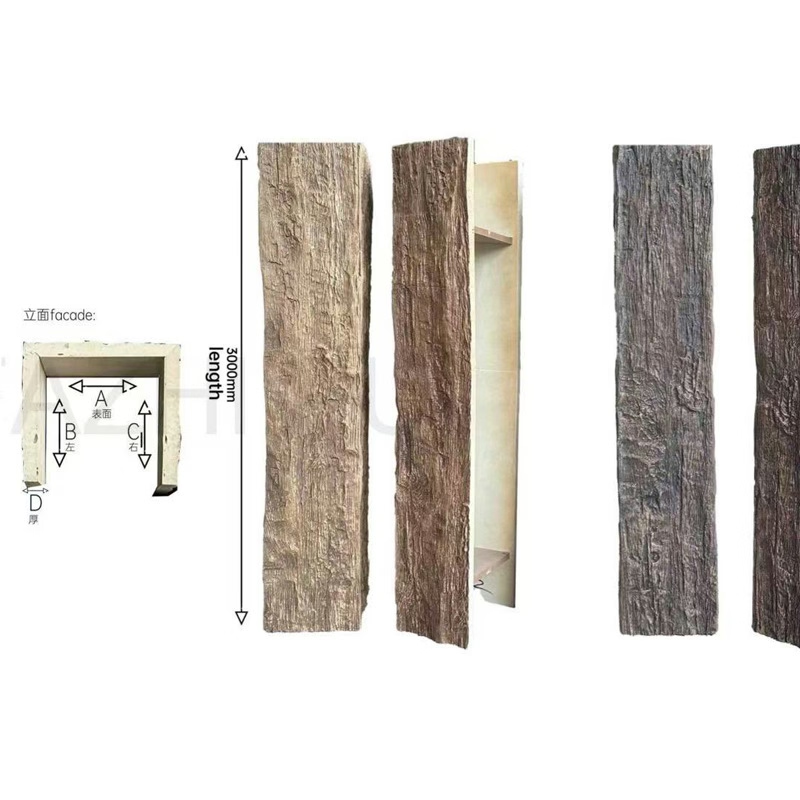
Weather Resistance Combined with Fire Performance
Fire-retardant additives must remain effective despite years of weather exposure. Quality exterior formulations address both fire performance and weather durability through careful additive selection and formulation optimization.
UV Stability Considerations
Some fire-retardant additives are sensitive to UV radiation and may degrade over time with sun exposure. Quality exterior formulations use UV-stable fire retardants or include additional protective additives that prevent degradation of fire-retardant functionality. Testing must verify that fire performance is maintained after accelerated weathering exposure.
Accelerated weathering followed by fire performance testing provides critical data for exterior applications. Products that pass initial fire testing may lose performance after UV exposure if formulations are not optimized for outdoor use. Certification testing should specifically address this combination of exposures.
Temperature Cycling Effects
Exterior applications experience temperature cycling that can affect additive distribution within the polymer matrix. Quality formulations prevent migration or blooming of fire retardants to surfaces where they could affect appearance or be lost through environmental exposure. Testing under temperature cycling conditions verifies that additives remain effective throughout their service life.
Moisture Resistance
Moisture exposure can leach water-soluble additives from polymer systems, potentially reducing fire performance over time. Quality exterior formulations use additives with low water solubility to maintain fire ratings throughout service life. Testing per relevant moisture exposure standards verifies that performance is not compromised by environmental moisture.
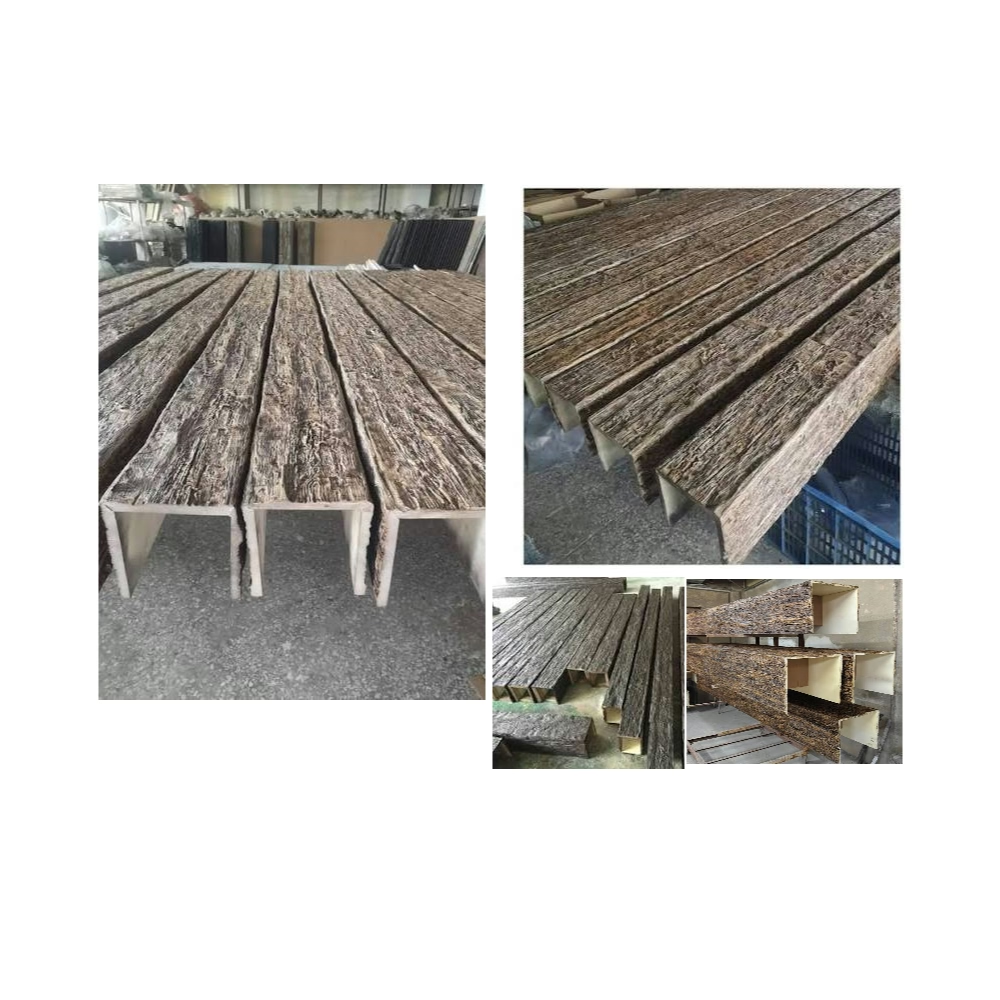
Specification Selection for Code Compliance
Specifying exterior fire-retardant faux timber beams requires attention to documentation that supports code compliance. Building officials and inspectors require specific documentation that manufacturers must provide.
Code Compliance Documentation
Required documentation typically includes test reports per applicable standards, material certifications, and installation guidelines that support code compliance. Manufacturers should provide current documentation organized in formats that building officials readily accept. Organized documentation submittals accelerate permit approval and inspection processes.
Fire performance test reports must identify the testing laboratory, test date, specific product tested, and complete test results. Reports from testing laboratories accredited per ISO 17025 carry additional credibility. Manufacturers should maintain documentation currency and provide updated reports as products or formulations evolve.
Installation Documentation
Installation documentation specific to exterior fire-retardant applications addresses mounting methods, fastener selection, and integration with surrounding construction. These details affect code compliance because improper installation can compromise fire performance even with compliant products.
Quality manufacturers provide detailed installation drawings and specifications that contractors can follow to maintain code compliance. These documents address common installation scenarios and may include guidance for unique conditions through engineering support services.
Applications Driving Exterior Fire-Retardant Specifications
Several exterior commercial applications commonly specify fire-retardant faux timber beams. Understanding these applications helps identify opportunities for these specialized materials.
Covered walkways connecting buildings in commercial complexes benefit from the warm aesthetic of faux timber while meeting fire safety requirements. These structures often face code requirements based on their connection to other buildings and their function in emergency egress scenarios.
Porte-cochères at hotels and commercial entrances create impressive architectural features that require fire-rated materials when they connect to or cover portions of larger buildings. Fire-retardant faux timber provides the traditional appearance these features often require while meeting applicable codes.
Outdoor dining structures, particularly in jurisdictions with enhanced fire safety requirements, benefit from fire-retardant materials that allow expanded dining capacity while meeting safety standards. The combination of aesthetic appeal and code compliance supports business operations while addressing safety concerns.
Pool pavilions and outdoor amenity structures in resort and hospitality properties often specify fire-retardant materials due to occupancy and proximity considerations. The aesthetic continuity with interior designs can be maintained while meeting outdoor safety requirements through appropriate material specification.
Cost Considerations for Specialty Products
Exterior fire-retardant polyurethane faux beams cost more than standard interior or non-fire-retardant alternatives. Understanding the cost drivers helps evaluate these products against project requirements.
Fire-retardant additive costs contribute to higher material costs compared to standard formulations. The additives themselves may be expensive, and the formulation development required to optimize their performance represents significant manufacturer investment. These costs are partially offset by volume production for products with established market acceptance.
Testing and certification requirements add to product development costs. Manufacturers must invest in testing programs that document compliance with applicable standards, maintain certification currency, and provide documentation supporting code compliance. These costs are reflected in product pricing but provide value through regulatory acceptance.
Quality control requirements for fire-retardant products are more stringent than for standard alternatives. Manufacturers must verify that every production batch meets fire performance specifications, requiring investment in testing equipment and quality personnel. These investments support product reliability but contribute to pricing.
Working with Manufacturers on Certification
Building strong relationships with fire-retardant beam manufacturers benefits projects through access to technical expertise, custom solutions, and ongoing support. These relationships are particularly valuable for projects with unique requirements or challenging specifications.
Technical support from experienced manufacturers helps designers and contractors navigate code requirements and specification decisions. This support may include help interpreting test reports, selecting appropriate products for specific applications, and providing documentation for permit submittals. Access to this expertise reduces project risk.
Some projects require custom solutions that standard products cannot address. Manufacturers willing to develop custom formulations or configurations can meet these requirements while maintaining code compliance. Custom development typically requires longer lead times and may involve additional costs but enables projects that would otherwise face specification limitations.
Ongoing support through warranty service, technical updates, and product evolution helps maintain installations over decades of service. Manufacturers committed to long-term customer relationships provide value beyond initial product sale through continued collaboration throughout installation service life.
Technical References
ASTM standards cited in every specification
Test Data
Lab results from internal testing program
Updated 2026
Reviewed against current product specs