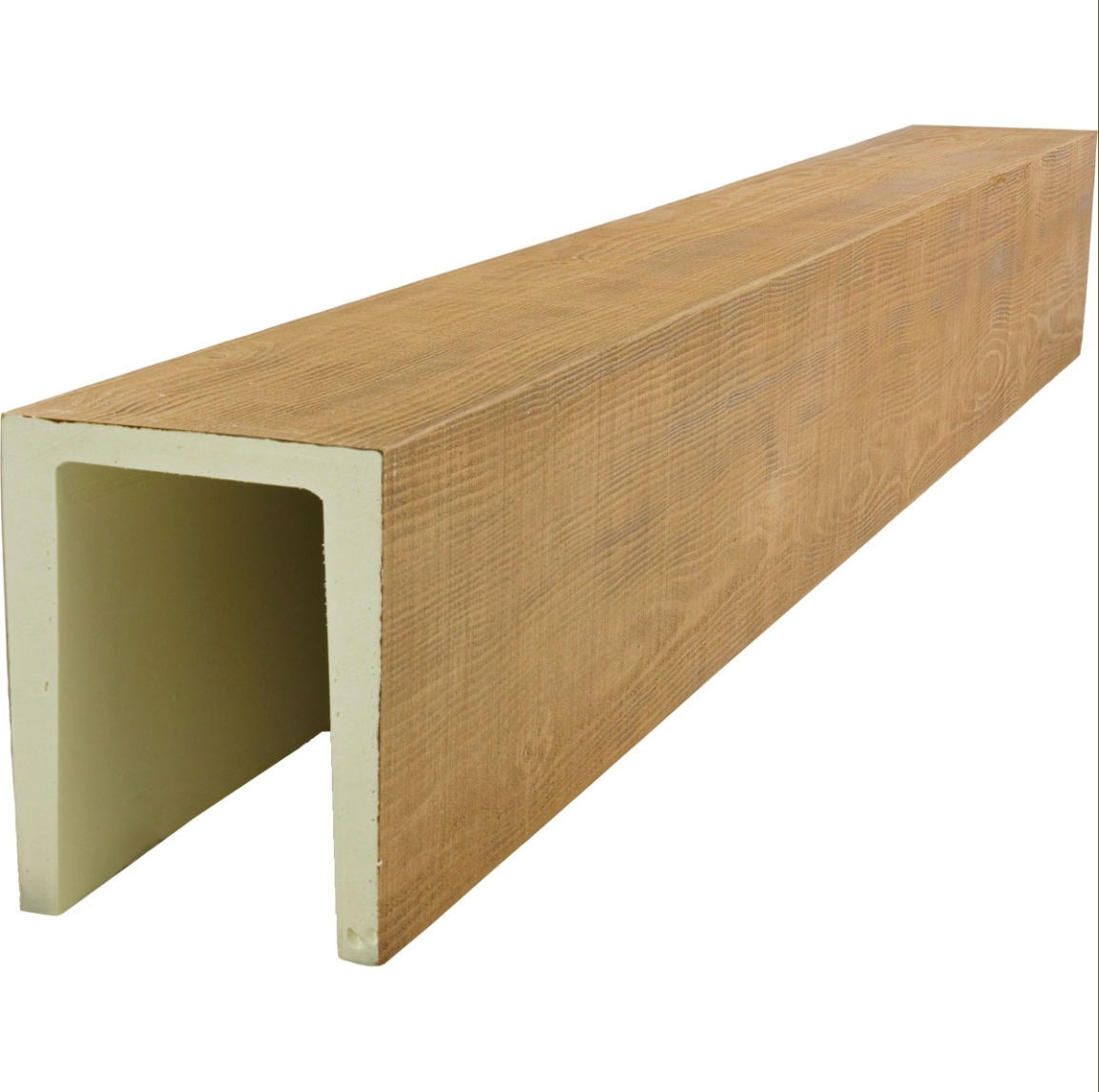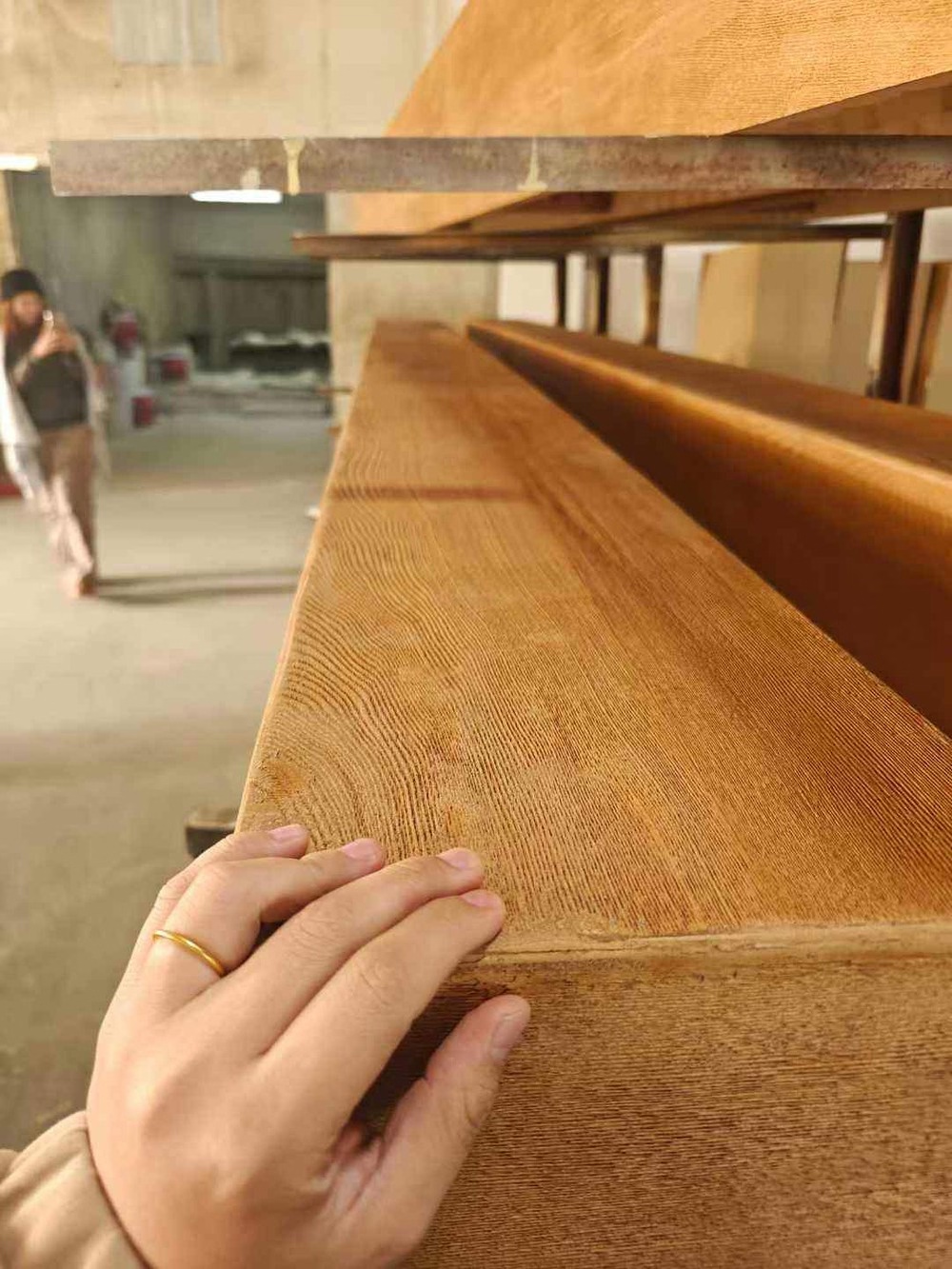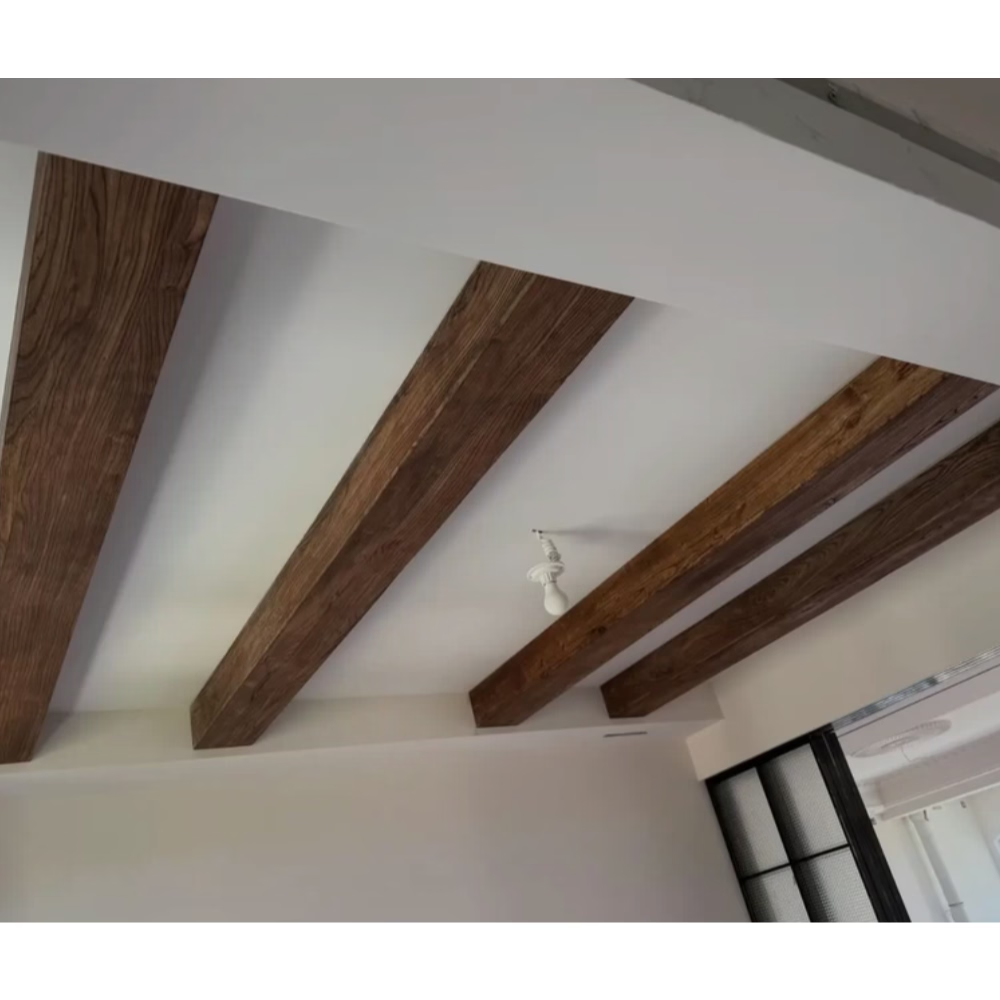
An architectural firm designing a luxury resort specified premium faux timber beams for the property's signature restaurant. The firm had worked with lower-grade products on budget-conscious projects and wanted something that would photograph beautifully, withstand years of intensive use, and maintain its appearance without constant maintenance. The selected professional-grade beams featured higher density formulations, more refined surface textures, and tighter color tolerance than commercial standard products. Three years after opening, the restaurant's beams look as fresh as installation day while comparable installations in competing properties show visible wear. Professional-grade products cost more initially but deliver value that compounds over their extended service life.
Defining Professional Grade
Professional grade represents a product tier above standard commercial offerings. This distinction reflects manufacturing investments that produce superior characteristics across multiple dimensions. Understanding what distinguishes professional grade helps specifiers make informed decisions.
Manufacturing Precision
Professional grade products emerge from manufacturing processes designed for precision and consistency. Investment in tooling, process control, and quality verification systems all contribute to this precision. These investments increase production costs but enable the consistency that professional applications demand.
Mold tooling for professional grade products undergoes more precise machining and finishing than standard tooling. This precision translates to sharper detail reproduction, smoother surfaces, and more accurate dimensions. The result is products that look more refined than standard alternatives.
Process control during production monitors critical parameters that affect product quality. Temperature, pressure, mixing ratios, and cure conditions all receive attention that ensures consistent output batch after batch. This control prevents the variation that less sophisticated processes produce.
Material Formulation Excellence
Professional grade products use formulations optimized for demanding applications. Higher base densities provide enhanced impact resistance and structural capability. Enhanced UV stabilization extends exterior or high-exposure performance. Refined pigment systems ensure color accuracy and long-term stability.
Formulation investments often involve proprietary technologies that distinguish one manufacturer from another. These technologies emerge from research and development programs that premium manufacturers fund. The resulting formulations deliver performance benefits that justify premium pricing.
Raw material selection contributes to professional grade quality. Higher-purity base polymers, more consistent pigment concentrates, and better-performing additive packages all contribute to finished product quality. Quality raw materials cost more but enable the performance professional applications require.
Quality Verification Rigor
Professional grade products undergo more extensive quality verification than standard alternatives. Testing frequency, parameter coverage, and documentation depth all exceed commercial standards. This verification investment protects product quality and supports the warranties that professional applications require.
Destructive testing on sample products verifies that formulations meet strength and performance specifications. Non-destructive testing on every product confirms critical dimensions and appearance characteristics. This dual verification approach ensures quality without damaging every product in the process.
Performance Characteristics
Professional grade products demonstrate performance characteristics that distinguish them from standard alternatives. These characteristics determine where professional grade specification is appropriate.
Density and Impact Resistance
Professional grade polyurethane typically achieves densities of 8-12 pounds per cubic foot compared to 4-6 pounds for standard commercial products. This density increase provides substantial improvements in impact resistance, structural capability, and surface durability.
Impact resistance matters in applications where beams may face contact from people, equipment, or materials. Commercial spaces with high traffic, retail environments with frequent handling, and hospitality settings with intensive use all benefit from enhanced impact resistance.
The structural implications of higher density extend to mounting requirements and span capabilities. Professional grade beams can span greater distances without sagging, support heavier loads, and resist the minor impacts that occur in busy commercial environments.
Surface Quality and Detail
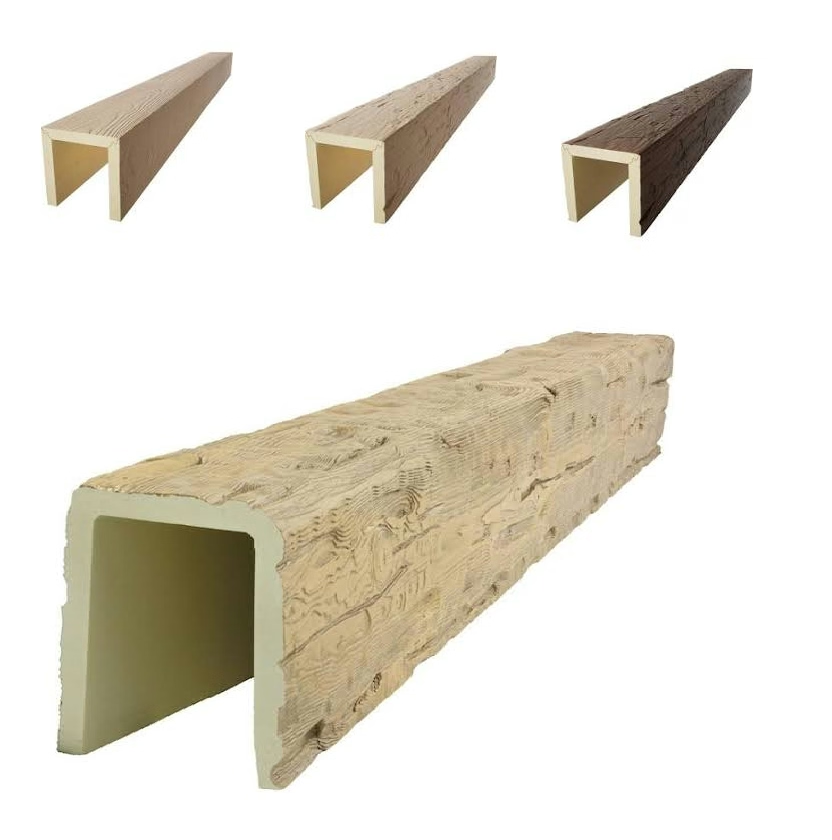
Professional grade surface quality reflects both formulation excellence and manufacturing precision. Surfaces are smoother, more consistent, and more receptive to the finishing that maintains appearance over time. The refined texture reproduction captures fine wood grain details that standard products miss.
Detail fidelity in professional grade products reproduces the subtle characteristics that make wood look authentic. Growth rings, grain patterns, and texture variations all appear with greater fidelity in professional grade products. This authenticity distinguishes quality installations from obvious imitations.
Surface hardness in professional grade products resists scratching and marring that affect appearance over time. This hardness maintains the as-installed appearance through years of use without the constant care that softer materials require.
Dimensional Stability
Professional grade products maintain dimensions through temperature and humidity cycling that would cause natural wood to expand, contract, warp, or check. This stability ensures that installations remain aligned and gap-free despite environmental changes.
Thermal expansion coefficients for professional grade products typically fall below 2.5×10⁻⁵ in/in/°F, among the lowest available for polyurethane products. This stability accommodates the wide temperature ranges that some exterior and unconditioned interior applications experience.
Humidity resistance eliminates the moisture-related movement that affects organic materials. Professional grade beams installed in pool areas, humid climates, or areas with variable moisture exposure maintain their dimensions and appearance without the seasonal adjustments that wood requires.
Aesthetic Refinements
Professional grade products feature aesthetic refinements that distinguish them in visible installations. These refinements matter where appearance quality affects brand perception and guest experience.
Color System Sophistication
Professional grade color systems achieve accuracy and consistency that standard products cannot match. Spectral color matching ensures that colors match specification precisely. Batch-to-batch consistency prevents the visible variation that plagues lesser products.
Custom color matching for professional applications accommodates brand colors, regional preferences, and design-specific requirements. Manufacturers maintaining professional grade capabilities can match virtually any color reference with precision that achieves consistent results.
Color stability over extended UV exposure ensures that professional grade installations maintain their appearance for decades. Formulations incorporating premium UV stabilization resist the fading and discoloration that affects products with less sophisticated color systems.
Texture Authenticity
Professional grade texture reproduction captures the authentic character of various wood species. Grain patterns, growth ring visibility, and surface texture all contribute to convincing wood appearance. Professional products achieve realism that satisfies scrutiny from wood experts and casual observers alike.
Surface texture variation within products adds authenticity that uniform surfaces cannot achieve. Premium formulations reproduce the subtle variations that natural wood displays, creating visual interest that uniform textures lack.
Finishing compatibility in professional grade products accommodates field finishing when projects require it. The surface characteristics that enable authentic texture reproduction also accept stains, paints, and clear coatings uniformly when applications require them.
Profile Precision
Professional grade profiles achieve dimensional precision that simplifies installation and improves finished appearance. Consistent wall thickness, accurate corner radii, and precise overall dimensions all contribute to installations that fit together cleanly.
Profile consistency enables efficient installation because components that should align do align consistently. Professional contractors appreciate this precision because it speeds installation while improving quality outcomes.
Custom profile capabilities for professional grade manufacturers accommodate project-specific requirements. Complex profiles, integrated features, and unique configurations become feasible when manufacturers have the tooling capability and quality systems to produce them reliably.
Application Suitability
Professional grade products serve applications where quality investment pays dividends through extended performance, reduced maintenance, and enhanced appearance.
High-End Hospitality
Luxury hotels, fine dining restaurants, and premium entertainment venues require appearance quality that distinguishes their offerings. Professional grade beams provide the refined aesthetics and long-term appearance retention that these applications demand.
Guests at luxury properties notice details that might escape attention elsewhere. Professional grade appearance quality satisfies this scrutiny while maintaining quality through years of intensive use. The investment in premium products supports the brand positioning that luxury properties require.
Photography and social media importance in hospitality means that installations must photograph beautifully. Professional grade products deliver the photographic quality that marketing materials and guest posts require.
Architectural Significance
Buildings with significant architectural ambition require products that match their design quality. Landmark buildings, cultural institutions, and architecturally significant properties benefit from professional grade specification that honors design intent.
Architects specifying professional grade products know that their designs will be executed with materials that match their vision. This confidence enables more ambitious design expression knowing that the construction will deliver intended quality.
Historic preservation projects often use professional grade faux timber to recreate missing original elements. The authenticity that professional grade provides honors historical accuracy while providing modern performance.
Demanding Environments
Applications with intensive use, challenging conditions, or extended maintenance cycles benefit from professional grade durability. These applications justify premium pricing through extended service life and reduced maintenance.
Pool areas, spa environments, and water features expose materials to constant humidity and chemical exposure. Professional grade products withstand these conditions that would damage standard alternatives.
Exterior applications in harsh climates face UV exposure, temperature extremes, and weather cycling that challenge material performance. Professional grade exterior formulations provide the durability these demanding applications require.
Specification and Procurement
Professional grade products require specification and procurement approaches that ensure quality outcomes. Understanding these approaches helps projects achieve intended results.
Specification Writing
Professional grade specifications should reference specific quality standards rather than generic product categories. Performance requirements, test standards, and appearance criteria all help ensure that specified products meet professional grade expectations.
Reference standards such as ASTM testing protocols provide objective criteria for product evaluation. Specifications should identify which standards apply and what performance levels professional grade products must achieve.
Sample approval processes ensure that specified products actually meet expectations. Professional grade manufacturers typically provide samples for approval before production commitment. This approval process protects against specification failures.
Supplier Qualification
Professional grade products require suppliers with the manufacturing capability and quality systems to produce them consistently. Supplier qualification should verify these capabilities before procurement commitment.
Facility audits, quality system reviews, and reference project evaluations all contribute to supplier qualification. Projects investing in professional grade specification should invest in supplier qualification as well.
Long-term supplier relationships benefit professional grade applications. Manufacturers invested in these relationships provide better support, more responsive service, and greater attention to quality than transactional suppliers.
Cost Considerations
Professional grade products cost more than standard alternatives. This premium reflects the manufacturing investments that enable superior quality. Projects should evaluate this premium against the benefits that professional grade provides.
Lifecycle cost analysis often favors professional grade despite higher initial costs. Extended service life, reduced maintenance, and preserved appearance all contribute to lifecycle value that standard products cannot match.
Total cost of ownership analysis should account for maintenance costs, replacement provisions, and appearance-related impacts on business outcomes. Professional grade benefits often exceed their cost premium when all factors are considered.
Technical References
ASTM standards cited in every specification
Test Data
Lab results from internal testing program
Updated 2026
Reviewed against current product specs