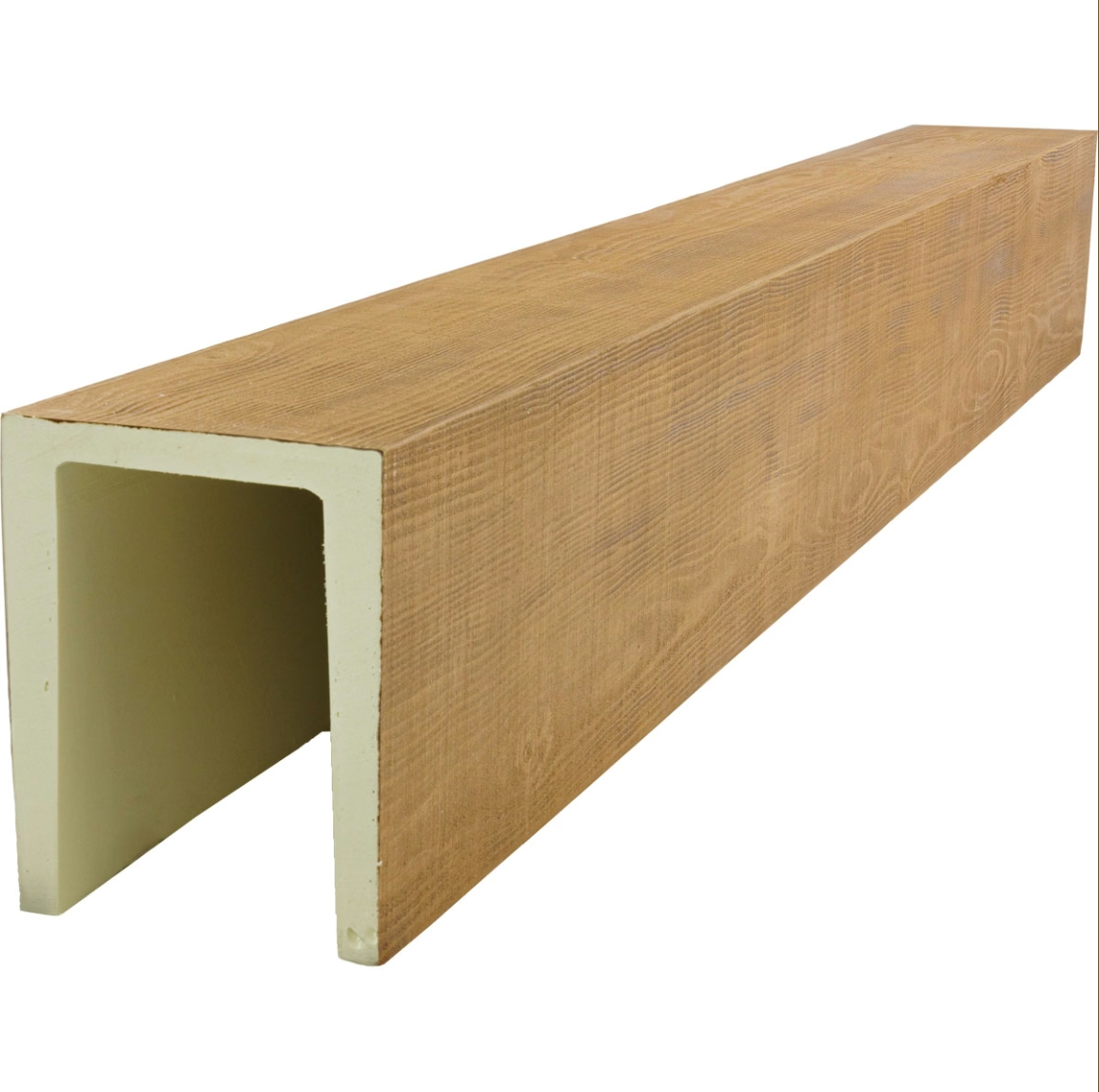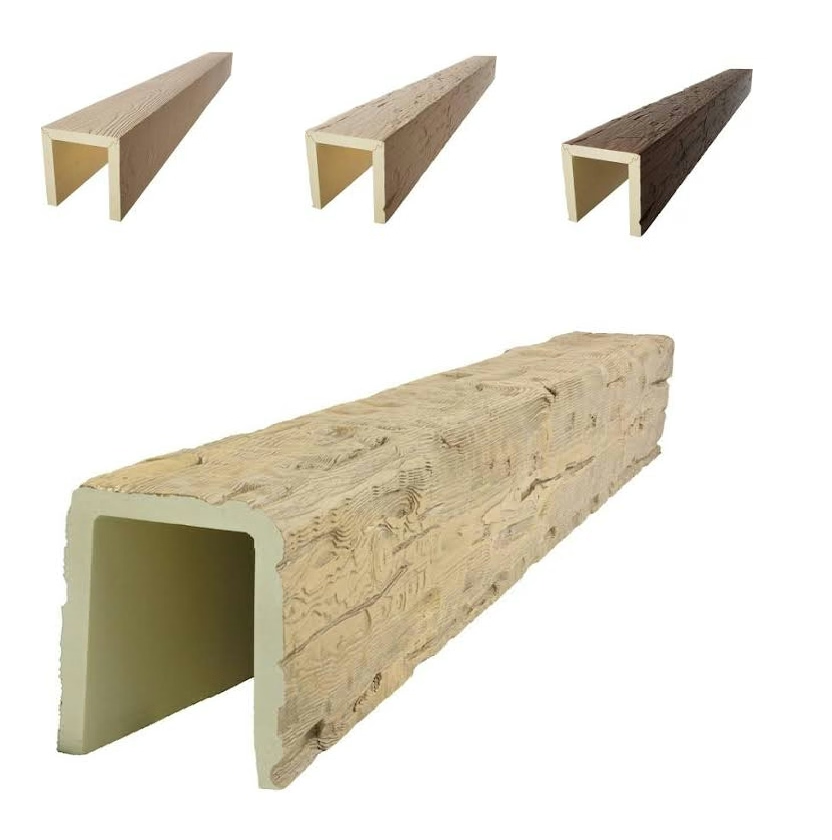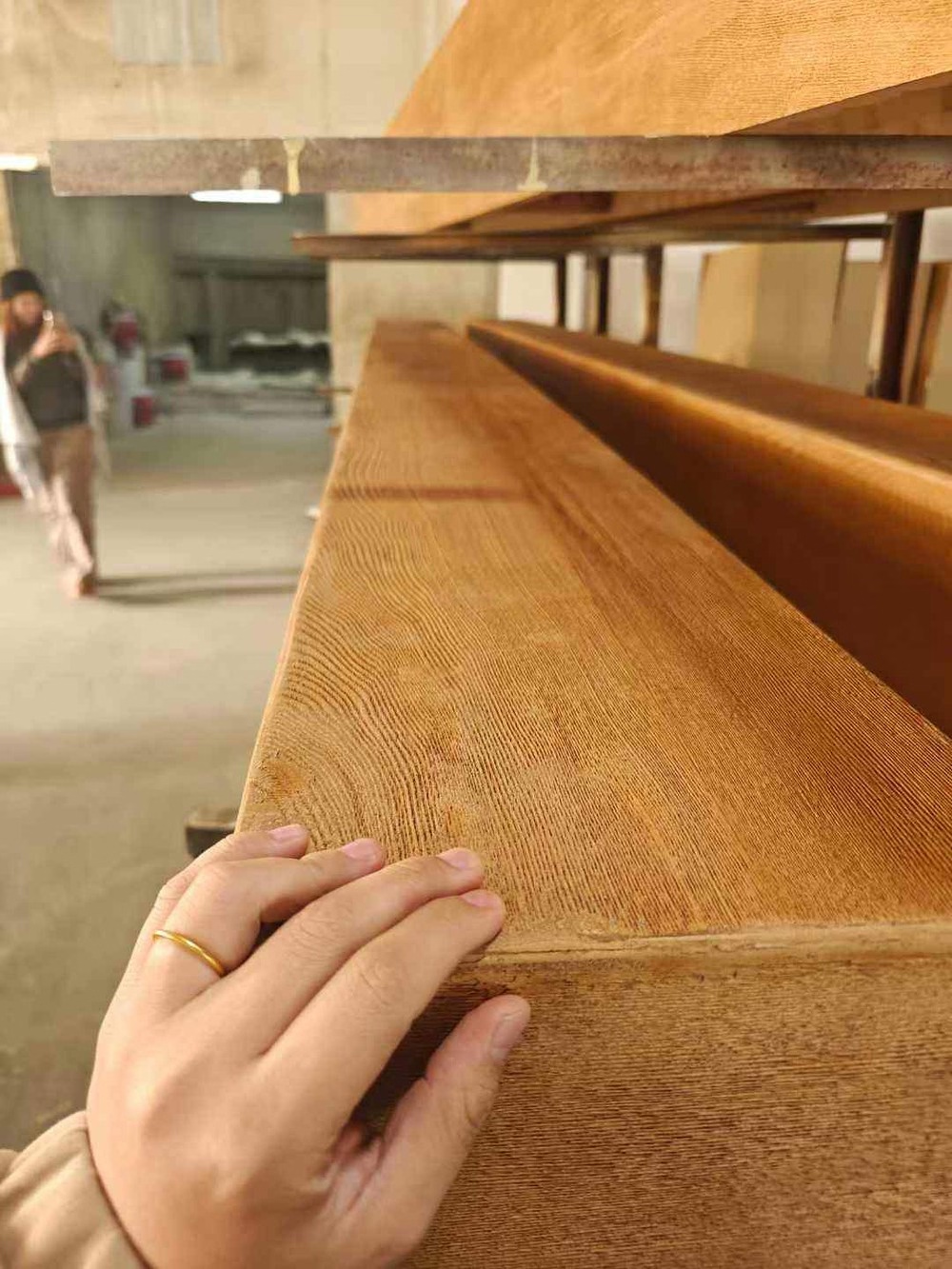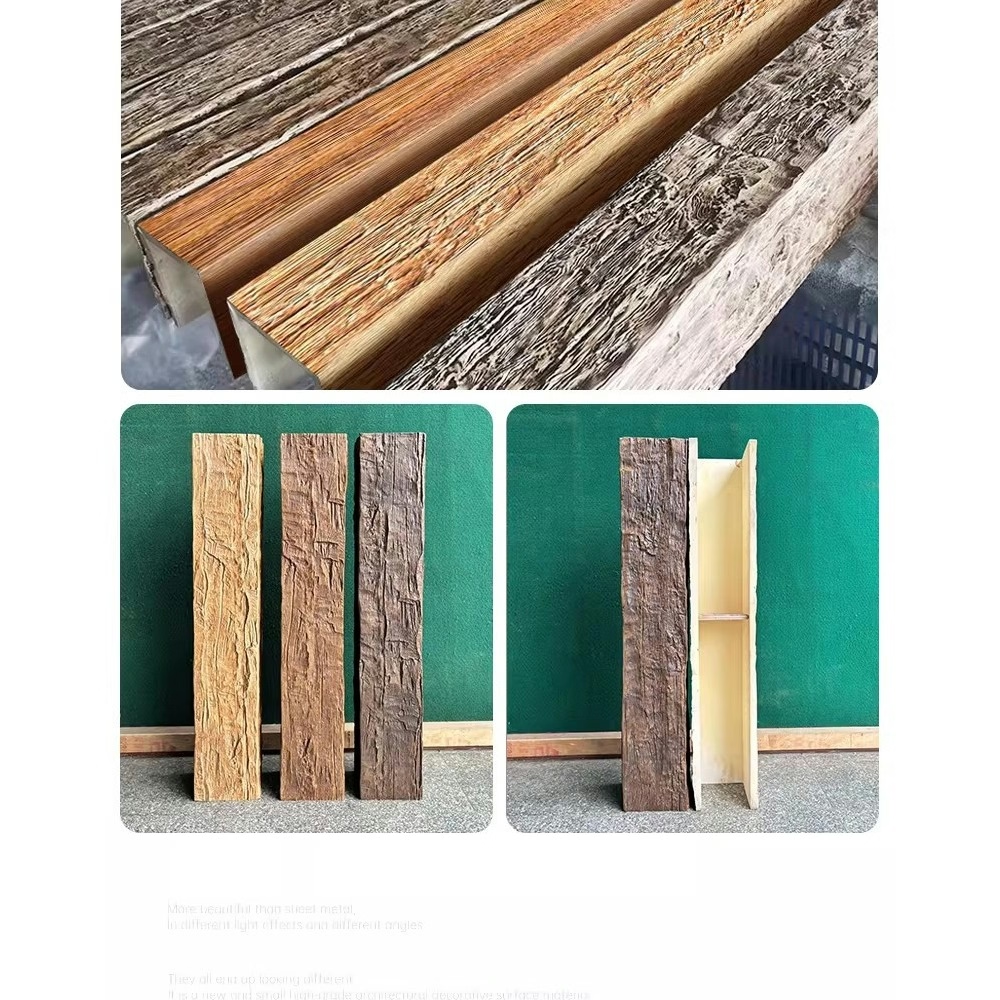
Three beam samples arrived for evaluation on a contractor's loading dock, all claiming professional grade quality and all priced within fifteen percent of each other. The samples looked similar in product photographs but revealed dramatically different performance when subjected to mounting tests, edge impact, and finish adhesion checks during the specification process. One beam split during normal handling, another showed surface checking after simulated aging, and the third performed flawlessly through all tests. That final product became the project specification, while the others joined the growing list of products that promise professional quality without delivering it.
Distinguishing genuine professional grade performance from marketing claims requires understanding the specifications, testing standards, and manufacturing practices that separate durable commercial products from inadequate alternatives. This knowledge helps contractors, architects, and project managers specify materials that perform through project construction and long-term building operation.
Defining Professional Grade Performance
Professional grade designation implies performance suitable for commercial applications where materials face demands exceeding typical residential use. Professional grade beams should maintain structural integrity during handling and installation, resist damage from normal construction activities, and preserve appearance through years of building operation without requiring exceptional maintenance procedures.
Structural performance requirements for professional grade beams include adequate density for secure mounting, dimensional stability under temperature and humidity variation, and resistance to impact damage common during construction. Density specifications between 200 and 320 kilograms per cubic meter provide sufficient mass for stable mounting while remaining light enough for practical handling.
Impact resistance testing evaluates how beams perform under the accidental impacts that occur in construction and commercial environments. Professional grade products should tolerate accidental tool drops, furniture bumps, and cleaning equipment contact without cracking, chipping, or surface damage that requires repair. Testing methods include pendulum impact testing, falling weight tests, and ball drop procedures that simulate common impact scenarios.
Material Composition and Manufacturing Standards
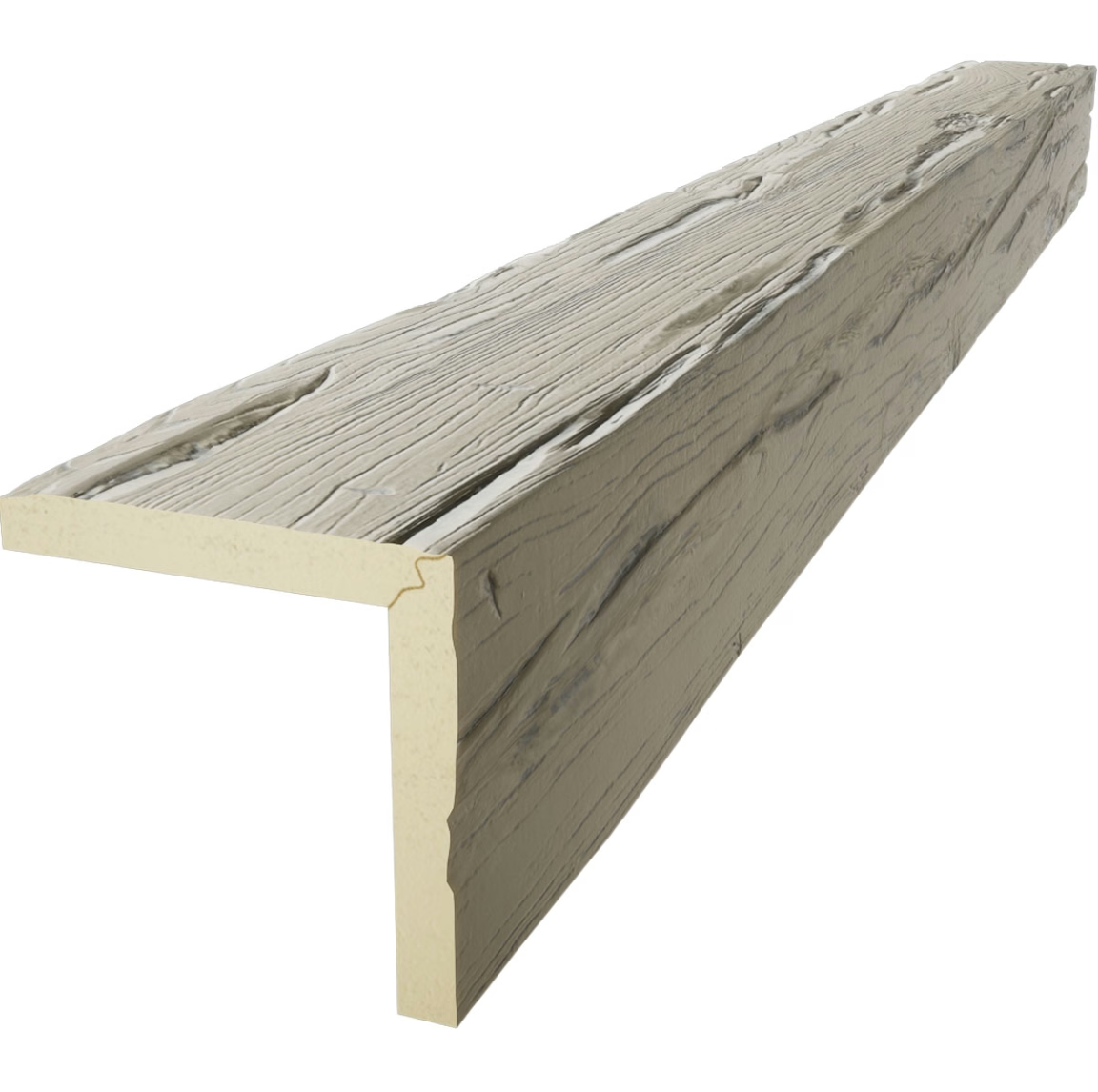
Professional grade polyurethane beams begin with high-quality raw materials, including consistent-density polymer compounds, UV stabilizers, and flame retardant additives. The manufacturing process should employ precision molds that produce consistent dimensions and crisp detail reproduction across production runs. Temperature and pressure controls during molding ensure uniform density and proper polymer cross-linking throughout each beam section.
Quality manufacturers maintain production quality through statistical process control, regular testing of production samples, and documented quality management systems. ISO 9001 certification indicates that manufacturers have established systematic quality practices, though certification alone does not guarantee product performance—specification review and testing verification remain necessary.
Compound formulation varies among manufacturers, with professional grade products typically using higher-density formulations with enhanced additives for UV stability, fire resistance, and surface durability. The specific formulation determines performance characteristics, and manufacturers willing to share technical data sheets and formulation information typically stand behind their product performance more confidently than those offering only marketing materials.
Fire Performance Standards
Fire rating classification represents a critical performance requirement for professional grade beams in most commercial applications. Building codes mandate specific fire ratings for different occupancy types and building locations, with non-compliant products subject to rejection during inspection regardless of aesthetic quality.
Class A fire ratings indicate the lowest flame spread and smoke development classifications, suitable for most commercial occupancy applications including hotels, offices, and retail spaces. Testing according to ASTM E84 or equivalent standards measures flame spread index and smoke development index, with Class A ratings requiring indices below 25 and 450 respectively.
Class B ratings allow higher flame spread indices, typically up to 75, suitable for some commercial applications where building codes permit reduced fire ratings. Class C ratings, with flame spread indices up to 200, generally satisfy only residential code requirements and may not meet commercial building codes for most applications.
Third-party testing by recognized laboratories provides credible fire rating verification. Products bearing marks from Intertek, Underwriters Laboratory, or similar testing organizations have demonstrated compliance through independent testing rather than manufacturer claims alone. Documentation of current testing should be verified, as some products tested years ago may not reflect current production formulations.
Durability Testing for Commercial Applications
Abrasion resistance testing evaluates how beam surfaces tolerate the friction and wear that occur during cleaning and routine contact. Taber abrasion testing with H-18 wheels at 1000 gram load typically serves for polyurethane surface evaluation, with professional grade products demonstrating minimal surface wear after standard test cycles.
Moisture resistance proves important in applications where humidity, water exposure, or moisture migration might affect material performance. Professional grade beams should show no swelling, delamination, or dimensional change when subjected to extended humidity exposure or brief water contact. This resistance makes them suitable for kitchen, bathroom, and pool-area applications where real timber would require special protection.
Thermal cycling testing simulates the temperature variations that occur in buildings without climate control, including unconditioned storage, transportation through varying climates, and installation in buildings with imperfect HVAC performance. Professional grade beams should maintain structural integrity and surface finish through repeated cycles between temperature extremes without cracking, warping, or finish degradation.
UV stability testing evaluates how beam surfaces perform under sunlight exposure, critical for beams installed near windows, skylights, or in outdoor applications. Professional grade products include UV inhibitors that prevent surface chalking, yellowing, or degradation over extended exposure periods. Xenon arc or QUV testing simulates years of UV exposure in compressed timeframes, with pass/fail criteria based on color change and surface condition.
Surface Finish Quality
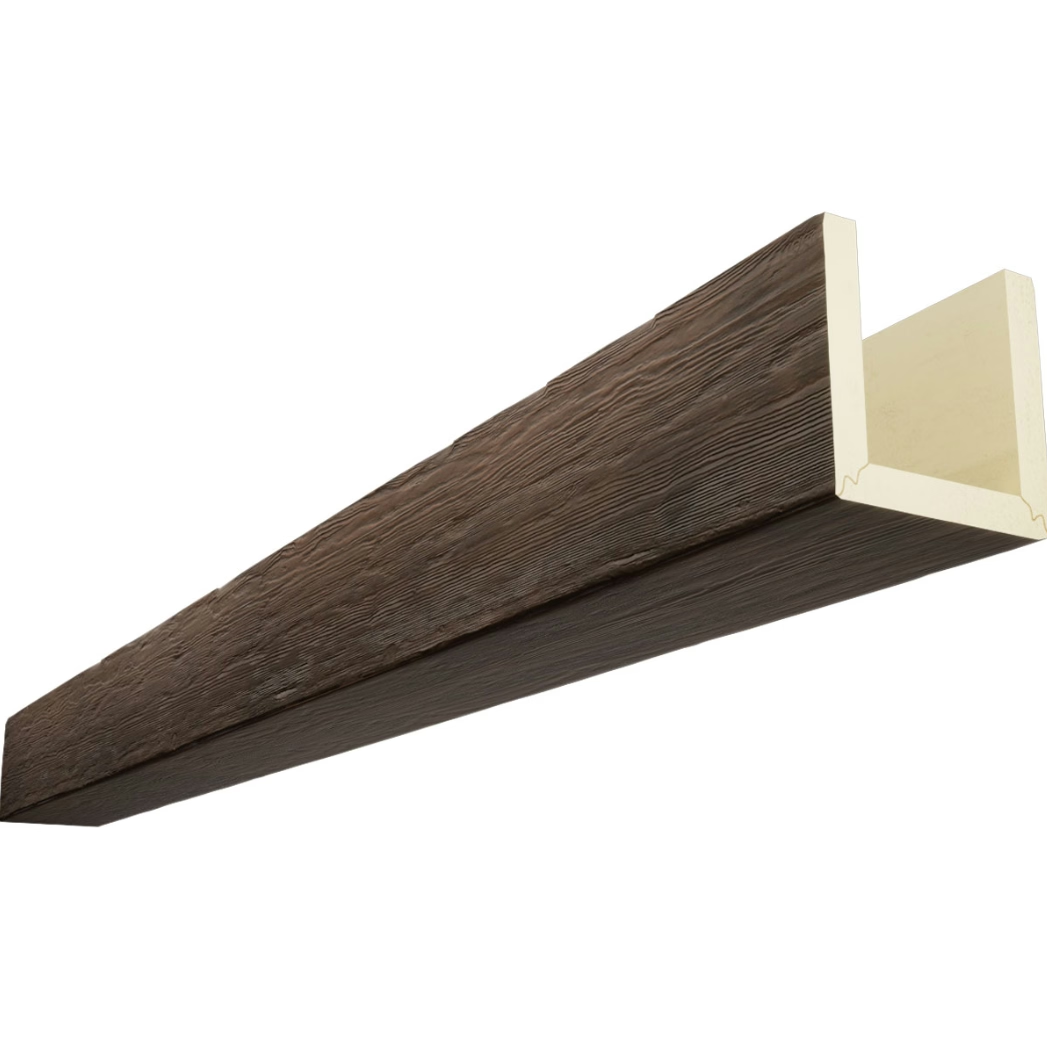
Factory-applied finishes on professional grade beams should provide consistent coverage, adequate adhesion, and long-term durability without requiring site finishing. The finish should resist common cleaning agents, mild abrasives, and incidental chemical contact while maintaining appearance through normal maintenance procedures.
Finish adhesion testing using cross-cut tape methods evaluates how well finish layers bond to the substrate. Professional grade products should show no finish lifting or delamination when tested according to ASTM D3359 or similar standards. Poor adhesion leads to finish peeling, chipping, or blistering that compromises appearance and exposes substrate to damage.
Gloss level consistency across beam surfaces and between beams from the same production run indicates manufacturing quality control. Professional grade products should demonstrate consistent sheen levels without visible variation under standard lighting conditions. Gloss variations indicate formulation inconsistency, application problems, or inadequate quality control during production.
Mounting System Compatibility
Professional grade beams must accept standard mounting hardware without cracking, splitting, or holding poorly. Threaded insert testing evaluates how beams perform when exposed to repeated installation and removal of mounting screws. Professional grade products should maintain screw holding capacity through multiple installation cycles without strip-out or material failure.
Bonding compatibility testing verifies that construction adhesives and sealants designed for polyurethane substrates develop adequate bond strength. Professional grade beam manufacturers typically recommend specific adhesive products that they have tested and warrant for use with their products. Using untested adhesives risks bond failure that manifests after installation, creating safety concerns and aesthetic problems.
Structural mounting to ceiling systems requires beams that can support their own weight plus any additional loads from integrated lighting, signage, or other ceiling elements. Professional grade beams should include published load ratings and mounting guidelines that enable engineers and contractors to specify appropriate fastening methods for specific applications.
Technical References
ASTM standards cited in every specification
Test Data
Lab results from internal testing program
Updated 2026
Reviewed against current product specs