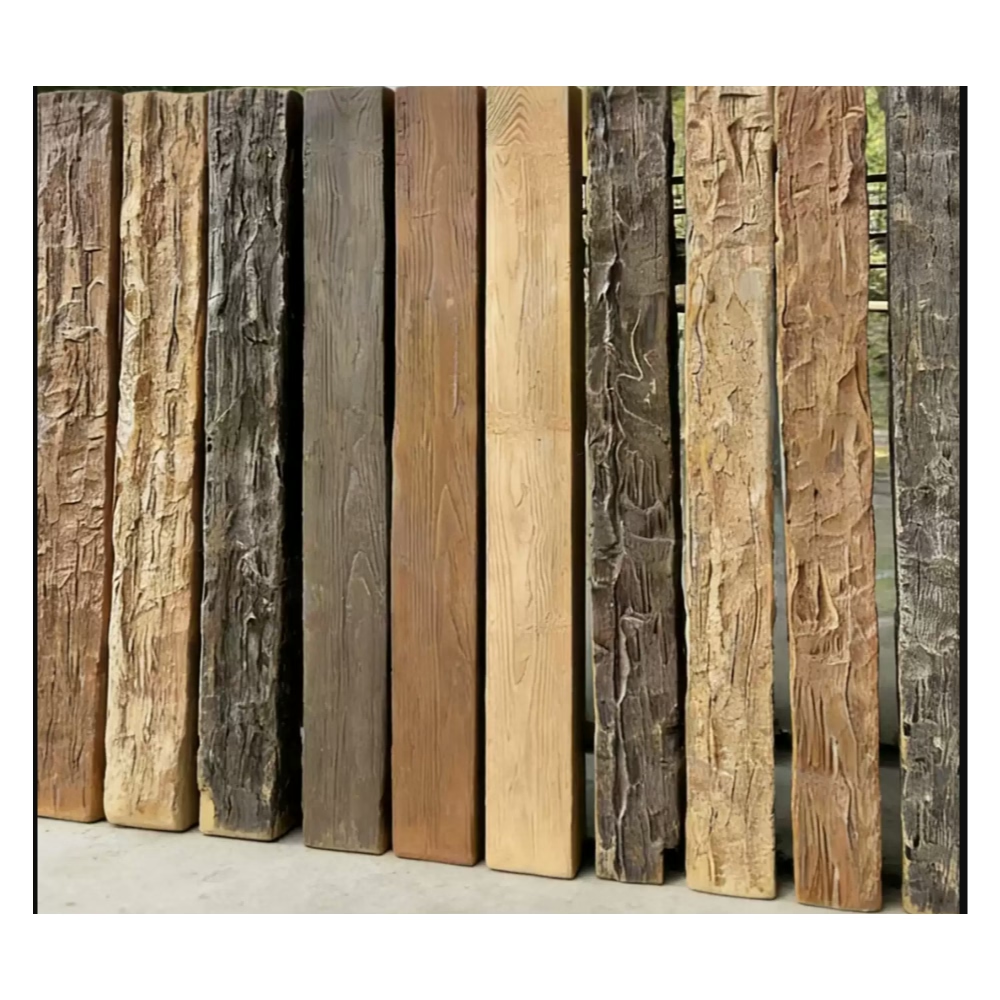
The specification writer for a mixed-use development included an unusually detailed section on ceiling beams, specifying not just dimensions and finish requirements but also density ranges, fire test standards, and third-party testing requirements. The general contractor initially protested the additional requirements as unnecessary complexity, but the resulting submittal package enabled systematic evaluation of competing products. The successful beam supplier provided complete documentation, while two competitors failed submittal review due to missing fire test certificates and inadequate quality system documentation.
Project-grade designation indicates products specifically manufactured and documented for commercial construction applications where specifications, testing, and quality assurance requirements apply. Understanding project-grade requirements helps construction professionals specify materials that satisfy building codes, meet brand standards, and perform reliably through building lifecycles.
Engineering Specifications for Project Applications
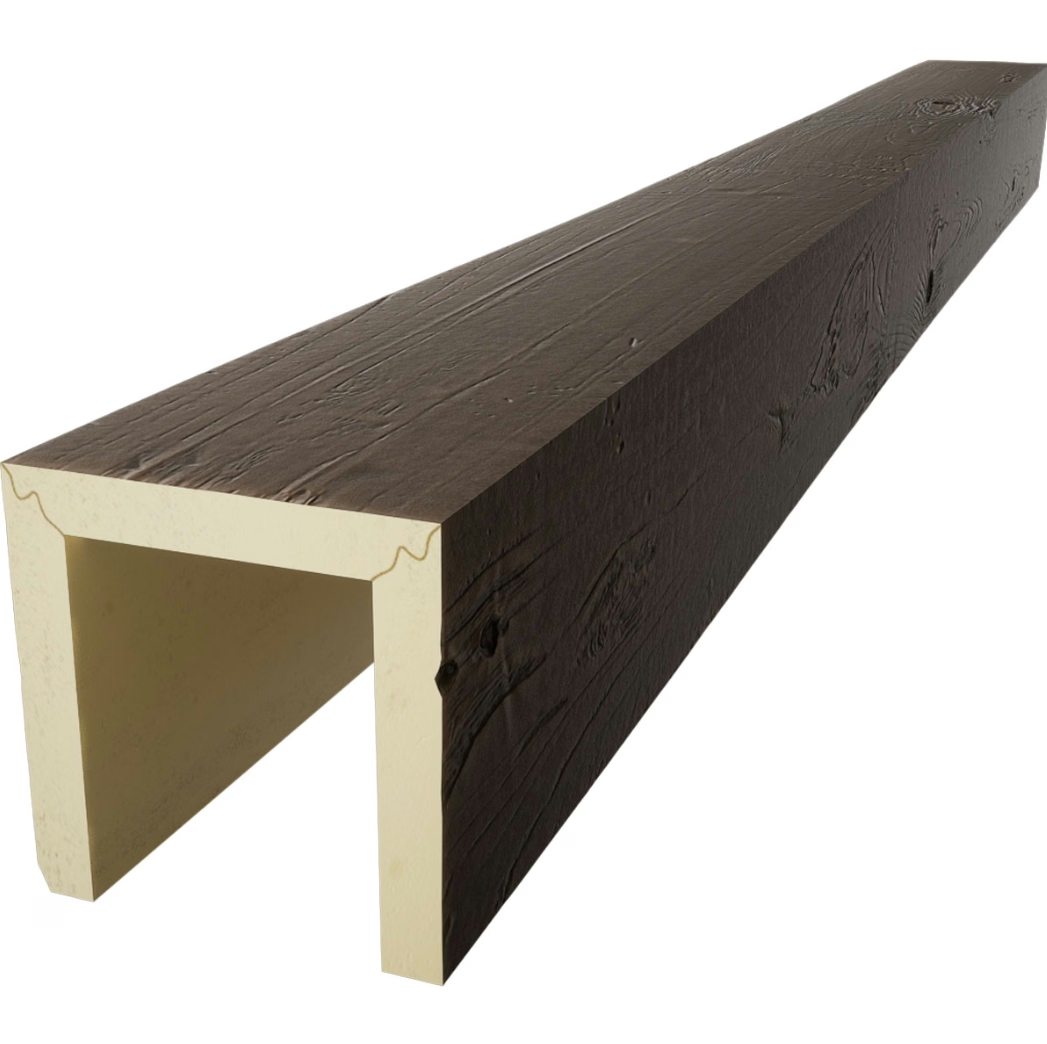
Project specifications for structural and architectural elements require engineering data that enables code compliance verification and structural assessment. Project-grade polyurethane beams should be available with published technical data including density ranges, modulus of elasticity values, and load deflection characteristics that structural engineers require for mounting design.
Density specifications provide the foundation for structural calculations determining appropriate mounting methods and spacing. Project-grade products typically specify density within narrow ranges such as 240 to 280 kilograms per cubic meter, rather than broad ranges that create uncertainty in engineering calculations. Consistent density across production runs ensures that structural assumptions remain valid throughout the project installation.
Thermal expansion coefficients enable calculation of movement accommodation requirements for long beam runs or installations in buildings with significant temperature variation. Project-grade polyurethane beams typically show linear expansion coefficients between 0.04 and 0.08 millimeters per meter per degree Celsius, values significantly lower than aluminum but higher than steel. This information helps engineers specify appropriate expansion joints and connection details.
Documentation Requirements for Project Submittals
Commercial construction projects require material submittals that document compliance with specifications before procurement proceeds. Project-grade beam suppliers should provide comprehensive submittal packages including product data sheets, fire test certificates, sample finishes, and quality documentation that demonstrates manufacturing capability.
Fire test documentation should include current test reports from recognized testing laboratories, with test reports reflecting current production formulations rather than obsolete products. Test reports should specify the exact products tested, with laboratory marks and certification numbers that enable verification against testing organization databases. Reports more than five years old may not reflect current production and should be verified with manufacturers.
Quality system documentation demonstrates that suppliers maintain systematic quality practices that ensure consistent product performance. ISO 9001 certification indicates third-party verified quality management, while supplier quality manuals and inspection procedures demonstrate internal quality practices. Projects with stringent quality requirements may require supplier quality plans that document specific quality procedures for the project.
Performance Testing and Verification
Project specifications often require independent testing to verify that supplied products meet specification requirements. Testing protocols may include material property verification through laboratory sampling, installation performance testing through mock-up evaluation, or ongoing verification during production through statistical sampling.
Destructive testing provides definitive verification of material properties but destroys the tested samples, making it suitable for specification verification rather than production testing. Common destructive tests include density determination through weight and volume measurement, flexural strength testing through three-point bending, and hardness testing through Shore durometer measurements.
Non-destructive testing methods enable verification of installed products without damage, useful for quality assurance during construction and periodic inspection during building operation. Ultrasonic testing can verify internal density consistency, while magnetic particle testing can identify surface defects in mounting areas. These methods provide quality assurance without compromising installed product appearance.
Code Compliance Verification
Building codes specify minimum requirements for materials used in commercial construction, with compliance verification required before occupancy permits issue. Project-grade beam specification should identify applicable building codes and ensure that specified products demonstrate compliance through testing, certification, or evaluation service reports.
International Building Code provisions for finish materials reference surface burning characteristics tested according to ASTM E84 or equivalent standards. Most commercial occupancy types require Class A ratings for ceiling materials in accessible locations, with Class B or Class C ratings acceptable in some limited applications. Project specifications should verify which rating applies to specific installations based on occupancy type and building height.
Americans with Disabilities Act requirements do not typically apply directly to ceiling materials, but accessibility considerations may affect beam installation in public areas where beams could create head clearance issues or impact hazards. Project specifications for beams in accessible public areas should consider these requirements during design development.
Quality Assurance During Installation
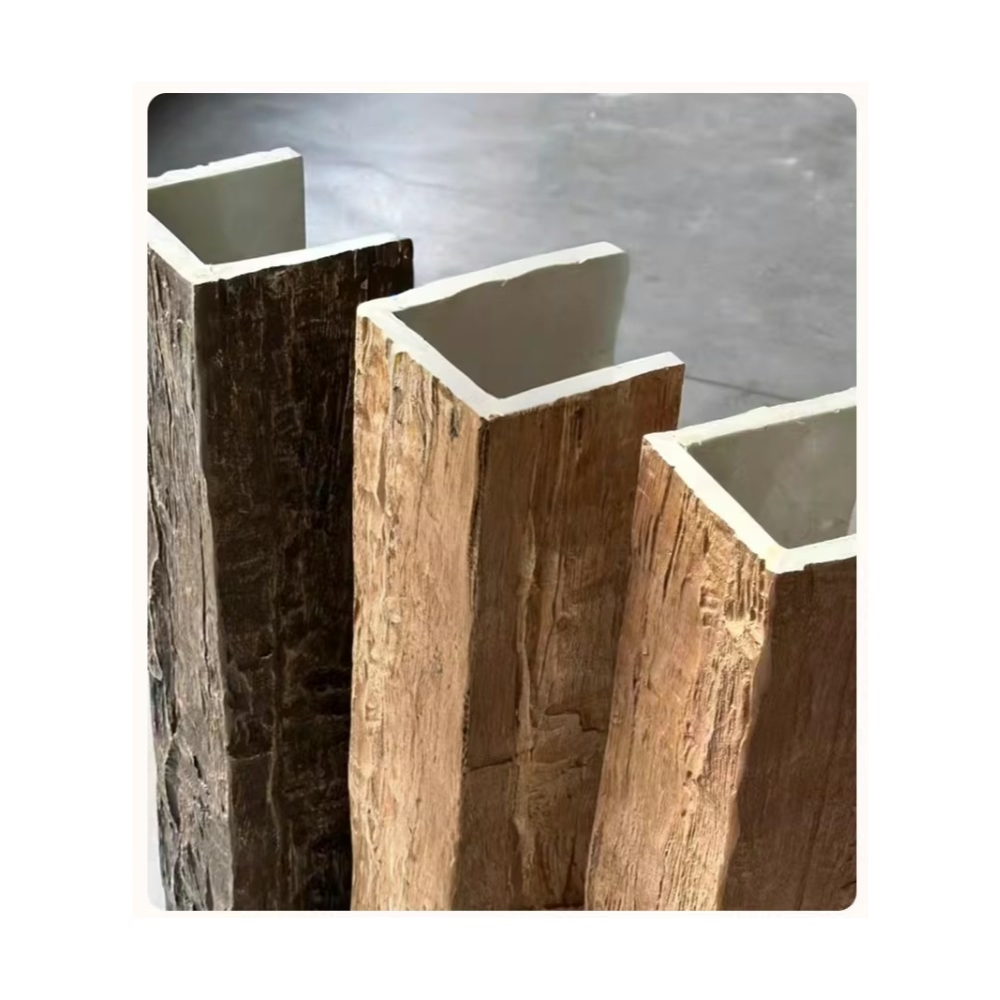
Project-grade installations benefit from quality assurance protocols that verify proper handling, storage, and installation throughout the construction process. Quality assurance inspection checklists should verify material condition upon delivery, storage protection during construction, and installation quality before final acceptance.
Delivery inspection should verify that received materials match order specifications, including dimensions, finish, and quantity. Any discrepancies identified at delivery should be documented and resolved before installation to prevent disputes about responsibility for non-conforming materials. Photography of delivered materials provides documentation for quality assurance records.
Installation inspection verifies that mounting methods, alignment, and finishing meet specification requirements. Inspectors should verify mounting hardware specifications, spacing, and secure attachment; alignment consistency across beam runs; and finish condition without damage or contamination. Deficiency documentation enables correction before project completion.
Warranty and Long-Term Performance
Project specifications should address warranty requirements that protect building owners from material defects and installation failures. Project-grade products typically carry manufacturer warranties covering material defects and finish failures for periods ranging from five to fifteen years, with longer warranties available for premium products.
Warranty requirements should specify warranty duration, coverage scope, and claim procedures that ensure timely resolution of material problems. Extended warranties may require registration, maintenance documentation, or inspection protocols that building owners must follow to maintain warranty coverage.
Long-term performance documentation helps building owners plan maintenance and budget for eventual replacement. Project-grade suppliers should provide expected service life information, maintenance guidelines, and end-of-life recycling or disposal options that support sustainable building operation.
Technical References
ASTM standards cited in every specification
Test Data
Lab results from internal testing program
Updated 2026
Reviewed against current product specs


