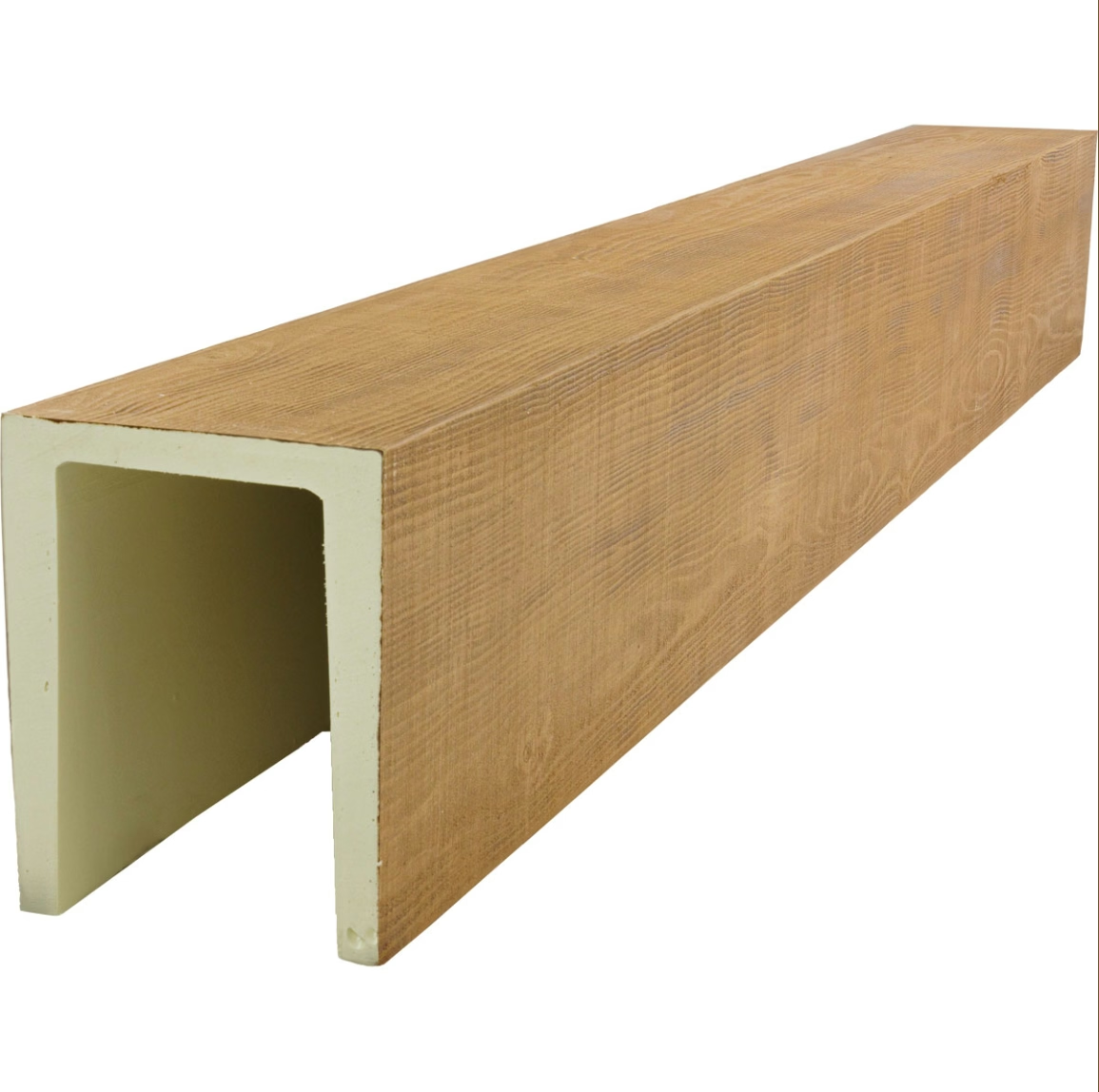
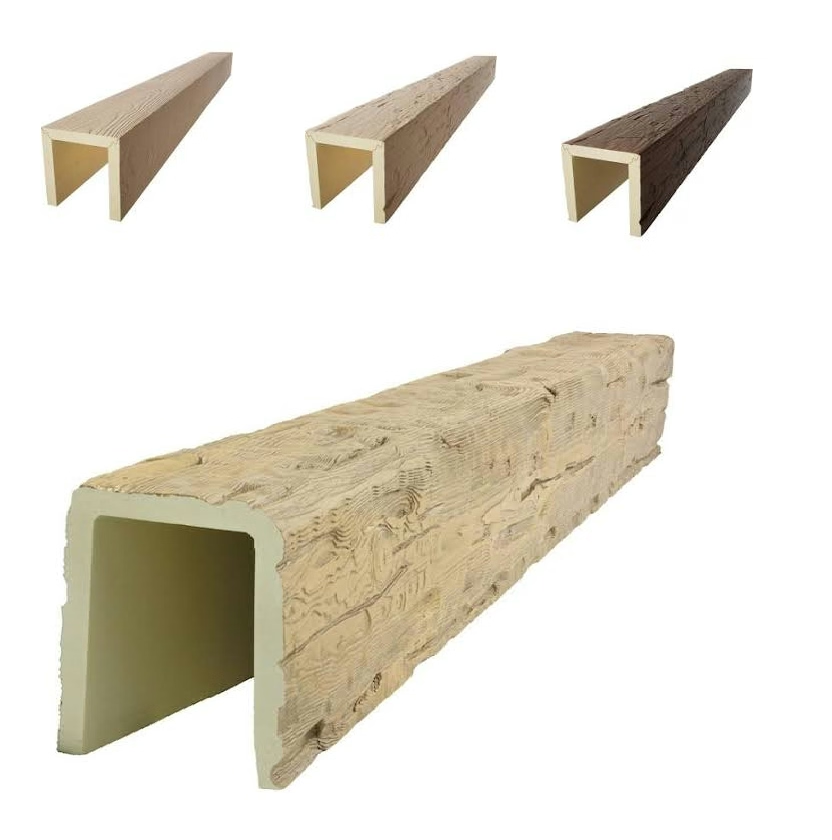
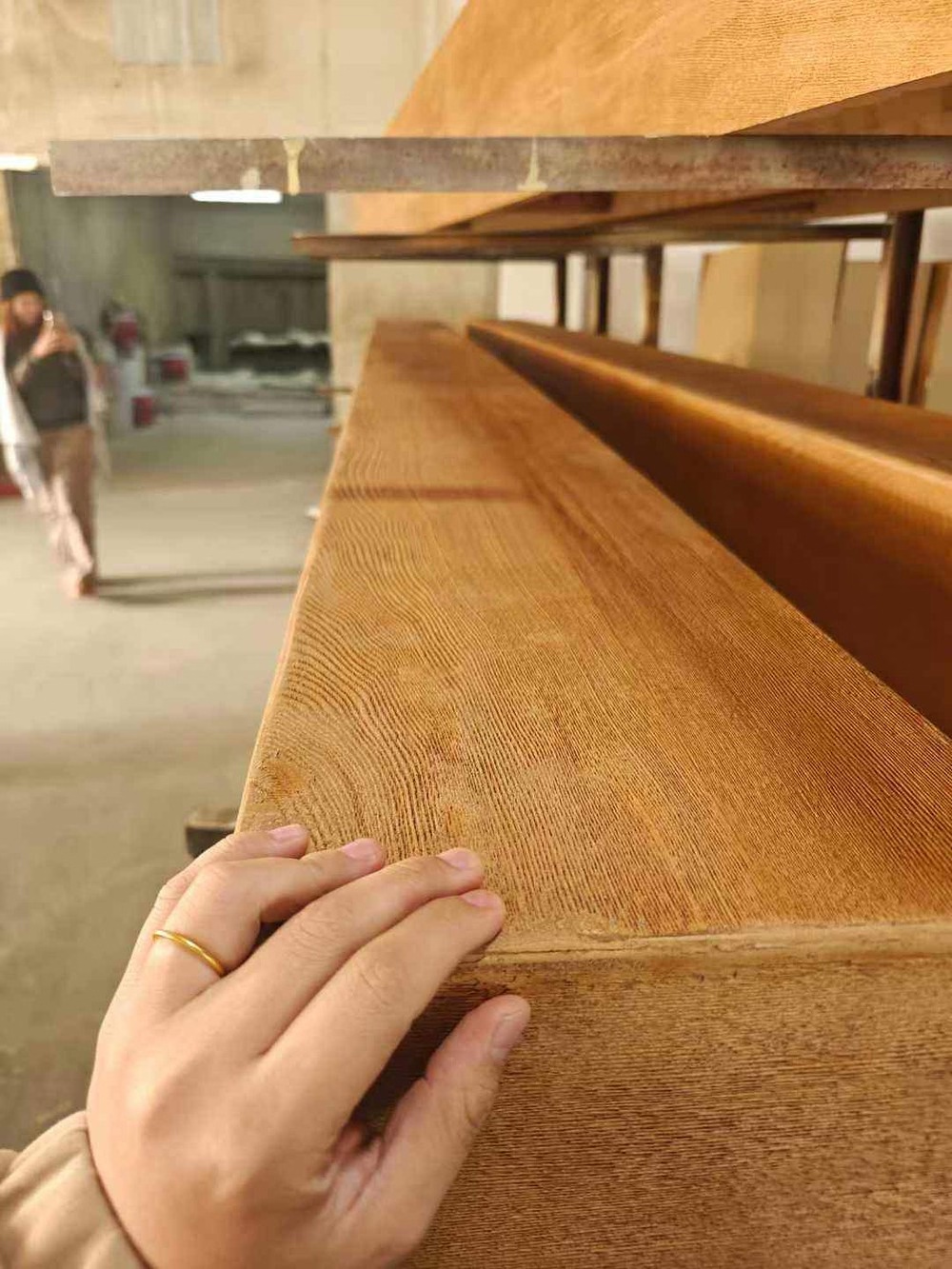
The renovation and construction industries have witnessed a significant shift toward polyurethane faux wood beams over the past decade, driven by compelling economics that benefit everyone in the supply chain. Homeowners gain beautiful ceiling treatments at a fraction of timber costs, contractors enjoy easier installations with fewer callbacks, and distributors can stock products that move reliably without the storage challenges of real wood. Understanding why polyurethane offers such strong value propositions helps decision-makers communicate these advantages confidently to their own customers.
The Cost Breakdown: PU Beams Versus Traditional Timber
Comparing prices between polyurethane faux beams and genuine timber requires looking beyond the initial unit cost. Real wood beams from quality suppliers—whether reclaimed oak, Douglas fir, or hand-hewn cedar—often cost two to four times more per linear foot than their polyurethane counterparts. Yet material cost represents only part of the total project expense when working with timber.
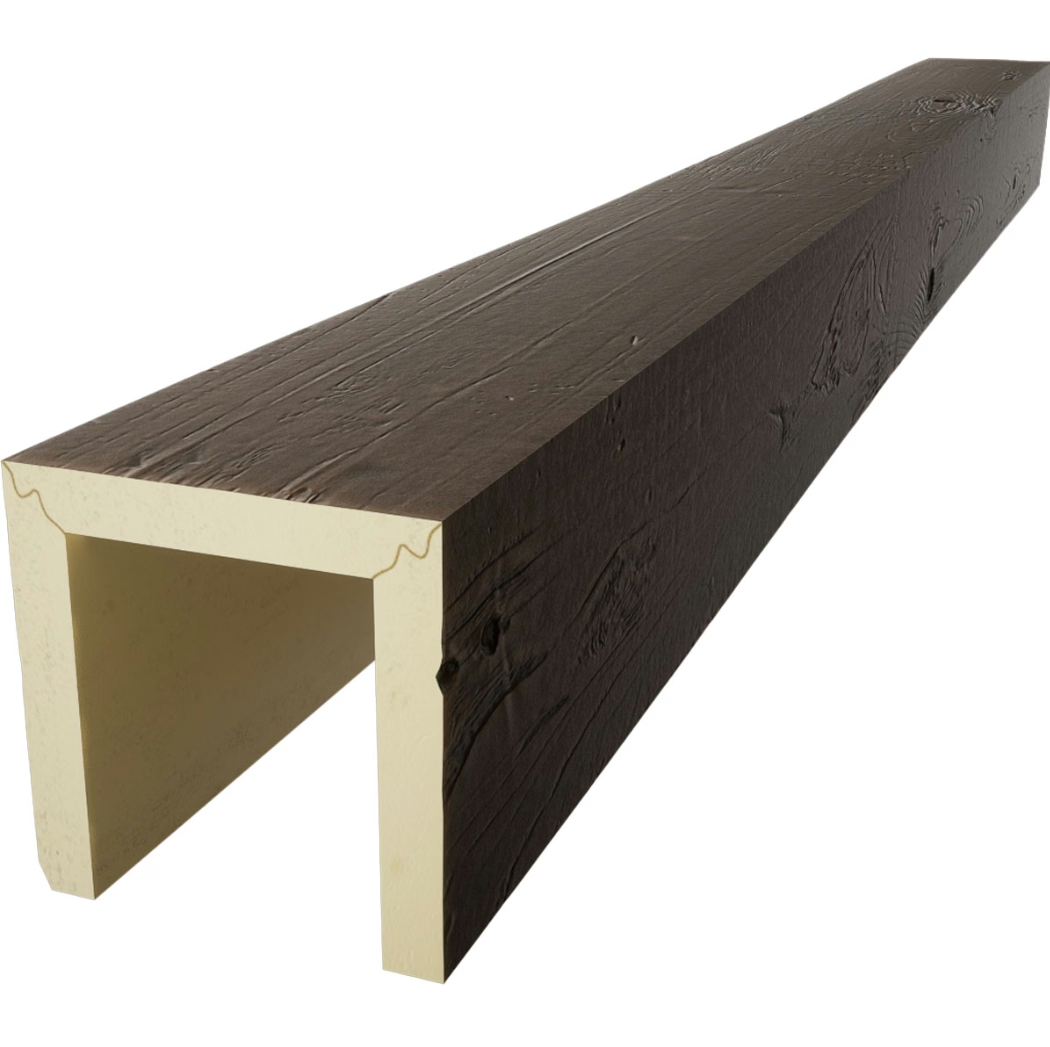
Weight creates the first significant cost differential. A solid eight-foot Douglas fir beam might weigh sixty pounds or more, requiring two people or mechanical equipment for handling. The same size polyurethane beam weighs under ten pounds, allowing single-person installation and reducing labor costs substantially. For contractors billing hourly, faster installation directly improves profitability margins.
Timber requires skilled craftspeople to install correctly. The wood must be notched around obstacles, joined at corners with precision cutting, and often requires structural engineering consideration. Polyurethane beams install using straightforward carpentry techniques with standard tools, dramatically expanding the pool of qualified installers. This labor efficiency compounds across larger projects where dozens of beams might be installed.
Maintenance costs also favor polyurethane over time. Real wood beams may require periodic refinishing, pest treatment, or replacement if moisture damage occurs. Quality polyurethane finishes resist UV degradation, moisture damage, and insect infestation without ongoing treatment costs. The fifteen-year warranty typical of premium manufacturers translates to peace of mind that eliminates maintenance budgeting for these architectural elements.
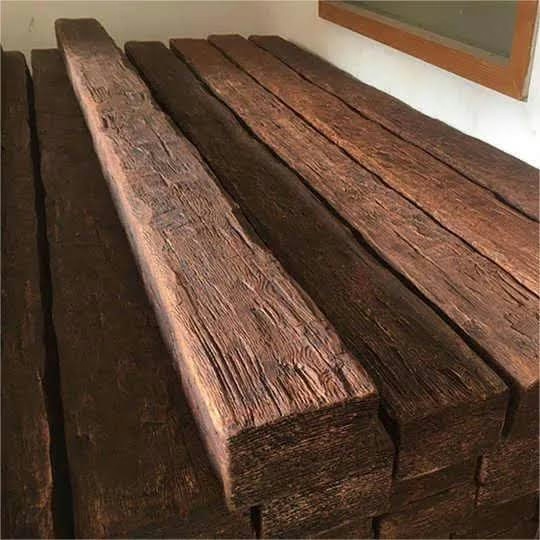
How Bulk Purchasing Amplifies Savings
The inherent cost advantages of polyurethane become even more pronounced when approached strategically through bulk purchasing. Manufacturers price their products to reward commitment, and buyers who structure orders to capture volume discounts multiply their savings substantially.
Consider a typical residential project requiring twelve beams at eight feet each. At retail pricing of approximately sixty-five dollars per beam, the material cost reaches seven hundred eighty dollars. The same project purchasing through wholesale channels at forty-five dollars per beam reduces costs to five hundred forty dollars—a savings of two hundred forty dollars or thirty-one percent. The actual savings vary by supplier and quantity, but the pattern holds consistently across the industry.
Scaling to commercial projects amplifies these benefits further. A hotel renovation installing fifty beams throughout its common areas might face material costs exceeding three thousand dollars at retail pricing. Wholesale access at bulk rates could reduce that to around twenty-two hundred dollars, preserving nearly eight hundred dollars that contribute directly to project profitability or enable budget reallocation to other finishing elements.
Distributors and importers who purchase in container quantities often access pricing that makes these products extraordinarily competitive in their markets. A container of beams might represent significant upfront investment, but the per-unit economics enable comfortable margins while maintaining retail pricing that still undercuts competing materials. The key is calculating landed costs accurately and pricing products competitively based on actual acquisition expenses.
Understanding What Drives PU Beam Pricing
Several factors influence polyurethane beam pricing beyond simple quantity considerations. Awareness of these variables helps buyers make informed decisions and identify opportunities for additional savings.
Raw material costs fluctuate with global chemical markets, as polyurethane relies on petrochemical derivatives. When oil prices rise, expect corresponding pressure on beam pricing. Long-term supply agreements often include adjustment clauses that protect both parties from extreme volatility, though these protections come at the cost of missing windfall savings when material costs decline.
Manufacturing location affects pricing through labor costs, regulatory environments, and logistics considerations. China remains the dominant production region for polyurethane architectural elements, offering competitive manufacturing costs that translate to attractive export pricing. However, quality variations between factories mean that lowest price rarely represents best value. Understanding which manufacturers consistently produce superior products helps avoid the false economy of inferior goods.
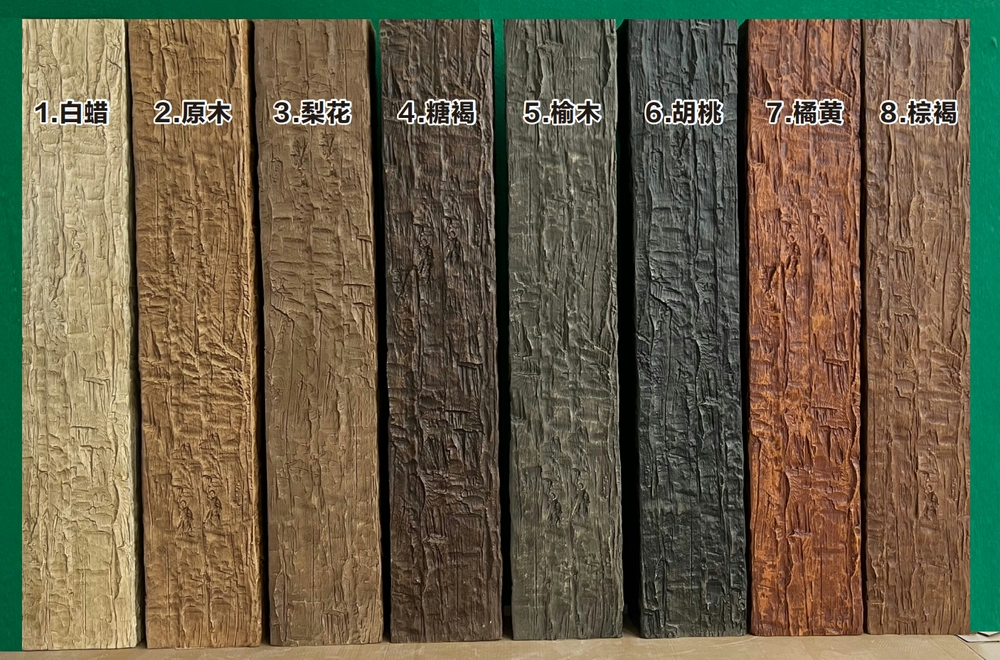
Finish complexity influences pricing substantially. A simple textured finish in standard colors costs less than hand-painted color matching, multi-tone distressing, or specialty textures requiring additional production steps. Buyers seeking maximum cost efficiency should consider how much finish complexity their markets truly demand versus what represents nice-to-have premium options.
Strategic Approaches to Maximize Value
Maximizing value on polyurethane beam purchases requires thinking beyond individual transactions. Several approaches yield compounding benefits over time.
Forecasting annual requirements enables consolidation into larger orders that capture the steepest volume discounts. A distributor selling approximately five hundred beams annually should negotiate an annual volume commitment with their supplier, structuring deliveries in quarterly shipments that maintain inventory without overwhelming storage capacity. This approach typically yields pricing fifteen to twenty-five percent better than equivalent volume purchased through multiple smaller orders.
Standardizing on fewer beam profiles reduces complexity and improves pricing leverage. Each unique profile requires separate setup and potentially different tooling, increasing manufacturing costs. A catalog offering three or four popular profiles at aggressive pricing often outperforms one with twelve options at higher individual costs. Project-specific custom orders can still be accommodated, but routine restocking benefits from profile standardization.
Building strong supplier relationships unlocks benefits that purely transactional purchasing cannot access. Long-term partners receive priority allocation during capacity constraints, more flexibility on payment terms, and early access to new products and improvements. The minimal effort required to nurture these relationships returns substantial value over time.
Total Project Economics for End Customers
When communicating value to end customers—whether homeowners, business owners, or project developers—the total project economics matter more than individual component pricing. Polyurethane faux wood beams deliver remarkable transformations at costs that enable projects that might otherwise be value-engineered out of existence.
A homeowner who dreamed of timber beams but balked at fifteen thousand dollar estimates for genuine Douglas fir might enthusiastically embrace a five thousand dollar polyurethane alternative that achieves comparable visual impact. The project proceeds where it otherwise would have been abandoned, benefiting everyone involved. The contractor earns profitable work, the distributor moves inventory, and the manufacturer gains a satisfied customer who may return for future projects or refer others.
Commercial projects benefit similarly. A restaurant chain updating locations with rustic ceiling treatments can achieve brand consistency across dozens of properties without the maintenance concerns and installation challenges of real timber. The cost savings enable faster rollout and more consistent execution, supporting business objectives beyond simple aesthetic improvement.
The value proposition of competitive-price polyurethane faux wood beams extends throughout the supply chain, rewarding thoughtful purchasing strategies that capture available efficiencies. Contractors, designers, and distributors who communicate these economics effectively to their customers unlock opportunities that benefit all parties.
Technical References
ASTM standards cited in every specification
Test Data
Lab results from internal testing program
Updated 2026
Reviewed against current product specs