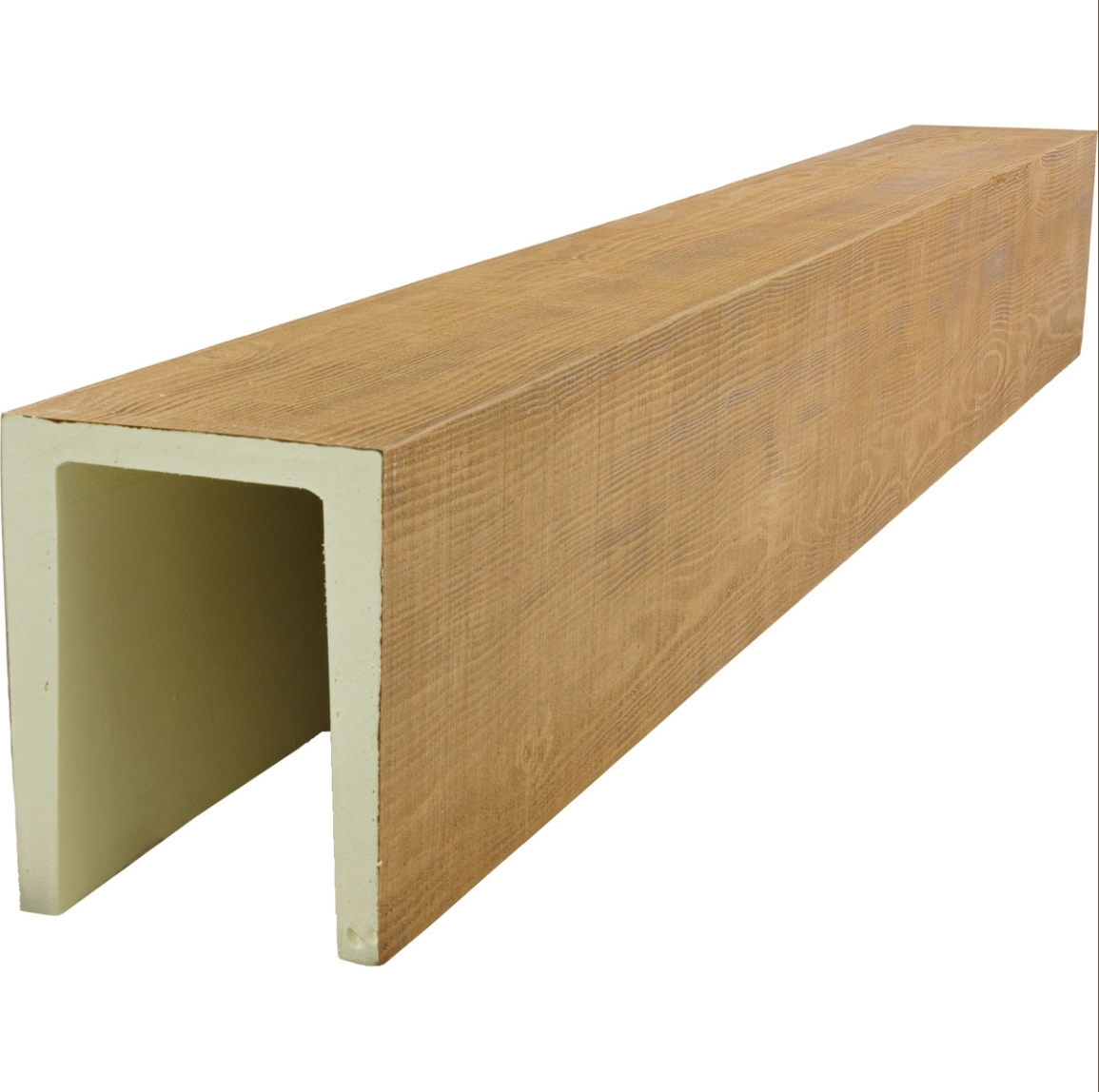
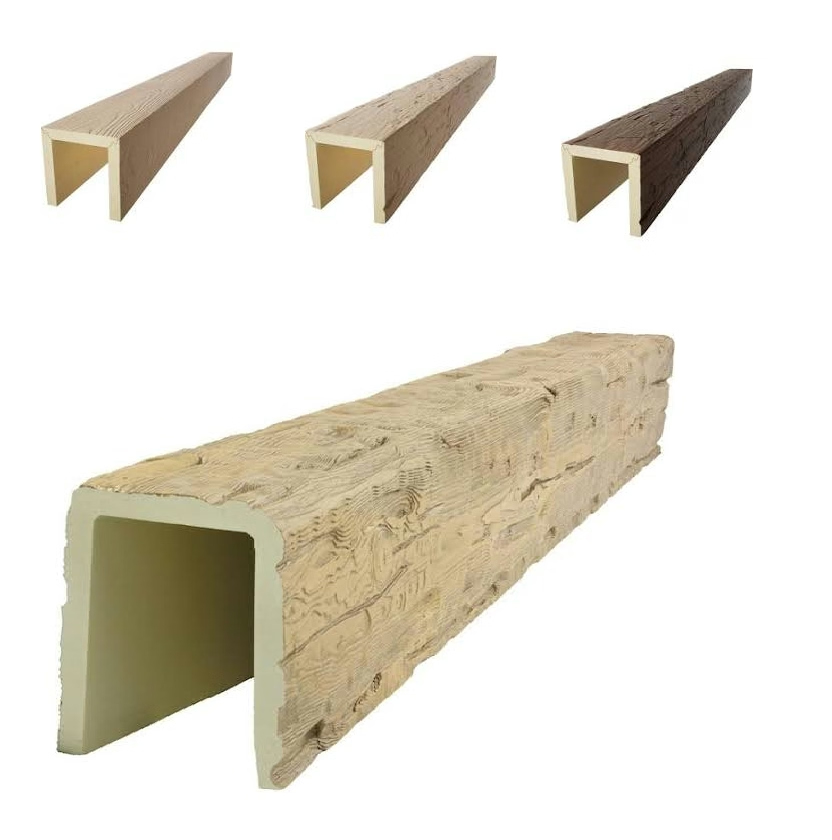
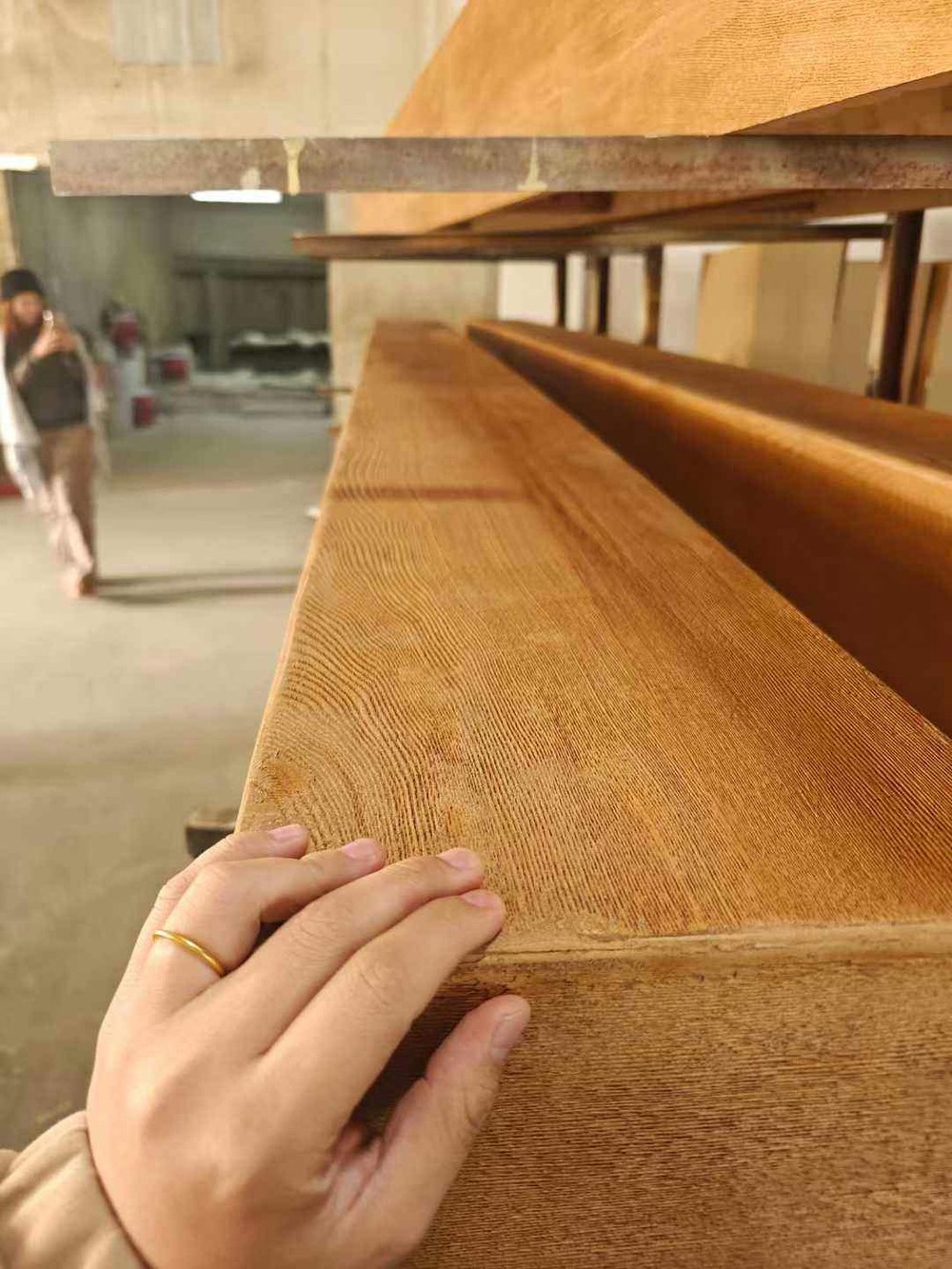
Sourcing faux wood ceiling beams for your projects means balancing aesthetic appeal with budget constraints. Whether you're a contractor working on multiple residential developments or an importer stocking your catalog, understanding the wholesale pricing landscape can significantly impact your bottom line. High-density polyurethane beams have emerged as the preferred alternative to real timber, offering remarkable visual fidelity at a fraction of the weight and cost.
The wholesale market for polyurethane faux wood beams operates on volume-based pricing structures that reward larger orders. Manufacturers typically tier their pricing according to order quantity, with discounts increasing progressively as order volumes rise. A standard residential project requiring eight to twelve beams might see unit pricing around thirty to forty-five dollars, while bulk orders exceeding five hundred units can negotiate rates that drop unit costs by thirty to forty percent. Understanding these dynamics helps procurement managers plan orders strategically and maximize savings.
Understanding the True Cost of Quality Beams
Quality in polyurethane beams isn't merely about the visual appearance—it's about the entire production process from raw material selection through final finishing. Premium manufacturers source high-grade polyurethane compounds that resist cracking, warping, and UV degradation over time. These materials cost more initially, but they translate to fewer callbacks, happier end customers, and stronger reputation for installers.
When evaluating wholesale pricing, experienced buyers examine several quality indicators beyond the surface finish. The density of the polyurethane core affects both durability and workability during installation. Higher density beams accept screws more cleanly and hold mounting hardware more securely. The bonding between any wood veneer overlay and the polyurethane core must withstand temperature fluctuations without delamination. Batch consistency matters enormously for larger projects—receiving beams from different production runs that don't quite match creates frustration and delays.
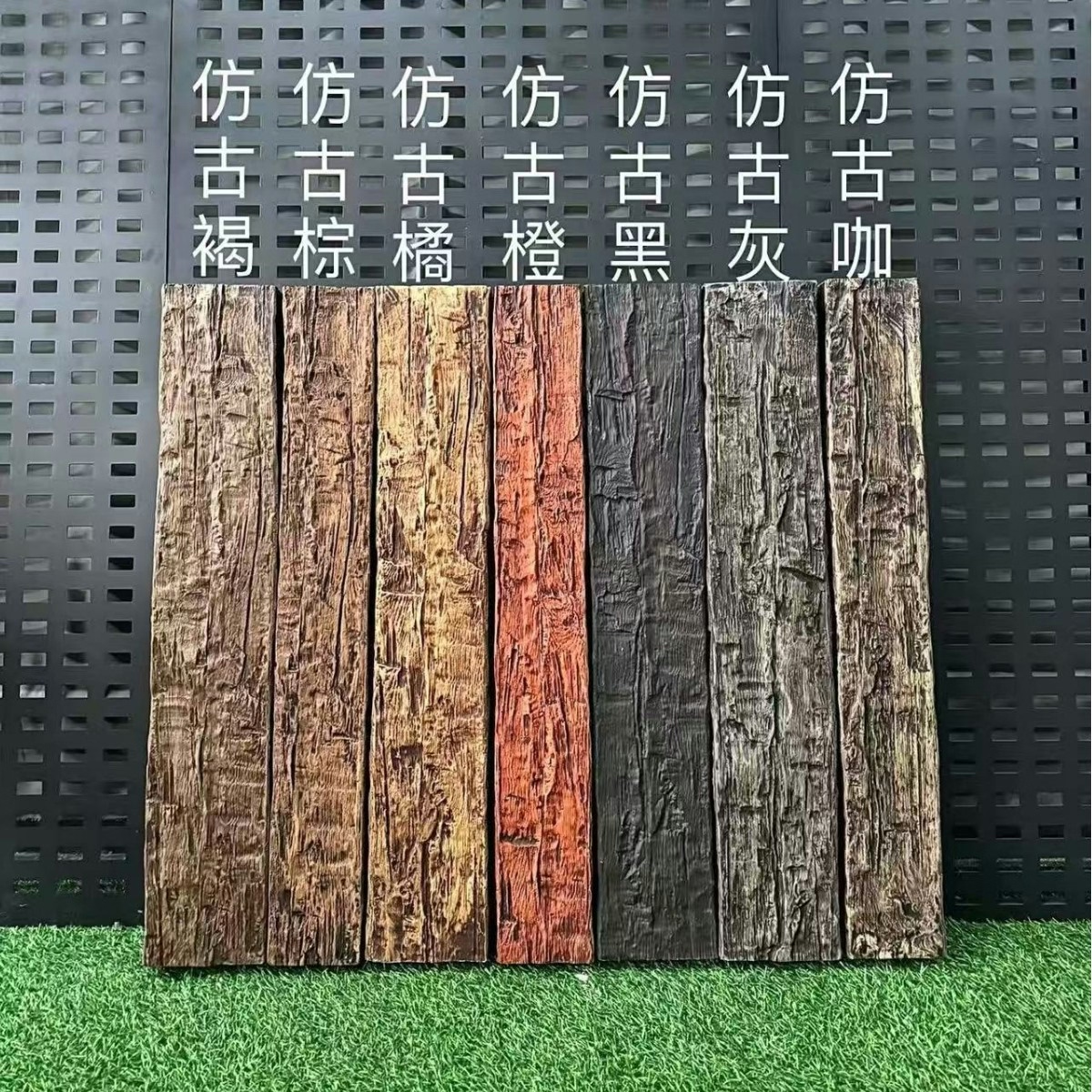
Factory production standards also influence long-term value. Manufacturers with ISO 9001 certification or similar quality management systems typically maintain tighter tolerances across production runs. This consistency matters when beams need to connect at corners or span long distances where alignment becomes critical. The finishing process—whether hand-painted, machine-sprayed, or texture-stamped—affects both appearance longevity and how beams perform when exposed to humidity or sunlight.
Strategic Sourcing for International Buyers
Importers face unique challenges when sourcing faux wood beams from Asian manufacturers, particularly in China where the majority of global production concentrates. Beyond the per-unit cost, freight logistics, import duties, and currency fluctuations all factor into the true landed cost of goods. A beam priced at twenty-five dollars FOB Shanghai might cost thirty-eight dollars by the time it arrives at a U.S. distribution warehouse, depending on container shipping rates and duty classifications.
Working with established export manufacturers reduces risks associated with quality consistency and delivery reliability. Reputable suppliers maintain dedicated export divisions that understand documentation requirements, packaging standards for ocean freight, and communication protocols that bridge cultural and time zone differences. These relationships often unlock pricing advantages unavailable to one-off purchasers, along with better payment terms and customer service responsiveness.
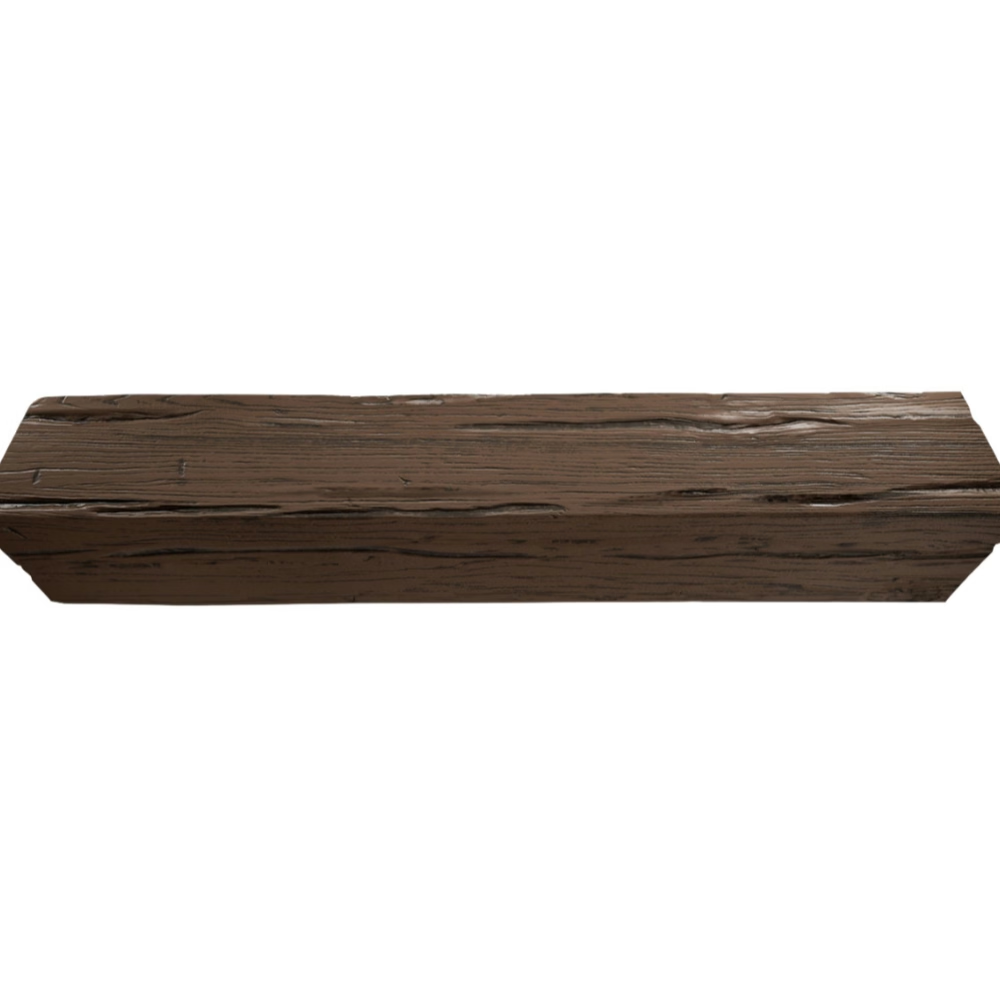
Volume Tiers and Order Planning
Most manufacturers structure their wholesale pricing around defined volume tiers that reflect production efficiencies at different scales. Understanding these tiers helps project managers and procurement specialists optimize their ordering strategy.
| Order Quantity | Typical Discount | Per-Unit Range (Standard 8" Beam) |
|---|---|---|
| 1-24 units | Base price | $45-65 |
| 25-99 units | 10-15% off | $38-55 |
| 100-499 units | 20-25% off | $34-49 |
| 500+ units | 30-40% off | $27-39 |
Projecting your annual volume across multiple jobs allows consolidation into larger orders that capture better pricing. Some contractors maintain relationships with two or three manufacturers and split orders strategically—one large order capturing volume discounts while keeping smaller inventories available for quick-turnaround jobs.
Quality Assurance at Wholesale Quantities
Verifying quality becomes more challenging but more important as order quantities increase. Requesting samples before placing full container orders represents a small investment that protects against significant disappointment. Most manufacturers provide complimentary samples of their standard products, though custom finishes or sizes might require sample fees that apply toward subsequent orders.
Third-party inspection services operating in manufacturing regions offer another layer of quality assurance. Companies specializing in product inspection can visit factories during production, verify specifications against purchase orders, and conduct random sampling of finished goods. For orders exceeding fifty thousand dollars, the cost of professional inspection—typically one to three percent of order value—provides meaningful risk mitigation.
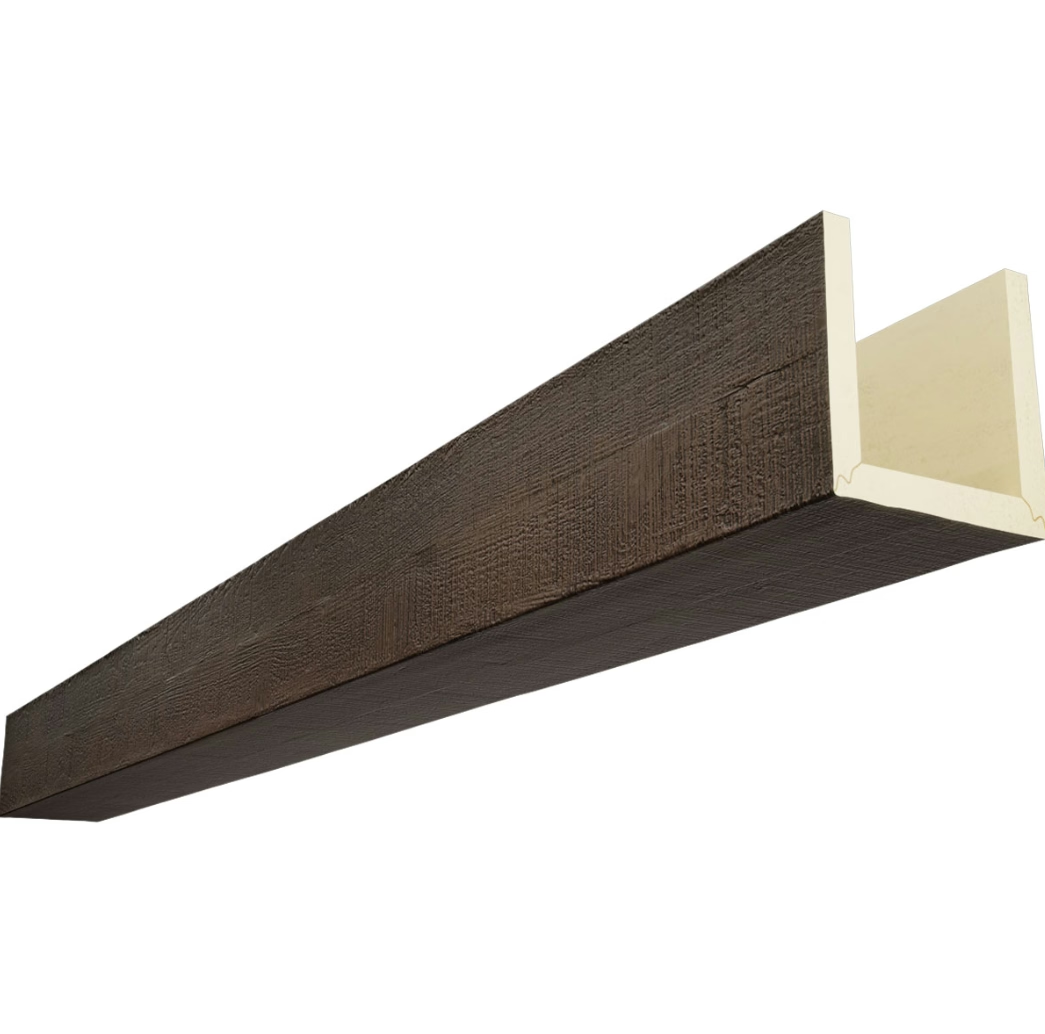
Building Long-Term Supplier Relationships
The most successful importers treat manufacturer relationships as strategic partnerships rather than transactional exchanges. Consistent ordering patterns, clear communication about project timelines, and prompt payment all contribute to preferential treatment when capacity becomes constrained or custom specifications arise.
Manufacturers often share new product developments with established customers first, offer early access to capacity during peak seasons, and provide more flexible terms during challenging circumstances. A supplier who knows your business can also flag potential issues before they become problems—a shipment running behind schedule or a formulation change that might affect your specific application.
Investing time in relationship development pays dividends that compound over years of business. The importer who negotiated pricing aggressively on every order but never built genuine rapport finds themselves treated accordingly when the market tightens. The partner who demonstrated loyalty through consistent volume and respectful communication typically receives priority allocation and pricing flexibility when they need it most.
Evaluating Total Value Beyond Price Tags
True competitive advantage in wholesale procurement comes from evaluating total value rather than simply chasing the lowest quoted price. A beam priced five dollars cheaper that arrives damaged, requires extensive touch-up work, or fails within two years represents false economy. Quality polyurethane beams properly installed should maintain their appearance for decades with minimal maintenance.
Consider the full cost picture including shipping efficiency, duty rates for different product categories, insurance costs, and the administrative burden of managing multiple suppliers. Consolidating volume with fewer manufacturers simplifies logistics and often unlocks service benefits that offset minor per-unit price differences. The goal is minimizing total acquisition cost while ensuring supply chain reliability and product quality that protects your professional reputation.
Sourcing competitive wholesale pricing on high-quality faux wood ceiling beams rewards those who invest time in understanding market dynamics, building strategic supplier relationships, and evaluating total value beyond surface-level pricing. The importers and contractors who master these fundamentals position themselves for sustainable profitability in a competitive marketplace.
Technical References
ASTM standards cited in every specification
Test Data
Lab results from internal testing program
Updated 2026
Reviewed against current product specs