If you've been researching ceiling treatments for a home renovation or design project, you've probably encountered polyurethane faux wood beams and wondered whether they're right for your situation. These versatile architectural elements appear in countless design magazines and television shows, often transforming ordinary rooms into rustic retreats or elegant spaces with remarkable ease. Understanding what these products are, how they work, and what to consider when purchasing helps first-time buyers make confident decisions that lead to satisfying results.
What Are Polyurethane Faux Wood Beams?
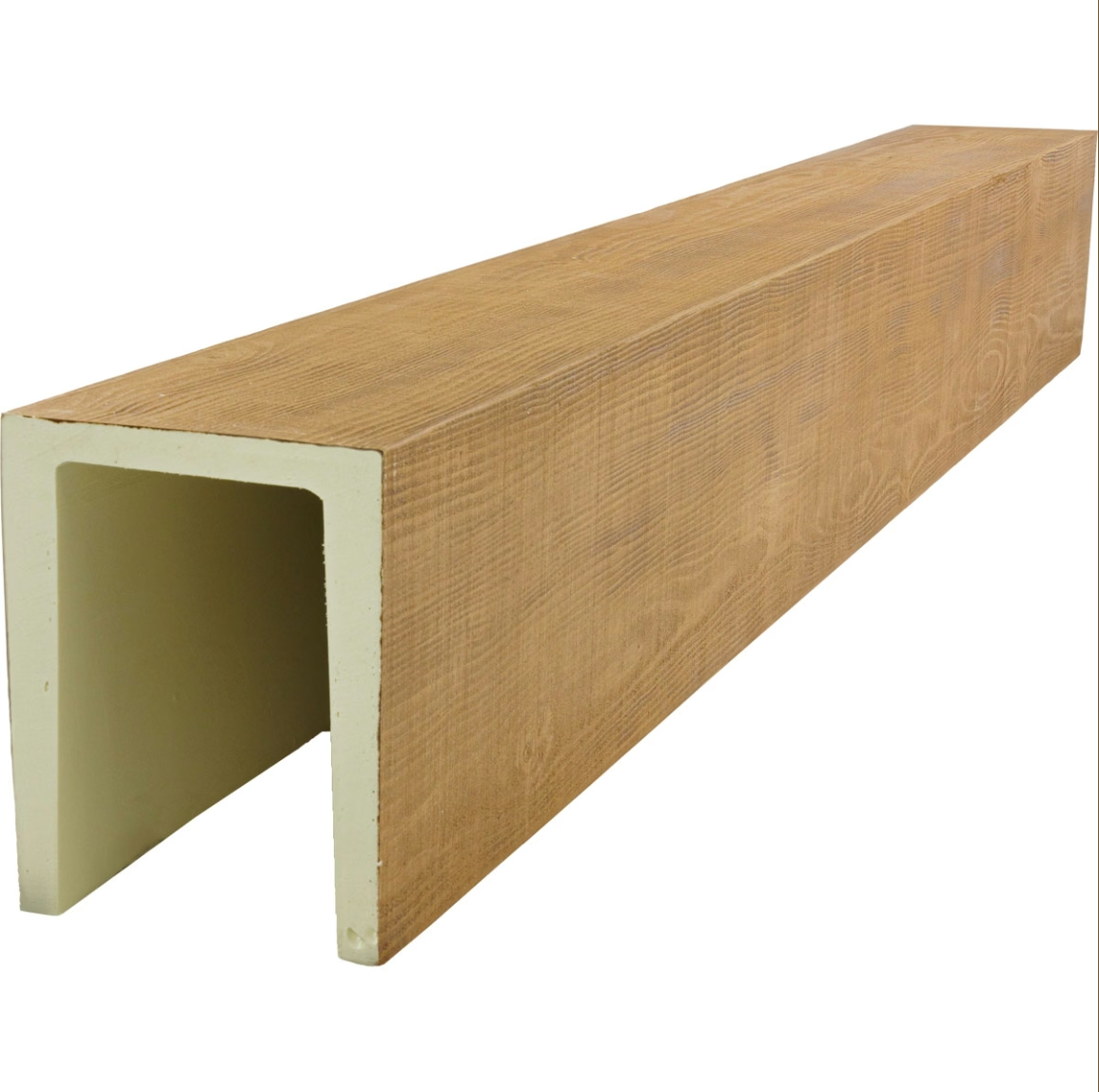
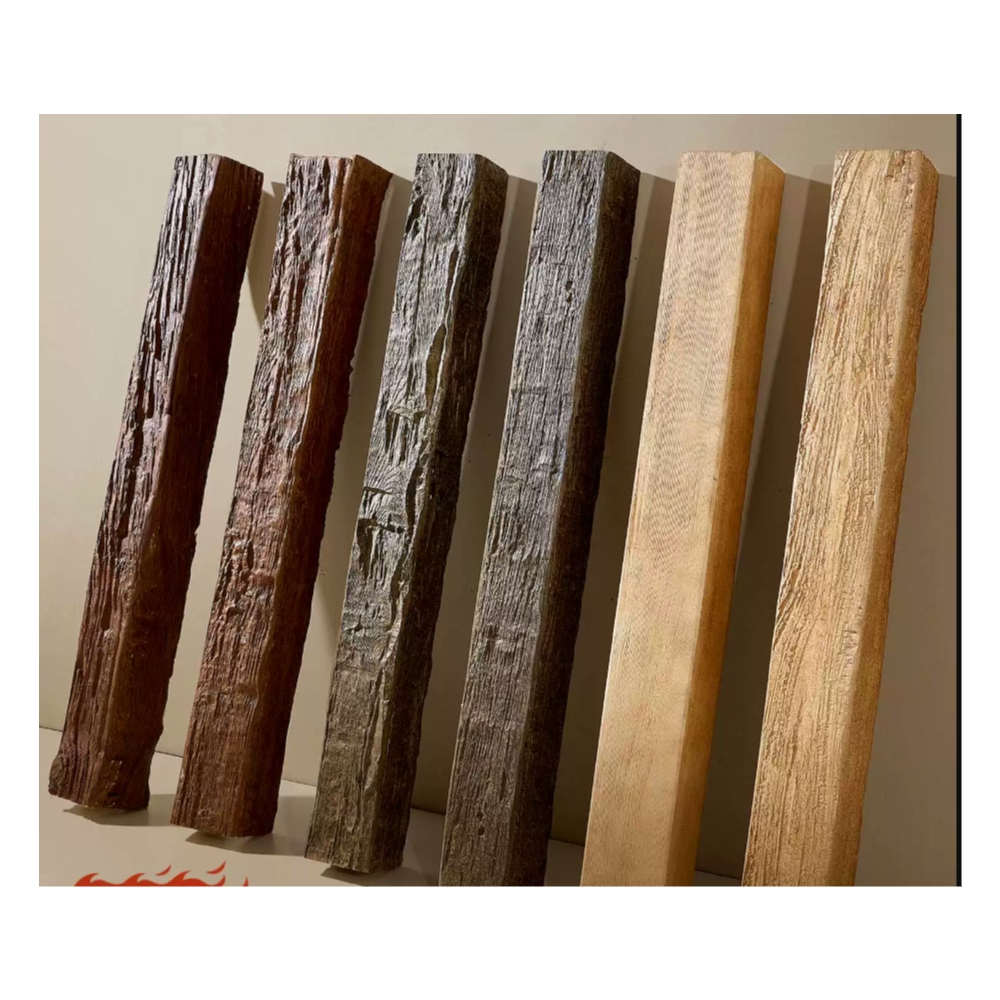
Polyurethane faux wood beams are decorative architectural elements designed to replicate the appearance of solid timber beams without the weight, cost, and installation challenges associated with genuine wood. They are manufactured from high-density polyurethane foam that is molded, carved, or extruded into beam profiles, then finished with textured surfaces and colors that convincingly mimic various wood species and weathering patterns.
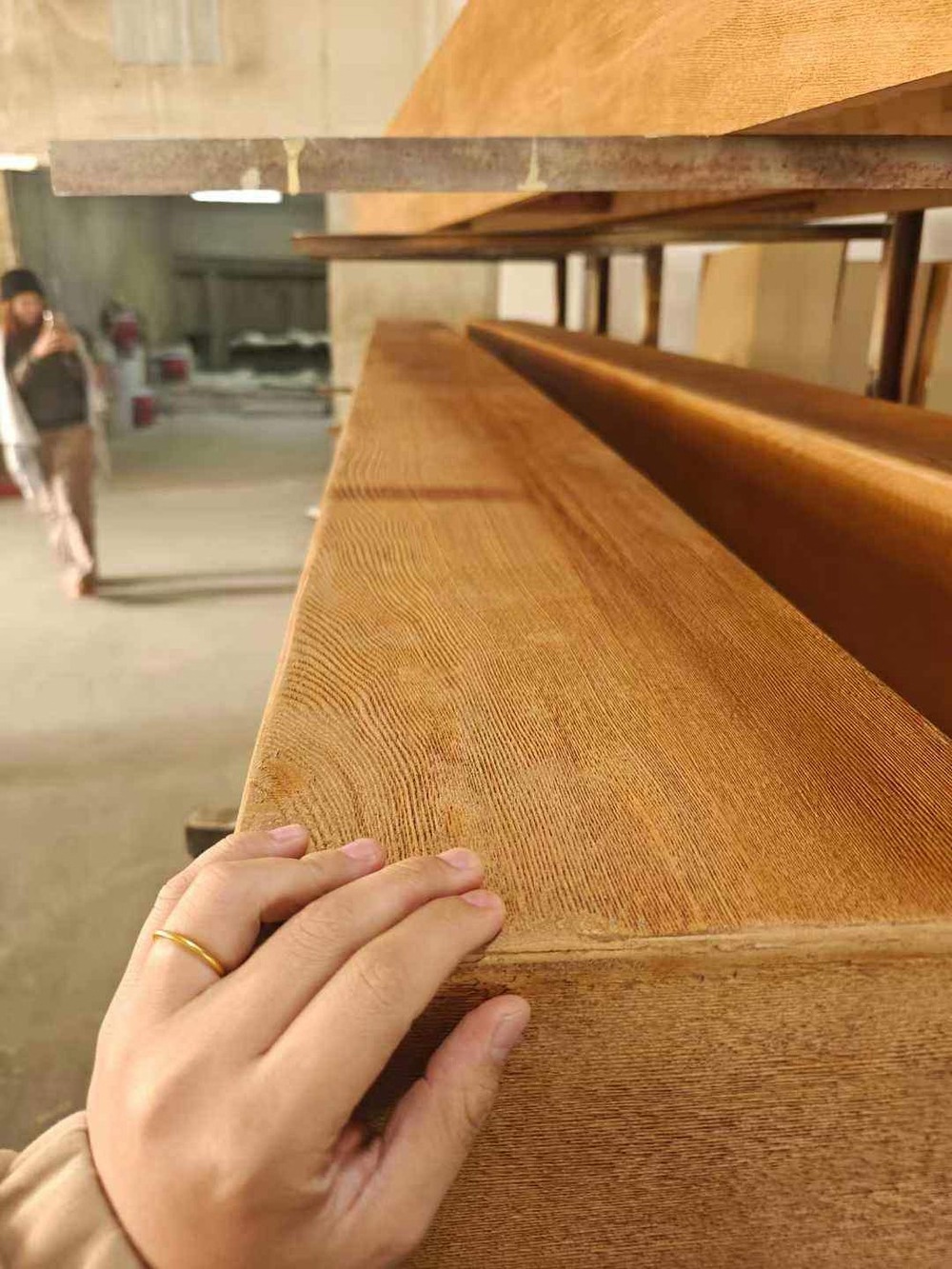
The material itself starts as liquid polyurethane compounds that cure into rigid foam with consistent cellular structure. This foam provides the structural core that holds shapes and accepts mounting hardware, while surface treatments create the visual wood grain, knots, and character marks that make faux beams appear authentic. The combination of structural foam and detailed surface finishing produces beams that look remarkably like real timber while weighing as little as one-tenth as much.
The weight difference transforms installation feasibility. A genuine eight-foot Douglas fir beam might require two people and potentially mechanical assistance to position and secure. The same-size polyurethane beam weighs so little that a single person can easily manage the installation, using standard carpentry tools and techniques. This accessibility enables DIY homeowners to achieve professional-looking results that would otherwise require hired contractors.
Why Choose Faux Over Real Wood?
Several compelling advantages make polyurethane beams the preferred choice for most applications. Understanding these benefits helps buyers articulate their decisions to others and feel confident in their selections.
Cost represents the most obvious advantage. Quality polyurethane beams typically cost sixty to eighty percent less than comparable genuine timber, depending on wood species and beam size. For a room that might require multiple beams, the savings can be substantial—potentially thousands of dollars that can be redirected to other project elements or simply preserved as value delivered at lower cost.
Durability and maintenance favor polyurethane in most environments. Real wood may crack, warp, or develop moisture problems over time, especially in basements, bathrooms, or climate-fluctuating regions. Polyurethane resists these issues naturally, requiring no sealing, staining, or periodic maintenance beyond occasional dusting. Most manufacturers warranty their products for fifteen to twenty-five years, providing confidence that the initial investment will remain attractive.
Installation flexibility distinguishes polyurethane beams for challenging applications. Curved ceilings, vaulted spaces, and irregular structures that would require extensive custom carpentry with real timber can often accommodate faux beams with relatively straightforward adaptations. The material cuts easily with standard saws and accepts screws without predrilling in most cases, simplifying work in awkward positions.
Environmental considerations increasingly influence purchasing decisions. Polyurethane beams eliminate harvesting impacts associated with timber production, though the polyurethane itself derives from petrochemical sources. Some manufacturers offer recycled content options, and the extended durability of quality products reduces replacement frequency. Buyers concerned about environmental impacts can research specific manufacturers' sustainability practices.
Understanding Beam Styles and Profiles
Beam profiles significantly affect both appearance and installation approach. First-time buyers benefit from understanding common options and their typical applications.
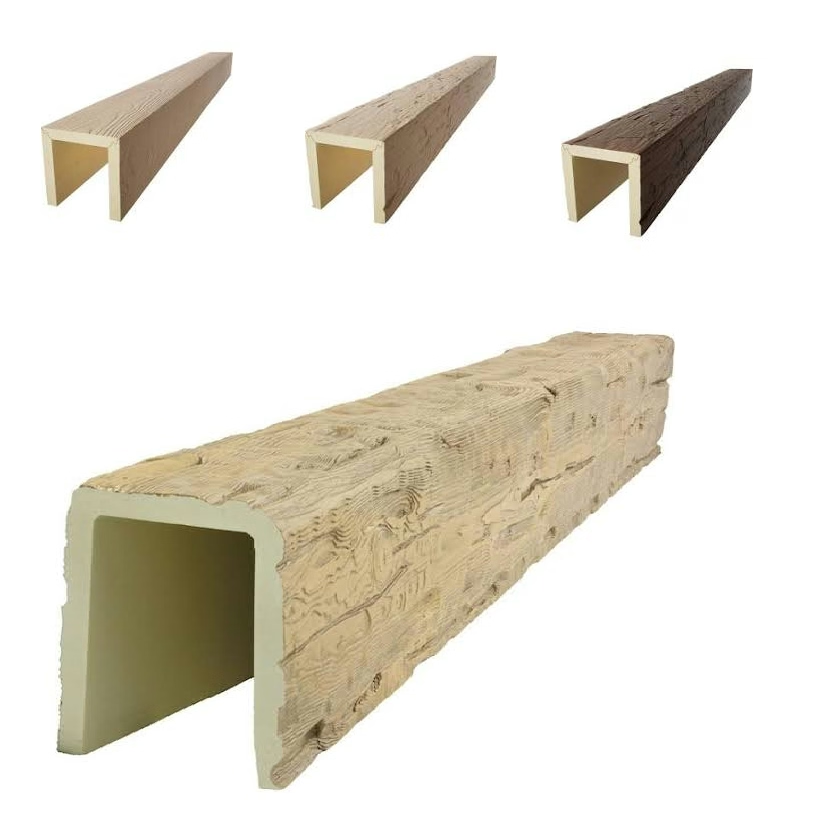
Traditional solid wood beam appearance typically features flat bottoms and sides with simple proportions. These beams work well in farmhouse, cottage, and rustic contemporary styles where clean lines support the overall design aesthetic. Installation is straightforward, and these profiles usually represent the most economical options.
Coffered beam designs incorporate decorative detailing along the visible surfaces, creating more formal or ornate appearances appropriate for traditional, Mediterranean, or sophisticated contemporary interiors. The additional detailing adds manufacturing cost but creates visual impact that justifies premium pricing in appropriate contexts.
Box beams enclose structural elements or create the appearance of massive beams from the visible faces while remaining hollow. These beams are lighter than solid-appearing alternatives of equivalent visual impact and can be installed over existing structural beams or headers to achieve dramatic results without the weight concerns of genuine solid beams.
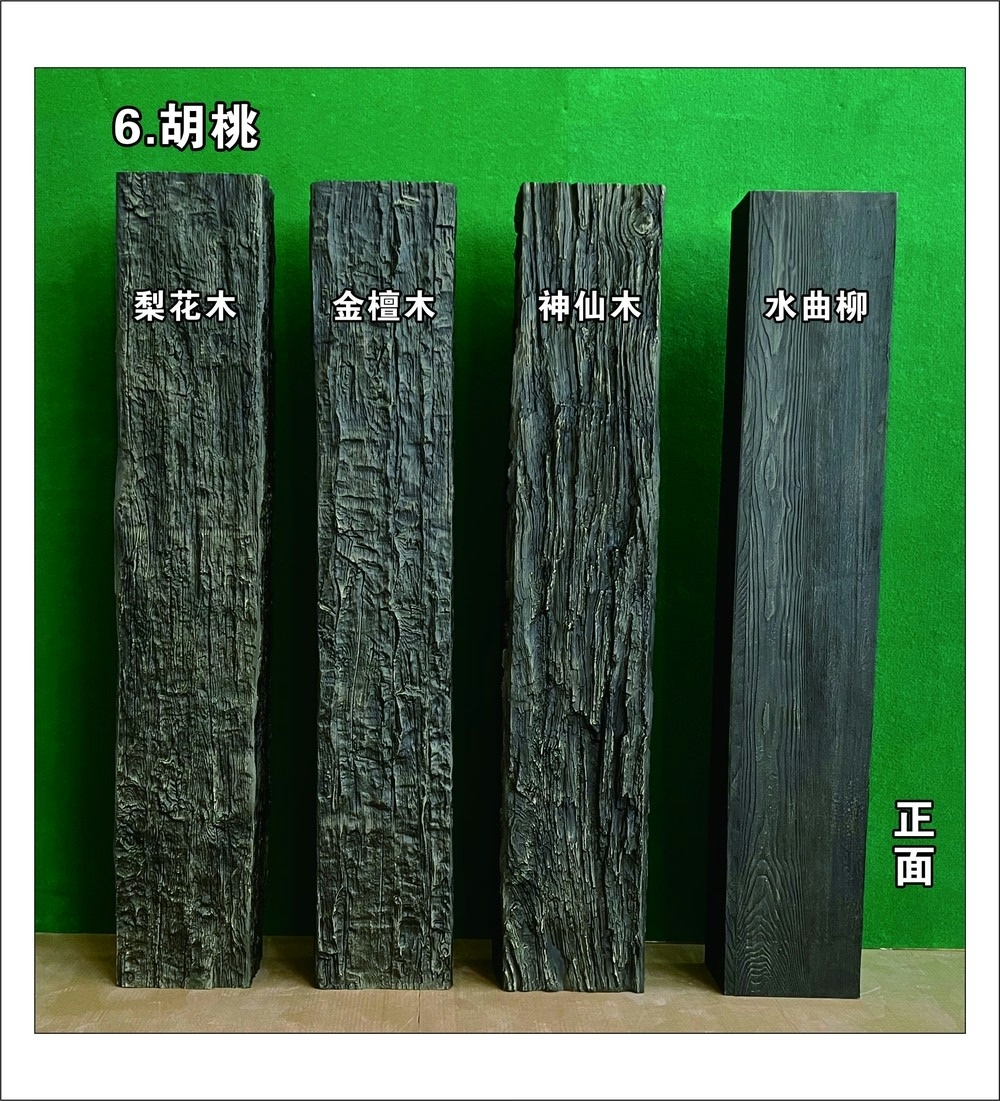
Timber accent beams feature irregular textures and weathering patterns that suggest reclaimed or rustic timber origins. These beams often incorporate visible grain patterns, subtle color variations, and distressed surfaces that read as authentic aged wood. The style works particularly well in mountain lodges, rustic Farmhouses, and spaces embracing natural material aesthetics.
Sizing and Proportion Guidelines
Selecting appropriate beam sizes affects how installations appear in completed spaces. Too small and beams seem inadequate; too large and they overwhelm the room. Understanding proportion principles helps buyers make choices that look intentional rather than arbitrary.
Ceiling height provides the primary reference for sizing. Higher ceilings can accommodate larger beams, while lower ceilings require more modest proportions. General guidance suggests beams sized at approximately one-twelfth of ceiling height maintain visual balance, though this guideline adjusts based on room size and overall design intent.
Room dimensions also influence appropriate sizing. Large open rooms benefit from substantial beams that read clearly from viewing distances across the space. Smaller rooms may be better served by smaller beams that don't compress the perceived space with excessive visual weight.
Spacing between beams affects the overall impression created by installations. Closer spacing creates more formal, structured appearances with continuous rhythm across the ceiling. Wider spacing reads as more casual and allows individual beams to read as significant elements rather than part of a repeating pattern.
Budget Planning for Your Project
Estimating project costs requires understanding the components that contribute to total spending beyond the beams themselves.
Beam costs depend on size, profile complexity, finish selection, and quantity. Standard profiles in popular finishes represent the most economical options. Custom sizes, unusual profiles, or specialty finishes increase per-unit costs. Volume pricing from wholesalers can reduce costs by twenty to forty percent for larger orders.
Hardware and mounting supplies typically add ten to twenty percent to material costs beyond beam pricing. Mounting cleats, screws, brackets, and adhesive all contribute. More complex installations with curved sections, multiple angles, or challenging structural conditions may require additional specialized hardware.
Labor represents the largest variable in project cost. DIY installation saves this expense but requires time and basic carpentry confidence. Professional installation costs vary by market and project complexity but typically range from fifty to one hundred fifty dollars per beam for straightforward ceiling mounting, with complex installations commanding higher rates.
Where to Purchase Quality Beams
Several purchasing channels offer polyurethane beams, each with distinct advantages and considerations for first-time buyers.
Manufacturer direct purchasing offers the best pricing for larger orders but typically requires substantial minimum quantities and longer lead times. Importers and distributors who maintain inventory offer more immediate availability and smaller-order flexibility, though at higher per-unit pricing that reflects their carrying costs and service convenience.
Local building material suppliers may stock popular beam styles for immediate pickup, enabling inspection of actual products before committing to larger purchases. This option proves valuable for first-time buyers who benefit from physical examination of products and immediate availability for small projects.
Online purchasing provides the broadest selection and often competitive pricing, though shipping costs for large items can be significant. Buyers should verify return policies and inspect products carefully upon delivery, as returns on large items involve logistical challenges and potential restocking charges.
Quality indicators worth checking include manufacturer warranties, third-party testing certifications, and customer reviews documenting long-term satisfaction. Products priced significantly below market averages may indicate inferior materials or manufacturing that will prove disappointing over time. Investing in quality beams initially prevents the frustration and expense of replacement that cheaper alternatives often require.
This beginner's guide provides the foundation for making informed decisions about polyurethane faux wood ceiling beams. Armed with this understanding, first-time buyers can approach suppliers confidently, ask appropriate questions, and select products that will enhance their spaces for years to come.
Technical References
ASTM standards cited in every specification
Test Data
Lab results from internal testing program
Updated 2026
Reviewed against current product specs