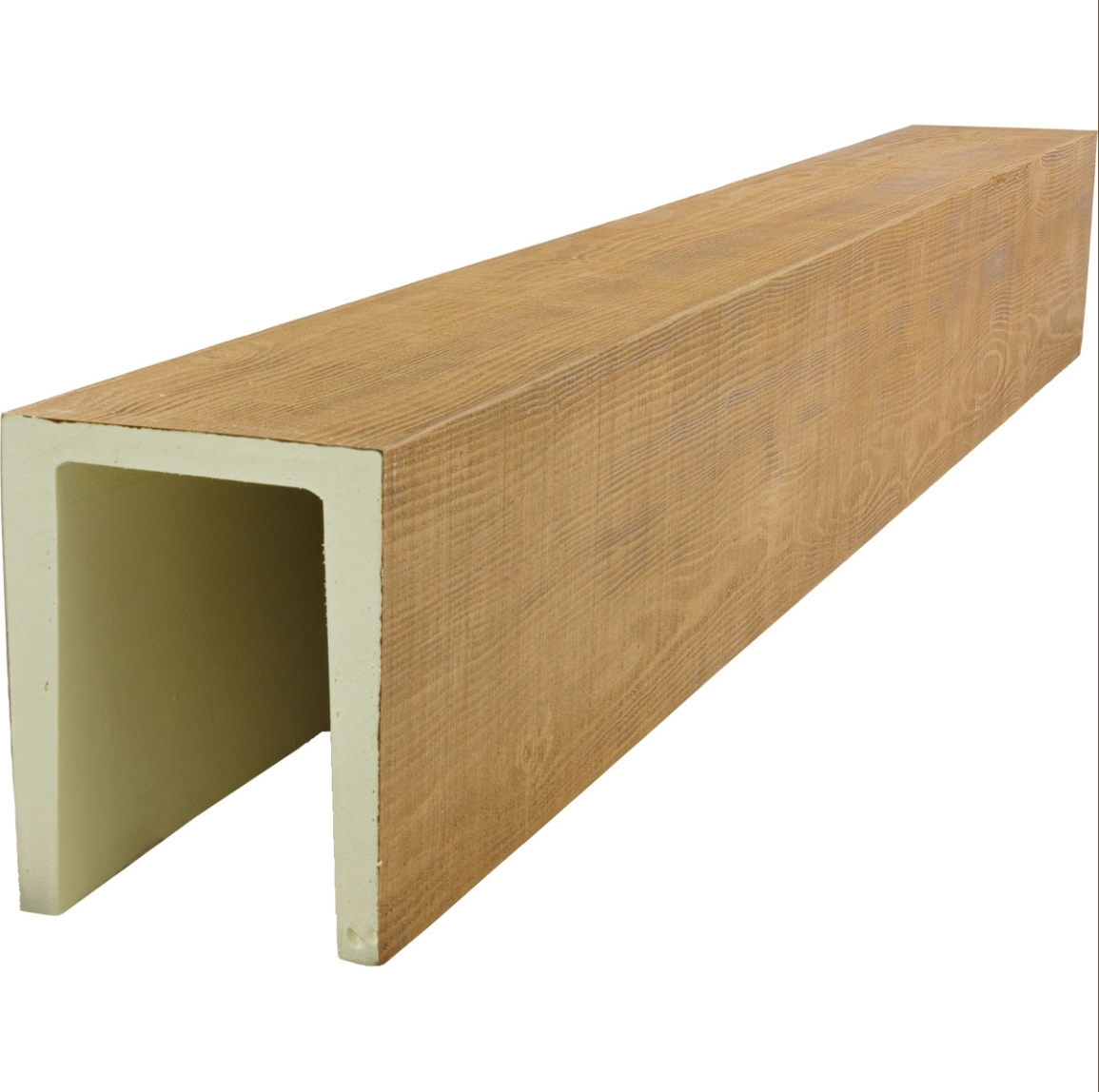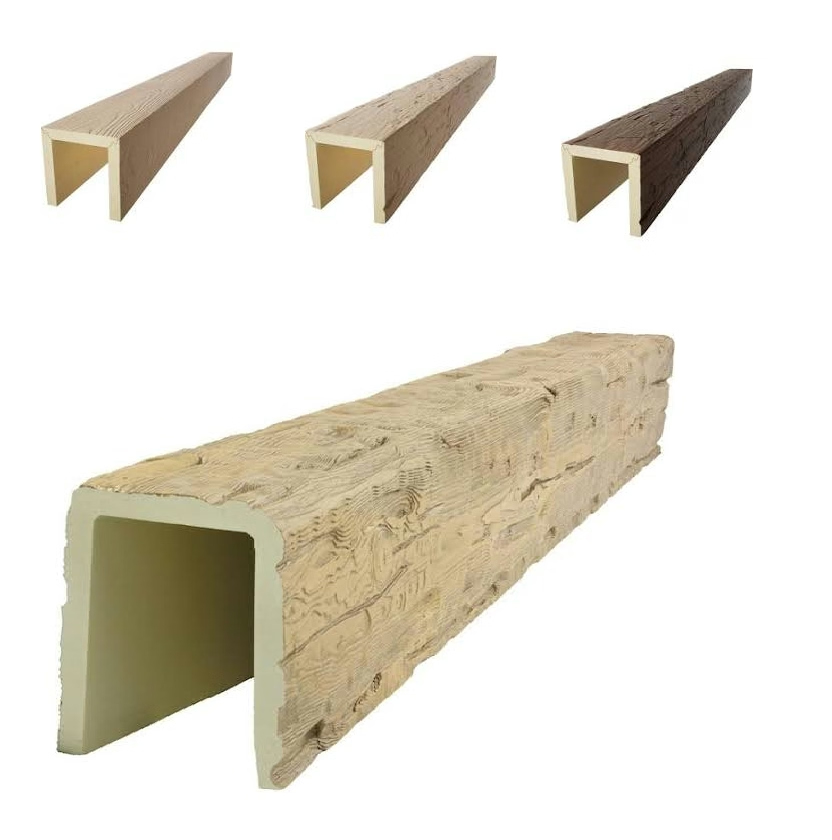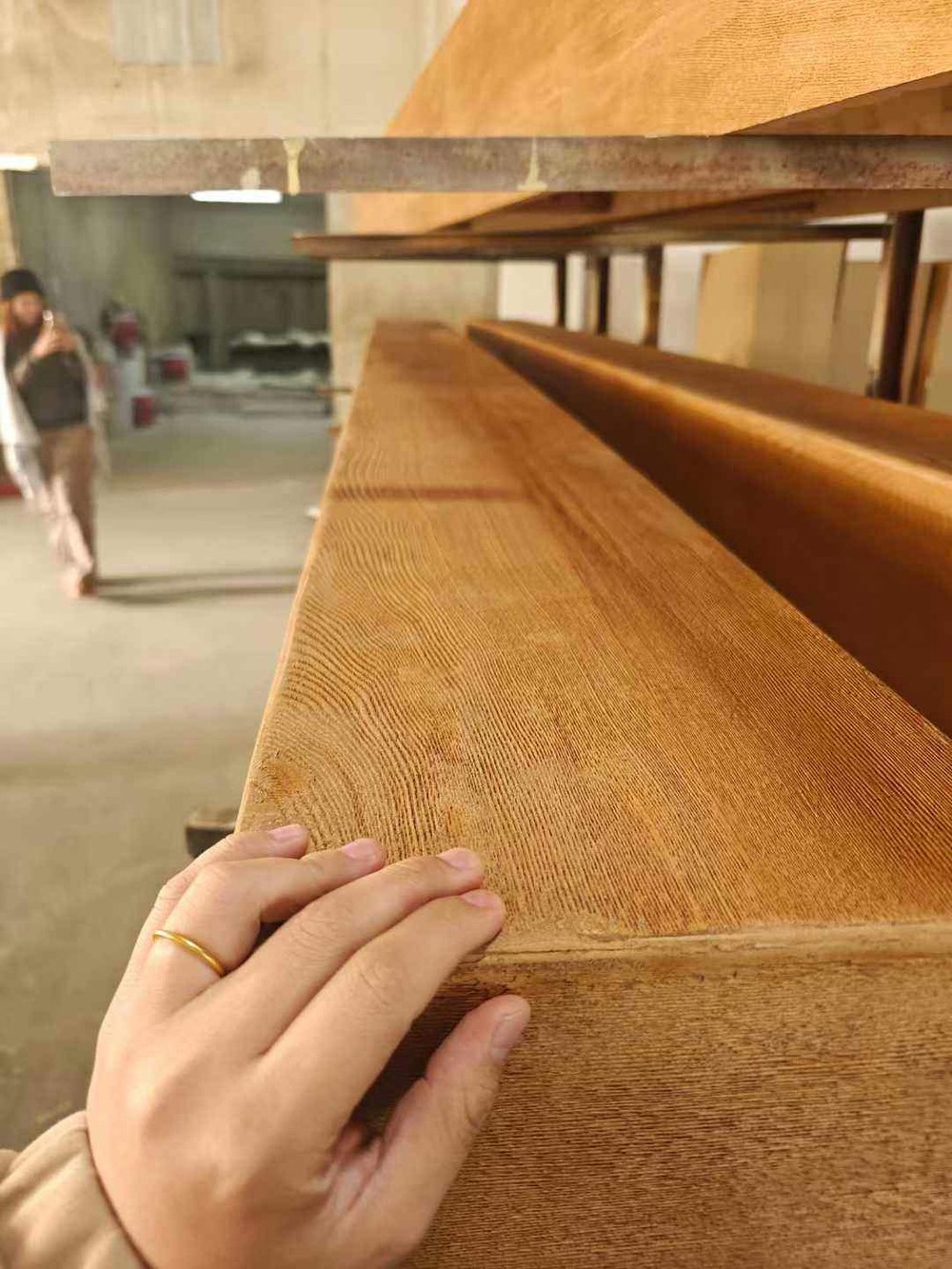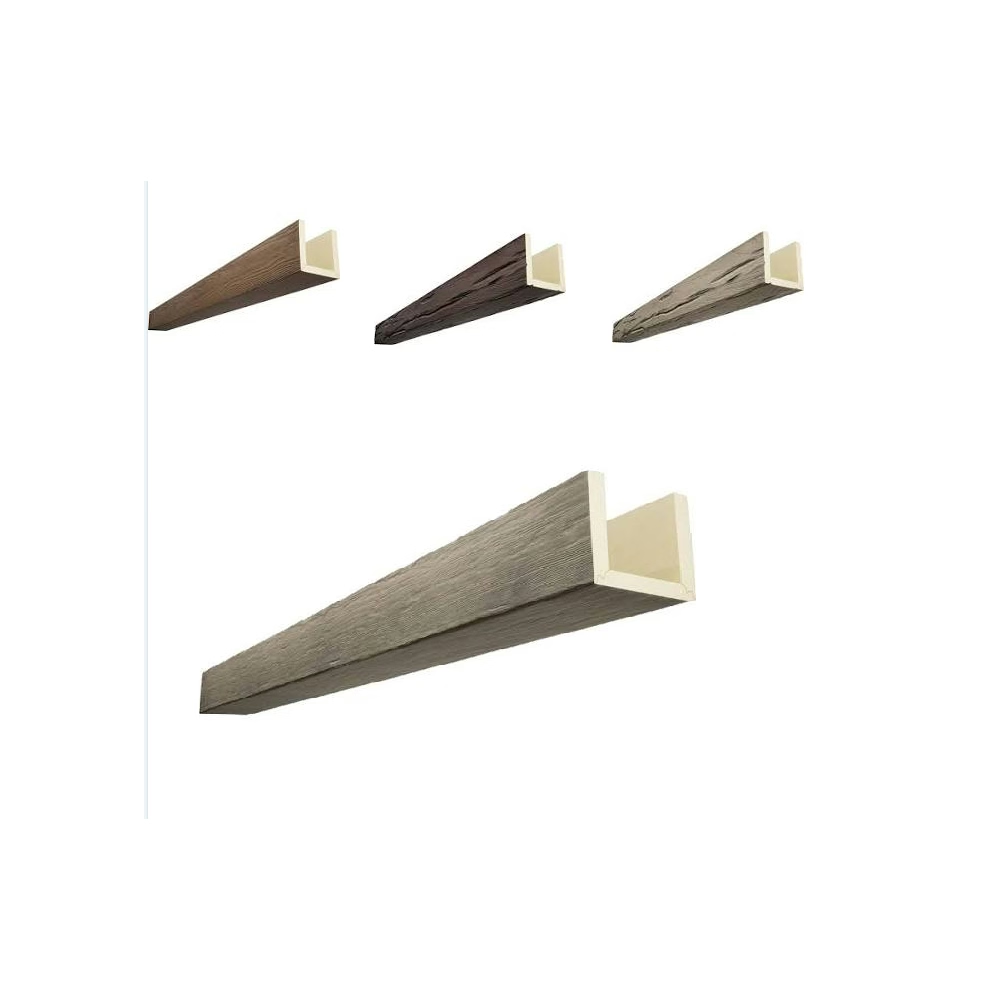
For importers, distributors, contractors, and end users of polyurethane faux wood beams, the Material Safety Data Sheet—now commonly referred to as the Safety Data Sheet or SDS—is a critical document that provides essential information about the product's chemical composition, potential hazards, safe handling procedures, and regulatory compliance status. While cured polyurethane beams are among the most inert and stable decorative products available, understanding the information contained in the MSDS ensures proper handling during manufacturing, shipping, storage, installation, and any potential end-of-life considerations.
Structure and Content of a Polyurethane Beam MSDS
The Material Safety Data Sheet follows a standardized format established by the Globally Harmonized System of Classification and Labelling of Chemicals, commonly known as GHS. This standardized format ensures that safety information is presented consistently regardless of the country or region where the document is used. Modern MSDS documents are organized into 16 sections, each addressing a specific category of safety information.
Section 1 contains product identification information, including the product name, manufacturer details, recommended uses, and contact information for emergency situations. For faux wood beams, this section typically identifies the product as a polyurethane architectural component and provides the manufacturer's name, address, and emergency phone number.
Section 2 identifies the hazards associated with the product. For finished, fully cured polyurethane beams, this section typically states that the product is not classified as hazardous under normal conditions of use. The cured material is solid, inert, and not expected to present significant health hazards through normal handling or use. However, certain processing activities—such as cutting, sanding, or otherwise modifying the beams—may generate dust that could pose respiratory hazards, which is typically noted in this section.
Section 3 provides the chemical composition of the product. Polyurethane faux beams are manufactured primarily from rigid polyurethane foam, which is itself produced by reacting polyols with diisocyanates in the presence of catalysts, blowing agents, and other additives. In the finished, cured beam, the chemical composition is dominated by the polyurethane polymer itself, with various additives such as flame retardants, pigments, and surface treatments included in smaller quantities.
Health and Physical Hazard Considerations
The hazard sections of an MSDS address both immediate health hazards and longer-term exposure considerations. For cured polyurethane faux beams, the immediate hazard profile is quite favorable, but understanding the complete hazard picture helps in making informed decisions about handling, installation, and any future processing.
In their finished, cured state, polyurethane faux beams are solid, non-volatile, and chemically stable. They do not off-gas significant quantities of chemicals under normal temperature conditions, and they do not pose ingestion hazards as long as the material is not burned or thermally decomposed. Skin contact with the finished surface is not considered hazardous, and the beams do not absorb water or other substances that could create secondary hazards.
The primary hazards associated with cured polyurethane beams arise during processing activities. Cutting, sawing, sanding, or drilling the beams generates fine dust particles that may contain small residual quantities of unreacted chemicals or decomposition products. Inhalation of this dust should be avoided through the use of appropriate respiratory protection such as dust masks or respirators. Mechanical processing of the beams should always be performed in well-ventilated areas, with dust collection systems used where practical.
Thermal decomposition is a more serious hazard that should be understood. Polyurethane materials, when exposed to high temperatures or open flames, decompose to produce potentially harmful combustion products including carbon monoxide, hydrogen cyanide, nitrogen oxides, and various organic compounds. These decomposition products are toxic and should not be inhaled. For this reason, polyurethane beams should not be installed near open flames, high-temperature heat sources, or in locations where they might be exposed to fire. Fire-retardant formulations of polyurethane beams are available for installations where this hazard must be specifically mitigated.
Handling, Storage, and Transportation Guidance
The handling and storage guidance in the MSDS reflects the practical realities of moving and storing polyurethane faux beams from manufacturing through to installation. Understanding these recommendations helps prevent damage to the product and ensures a safe working environment for everyone who handles the material.
During handling, the primary concern is physical damage to the beams. Polyurethane, while durable in its finished form, can be dented, chipped, or broken if subjected to sharp impacts or heavy loads. Beams should be lifted and carried using appropriate techniques that distribute the load, and they should be stored in their original packaging until installation. Dropping beams from significant heights or stacking them in unstable configurations can cause breakage that compromises the finished installation.
Storage conditions should protect the beams from environmental extremes. Prolonged exposure to direct sunlight can fade or degrade the surface finish, so beams should be stored in covered or shaded areas. Moisture is generally not a concern for polyurethane beams—unlike real wood, they do not absorb water—but storing them in dry conditions prevents any moisture-related packaging damage or mold growth on packaging materials.
Temperature extremes should also be avoided in storage. Very high temperatures can soften the polyurethane material, while very low temperatures can make it more brittle. Most manufacturers recommend storage temperatures between 10°C and 35°C (50°F to 95°F), though brief excursions outside this range are generally tolerated without damage. Storage areas should be well-ventilated as a matter of general practice, even though cured polyurethane beams do not release significant quantities of volatile chemicals.
Transportation of polyurethane beams requires secure packaging and appropriate handling procedures. Beams are typically shipped in cardboard tubes, custom crates, or palletized configurations that protect them from impact damage and environmental exposure during transit. The MSDS may note specific transportation classifications, though cured polyurethane beams are generally classified as non-hazardous materials for shipping purposes and do not require special handling placards or documentation.
Regulatory Compliance and Disclosure
The regulatory compliance section of the MSDS addresses the various national and international regulations that apply to polyurethane faux beams. These regulations vary by jurisdiction, and the MSDS typically provides a high-level overview rather than exhaustive detail on every applicable regulation.
In the United States, polyurethane products are subject to regulations administered by several agencies. The Environmental Protection Agency regulates certain chemical substances under the Toxic Substances Control Act, while the Occupational Safety and Health Administration sets workplace exposure limits for dust and chemical vapors. California Proposition 65 may require specific warnings about chemicals known to cause cancer or reproductive harm, and the MSDS notes any such requirements that apply to the product.
In the European Union, the REACH regulation requires manufacturers and importers to register certain chemical substances and to communicate safety information through the supply chain. The Construction Products Regulation may also apply to polyurethane beams used in building applications, requiring CE marking and declaration of performance characteristics.
Fire safety regulations are particularly relevant for polyurethane beams used in commercial and public buildings. Most jurisdictions have specific requirements for the fire performance of interior decorative elements, often measured by standards such as ASTM E84 in the United States or the Euroclass system in Europe. Fire-retardant polyurethane beams that meet these standards are widely available, and the MSDS notes the fire performance classification of the specific product.
For international importers, the MSDS provides a starting point for understanding the regulatory requirements in their destination market. Importers should consult with local regulatory experts or compliance consultants to ensure that all applicable requirements are met, as the MSDS itself may not address every local nuance or recent regulatory change.
The MSDS for polyurethane faux wood beams reflects the safety profile of a mature, widely used building material. For finished, properly installed beams, the material presents minimal hazards, and the information in the MSDS serves primarily as a reference for handling, storage, and processing scenarios. By understanding and following the guidance in the MSDS, importers, installers, and end users can ensure that polyurethane faux beams remain a safe and reliable choice for decorative architectural applications.
Technical References
ASTM standards cited in every specification
Test Data
Lab results from internal testing program
Updated 2026
Reviewed against current product specs