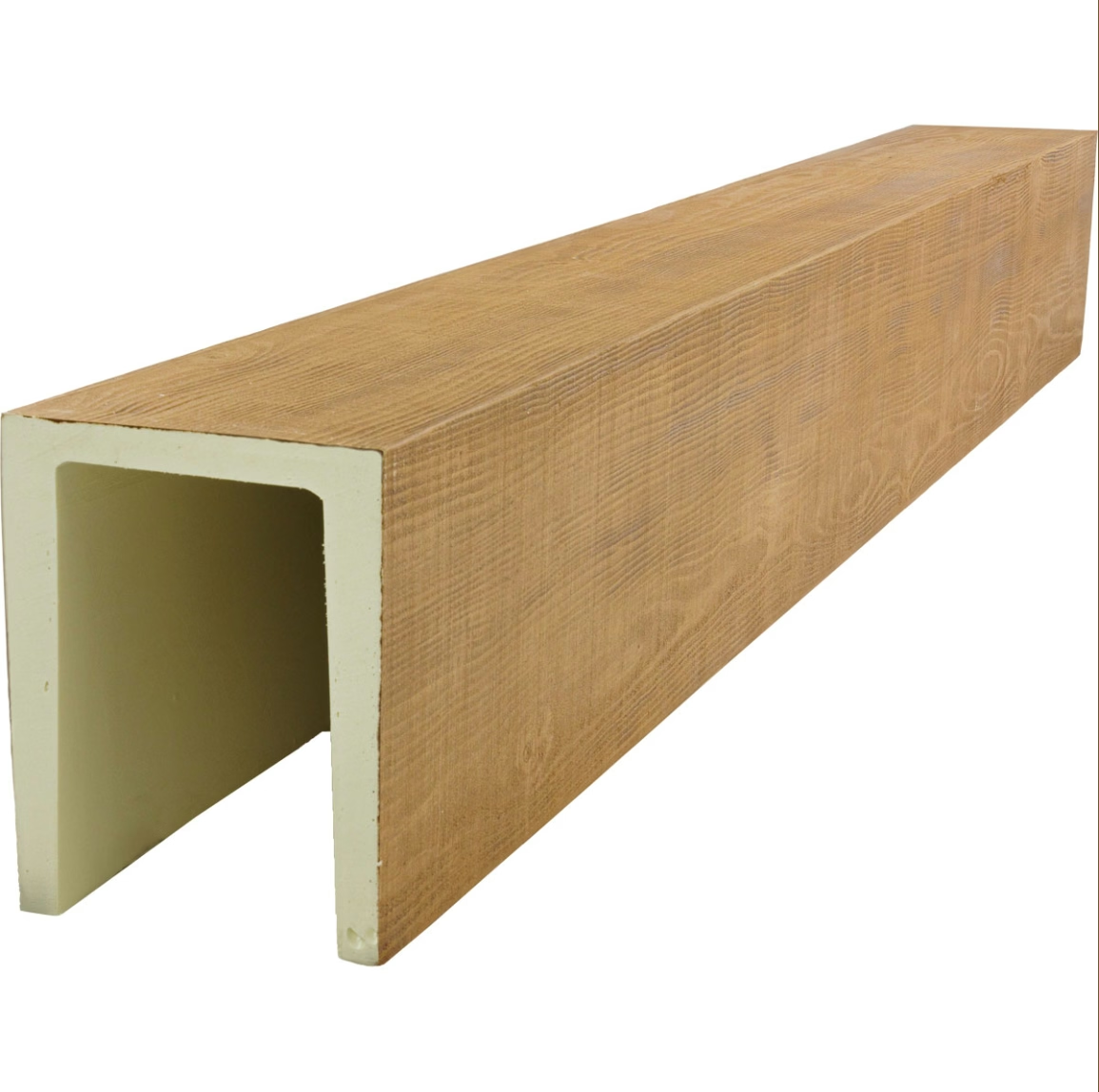
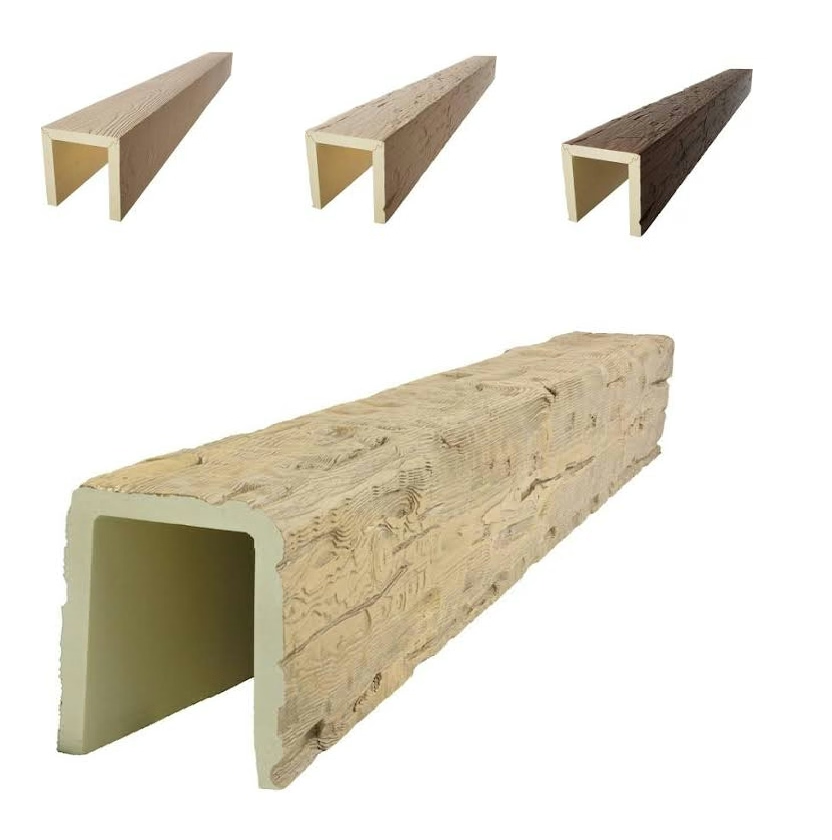
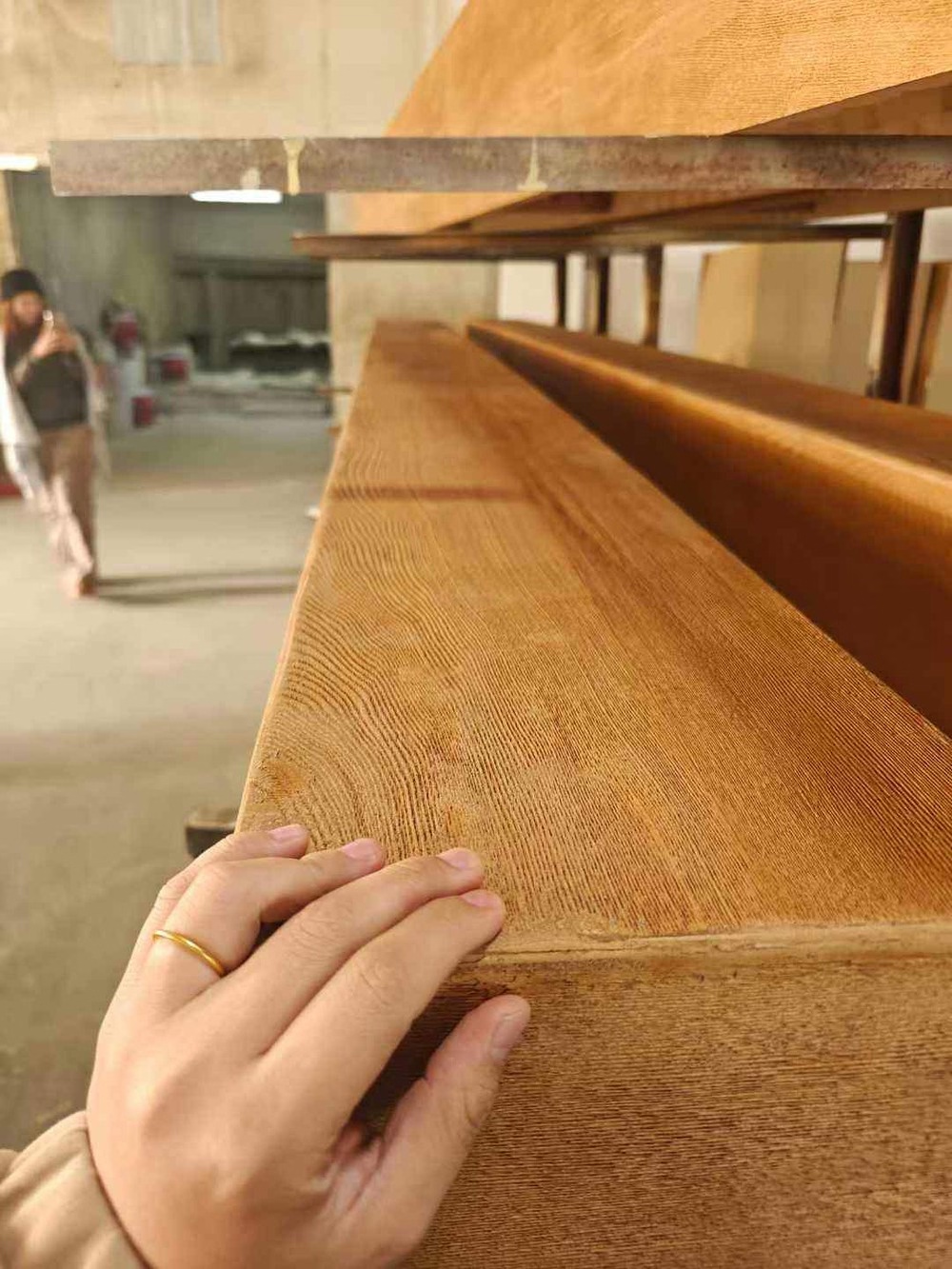
The difference between a convincing faux wood beam and a cheap imitation is in the grain. A shallow grain — 0.5 millimeters or less — reads as a texture at best. A deep grain — 2 to 3 millimeters or more — reads as real timber from across the room. Custom deep grain texture molded polyurethane faux wood beams are produced with grain relief that mirrors the depth and variation of genuine hardwood, because that depth is what makes the beam believable.
Why Grain Depth Matters
A piece of real timber has grain that varies across its surface. The earlywood — the lighter, softer portion of the annual ring — forms a raised band. The latewood — the darker, harder portion — forms a recessed band. The difference in height between earlywood and latewood is the grain depth. In real timber, this depth ranges from less than 1 millimeter in fine-grained woods like maple to more than 3 millimeters in coarse-grained woods like white oak.
A molded PU beam replicates this structure by capturing the grain in the mold surface. The mold is cast from a master pattern — either a piece of genuine timber or a CNC-carved reproduction — and every beam pulled from that mold has the same grain structure.
If the mold grain is shallow — say, 0.5 millimeters — the resulting beam has a surface that looks like wood from a distance but feels like plastic when touched. The shadow that makes the grain visible from across the room disappears when the viewer is close. The beam reads as fake.
If the mold grain is deep — 2 to 3 millimeters — the beam has a surface that looks like wood up close and from a distance. The grain catches light and shadow at every viewing angle. The tactile impression is similar to real timber. The beam reads as real.
How the Grain Is Molded
The grain in a PU beam mold is not painted on. It is physically present in the mold surface, with peaks and valleys that correspond to the earlywood and latewood bands in the timber pattern.
There are two approaches to creating the master pattern for the grain mold.
The first approach uses genuine timber. A piece of representative timber — quarter-sawn white oak, for example — is selected for its grain character. The timber surface is cleaned, stabilized, and coated with a release agent. Liquid rubber or silicone is then applied over the timber surface, capturing every detail of the grain. The rubber mold is then used to cast the PU beam mold.
The second approach uses CNC carving. A CAD file representing the desired grain pattern is loaded into a CNC router, which carves the pattern into a block of tooling board or aluminum. The carved pattern is based on photographs and measurements of real timber, with the grain direction, the ring spacing, and the anomaly density all controlled by the CAD model.
Both approaches produce a mold that captures the grain structure. The CNC approach is more controllable — the grain density, the anomaly placement, and the ring spacing can all be specified — but the rubber-mold-from-timber approach produces a grain that is, by definition, identical to real timber.
Grain for Different Species
Different wood species have different grain characteristics, and the mold is selected or created to match the species specified.
White oak. A coarse-grained species with prominent rays and a pronounced medullary figure in quarter-sawn cuts. The grain depth is typically 2 to 3 millimeters. The mold captures the wide earlywood bands, the tight latewood bands, and the occasional knot or burl.
Black walnut. A medium-grained species with a straight to interlocked grain pattern. The grain depth is typically 1.5 to 2.5 millimeters. The mold captures the subtle figure that gives walnut its characteristic warmth.
Reclaimed chestnut. A medium to coarse-grained species with a distinctive coarse texture and occasional insect marks or checking from its previous life. The grain depth is typically 2 to 3 millimeters. The mold may include the natural checks and holes that characterize reclaimed timber.
Douglas fir. A pronounced grain with prominent earlywood and latewood bands. The grain depth is typically 2 to 3 millimeters. The mold captures the dramatic contrast between the light earlywood and the darker latewood.
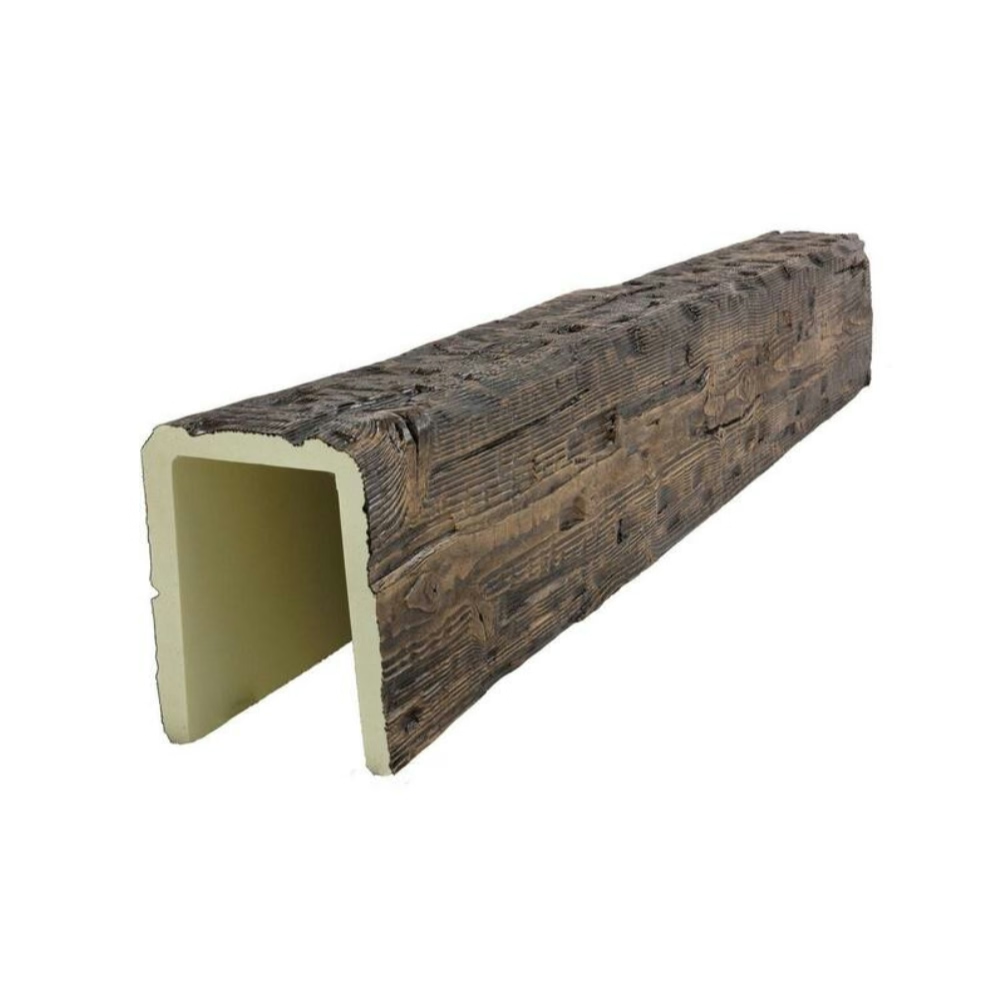
Aged barnwood. A heavily weathered surface with checking, nail holes, and surface erosion. The grain depth is extreme — 3 millimeters or more — because the surface has been exposed to decades of weathering. The mold captures the checking pattern, the surface erosion, and the patina of age.
Finish Interaction With Deep Grain
The deep grain in a molded PU beam interacts with the finish in a way that shallow grain does not. The stain pools in the latewood recesses and stays lighter on the earlywood peaks. The result is a natural tonal variation that reads as genuine wood.
A finisher applying stain to a deep-grain beam starts with a base coat that is slightly darker than the desired final tone. The base coat is applied by spray and allowed to cure. A glaze is then applied and worked into the grain recesses with a brush or a rag, darkening the recesses and adding depth to the overall finish.
The final clear coat seals the stain and glaze in place. On a deep-grain beam, the clear coat follows the contours of the grain, creating a surface that is not flat — it has the same subtle undulations as real timber.
For a beam that is viewed from above — for example, a ceiling beam — the lighting angle affects how the grain reads. A beam with a deep grain and a light-colored stain will appear lighter when the light source is directly above, because the earlywood peaks catch the light. The same beam will appear darker when the light source is at an angle, because the recesses are in shadow.
This interaction between grain, stain, and lighting is what makes a deep-grain beam convincing. A shallow-grain beam lacks this variation, and it looks flat and artificial under any lighting condition.
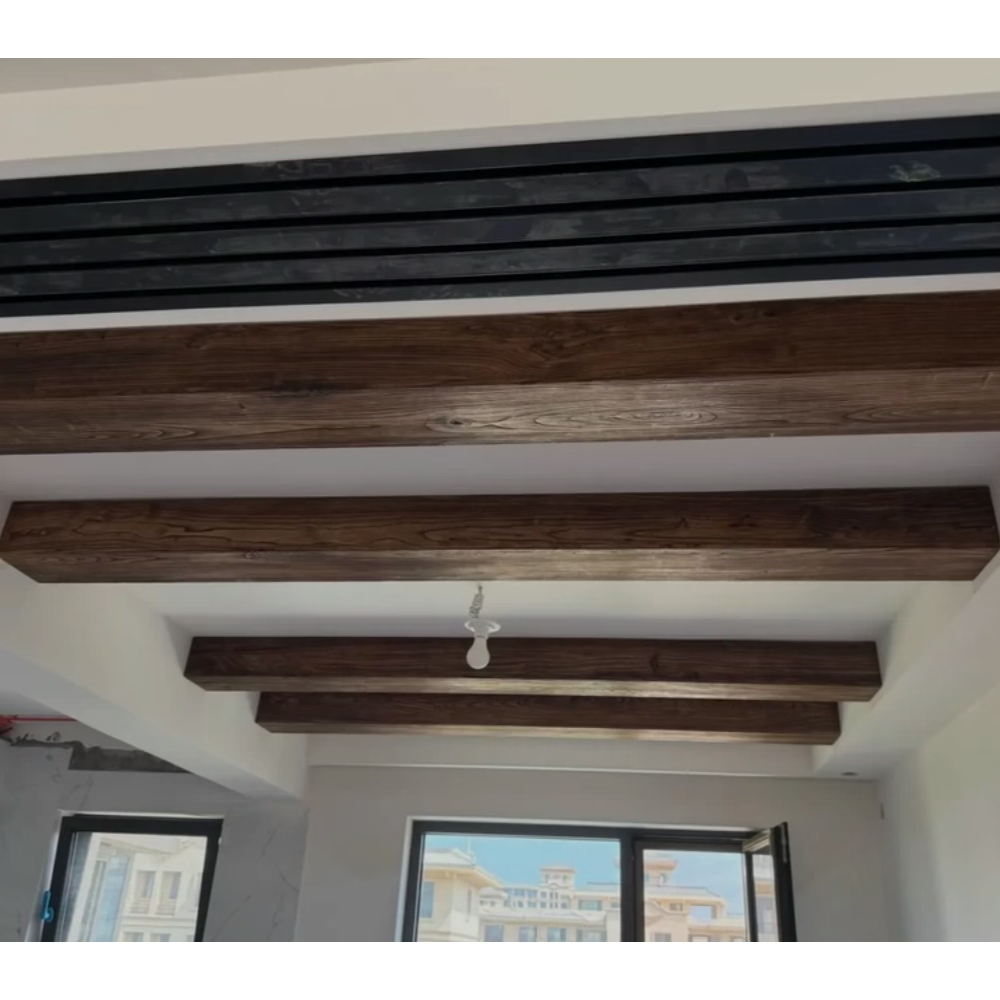
Comparing Grain Depth Specifications
Grain depth is specified in millimeters of relief between the highest peak and the lowest recess. The following ranges are typical for different finish levels.
Standard grain: 0.5 to 1.0 millimeters. This is the minimum that reads as wood at a distance. Up close, the grain looks shallow. This depth is acceptable for low-budget projects or for beams that will be viewed primarily from a distance.
Medium grain: 1.0 to 1.5 millimeters. This depth reads as wood at a normal viewing distance. It is the most common specification for standard residential beams. The grain is visible and believable, but the tactile impression is still plastic-like when touched.
Deep grain: 1.5 to 2.5 millimeters. This depth reads as genuine timber from any distance and feels like timber when touched. It is the standard for high-end residential and commercial installations. The additional material cost for deep grain is justified by the visual result.
Extra-deep grain: 2.5 to 3.5 millimeters. This depth is used for coarse-grained species, reclaimed wood finishes, and applications where the beam is a primary focal point. The grain is dramatic and textural. The mold cost is higher because the carving is more complex.
Matching Grain to the Design Intent
The grain depth should match the overall design intent of the project. A formal library with traditional millwork calls for a medium to deep grain that reads as aged timber without being coarse. A rustic mountain lodge calls for an extra-deep grain that reads as hand-hewn reclaimed timber. A contemporary interior may call for a shallower grain that reads as clean, modern wood without the heaviness of traditional grain.
The grain species should also match the project. A room with white oak floors and walnut casework should have beams that match one of those species, or a complementary species that ties the palette together. A room with a mixed wood palette can accommodate beams in a different species, as long as the finish tone is coordinated.
The factory's sample process is the moment to confirm that the grain depth, the grain species, and the finish all work together. A sample beam — typically 300 to 500 millimeters long — is produced and finished to match the project specification. The sample is reviewed by the design team and approved before the production run begins.
Long-Term Appearance
A deep-grain beam maintains its appearance longer than a shallow-grain beam because the surface variation is structural, not just visual. The grain depth is part of the mold surface, which is part of the beam. It does not wear off.
The finish on a deep-grain beam also ages differently than the finish on a shallow-grain beam. Because the stain and glaze are applied in the grain recesses as well as on the surface, the finish has more mechanical grip and is less likely to delaminate. The natural variation in the finish — darker in the recesses, lighter on the peaks — tends to deepen over time as the finish ages, giving the beam a more authentic aged appearance.
For projects where the long-term appearance matters — a luxury residence, a hospitality space that will be re-imaged every decade, a commercial building where the millwork is a capital investment — the deep grain is the right specification.
Technical References
ASTM standards cited in every specification
Test Data
Lab results from internal testing program
Updated 2026
Reviewed against current product specs