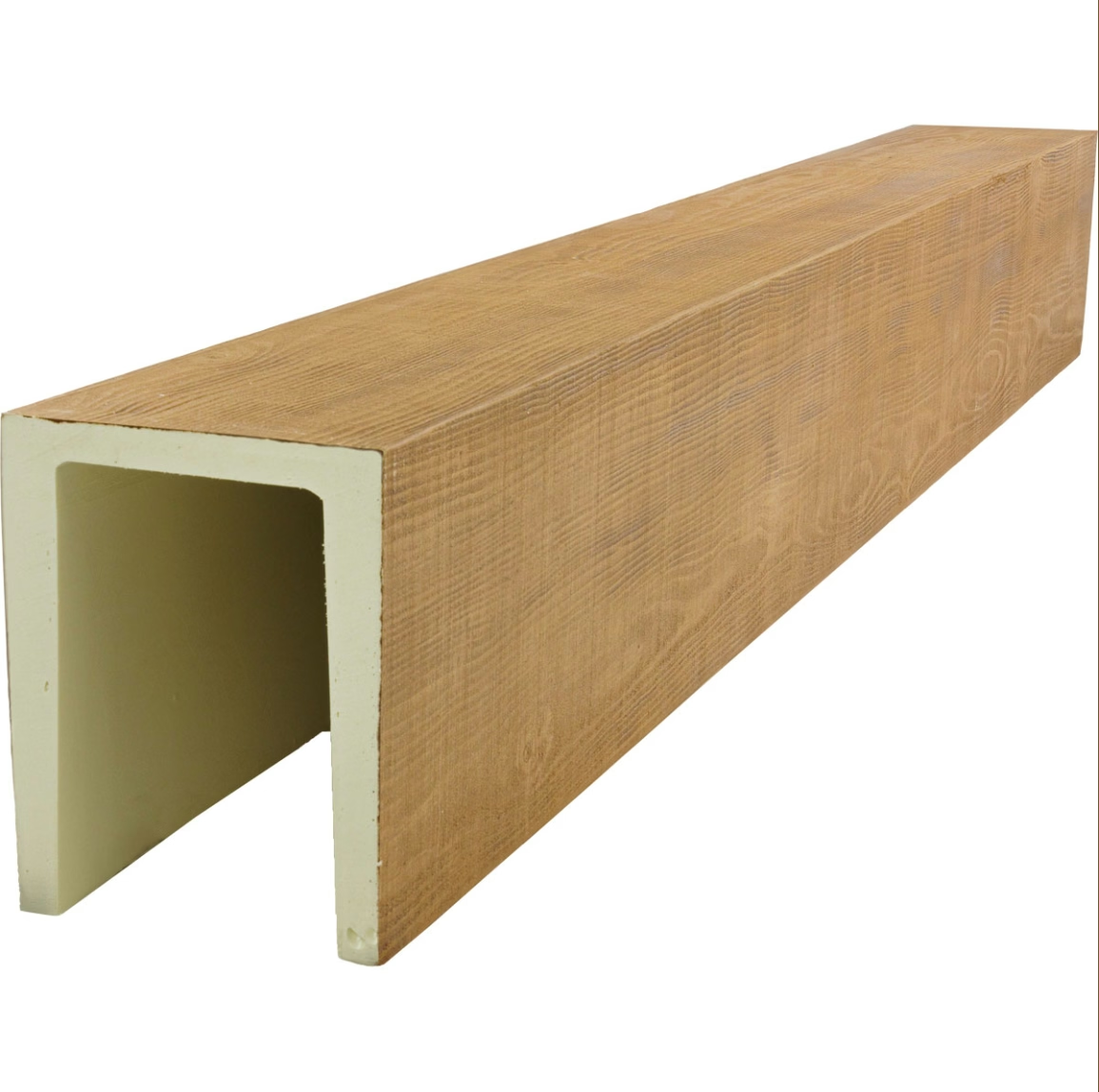
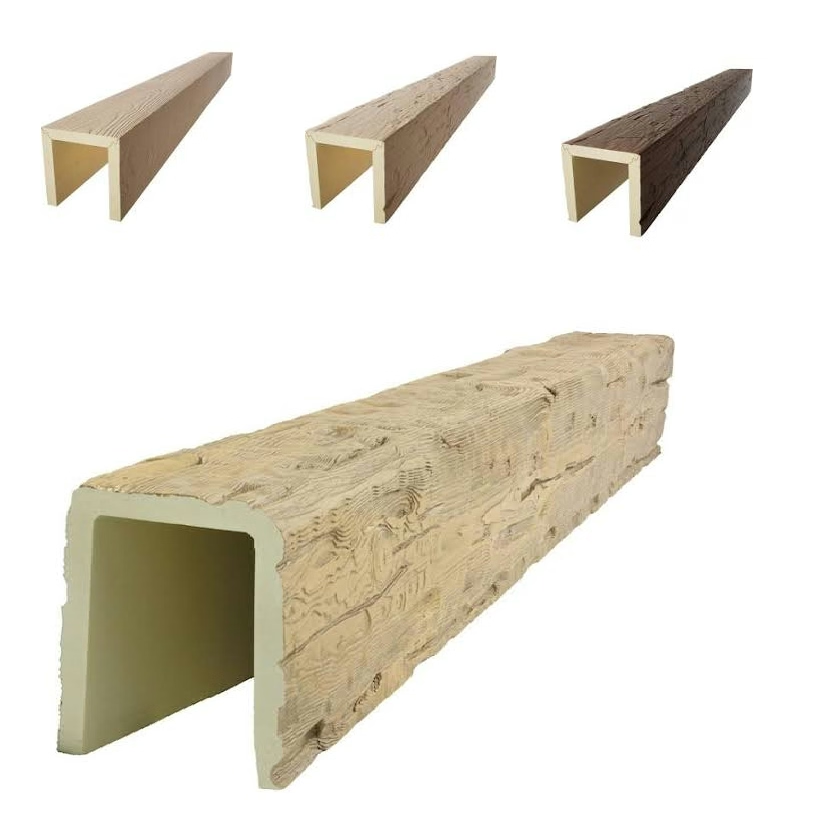
Standard beam profiles serve countless projects adequately, yet genuinely distinctive architecture often demands elements that no catalog contains. Bespoke manufacturing addresses this need directly, translating unique design visions into physical reality through collaborative development processes. For architects, designers, and project stakeholders whose work requires truly custom solutions, understanding bespoke manufacturing capabilities reveals possibilities that standard product lines cannot accommodate.
The bespoke journey begins with design collaboration that explores creative possibilities within manufacturing constraints. Professional manufacturers employ design and engineering teams who understand both aesthetic intent and production realities. These conversations map artistic concepts onto achievable forms, identifying where design ambition can be realized faithfully and where compromises might improve producibility without sacrificing essential character. This collaboration transforms rough ideas into manufacturable designs that honor original vision while acknowledging physical and economic realities.

Concept development utilizes digital modeling tools that visualize proposed designs before committing to tooling investment. Three-dimensional models reveal proportions, details, and how light interacts with surfaces—information that two-dimensional drawings cannot convey adequately. Clients review these models,提出修改意见, and explore alternatives that digital tools enable rapidly and inexpensively. This iterative exploration produces refined designs that everyone understands and approves before manufacturing commitments.
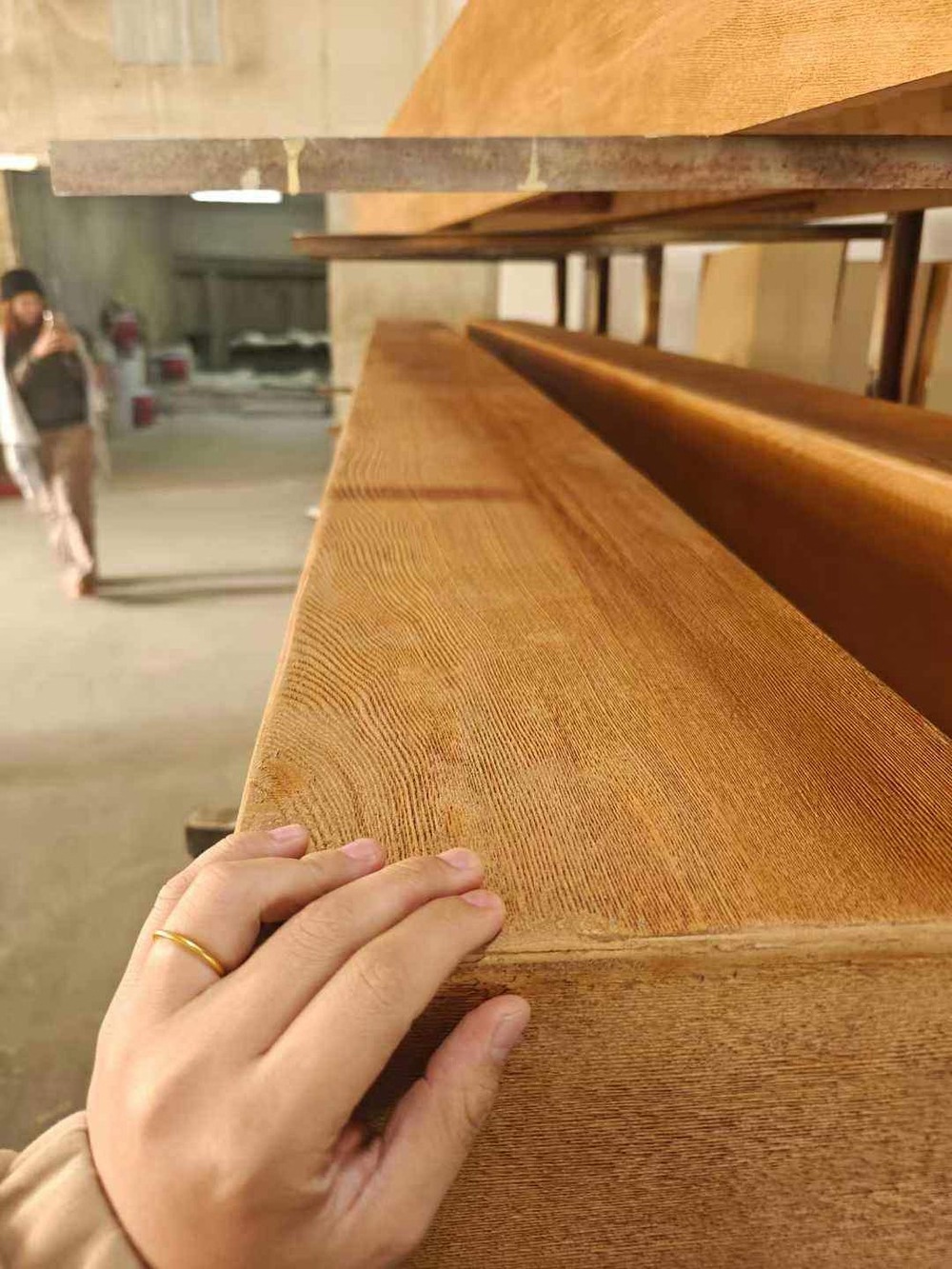
Prototyping bridges the gap between digital models and production reality, revealing aspects that renderings cannot capture. Physical prototypes allow assessment of actual proportions, how details appear in three dimensions, and how manufactured surfaces replicate intended textures. Professional manufacturers produce prototypes using expedited processes that differ from production but convey accurate impressions of final products. These prototypes travel to client locations for evaluation in actual installation contexts rather than controlled showroom environments.
Tooling development for bespoke products requires significant investment and commitment. Unlike standard profiles produced using established tooling, custom beams require new molds machined to exact specifications. Tooling costs reflect the precision machining, quality materials, and craftsmanship that production-grade molds demand. Professional manufacturers provide detailed tooling quotations that clarify costs, lead times, and minimum order quantities that make economic sense. Clients evaluate these quotations alongside the unique value that custom products deliver.
Material selection for bespoke applications extends beyond standard formulations when project requirements demand specialized properties. Bespoke manufacturers work with clients to identify performance characteristics that standard products cannot provide: enhanced fire resistance for code compliance, UV stabilization for exterior applications, improved impact resistance for high-traffic areas, or flexible formulations for curved installations. These specialized requirements influence formulation development and may affect pricing based on raw material costs and processing complexity.
Finish development for bespoke products follows the same collaborative process as profile design. Custom beams may require finishes that complement unique architectural contexts—colors matched to existing millwork, textures that coordinate with surrounding materials, or surface treatments that achieve specific aesthetic effects. Professional manufacturers maintain extensive finish libraries but also develop custom formulations when project requirements exceed standard offerings. This finish flexibility ensures that completed beams achieve design intent in their entirety rather than accepting compromises that diminish overall impact.
Production planning for bespoke orders addresses the realities of small-batch manufacturing. Unlike standard products produced continuously in large quantities, bespoke beams may represent one-time production runs. Professional manufacturers organize production efficiently for these circumstances, scheduling bespoke work alongside standard production to minimize setup costs while maintaining quality standards. This scheduling requires flexibility from both manufacturers and clients, with realistic timelines that accommodate production alongside ongoing standard orders.
Quality assurance for bespoke products follows documented processes despite small production volumes. Every custom beam undergoes inspection against approved prototypes and specification documentation, ensuring that produced items match what clients approved during development. Professional manufacturers photograph and record production details, creating documentation that supports future orders if clients wish to replicate successful bespoke designs. This record-keeping transforms one-time projects into potential product line additions.
Intellectual property considerations arise naturally in bespoke manufacturing relationships. Clients provide designs representing creative investment that deserves protection. Professional manufacturers operate under confidentiality agreements that prevent design sharing or competitive production. This protection enables open collaboration where clients share creative visions without concern that manufacturers will reproduce those designs for competitors or incorporate them into standard product offerings without permission and compensation.
Long-term relationship potential makes bespoke manufacturing valuable beyond individual projects. Success with custom work often leads to ongoing collaboration as clients develop additional custom requirements or adapt successful designs for new applications. Professional manufacturers value these relationships, investing in understanding client preferences and project approaches that inform future collaborations. This continuity benefits both parties, with manufacturers gaining insight that improves service and clients receiving increasingly refined understanding of their specific requirements.
Technical References
ASTM standards cited in every specification
Test Data
Lab results from internal testing program
Updated 2026
Reviewed against current product specs