
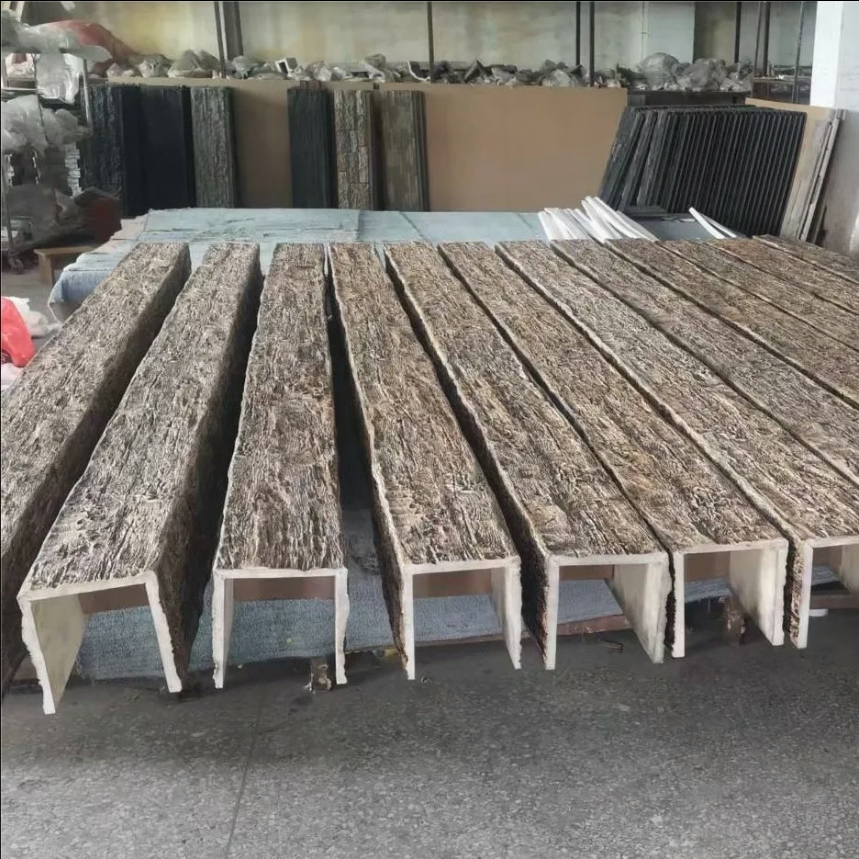
No matter how carefully beams are handled, some damage happens on site. A screw slips during installation and scratches the face. A moving crew bumps a beam against a wall and chips the corner. A trade contractor uses the beam as a ladder rung and leaves an indentation. Custom touch-up paint solutions for polyurethane faux beam surface repairs address these inevitable moments with materials that match the factory finish and restore the beam to its original appearance.
What Touch-Up Paint Solutions Include
Our standard touch-up kit for polyurethane beams includes color-matched stain (a small container of the exact stain color, in a user-friendly gel or wipe-on consistency), clear topcoat (a small container of the factory clear coat in the same sheen), putty filler (a two-part or water-based filler for deeper chips and dents), sandpaper (small sheets of 320-grit and 400-grit wet-or-dry paper), applicators (small brushes, foam swabs, and lint-free cloths), and instructions (a printed guide with step-by-step repair procedures).
The kit is color-matched to the specific beam order and ships with the beam delivery.
Common Damage Types and Repair Methods
Surface Scratches
A surface scratch is a light mark that has not removed material. Clean the scratch with a cloth dampened with mild detergent. Apply a small amount of the color-matched stain with a fine brush, feathering the edges. Allow to dry for 30-60 minutes. Apply a thin coat of clear topcoat over the repaired area. Difficulty: Easy. Most scratches are repaired in under 15 minutes.
Chips and Dents
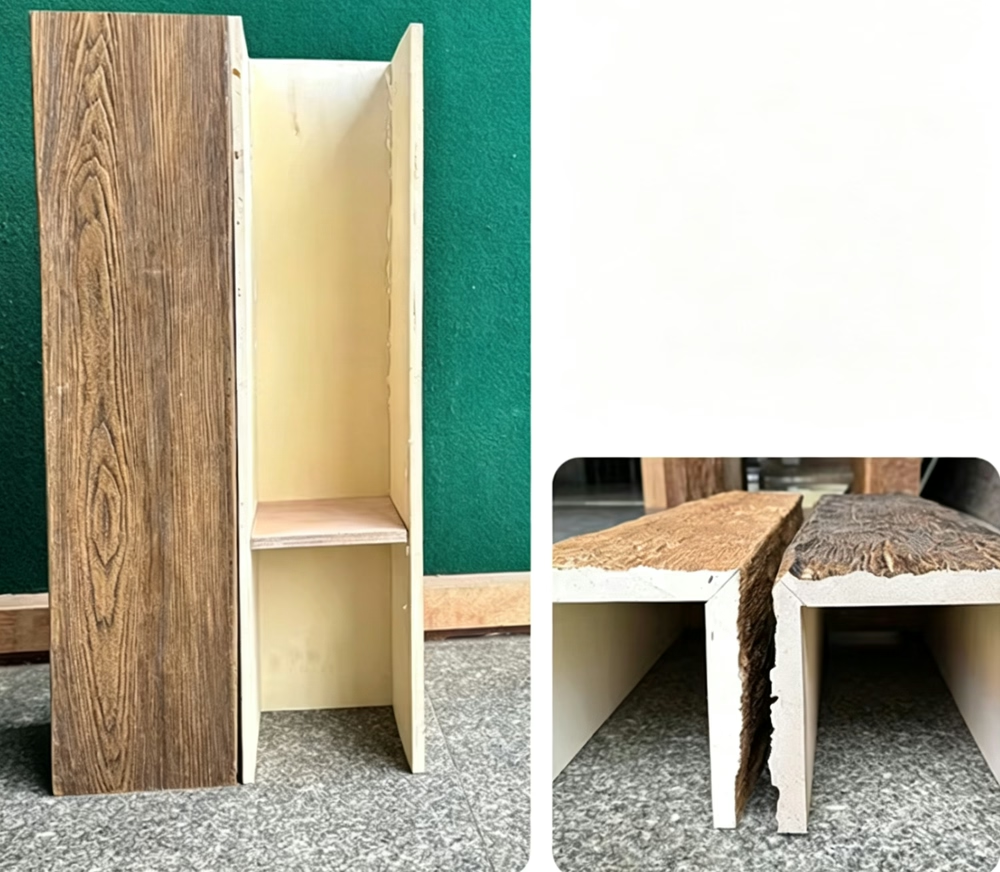
A chip is a loss of material exposing the foam beneath. Fill it with putty filler, pressing firmly and scraping off excess. Allow to cure fully. Sand level with 320-grit sandpaper. Apply the color-matched stain and clear coat. Difficulty: Moderate. Deep chips take 30-60 minutes per repair.
Corner Damage
Beam corners are vulnerable to impact damage. Fill the damaged corner with putty filler, rebuilding the profile. Use a small spatula to shape the filler. Allow to cure. Sand carefully. Refinish with stain and clear coat. Difficulty: Moderate to advanced.
When to Call a Professional
Most touch-up repairs are within the capability of a competent finish carpenter. However, some situations warrant a professional finisher: damage covering more than 100 mm in any direction, damage to a premium finish (spec grade, two-tone, hand-distressed), damage at a visible joint or seam, or structural damage to the beam.
Preventing On-Site Damage
The best repair is the one you do not have to make. On-site damage is reduced by storing beams in their original packaging until installation, using padded sawhorses and supports during cutting and fitting, covering beams with a clean dust sheet during other trades' work, and ordering a 5% spare quantity to cover any damage that does occur.
Custom touch-up paint solutions are included with every project order. Keep the kit accessible during installation and for the defects liability period.
Technical References
ASTM standards cited in every specification
Test Data
Lab results from internal testing program
Updated 2026
Reviewed against current product specs


