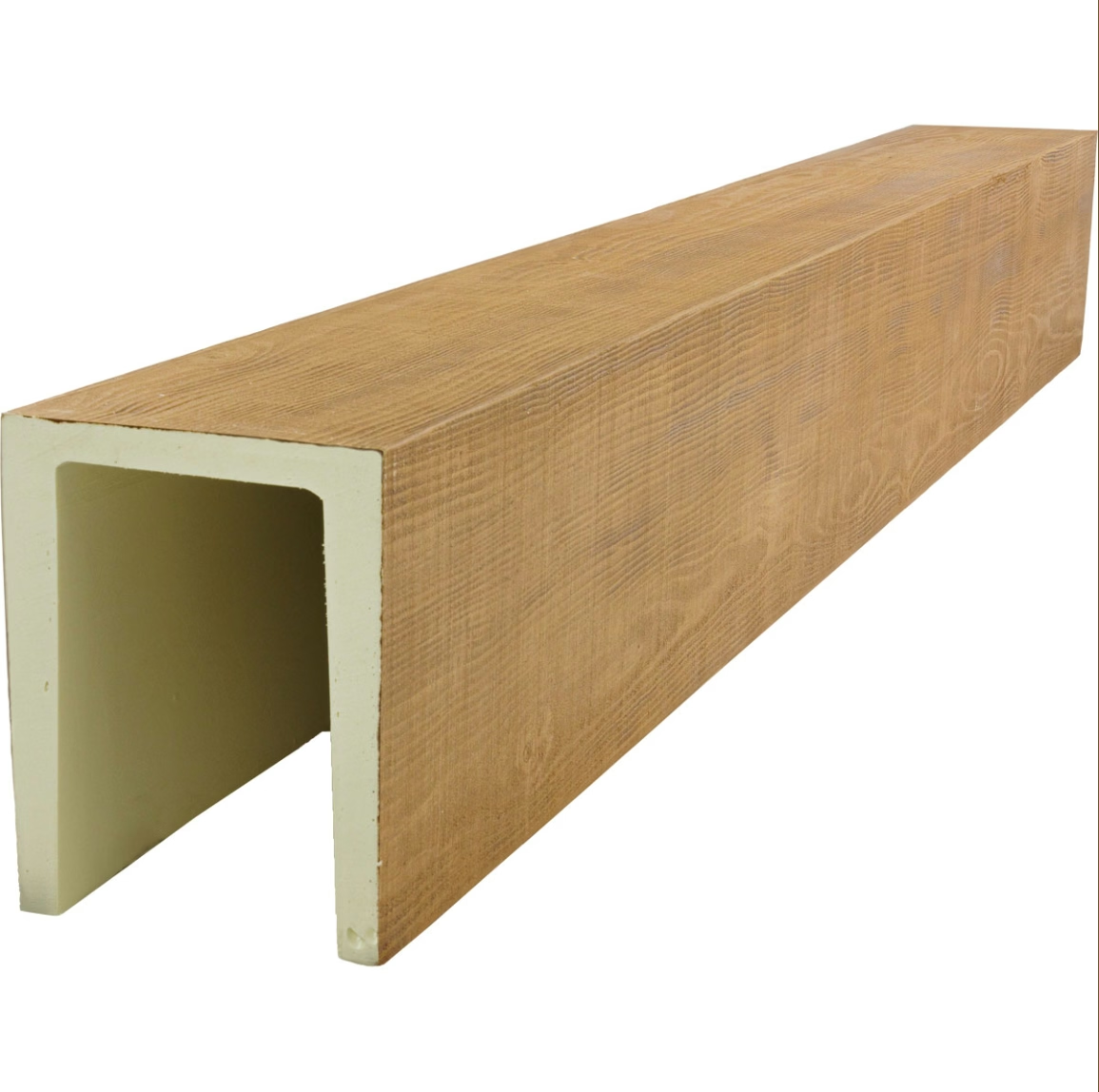
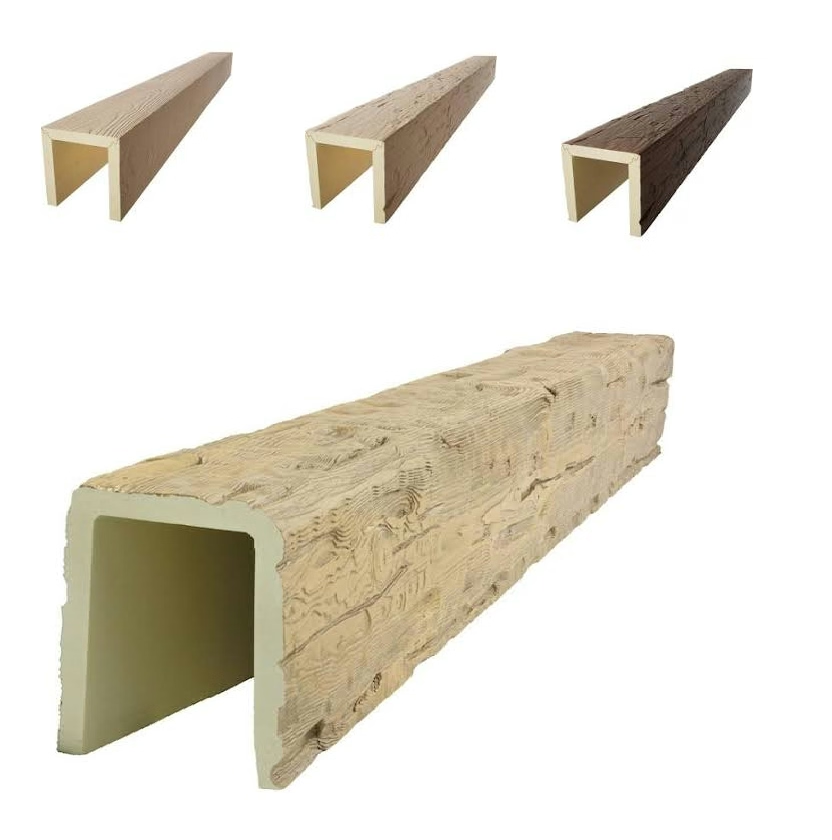
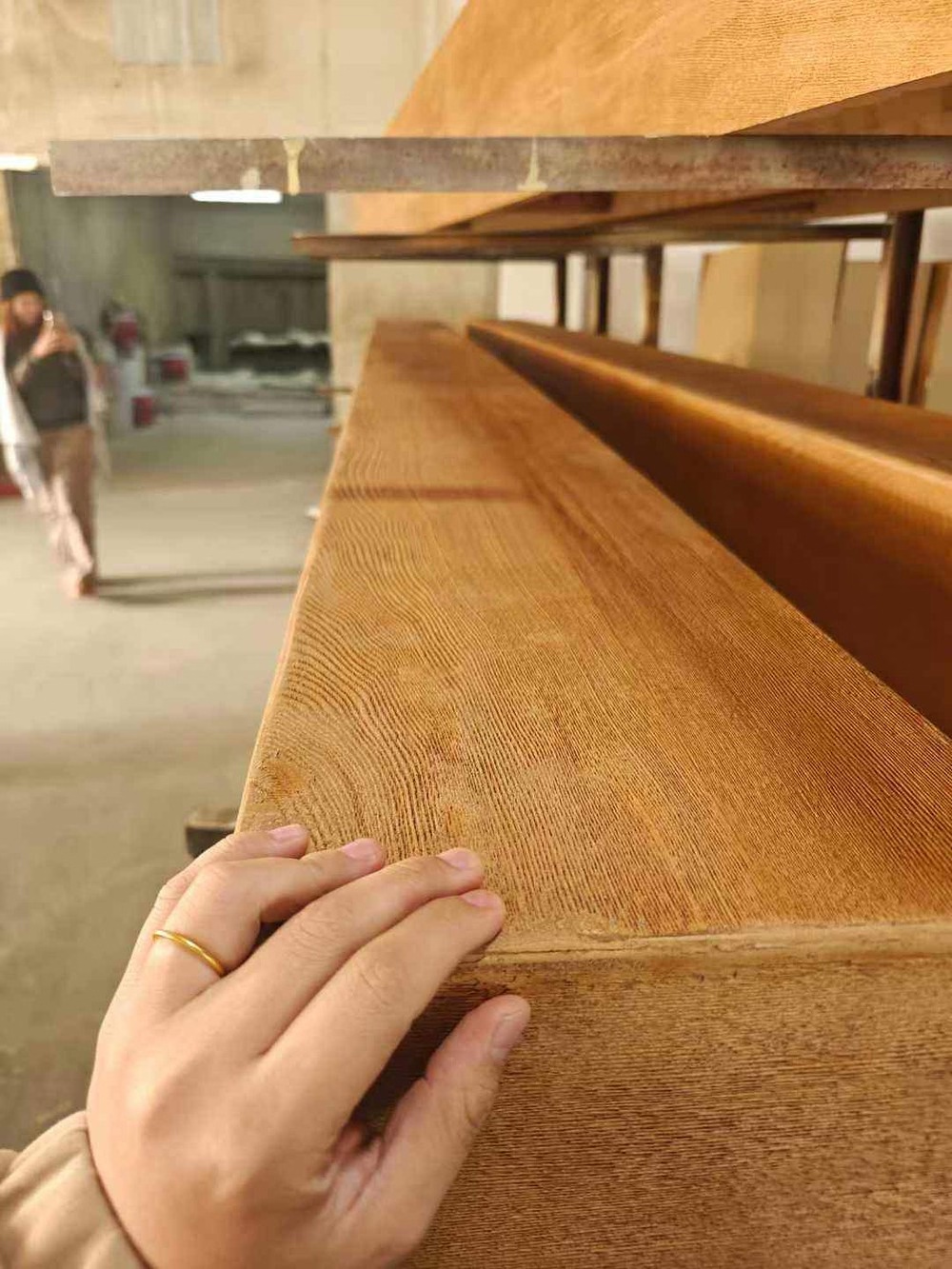
After years of service, even the best-installed polyurethane faux beam ceiling can show signs of wear. A scuff mark near a frequently used doorway. A faded patch in a sun-drenched corner. A patch where the clear coat has worn thin from occasional contact. Custom touch-up paint solutions for PU faux beam surface restoration address these issues with materials designed for the specific formulation of our beams, restoring the surface to its original appearance without the cost or disruption of full refinishing.
When Restoration Is Appropriate
Surface restoration is appropriate when the damage is cosmetic (finish only, not the structural beam), the affected area is limited (typically less than 10% of the total beam surface area), the beam substrate is intact (no cracking, splitting, or deformation of the foam core), and the original stain color and texture are known and can be matched.
Surface restoration is not appropriate when the beam has significant structural damage, the finish has failed across a large percentage of the surface (full refinishing is more economical), or the building conditions have changed and the original finish is no longer suitable.
The Restoration Assessment
Before beginning restoration, assess the full extent of the damage.
Step 1: Visual inspection. Walk the installation and identify all areas requiring attention. Categorize them as minor (surface scratches, small chips), moderate (larger areas of wear, localized discoloration), or significant (widespread finish failure, deep damage).
Step 2: Substrate check. For each damaged area, confirm that the foam substrate is intact. Press gently with a fingertip; the foam should be firm. If the foam is soft, crumbly, or shows signs of water damage, the beam may need replacement rather than restoration.
Step 3: Color assessment. Compare the current color to the original specification or to an undamaged section of the same beam.
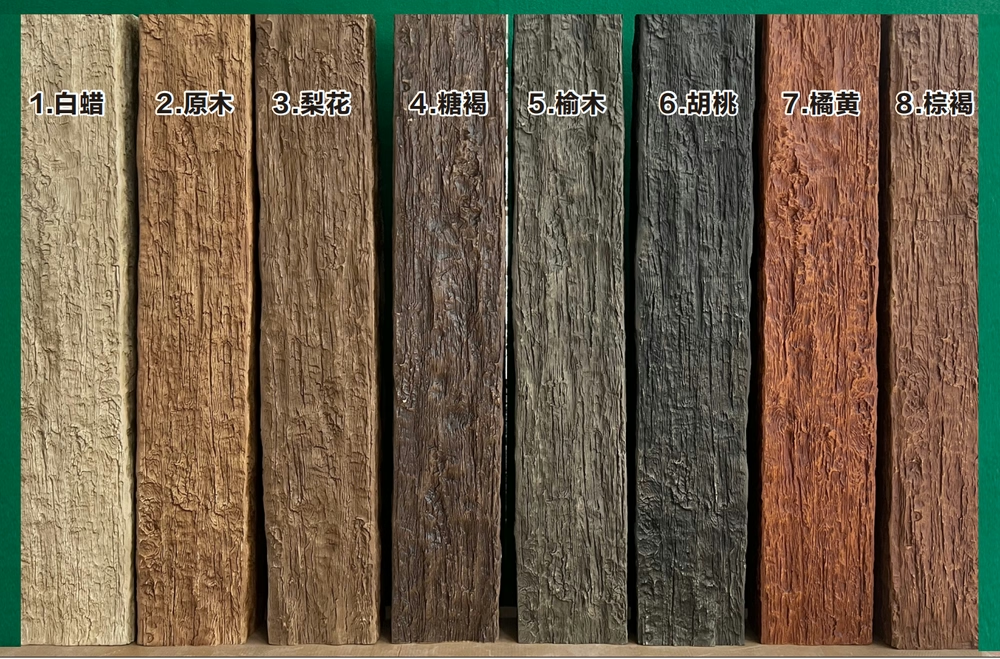
Restoration Materials for PU Beams
The materials for restoration differ from those for new installation touch-up because the aged finish has different properties from the fresh factory finish.
Aged-matched stain. If the beam has aged, the touch-up stain should match the aged color rather than the original factory color.
Flexible clear coat. Over time, the original clear coat becomes slightly harder and more brittle. A new clear coat applied over the aged surface should be slightly more flexible than a standard factory clear coat to avoid cracking at the interface.
Grain fill paste. For textured beams where the grain valleys have worn smooth over time, a grain fill paste restores the texture depth before the stain is applied.
When Full Refinishing Is the Better Option
In some cases, surface restoration is not the most practical solution. Widespread finish failure (more than 30-40% of the beam surface), mismatched original finish (the original stain color is unknown and cannot be matched), structural issues (beam substrate has been damaged), and change of design (full refinishing in a new color is preferable to trying to match a new color into an old one) are all situations where full refinishing or replacement is more economical.
Custom touch-up paint solutions for surface restoration extend the life of a well-installed beam ceiling by years. The key is to address issues early, before localized damage spreads, and to use materials matched to the aged finish rather than the original factory formulation.
Technical References
ASTM standards cited in every specification
Test Data
Lab results from internal testing program
Updated 2026
Reviewed against current product specs