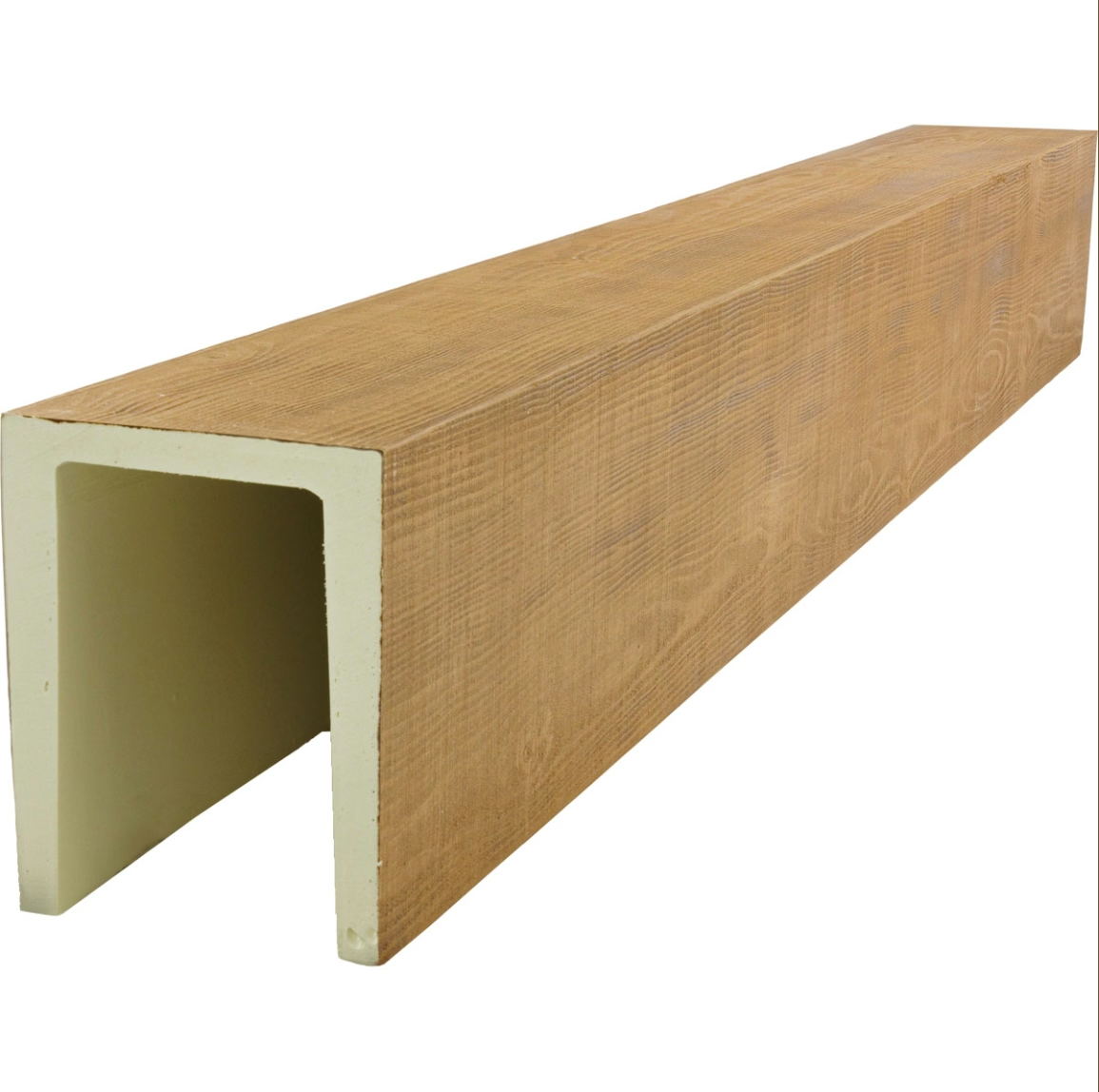
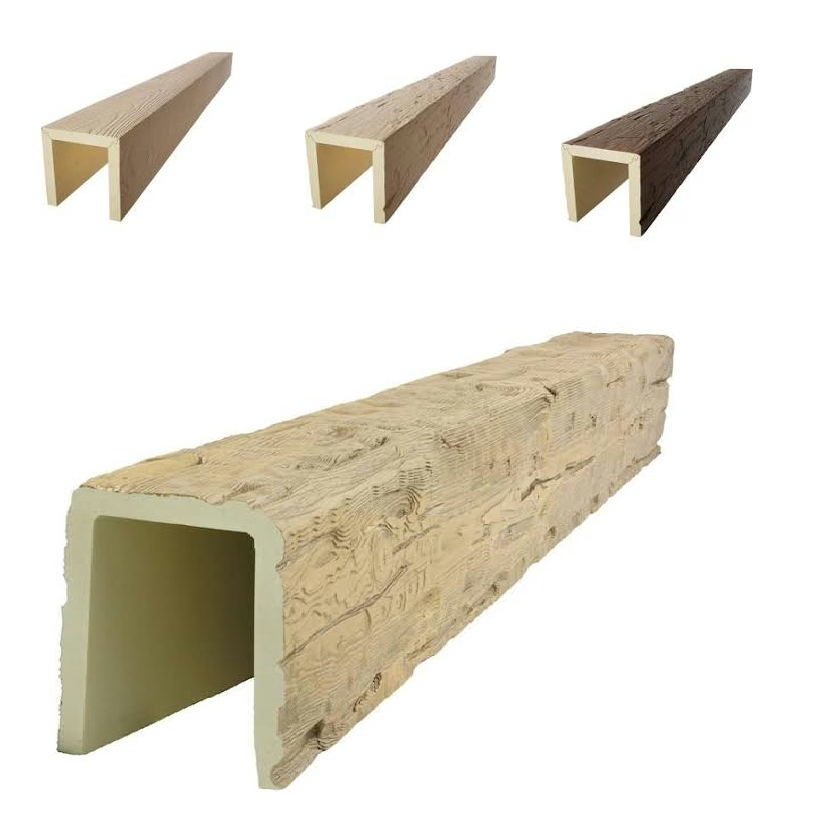
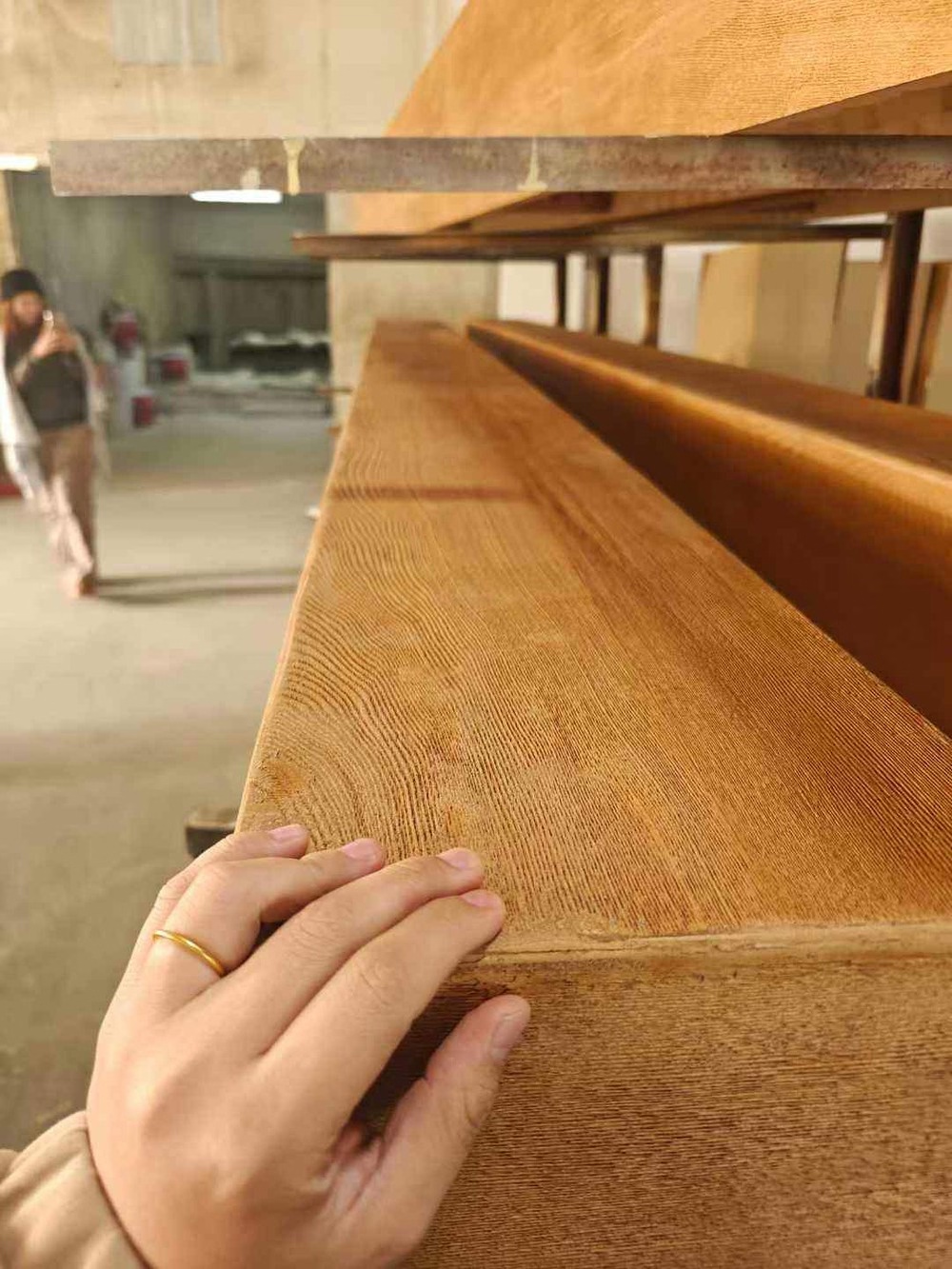
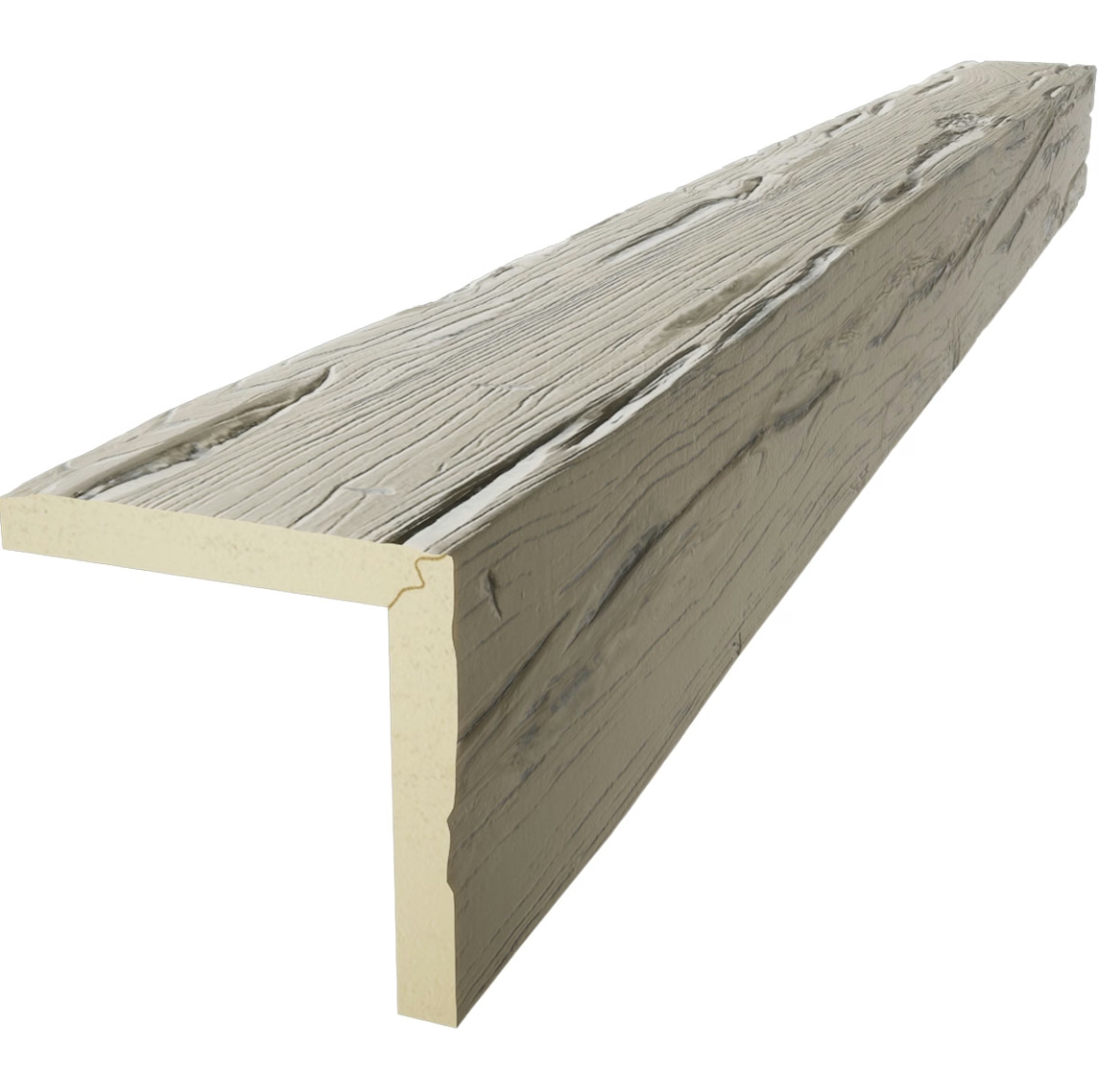
A hollow faux timber beam is defined by more than its outside dimensions. The wall thickness — how thick the foam walls are, how far they extend inward from the outer surface — determines the beam's weight, rigidity, acoustic properties, and visual character. Custom wall thickness hollow PU faux beams let the designer tune these properties for the specific installation, producing a beam that is optimized for its application rather than built to a one-size-fits-all standard.
Why Wall Thickness Matters
The wall thickness of a hollow beam affects five key properties.
Weight. Thicker walls mean more foam, which means more weight. For installations where weight is a concern (retrofit over existing structures, high-rise applications, very long spans), thinner walls reduce the load.
Rigidity. Thicker walls provide more rigidity and resistance to deflection.
Sound transmission. Hollow beams transmit sound differently from solid beams. A thinner-walled hollow beam has more resonance; a thicker-walled hollow beam dampens sound more effectively.
Impact resistance. Thicker walls resist impact damage better.
Visual character. A thin-walled hollow beam looks different from a thick-walled one. The visible thickness of the beam face, relative to the overall depth, affects how substantial the beam appears.
Standard Wall Thickness Options
Thin Wall (15-20 mm). Used for lightweight applications, budget projects, and situations where the beam is primarily decorative. More susceptible to impact damage and flex. Weight: approximately 2-3 kg per linear meter for a 200x250 mm beam.
Standard Wall (20-30 mm). The most common wall thickness for general-purpose hollow beams. Provides a good balance of weight, rigidity, impact resistance, and cost. Weight: approximately 3-4 kg per linear meter.
Thick Wall (30-50 mm). Used for premium applications, long spans, and high-impact environments. Weight: approximately 4-7 kg per linear meter.
Custom Wall Thickness
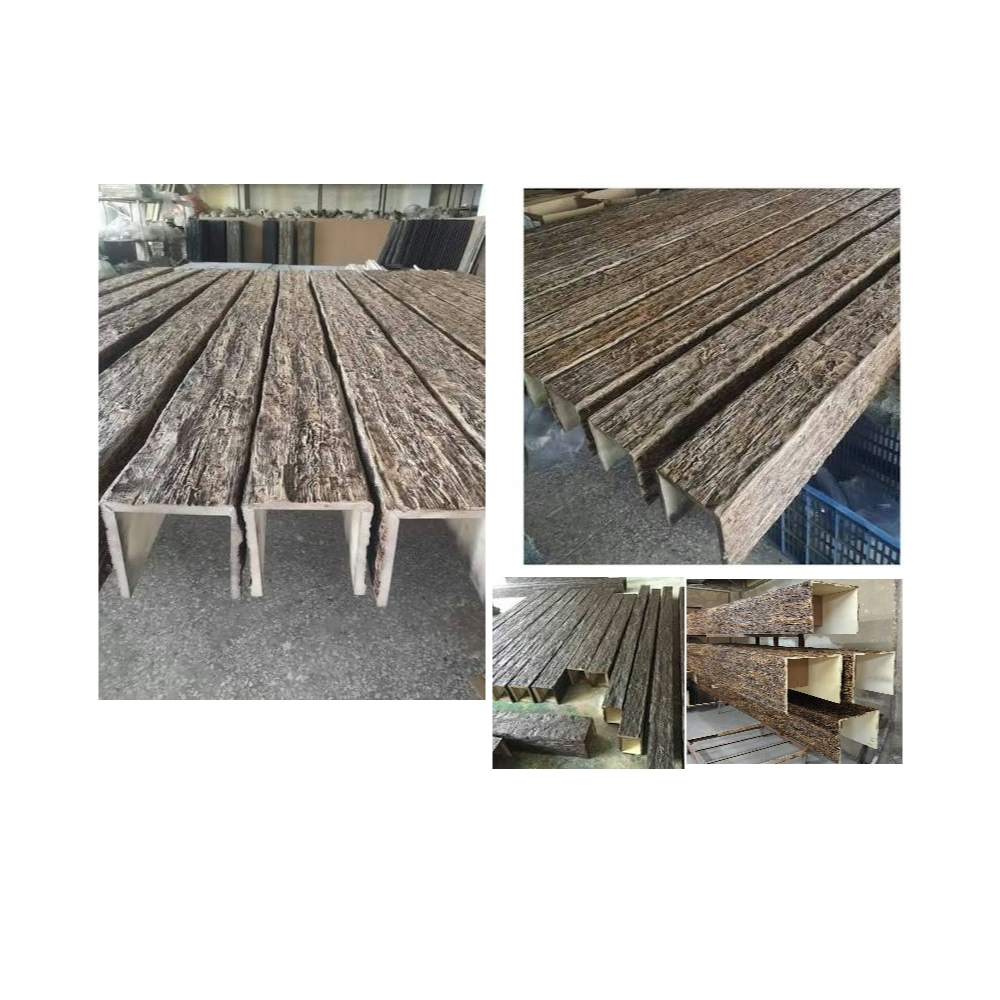
Beyond the three standard categories, we can produce beams with custom wall thicknesses to meet specific project requirements.
Custom wall thickness is specified at the RFQ stage. Provide the inside dimension, the outside dimension, and the wall thickness for each face of the hollow beam. The wall thickness can be specified differently for each face of the hollow section.
Acoustic Performance of Hollow Beams
For acoustic-sensitive applications, we offer acoustic-rated hollow beam specifications. Filled beams: the hollow cavity is filled with mineral wool or a similar acoustic insulation. Thick-wall construction: increased wall thickness reduces resonance. Sealed ends: the beam ends are sealed to prevent air movement through the cavity.
Impact Resistance and Durability
The impact resistance of a hollow beam is a function of wall thickness and foam density. For beams in high-risk impact areas, consider thick-wall construction, high-density foam, internal reinforcement (for extreme cases, steel or aluminum internal reinforcement), and strategic positioning (locate beams out of the direct path of furniture movement and door swings).
Visual Character and Wall Thickness
Thick-wall appearance: the face of a thick-wall beam is substantial and reads as solid. The reveal between the face and the channel is deep and architectural. Thin-wall appearance: the face of a thin-wall beam is more delicate. The reveal is shallower. Standard-wall appearance: the default architectural appearance, neither heavy nor delicate. The most versatile option.
Custom wall thickness hollow PU faux beams are specified when the project has specific requirements that standard wall thicknesses cannot meet.
Technical References
ASTM standards cited in every specification
Test Data
Lab results from internal testing program
Updated 2026
Reviewed against current product specs