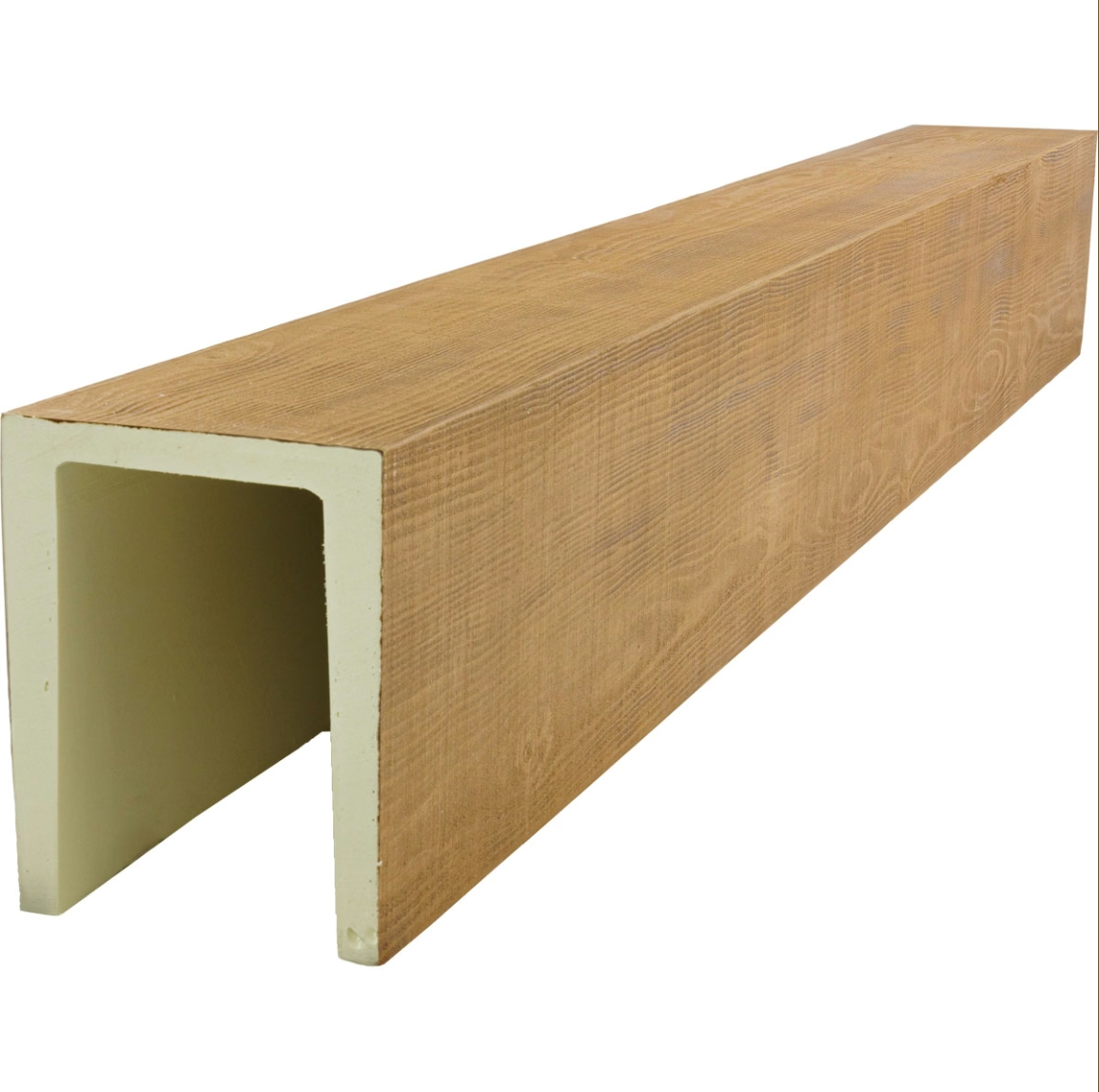
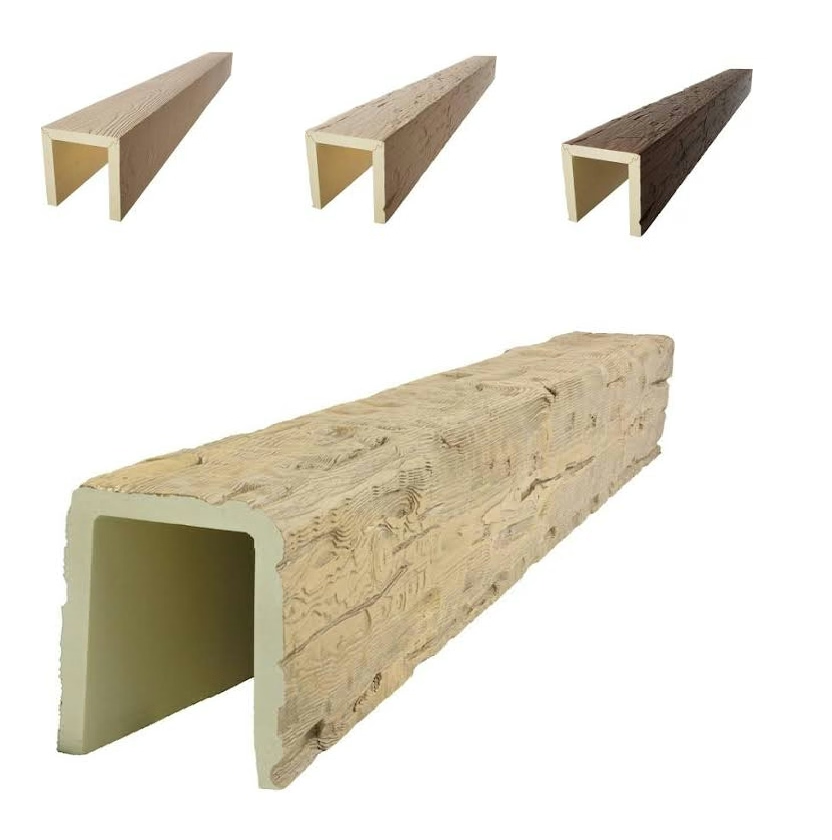
Wrapping an existing structural beam with a decorative sleeve is one of the most efficient ways to upgrade a ceiling. The structure does the work; the sleeve does the looking. But the sleeve must be made for the specific beam it wraps — the inside dimensions must match the structural beam with enough clearance for installation, and the wall thickness must be appropriate for the visual weight and durability requirements of the space. Custom wall thickness PU resin sleeves for faux timber beam wrapping address both of these requirements.
The Anatomy of a PU Resin Sleeve
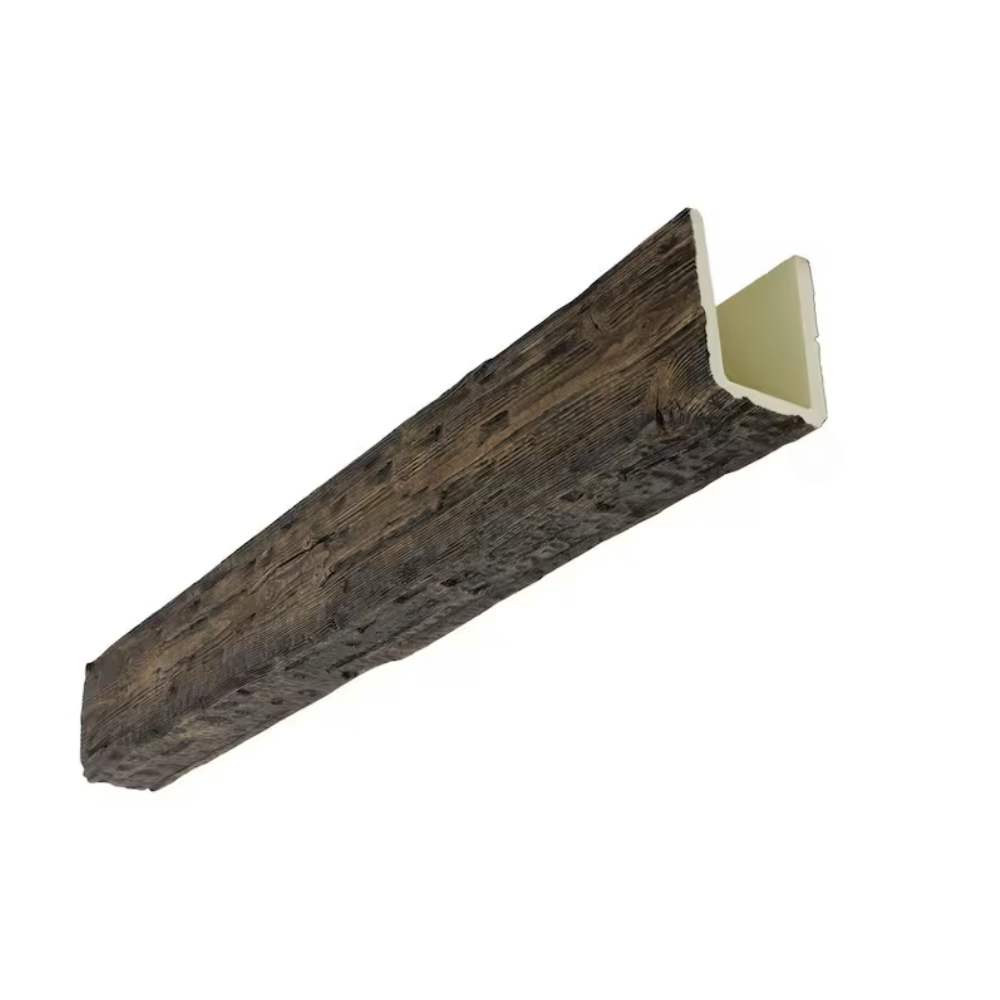
A PU resin sleeve for beam wrapping is a hollow U-shape profile with four key dimensional properties.
Inside width. The clear width of the opening. This must be slightly larger than the width of the structural beam being wrapped.
Inside depth. The clear depth of the opening. This must be slightly larger than the depth of the structural beam.
Wall thickness. The thickness of the foam walls on each face of the sleeve. This determines the outside dimensions, the weight, the rigidity, and the visual weight of the finished installation.
Length. The length of the sleeve from end to end.
Matching Inside Dimensions to the Structural Beam
Width clearance: a minimum of 5 mm per side is required for clearance. For very uneven beams, 10 mm per side is safer. Depth clearance: a minimum of 5 mm clearance at the top and bottom.
For example, a structural beam measuring 100 mm wide and 200 mm deep requires a sleeve with inside width 110-120 mm and inside depth 210-220 mm.
Wall Thickness and Visual Weight
Standard visual weight (25-30 mm walls): the sleeve adds 50-60 mm to the overall beam dimensions. Standard for most residential and commercial applications.
Heavy visual weight (35-50 mm walls): the sleeve adds 70-100 mm to the overall dimensions. Creates a heavier, more architectural presence.
Light visual weight (15-20 mm walls): the sleeve adds 30-40 mm to the overall dimensions. Creates a lighter, more contemporary appearance.
Wall Thickness and Structural Performance
While PU resin sleeves are decorative (not structural), the wall thickness does affect the sleeve's ability to maintain its shape and resist damage during installation and use.
Thin walls (15-20 mm) are more flexible and lightweight but more susceptible to impact damage. Standard walls (25-30 mm) handle normal installation and use without damage. Thick walls (35-50 mm) handle heavy use, impact, and imperfect installation conditions.
Wall Thickness and Thermal Performance
In exterior applications, the wall thickness of the sleeve contributes to the overall thermal performance of the assembly. A thicker sleeve provides more insulation over the structural beam.
The PU resin foam itself has a low thermal conductivity (approximately 0.03 W/m·K), similar to mineral wool insulation. However, the hollow cavity inside the sleeve reduces the overall thermal resistance of the assembly.
Coordinating With Different Structural Beam Types
Steel I-Beams. The U-shape sleeve fits over the flanges and web together. Measure the flange width and the overall beam depth.
Steel Channel Sections. The U-shape sleeve fits over the channel. Measure the channel width and depth.
Timber Beams. Measure the actual dimensions of the timber (not the nominal size). Timber beams are often slightly irregular, so allow extra clearance.
Built-Up Beams. Measure the overall width and depth of the built-up assembly. The sleeve must cover the entire assembly.
Custom wall thickness PU resin sleeves give you the flexibility to specify exactly the right sleeve for the application.
Technical References
ASTM standards cited in every specification
Test Data
Lab results from internal testing program
Updated 2026
Reviewed against current product specs