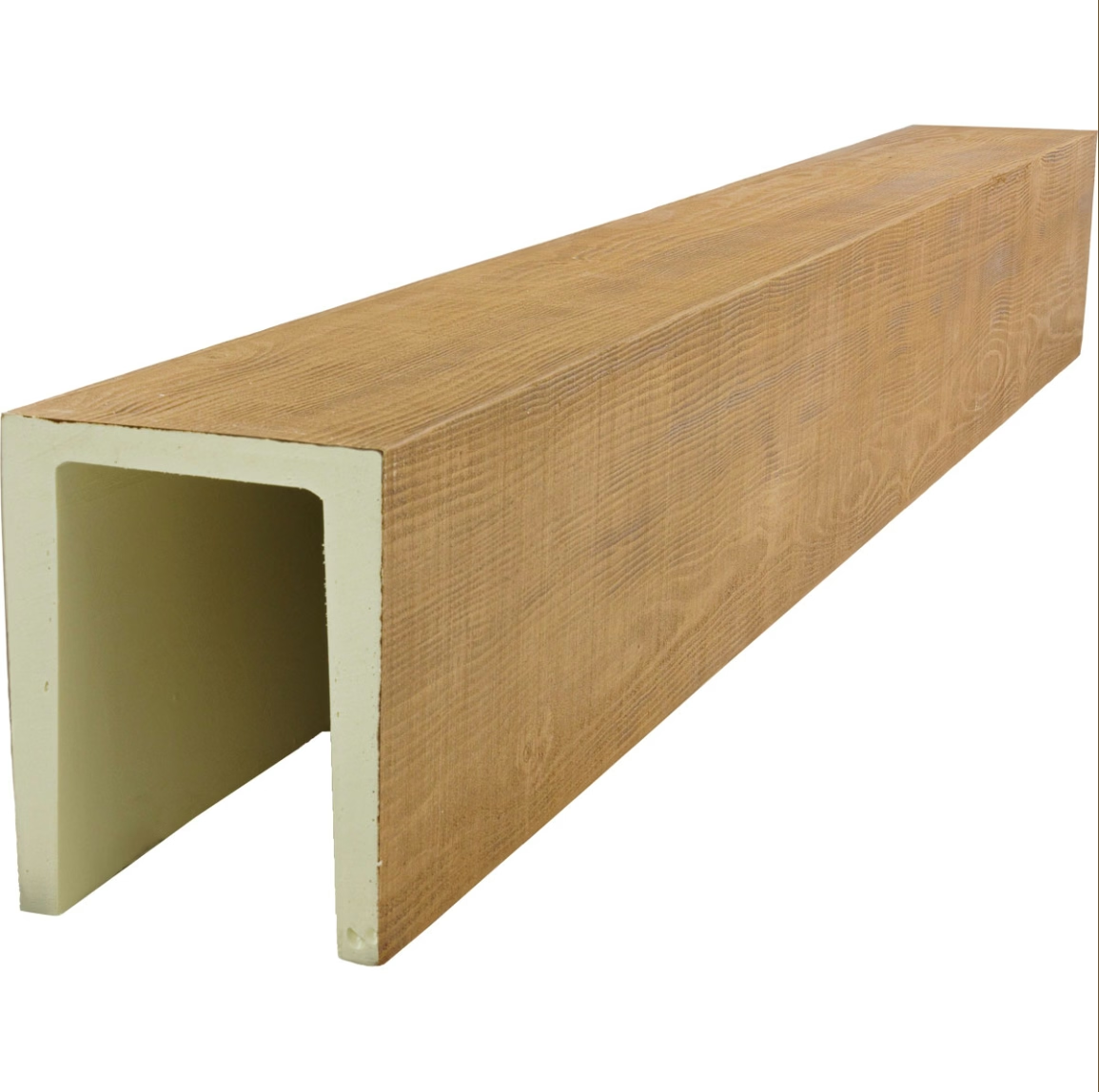
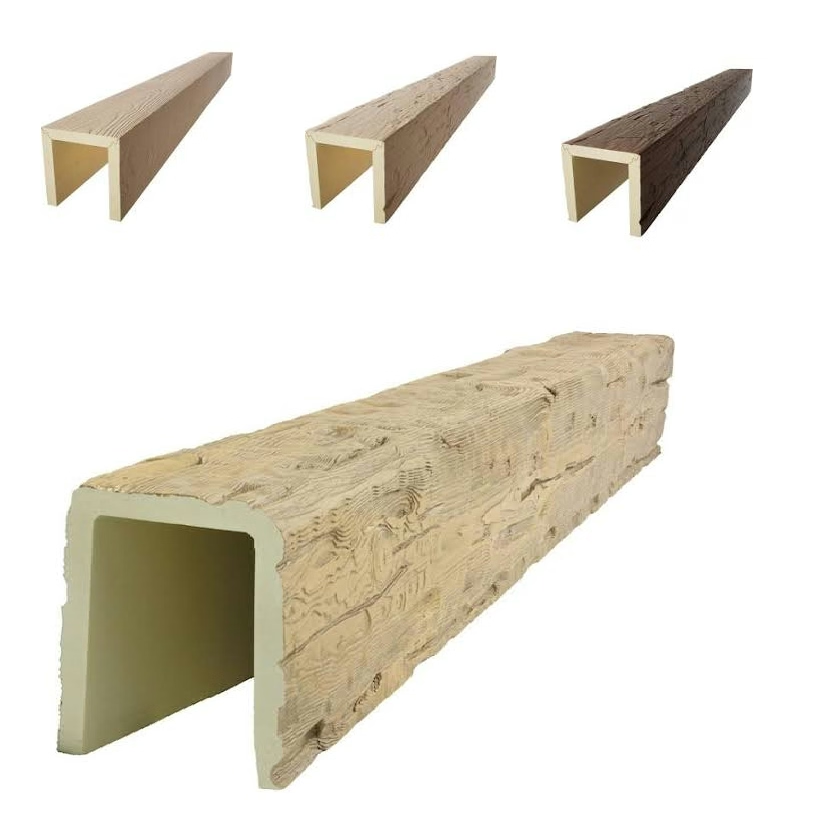
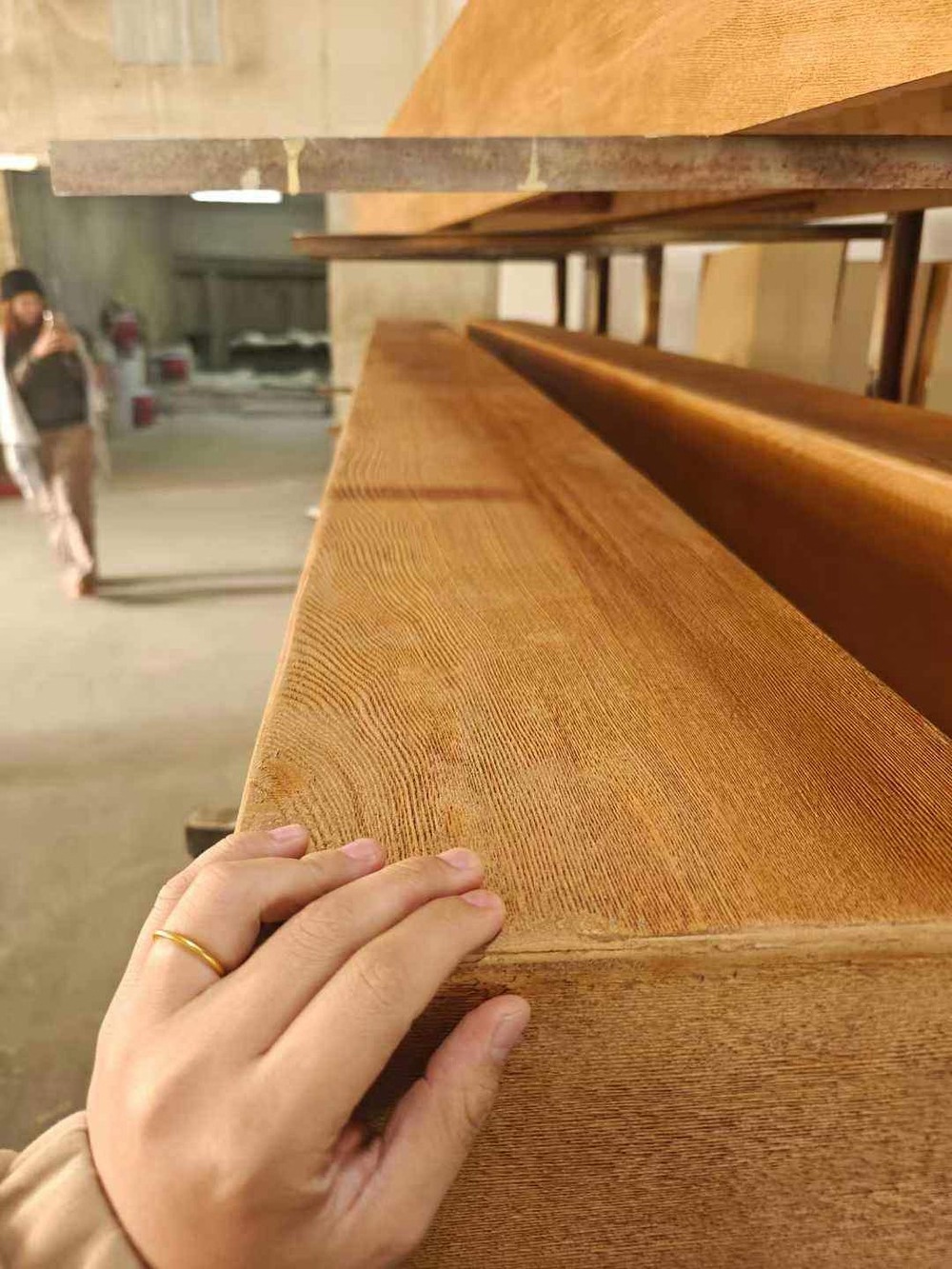
The marketplace for decorative building materials has evolved dramatically over the past two decades, with polyurethane simulation timber beams emerging as a category that genuinely challenges traditional wood in visual fidelity while dramatically outperforming it in practical attributes. Property developers, interior design professionals, and contractors increasingly specify these products not as compromise alternatives but as thoughtful selections that serve project requirements more completely than natural timber ever could.
Understanding why simulation timber has gained such traction requires examining the specific problems that genuine wood creates in construction and renovation contexts. Weight, moisture sensitivity, pest vulnerability, dimensional instability, and cost volatility all challenge authentic timber's viability across many applications. Polyurethane addresses each of these concerns while achieving appearance quality that, in many contexts, exceeds what budget-conscious timber selections would deliver.
The Manufacturing Science Behind Realistic Simulation
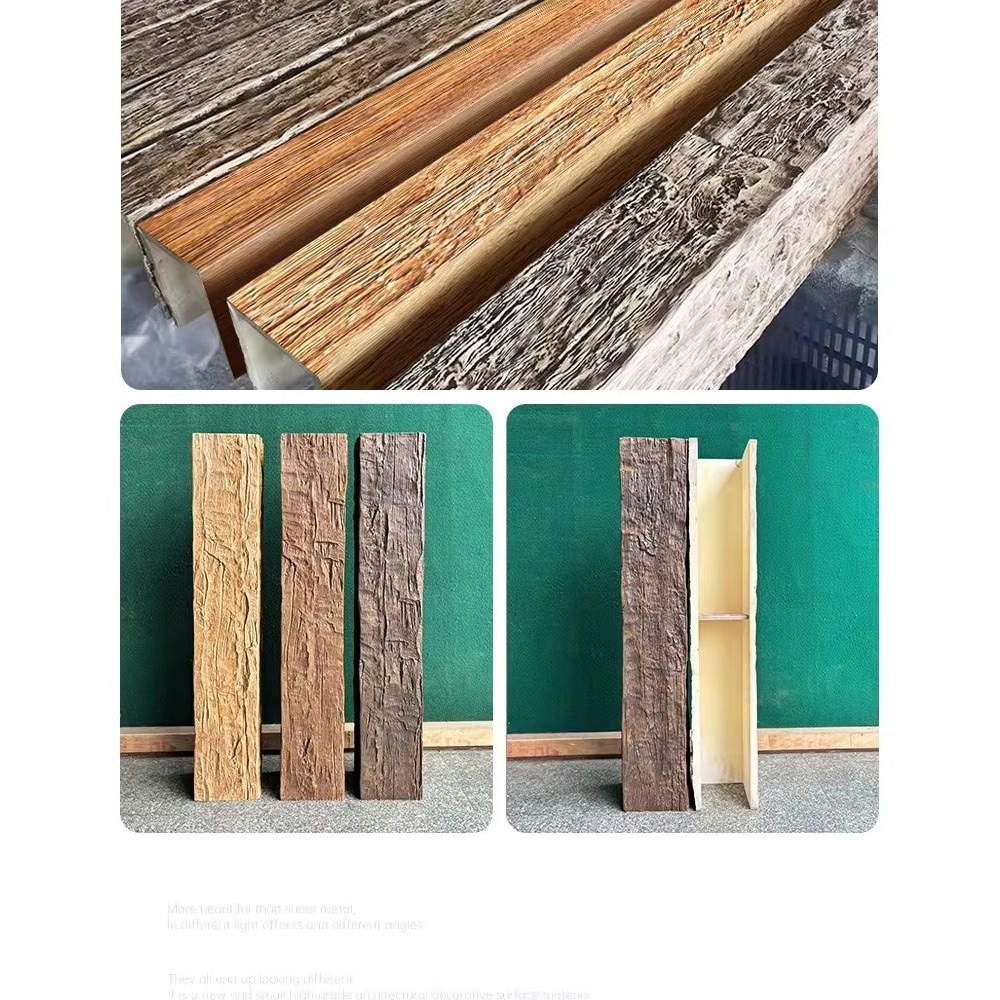
Modern polyurethane molding techniques capture wood characteristics through careful attention to texture, coloration, and profile geometry. The process begins with master patterns crafted from genuine timber, capturing every knot, grain line, and natural imperfection that authenticates the visual experience. These patterns serve as molds for production parts that replicate the original's details consistently across thousands of pieces.
Material composition affects both manufacturing capability and finished product performance. High-density urethane compounds accept fine surface detail while maintaining structural integrity for fastening and mounting. Lower density formulations reduce weight but may compromise detail resolution or fastener holding capacity. Manufacturers balance these factors based on intended applications, with professional-grade products typically using densities optimized for construction use rather than simple display applications.
Surface texturing involves multiple techniques depending on the desired effect. Hand-carved textures produce organic patterns that resist repetition recognition. Embossed surfaces offer consistent grain patterns across wide areas. Combination approaches layer multiple textures to create depth that photographs convincingly under various lighting conditions. The specific technique matters less than execution quality—a poorly executed carved texture looks worse than a consistently applied simpler pattern.
Comparative Analysis: Simulation Timber Versus Authentic Wood
Weight differential represents the most immediately apparent distinction between polyurethane and genuine timber. A 12-foot exposed beam in authentic Douglas fir might weigh 80 to 120 pounds depending on profile dimensions; an equivalent polyurethane piece typically weighs under 20 pounds. This difference transforms logistics, handling, and mounting requirements entirely. Single-person installation becomes feasible; ceiling structures need not accommodate substantial load ratings; shipping costs drop dramatically.
Moisture behavior separates these materials fundamentally. Wood absorbs water, releases it slowly, and responds dimensionally to humidity changes. These properties cause seasonal movement, potential for rot and mold, and finishing complications that require ongoing maintenance. Polyurethane neither absorbs nor releases moisture, maintaining dimensions regardless of environmental conditions. This stability proves particularly valuable in basements, bathrooms, and coastal applications where wood struggles.
Pest resistance provides another substantial advantage. Termites, carpenter ants, and wood-boring beetles pose no threat to polyurethane, eliminating chemical treatment requirements and inspection concerns that affect wood in many geographic regions. Property owners gain peace of mind while building managers eliminate one variable from pest management programs.
Cost stability affects project economics and procurement planning. Natural timber pricing fluctuates with harvesting restrictions, transportation costs, species availability, and demand cycles. Polyurethane pricing correlates more closely with petrochemical markets and manufacturing efficiency, providing better predictability for project budgeting and inventory planning.
Application Scenarios Where Simulation Timber Excels
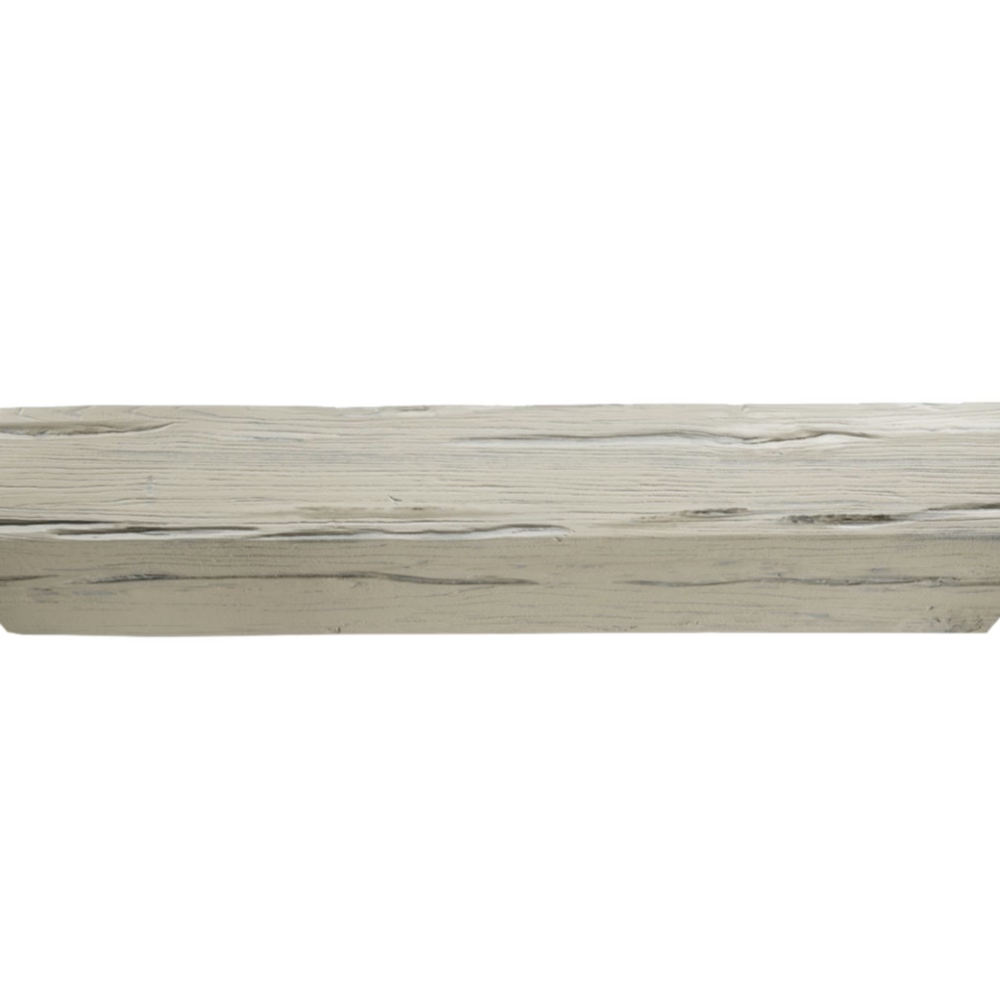
Vaulted and cathedral ceiling applications make ideal use of polyurethane beams. These dramatic spaces often span significant distances and heights where heavy timber becomes impractical, dangerous to install, or structurally inadvisable. Polyurethane installs safely with minimal crew, and the visual impact rivals what would require substantially more complex structural engineering with genuine timber.
Multi-unit residential developments benefit from both cost efficiency and consistency. When building developers specify authentic timber across multiple units or buildings, natural variation creates quality control challenges—each piece differs slightly, and achieving uniform appearance requires expensive sorting and selection. Polyurethane production maintains consistent color and profile across entire project quantities, ensuring that every unit matches design intent identically.
Renovation projects in historically sensitive contexts sometimes require documentation of material authenticity that polyurethane cannot provide. However, for properties where visual excellence matters more than material authenticity, simulation timber frequently delivers superior results. Older homes with settling foundations, irregular surfaces, or non-standard dimensions accept polyurethane beams more readily than timber that would require extensive custom fitting.
Commercial hospitality properties present specific requirements that polyurethane addresses effectively. Fire code compliance, consistent brand presentation across multiple locations, rapid installation schedules, and reduced maintenance burden all favor synthetic alternatives. Hotel chains, restaurant groups, and entertainment venues increasingly specify polyurethane beams for these reasons.
Understanding Quality Indicators in Polyurethane Products
Surface finish quality provides the most immediately visible quality distinction between products. Premium polyurethane beams feature consistently smooth surfaces with crisp detail definition, visible only upon close inspection as non-wood. Budget products may show obvious plastic characteristics—uniform sheen, lack of natural variation, visible mold parting lines, or texture patterns that repeat recognizably.
Color depth and consistency matter for finished appearance. Quality products achieve coloration through integral pigmentation rather than surface coating, meaning that any incidental damage reveals consistent color rather than contrasting base material. This characteristic also enables refinishing without extensive surface preparation or concern about primer compatibility.
Profile accuracy reflects manufacturing precision. High-quality beams maintain consistent cross-sectional dimensions throughout their length, enabling clean miter joints and predictable appearance when multiple pieces connect. Dimensional variation creates gaps, alignment challenges, and frustration during installation that experienced contractors quickly recognize as product quality issues.
Dimensional stability testing provides another quality indicator. Expose sample pieces to temperature extremes representative of installation conditions—inadequate products may warp, twist, or develop surface blemishes. Reputable manufacturers can provide test data or allow inspection of quality control processes.
Installation Techniques and Best Practices
Mounting system selection depends on beam size, ceiling structure, and visual effect requirements. Direct attachment using construction adhesive plus mechanical fasteners works for most residential applications with solid ceiling substrates. Suspended systems using cables or threaded rods handle longer spans or situations where ceiling structure cannot support direct loading. Concealed mounting plates provide the cleanest appearance when installation conditions permit their use.
Corner treatment options include mitered joints, butt joints with cover plates, and return ends that wrap beam profiles around visible corners. The appropriate technique depends on profile complexity and aesthetic preferences. Simpler profiles accept mitered joints readily; complex profiles with substantial relief may require cover plates or specialized fitting techniques.
Beam connections where multiple pieces join end-to-end require attention to appearance continuity. Factory-finished products should align color and texture consistently across pieces; field-finishing may require blending techniques to minimize visible joints. Careful planning of joint placement—preferably at structural support locations—reduces visibility while maintaining visual continuity.
Electrical and mechanical coordination deserves early attention. Recessed lighting, ceiling fans, and HVAC diffusers interact with beam placement and may require special coordination or custom framing. Include beam locations in coordinated drawings distributed to all trades before installation begins.

Finishing and Maintenance Considerations
Factory-finished beams arrive ready for installation with durable surfaces that resist scratching and fading. These products suit most applications where standard colors meet design requirements. Available finishes typically include popular stain colors, solid paints, and natural urethane appearances that showcase polyurethane's own aesthetic.
Field finishing extends possibilities for projects requiring non-standard colors or custom finish techniques. Polyurethane accepts most paint systems when properly primed with products designed for urethane substrates. Gel stains provide wood-toned options with good adhesion and durability. Always test finishing approaches on scrap material before committing to installed pieces.
Maintenance requirements for polyurethane beams are minimal compared to wood alternatives. Regular dusting prevents accumulation that might otherwise require cleaning. Occasional wiping with damp cloth removes most soils without specialized products. Avoid abrasive cleaners that might scratch painted or stained surfaces.
Repair capability differs from wood. While wood dents, scratches, or damaged areas can be filled, sanded, and refinished, polyurethane repairs require compatible patching compounds and careful finishing to blend with surrounding surfaces. Significant damage may require piece replacement rather than repair. This limitation matters for high-traffic applications or situations where damage risk is elevated.
Market Trends and Industry Direction
Growing demand for sustainable building materials creates interesting positioning for polyurethane beams. While the material derives from petrochemical sources, its extended service life, elimination of harvesting impacts, and reduced transportation weights present legitimate environmental arguments. Life cycle assessment approaches increasingly recognize these factors alongside raw material sourcing.
Building codes and fire safety requirements continue evolving, with implications for decorative beam materials. Many jurisdictions require flame retardant formulations for interior applications, and manufacturers have responded with products meeting various fire ratings. Projects should verify local requirements and ensure specified products meet applicable standards.
Emerging manufacturing techniques promise continued quality improvement. Digital texture capture enables unprecedented fidelity in grain pattern reproduction. New compound formulations improve UV resistance for sun-exposed applications. Automated finishing systems provide consistency exceeding manual application techniques.
International trade in decorative beams has grown substantially as manufacturing quality has improved and logistics costs have stabilized. Importers serving North American markets increasingly source from manufacturers with demonstrated quality consistency and responsive customization capabilities. This globalization benefits end users through expanded choice but requires careful supplier evaluation.
Evaluating Suppliers and Making Procurement Decisions
Professional buyers evaluate polyurethane beam suppliers across multiple dimensions beyond simple pricing. Manufacturing capability determines order fulfillment reliability—suppliers running small-batch production may struggle with large project quantities. Quality systems ensure consistent output across extended production runs. Shipping and logistics experience affects delivery reliability and damage rates.
Sample evaluation provides essential information for purchasing decisions. Request samples representing actual production pieces rather than carefully prepared prototypes. Examine surface consistency, color depth, and dimensional accuracy. Test fastening behavior by attempting to drive screws into concealed surfaces—poor-quality products may crack or not hold fasteners securely.
Lead time expectations vary significantly by supplier and order size. Standard catalog products may ship within days; custom specifications or large quantities may require weeks or months. Factor procurement timelines into project schedules, particularly for new construction where beam installation occurs late in construction sequences.
Warranty and return policies affect risk exposure. Standard product warranties typically cover manufacturing defects affecting appearance or structural integrity. Projects with specific performance requirements may need extended coverage or performance bonds. Understand what warranty actually covers before specifying products for critical applications.
The evolution of simulation timber from compromise product to preferred specification reflects genuine capability advancement in manufacturing and design appreciation for practical excellence alongside visual quality. Today's polyurethane beams deliver authentic wood-inspired aesthetics while eliminating the operational headaches that have always accompanied genuine timber in decorative applications. For contractors seeking reliable results, designers pursuing specific aesthetics, and property developers managing costs across multiple units, these products merit serious consideration.
Technical Specifications and Performance Standards
Professional specification of decorative beams requires attention to technical details that affect installation and performance. Density ratings, typically expressed as pounds per cubic foot, indicate material weight and strength characteristics. Higher density generally correlates with better fastener holding and impact resistance but increases shipping costs and handling difficulty.
Temperature tolerance ranges matter for non-climate-controlled applications or regions with extreme seasonal variation. Standard polyurethane products typically perform adequately through normal interior temperature ranges but may soften or harden excessively in unheated buildings or direct sun exposure. Verify specifications against actual installation conditions.
Fire ratings for commercial applications may mandate specific product formulations. ASTM E84 testing establishes surface burning characteristics; other standards address flame spread and smoke development. Ensure specified products carry appropriate ratings for intended applications and local code requirements.
Load specifications affect mounting system design for suspended applications. While decorative beams don't carry structural loads, their weight determines what mounting systems can support them safely. Engineers specifying cable or rod suspended systems should calculate total weight including any accumulated snow load considerations for exterior applications.
Regional Market Considerations
North American markets favor particular aesthetic styles and size preferences that differ from European or Asian markets. Wider beams and heavier profiles dominate residential applications, while commercial projects often require specific dimensional standards meeting accessibility or building code requirements.
European projects may specify metric dimensions and expect different finish standards reflecting local aesthetic preferences. Single-leaf or unstained natural finishes are more common than in North American markets. Climate considerations differ too—varying thermal performance expectations affect product specification.
Export markets increasingly specify products meeting multiple international standards rather than single-country certifications. Manufacturers serving global markets have adapted quality systems, documentation practices, and packaging approaches accordingly. Verify that prospective suppliers can provide documentation meeting your specific market requirements.
Future Outlook for Simulation Timber Products
Continued development of bio-based polyurethane formulations may address environmental concerns while maintaining performance characteristics. These emerging materials derive some content from renewable sources rather than exclusively petrochemical feedstocks, potentially improving sustainability positioning without sacrificing manufacturing consistency or product quality.
Digital manufacturing advances will enable increasingly sophisticated customization without traditional tooling costs. Short-run production of custom profiles, colors, and textures may become economically feasible for projects requiring unique specifications.
Market demand for authentic-appearing decorative elements continues growing as design trends emphasize natural materials and artisanal aesthetics. Simulation timber occupies a unique position—delivering the visual warmth of natural wood without its practical limitations. This positioning should strengthen as building professionals and property owners gain experience with high-quality polyurethane products.
Technical References
ASTM standards cited in every specification
Test Data
Lab results from internal testing program
Updated 2026
Reviewed against current product specs