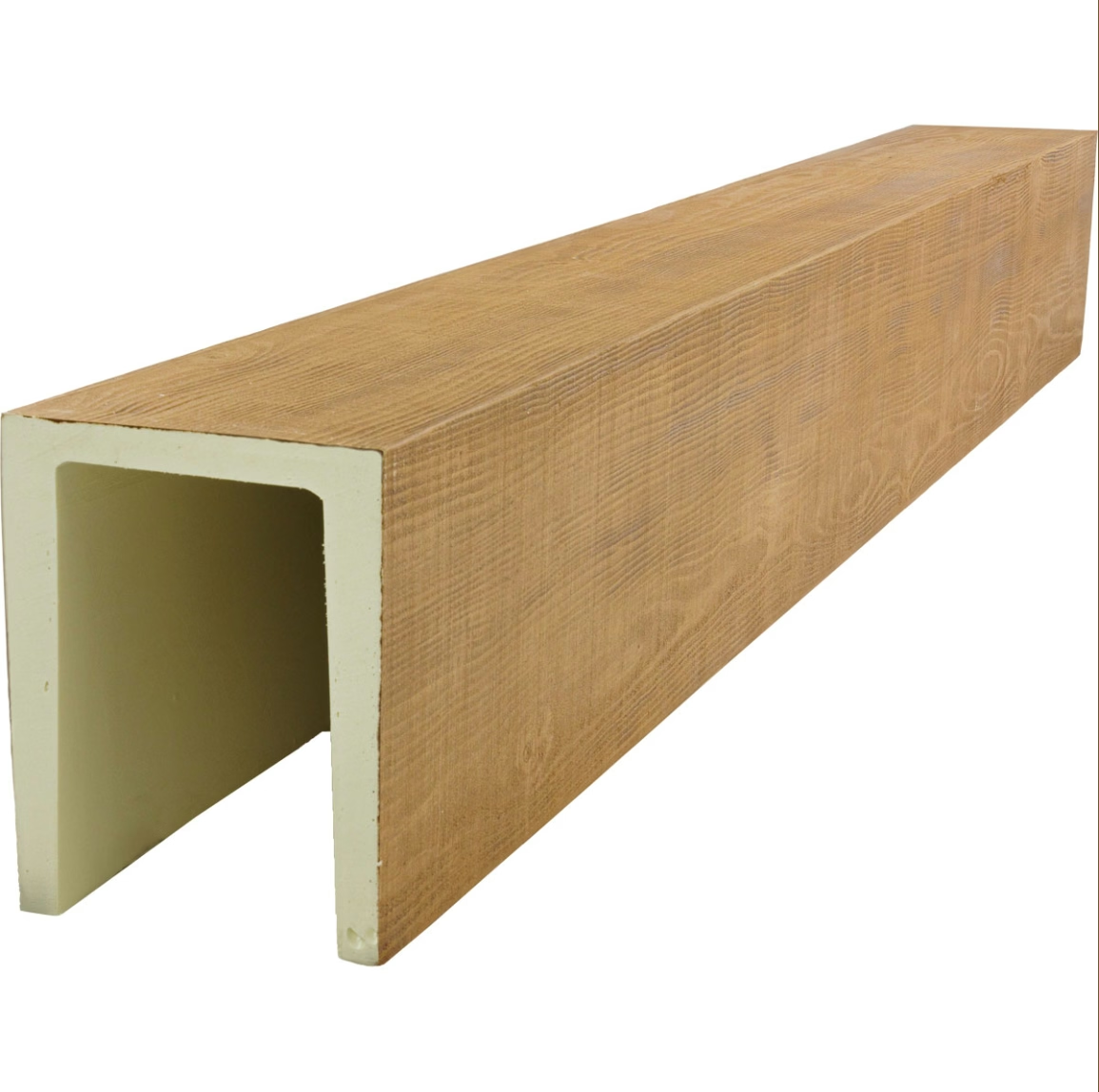
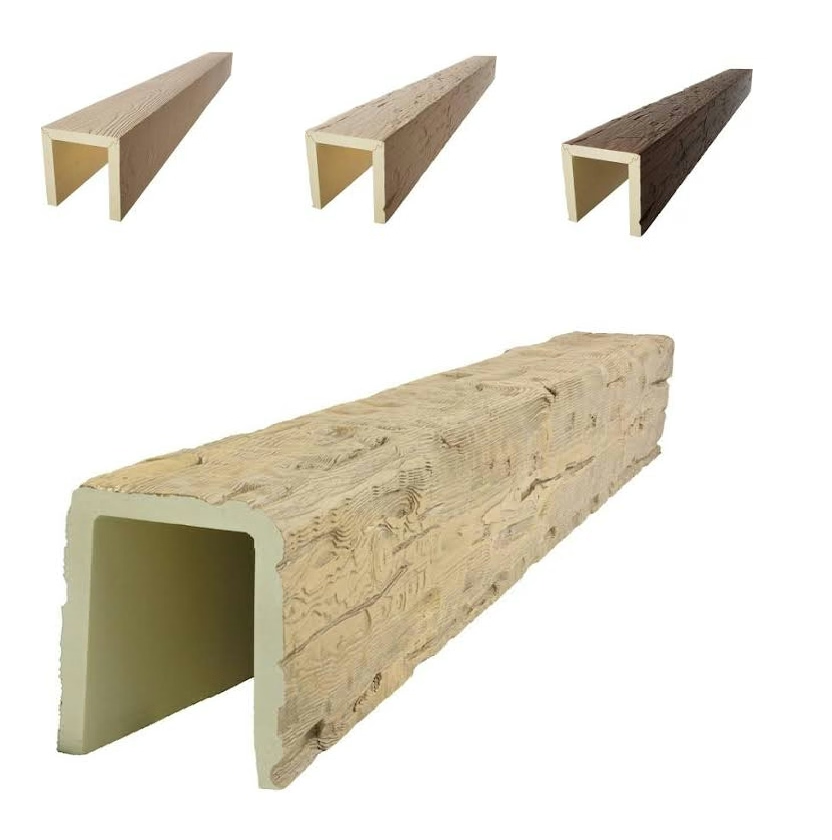
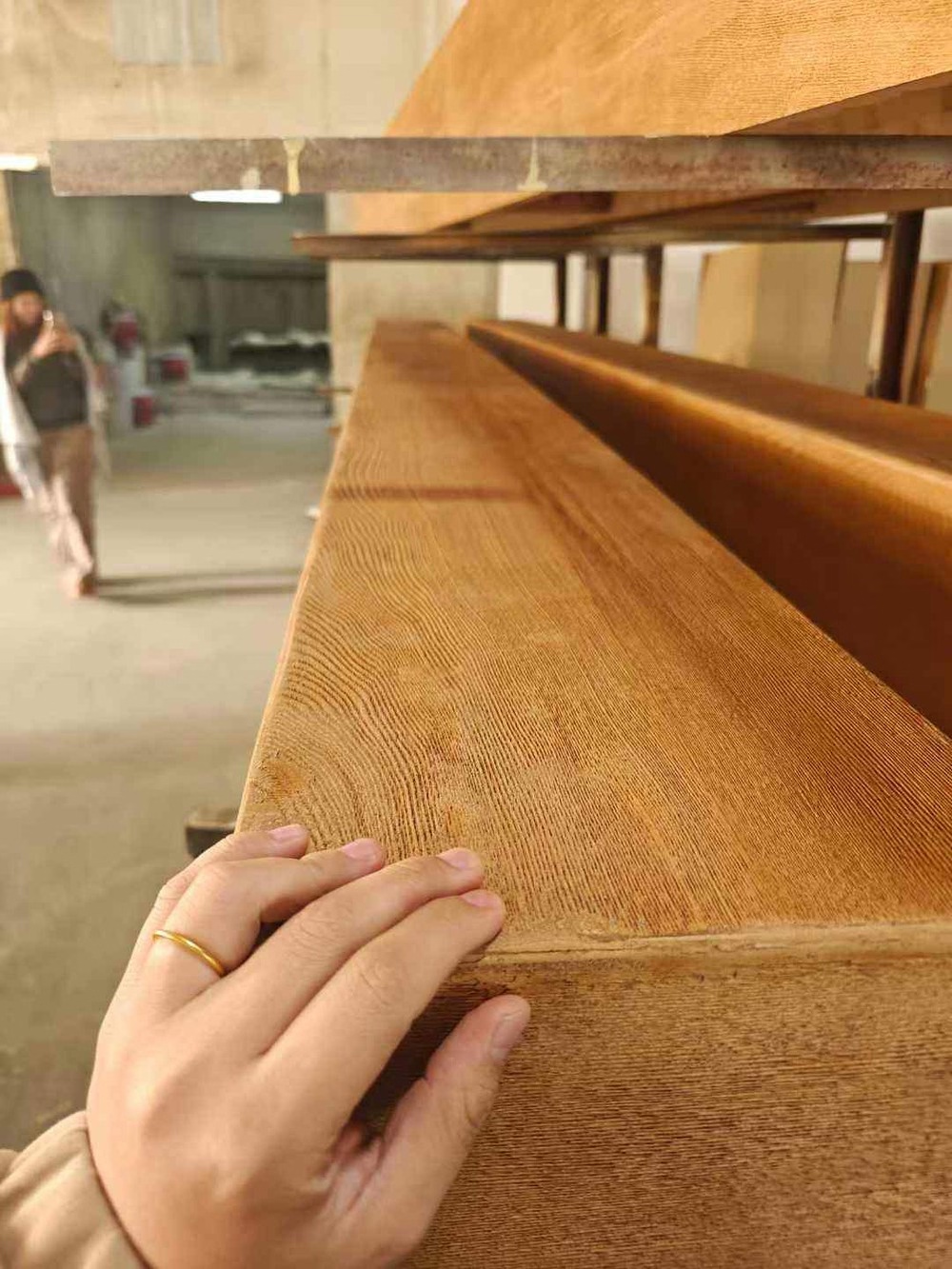
The gap between decorative faux products and authentic materials historically centered on surface texture. Colors could match. Shapes could replicate. But the tactile quality of genuine wood—the way light catches in grain valleys, the slight roughness where saw blades cut across fibers, the three-dimensional reality of growth rings and Medullary rays—defied reproduction. This texture gap limited faux products to applications where close inspection was unlikely, relegating them to back-of-house uses or to situations where only photographs mattered.
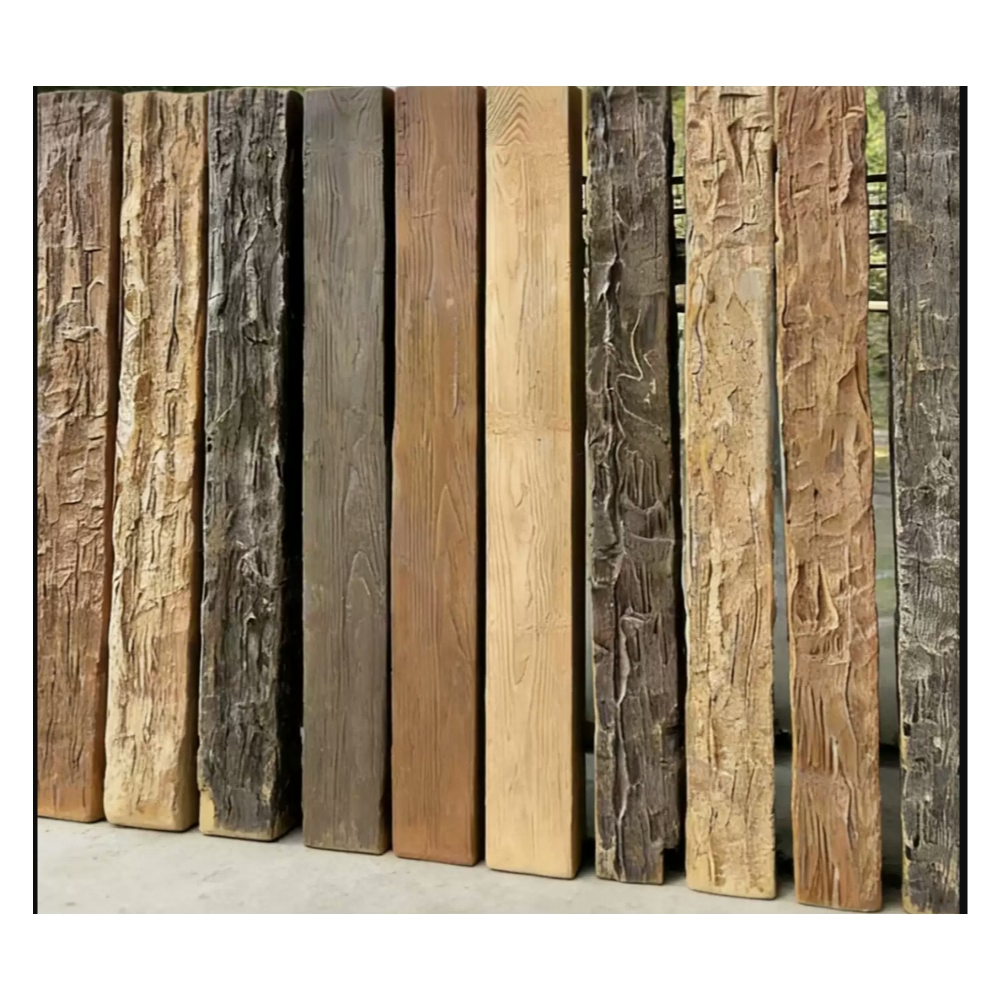
Advances in embossing technology have narrowed this gap substantially. Deep embossed grain polyurethane beams now present surfaces that withstand scrutiny from any distance, including the close examination that happens when people reach toward ceilings out of curiosity or attempt to verify what they're seeing. This improved realism expands the range of applications where faux beams can substitute for genuine timber, including the most visible and demanding contexts.
The Embossing Manufacturing Process
Embossing creates three-dimensional surface relief by pressing heated dies or rollers against material surfaces, transferring patterns from tool surfaces into the material being processed. For wood grain embossing, the tool surfaces capture authentic wood grain details at microscopic resolution, including the fine variations that distinguish genuine timber from hand-painted approximations. The depth of embossing determines how prominently grain features appear, with deeper embossing creating more dramatic visual effects but requiring more sophisticated manufacturing control.
Modern PU embossing employs two primary techniques. Flat pressing uses heated platens that close against material sheets, suitable for producing flat panels and simple profiles. Continuous embossing uses matched roller systems that feed material through the embossing zone, enabling higher production speeds for long beam lengths. Quality outcomes require careful control of temperature, pressure, and feed rate—variables that interact in ways that demand both engineering precision and operator experience.
The polyurethane material itself contributes to realistic texture outcomes. Unlike materials that resist surface deformation or that show embossing as separate from their fundamental composition, PU accepts embossing as integrated texture. The material flows slightly under heat and pressure, filling embossing cavities completely while maintaining crisp feature definition at edges and transitions. This material behavior produces results that feel continuous rather than applied, matching how genuine wood surfaces behave under tactile inspection.
Texture Depth and Visual Effect
Texture depth measurement typically expresses embossing intensity as the distance between highest and lowest surface points within a given area. Shallow embossing, ranging from 0.5 to 1 millimeter, creates subtle surface variation visible primarily at glancing angles or under directional lighting. Medium embossing, from 1 to 2 millimeters, produces obvious grain definition that reads clearly in photographs and catches light appreciably. Deep embossing exceeding 2 millimeters creates dramatic texture that dominates surface appearance and creates strong shadow effects.
Different wood species benefit from different embossing depths based on their natural characteristics. Open-grained species like oak and ash benefit from deeper embossing that captures the pronounced contrast between earlywood and latewood bands. Close-grained species like maple and cherry require lighter embossing that suggests texture without overwhelming the overall surface smoothness. Species with prominent figure—birds-eye maple, curly oak, or quilted patterns—require specialized tooling that captures these distinctive features accurately.
The relationship between embossing depth and finish selection affects overall appearance. Deep embossing under matte finishes creates subtle shadowing that reads as aged natural wood. Deep embossing under high-gloss finishes creates pronounced contrast between illuminated peaks and shadowed valleys—sometimes appearing artificially exaggerated. For most applications, satin or semi-gloss finishes over medium-depth embossing produces balanced results that photograph naturally without appearing over-processed.
Quality Indicators in Embossed Products
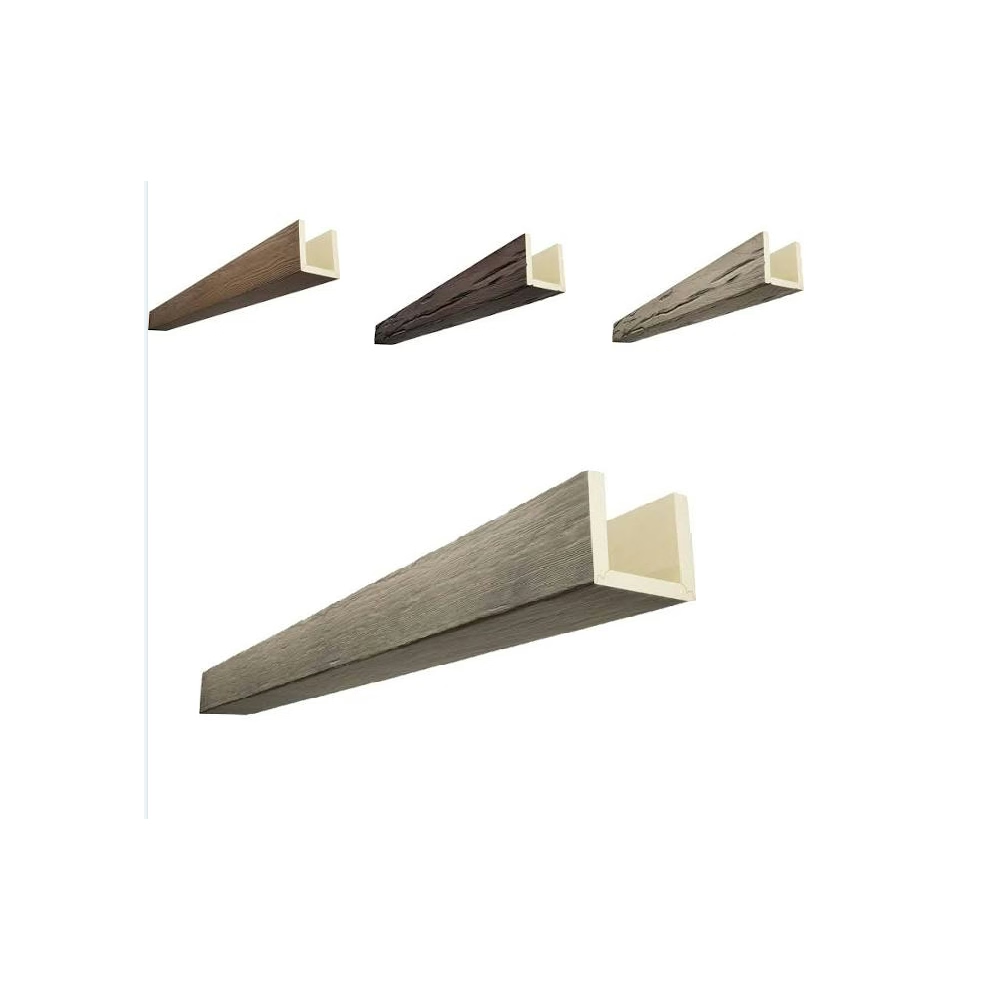
Surface consistency distinguishes quality embossed products from inferior alternatives. At transitions between embossed and non-embossed areas, quality products show no visible seam line, with the embossing density gradually reducing rather than cutting off abruptly. Along beam lengths, embossing should maintain consistent depth and character without variations that suggest material properties or manufacturing conditions changed during production.
Edge definition matters for realistic appearance. Sharp corners and crisp edges on embossed surfaces contribute to wood-like authenticity; soft, rounded edges suggest injection molding rather than authentic timber characteristics. Quality manufacturers pay attention to edge treatment as a distinct production step, using techniques that preserve embossing definition at these critical locations.
Color consistency between embossed and non-embossed surfaces requires attention during finishing. The same stain or dye applied to surfaces with different textures reads as different colors due to how surface orientation affects light reflection. High points reflect more light, appearing lighter. Valleys reflect less, appearing darker. This phenomenon is intrinsic to how genuine wood behaves and contributes to authentic appearance—but it requires deliberate coordination between embossing and finishing processes. Products where finishing appears to have been applied without regard for texture show artificial uniformity that reveals their synthetic nature.
Lighting Interaction with Embossed Surfaces
Embossed textures reveal lighting design decisions more dramatically than smooth surfaces. The interplay between texture and illumination determines whether embossed beams read as convincingly authentic or as obviously manufactured. Understanding this relationship helps designers specify lighting that showcases texture effectively and avoid lighting approaches that undermine realistic appearance.
Directional lighting from fixed positions creates predictable shadow patterns that emphasize grain structure. Track lighting, wall sconces, and directional recessed fixtures all produce this effect intentionally when positioned to illuminate embossed surfaces. The resulting shadow play creates visual dynamism that draws attention to beam craftsmanship, satisfying observers who expect timber to behave this way.
Diffuse lighting from surface-mounted fixtures or bounce lighting from adjacent walls creates softer illumination that reduces shadow intensity. This approach suits spaces where beams function as background elements rather than focal points, providing warmth and texture without demanding attention. Museums and galleries often prefer this approach, where lighting emphasis falls on exhibited objects rather than architectural details.
Natural lighting creates the most complex interaction with embossed surfaces, as sunlight angles change throughout the day and across seasons. South-facing windows with direct sun exposure create dramatic shadow effects that shift continuously, animating beam surfaces in ways that manufactured lighting cannot replicate. This variability contributes to spaces feeling alive rather than static, engaging observers over repeated visits as the same ceiling presents different appearances.

Application Recommendations by Space Type
Residential living spaces benefit from embossed beams that provide warmth and character without demanding constant attention. Medium-depth embossing with satin finishes suits family rooms, great rooms, and bedrooms where beams contribute to overall atmosphere rather than serving as primary focal points. Higher gloss finishes work in formal dining rooms and entryways where dramatic appearance serves the space's ceremonial functions.
Commercial hospitality spaces often require bolder texture presence to justify their installation expense and to photograph well for marketing purposes. Restaurants, boutique hotels, and upscale retail spaces benefit from deeper embossing that creates the rustic authenticity these environments seek. The texture investment pays dividends in the distinctive atmosphere that discriminating customers notice and appreciate.
Professional and corporate environments present the most challenging context for embossed beam aesthetics. Traditional office settings may accept beams as part of updated interior refreshes, but texture intensity should match the overall design vocabulary. Minimalist corporate environments seeking subtle warmth benefit from shallow embossing with matte finishes that suggest texture without creating visual complexity that conflicts with clean design principles.
Care and Maintenance of Embossed Surfaces
The raised and recessed features of embossed surfaces accumulate dust in ways smooth surfaces do not. Valley areas between grain lines collect airborne particles that become visible as tonal changes when enough contamination accumulates. Regular dusting with soft implements—lambswool dusters, electrostatic dusting tools, or soft-bristle brushes—prevents this accumulation before it becomes noticeable.
Cleaning embossed surfaces requires attention to valley areas where contamination collects. Soft cloths dampened with mild cleaning solutions can reach these areas, but should be used gently to avoid forcing contamination deeper into embossing cavities. For stubborn contamination, soft-bristle brushes used with cleaning solutions help dislodge particles from textured areas before final wiping removes the slurry.
Protection from abrasion matters for maintaining embossing definition over time. The peaks of embossed grain features bear the brunt of any surface contact, and repeated abrasion gradually rounds these features, reducing texture intensity. Beam installations in areas subject to regular contact—low ceilings in basements, beams near stairways, or anywhere that heads or carried objects might brush the surface—should specify harder-finished products that resist abrasion better than standard options.
Technical References
ASTM standards cited in every specification
Test Data
Lab results from internal testing program
Updated 2026
Reviewed against current product specs