When clients walk into a space featuring rich wooden beams across the ceiling, they rarely suspect those beams weigh less than a toddler. That surprising lightness is one of many advantages driving the growing adoption of deep embossed natural grain faux wood beams across residential and commercial projects worldwide.
The texture of real wood tells a story through its grain patterns, knots, and natural variations. Capturing that authenticity requires more than surface-level printing or thin veneer overlays. Deep embossing technology presses these intricate patterns directly into polyurethane, creating a three-dimensional surface that responds to light and touch just like natural timber.
Why Deep Embossing Creates More Convincing Results
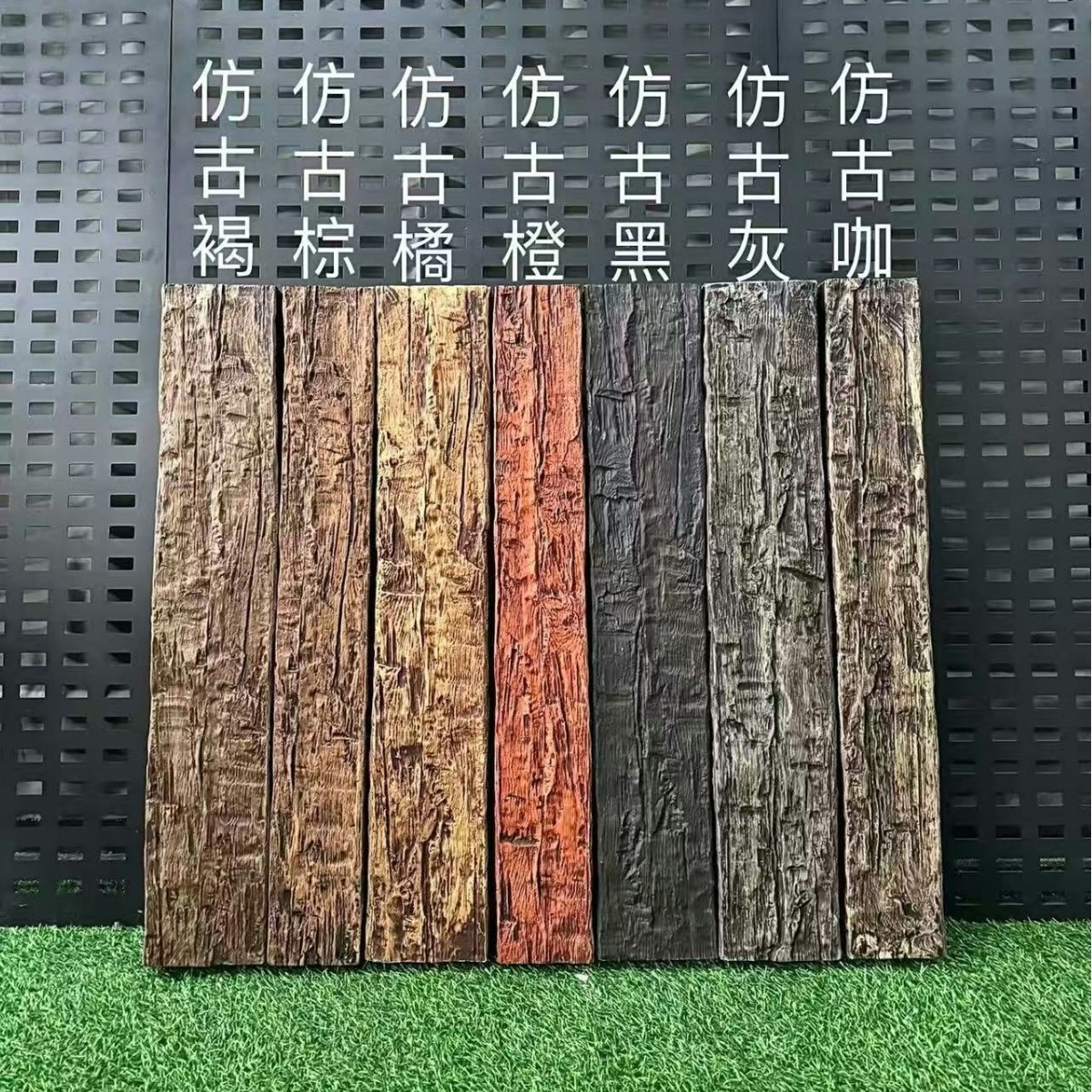
Standard wood grain patterns on synthetic materials often look flat because the texture exists only visually. When sunlight hits a flat surface at an angle, or when someone brushes their hand against it, the illusion breaks. Deep embossing solves this problem by physically indenting the polyurethane surface to follow the natural flow of grain lines, growth rings, and wood cell structures.
The embossing depth on quality faux wood beams typically ranges from 2mm to 5mm in the deepest grain valleys. This isn't cosmetic treatment—it's a structural impression that maintains consistency across the entire beam surface. Every section from end to end reproduces the same organic patterns found in real lumber, just without the inconsistencies that make natural wood unpredictable.
Architects working on mountain lodge renovations have embraced this technology extensively. The ability to specify consistent color, texture, and dimensions while maintaining authentic appearance addresses a common challenge in timber-framed design. These projects no longer require the structural calculations for heavy real beams or the ongoing maintenance against rot and insect damage that authentic timber demands.
Material Composition and Structural Integrity
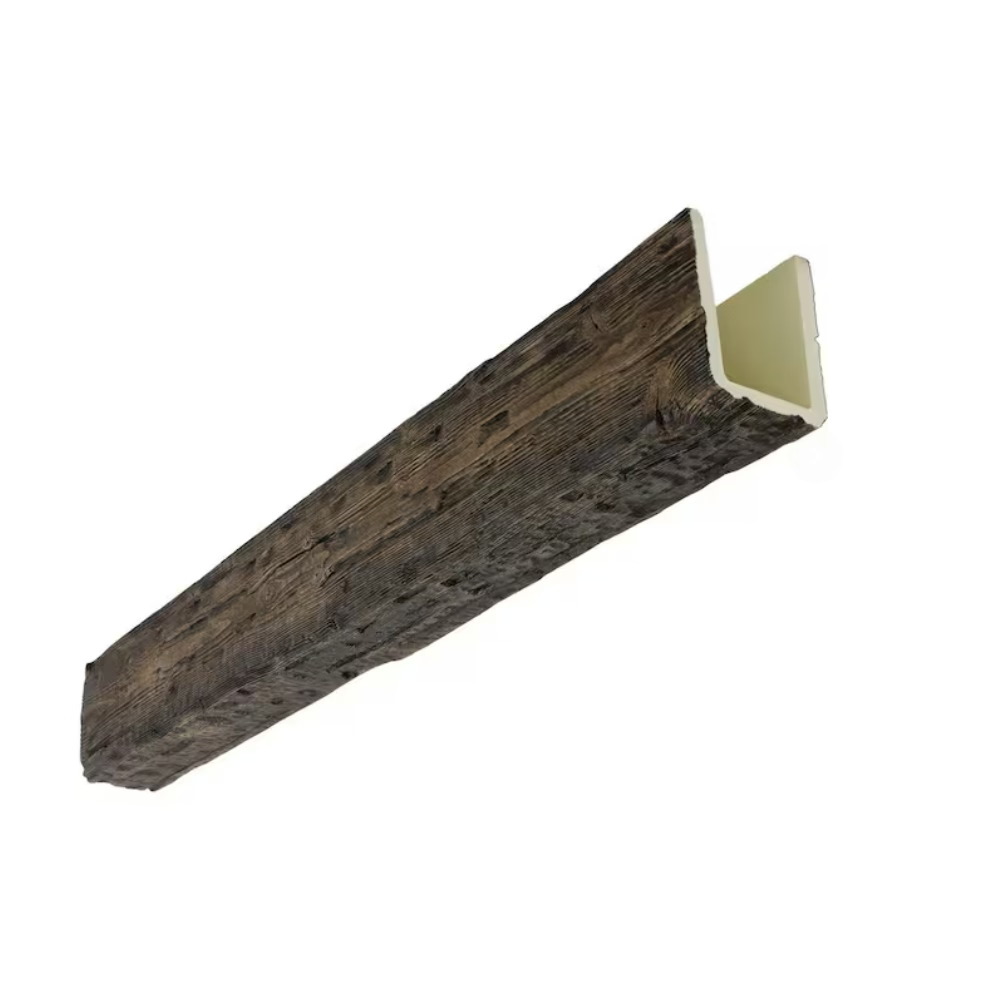
Modern deep embossed faux wood beams begin with high-density polyurethane as the core material. This isn't the lightweight Styrofoam packaging material many people associate with the word "foam." Industrial-grade PU used in architectural elements offers density between 200kg/m³ and 350kg/m³, providing meaningful substance without the burden of natural hardwood.
The material accepts deep embossing because of its cellular structure. When模具 (molds) press into PU under controlled temperature and pressure, the cells compress and flow rather than crack or tear. This allows fine detail reproduction including the microscopic pores of earlywood, the sharp definition of latewood bands, and even the occasional mineral streak found in aged timber.
Manufacturers often apply multiple layers of coating after embossing to protect the texture while maintaining its tactile qualities. UV-resistant primers and topcoats prevent color fading even in rooms with abundant natural light or exterior applications. These protective layers also resist scratches from routine cleaning or occasional contact with furniture being moved nearby.

Weight Comparison Changes Installation Possibilities
A standard 8-foot long, 10-inch deep load-bearing timber beam might weigh 80 to 120 pounds depending on wood species. The same dimensional appearance in deep embossed PU weighs between 8 and 15 pounds. This dramatic difference transforms what's possible during installation and renovation.
Contractors no longer need specialized lifting equipment or structural reinforcement calculations for decorative beam installations. Two workers can handle beams that previously required three or four people and mechanical assistance. This efficiency directly translates to reduced labor costs on installation, making these products attractive for large-scale commercial projects like hotel lobbies, restaurant dining rooms, or retail showrooms where dozens of beams create dramatic ceiling treatments.
Interior designers appreciate how this weight advantage opens installation possibilities in spaces where traditional beams simply weren't feasible. Upper-floor condos with weight restrictions, historical buildings with sensitive existing structures, and modern constructions with steel-frame designs can all accommodate rich wooden beam aesthetics through these lightweight alternatives.
Matching Natural Wood Species and Custom Finishing
Deep embossing technology doesn't limit projects to a single wood species appearance. Manufacturers maintain模具 (molds) representing dozens of popular and specialty woods, from the tight grain of cherry to the bold cathedral patterns of rift-cut oak. Some companies offer custom mold creation for specific wood samples, allowing perfect matching of existing timber in renovation projects.
The finishing process complements these varied wood species options. Staining techniques can shift base colors warmer or cooler, while glaze applications emphasize grain depth by pooling in embossed valleys. This finishing flexibility means projects aren't locked into factory-standard appearances—custom colors and treatments achieve precise design intent.
For projects requiring specific dimensions that standard stock sizes don't accommodate, fabricators can produce custom lengths and profiles. The PU manufacturing process accommodates this without the waste generated when cutting and finishing natural lumber to non-standard sizes. Project managers appreciate this adaptability when working with architectural plans featuring unique ceiling treatments or non-standard spacing requirements.
Long-Term Performance and Maintenance Advantages
Real wood beams require regular maintenance to preserve their appearance and structural integrity. Periodic resealing, pest inspections, moisture monitoring, and refinishing represent ongoing costs that compound over the lifetime of a building. Deep embossed PU beams eliminate most of these concerns through the material's inherent resistance properties.
Polyurethane doesn't absorb moisture, meaning these beams won't warp, cup, or develop the cracking patterns associated with seasonal humidity changes in natural timber. Insects have no interest in PU material, removing pest control from the maintenance checklist entirely. The UV-stable finishes applied during manufacturing resist the fading that bleaches natural wood exposed to sunlight over years of service.
Cleaning involves nothing more than occasional dusting or wiping with a damp cloth. stubborn stains from cooking grease in kitchens or wine in dining areas yield to mild soap solutions without the special wood cleaners required for natural timber. This maintenance simplicity appeals particularly to commercial operators where cleaning staff turnover makes consistent care of natural wood surfaces challenging.

Fire Safety Considerations for Commercial Applications
Building codes in many jurisdictions require fire-rated materials for certain applications, particularly in commercial spaces and multi-story residential buildings. Manufacturers address this through fire-retardant formulations that achieve meaningful flame resistance without compromising texture quality or structural properties.
These fire-rated versions undergo testing to meet standards such as ASTM E84 Class A or B ratings, indicating reduced flame spread and smoke development compared to untreated materials. Project managers specifying products for regulated applications should verify current test certifications and ensure products meet their specific jurisdiction requirements.
The advantage of achieving fire ratings in polyurethane rather than treating natural wood lies in consistency. Natural wood fire treatment penetrates inconsistently, with effectiveness varying based on wood species, grain orientation, and prior finishing treatments. PU's homogeneous composition allows predictable, uniform fire performance across every beam produced.
Environmental Considerations and Sustainable Positioning
While no manufacturing process is without environmental impact, deep embossed faux wood beams offer several sustainability advantages worth considering for environmentally-conscious projects. Natural wood harvesting, particularly of old-growth or exotic species, carries substantial ecological footprint. Replicating these appearances in manufactured materials reduces pressure on forested ecosystems.
The lightweight nature of PU beams reduces transportation emissions compared to shipping equivalent volumes of natural timber. Less fuel consumed in shipping means lower carbon intensity per installed linear foot. For projects emphasizing sustainable positioning in their marketing or corporate responsibility reporting, these quantifiable differences support environmental claims.
Durability also factors into lifecycle sustainability calculations. Beams that maintain appearance for decades without replacement reduce the consumption cycle associated with periodic renovation. Projects specifying long-lifecycle materials contribute less to landfill burden over building lifetime compared to products requiring replacement every ten to fifteen years.
Specifying Deep Embossed Beams for Your Next Project
Successful integration of deep embossed faux wood beams begins with accurate specification. Projects should document ceiling structure attachment points, required load-bearing expectations (if any), environmental conditions including humidity and temperature ranges, and aesthetic goals including wood species appearance and color treatment.
Working with manufacturers early in the design process helps avoid surprises during procurement. Reputable suppliers employ design consultants who assist with technical specifications, sample evaluation, and installation guidance. These partnerships prove particularly valuable for first-time users or projects with unique requirements that standard products might not address.
Request samples before committing to large orders. Texture quality, color accuracy, and weight feel are difficult to assess from photographs alone. Physical samples allow comparison against existing materials, evaluation under actual lighting conditions, and confidence that finished installations will match design intent.
The combination of deep embossed texture authenticity, lightweight handling convenience, and long-term maintenance simplicity makes these beams a compelling choice across project types. Whether specifying for a single residential installation or a hundred-room hospitality renovation, the technology delivers practical benefits alongside the warm aesthetics that make wood beams enduringly popular in interior design.
Technical References
ASTM standards cited in every specification
Test Data
Lab results from internal testing program
Updated 2026
Reviewed against current product specs


