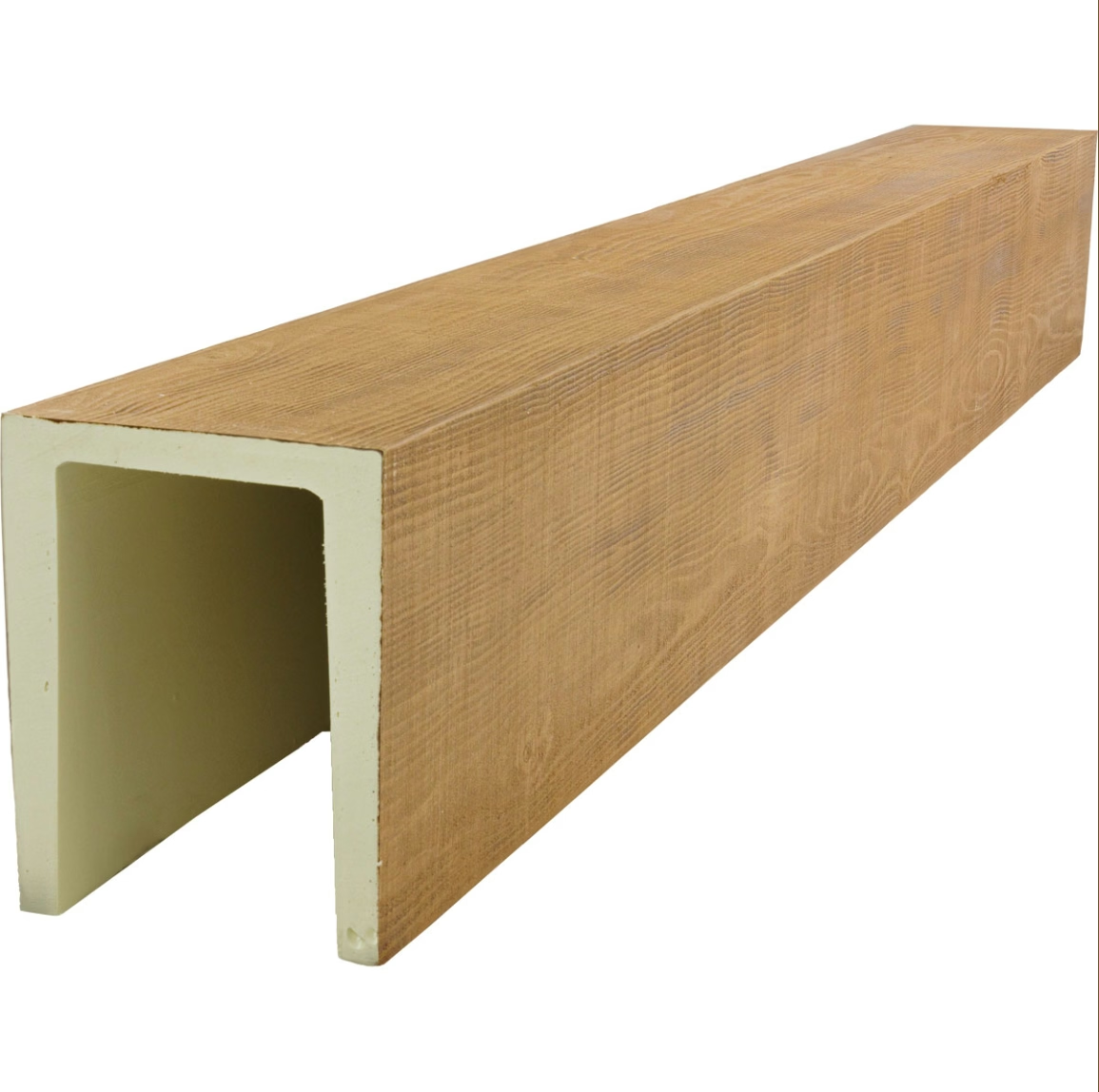
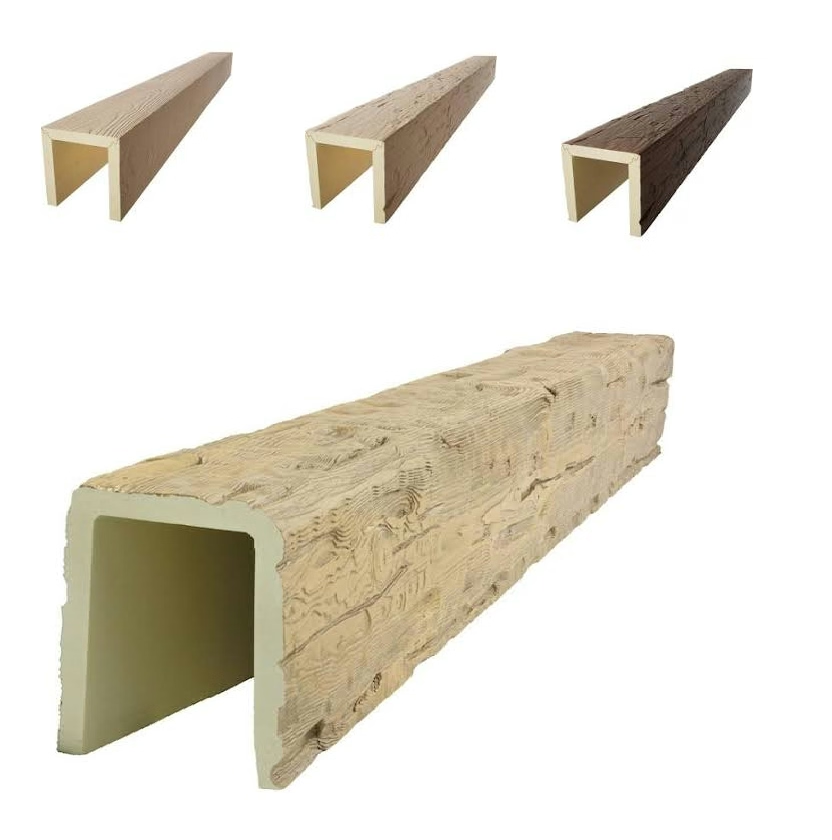
The homeowner had negotiated hard for exposed timber ceiling in their mountain retreat renovation. Structural engineers delivered unwelcome news: the existing floor platform could not support the weight of traditional timber beams. Their architect proposed a solution that seemed almost too good: deep embossed wood grain PU beams that would look identical from below while weighing a fraction of the original specification. Three years later, guests still cannot believe the beams aren't real.
This scenario plays out increasingly often as awareness grows about what modern manufacturing achieves in faux wood products. The term "faux" no longer carries the dismissive connotation it once did. Advanced deep embossing technology creates surface textures so detailed that grain structure, pore patterns, and natural variations reproduce authentically—catching light and shadows just as genuine timber does.
How Deep Embossing Creates Authentic Texture
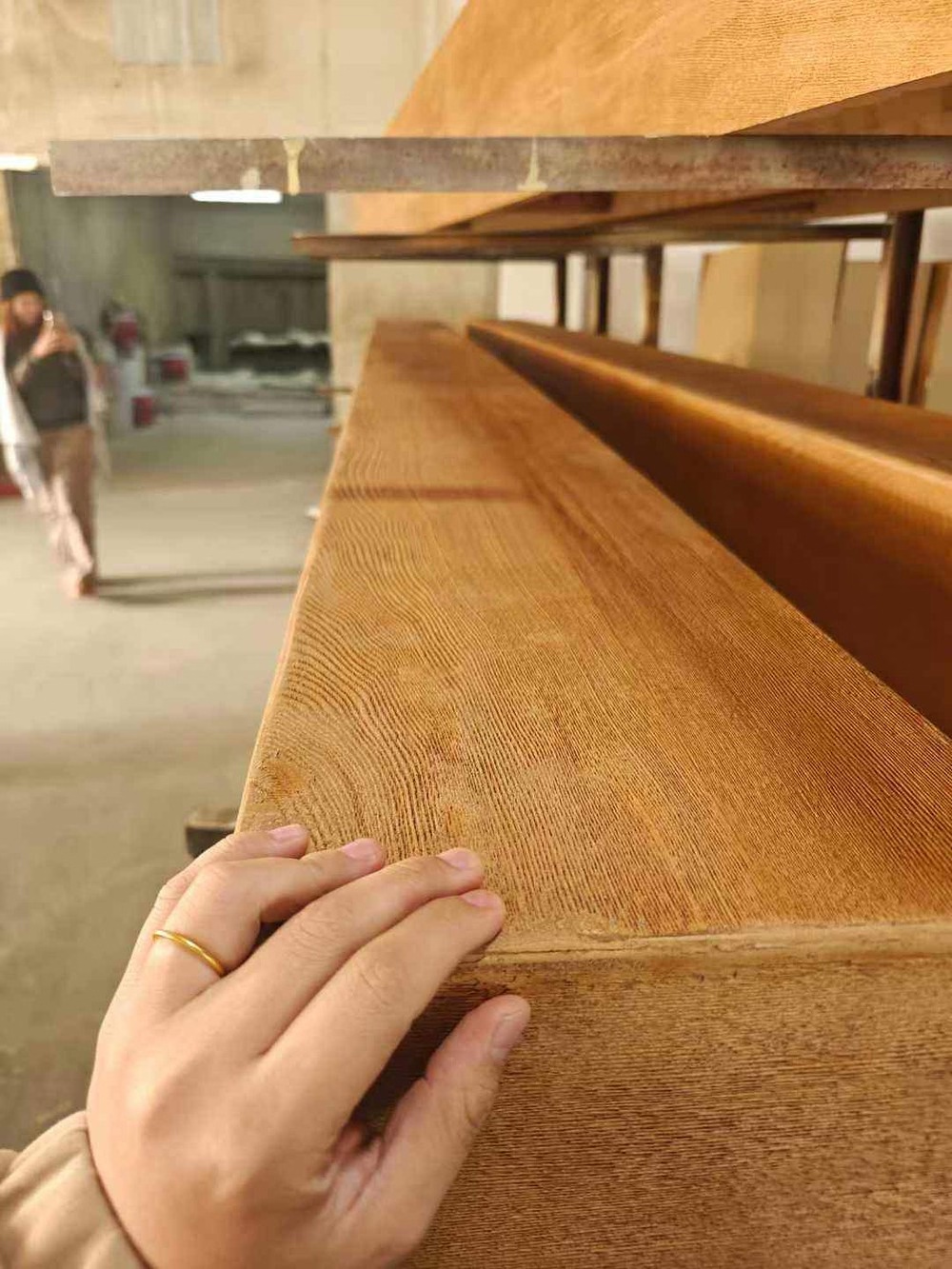
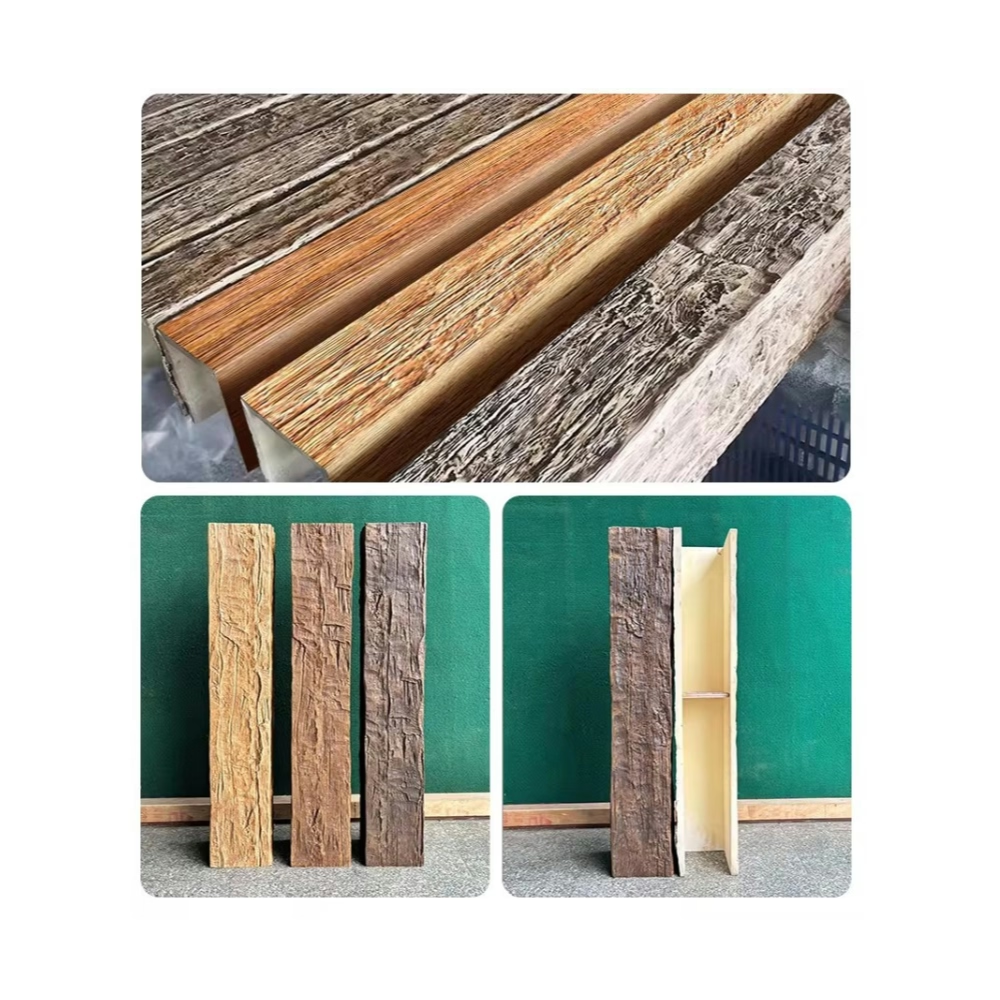
Natural wood reveals its structure through visual texture that changes with viewing angle and lighting conditions. Light falling across grain valleys creates shadow that emphasizes depth; side lighting reveals the height differential between earlywood and latewood bands. Capturing this dimensional authenticity requires more than photographic reproduction.
Deep embossing addresses this challenge by physically forming the polyurethane surface to match wood topography. Steel模具 (molds) machined from genuine wood samples contain the complete topographic data of the original surface. When liquid PU compound fills these molds under controlled pressure and temperature, it replicates every depression and elevation before curing into solid form.
The resulting texture isn't painted-on appearance—it's structural reproduction of natural wood surface. Embossed beams contain grain valleys and peaks that influence light reflection the same way as real wood. When cleaning crews dust beams or visitors brush against them, the tactile sensation confirms wood authenticity even when visual evidence might otherwise be questioned.
Polyurethane Material Advantages
The choice of polyurethane as the beam substrate reflects deliberate engineering rather than cost-driven compromise. PU offers a combination of properties unavailable in natural wood or other synthetic alternatives:
Density ranges from 200 to 400 kg/m³ depending on structural requirements. This provides meaningful substance without the weight penalty of natural timber. An 8-foot beam that might weigh 100 pounds in solid oak weighs under 15 pounds in high-density PU.
Dimensional stability eliminates the seasonal movement that creates gaps, checks, and joint separation in natural wood. PU neither absorbs atmospheric moisture nor releases it, maintaining consistent dimensions regardless of humidity conditions. This stability proves particularly valuable in kitchens, bathrooms, and climate-controlled spaces.
Moisture resistance prevents the rot, mold, and swelling that compromise natural wood in damp environments. PU also resists insect attack without chemical treatment, eliminating pest control concerns that accompany timber construction in many regions.
Chemical resistance protects against common construction and cleaning materials that might damage natural wood surfaces. Spills wipe clean without staining or finish degradation.
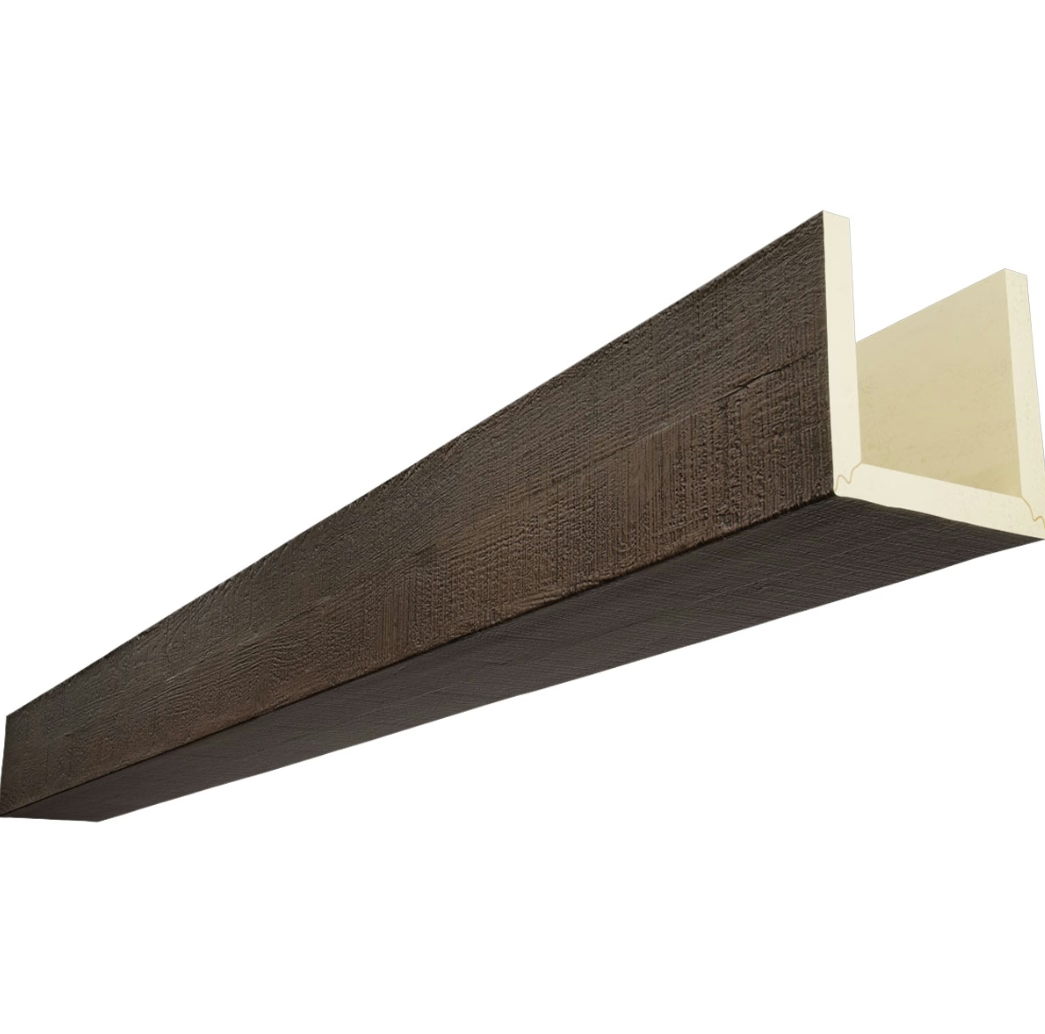
Ultra Realistic Effects Through Multi-Stage Finishing
Texture alone cannot create convincing wood appearance—color treatment completes the illusion. Quality finishing involves multiple stages that build depth and authenticity:
Base coating establishes fundamental hue while sealing the PU substrate. This coat fills any remaining surface imperfections and provides uniform substrate for subsequent layers.
Tonal finishing applies color in varied layers that respect topographic texture. Valleys receive slightly darker treatment; peaks lighten appropriately. This tonal variation creates the visual depth that distinguishes authentic wood from flat-painted imitations.
Glaze applications introduce additional color complexity by pooling in embossed depressions. Natural wood accumulates color variations through aging and use; glaze simulates this patina by concentrating in grain valleys where dust and handling naturally darken surfaces.
Protective topcoats seal the color layers while maintaining authentic appearance. These coatings resist scratching, UV degradation, and environmental exposure. Quality topcoats remain clear without yellowing or clouding over extended service.

Species Appearance Options
The mold library determines available wood species appearances. Comprehensive manufacturers maintain dozens of species options spanning domestic classics through exotic specialty timbers:
Oak remains among the most popular choices, available in both red and white varieties with appropriate grain characteristics. The pronounced ray fleck of quartersawn oak presents particular embossing challenges that quality manufacturers address through refined mold technology.
Maple offers subtle grain character that embossing must reproduce delicately. Over-aggressive texture would make maple appear coarser than reality; refined embossing preserves the species' refined elegance.
Cherry develops rich reddish-brown color as it ages. Embossed versions capture the fine grain and occasional swirls that distinguish cherry from plainer alternatives.
Hickory and ash represent bold grain character suitable for rustic design schemes. The dramatic color contrast between earlywood and latewood in these species creates striking appearance when properly embossed and finished.
Exotic species including African mahogany, padauk, and bloodwood offer distinctive appearances for projects seeking unique character. These specialty options command premium pricing but expand design possibilities considerably.
Application Environments
Deep embossed wood grain PU beams serve applications across the building spectrum:
Residential ceilings benefit from aesthetic upgrade with practical installation advantages. Weight limitations in upstairs rooms, second-floor condos, and retrofit applications present no barrier. The range of available appearances suits every residential style from contemporary minimalist to traditional farmhouse.
Hospitality projects including hotels, restaurants, and resorts specify these beams extensively. Consistency across multiple installations supports brand standards; durability handles high-traffic conditions; aesthetics impress guests seeking distinctive environments.
Commercial retail spaces utilize beams to create memorable shopping experiences. The ability to achieve timber aesthetics in spaces where structural timber would be impractical expands design possibilities dramatically.
Exterior applications require careful product selection. Not all beams suit outdoor exposure—verify UV resistance ratings and weatherability specifications before specifying for uncovered exterior installations. Those rated for exterior use handle covered porch ceilings, patio structures, and similar protected exterior applications.
Installation Techniques
Professional installation produces results worthy of the products' appearance potential. Key techniques include:
Surface preparation ensures reliable adhesion and lasting results. Mounting surfaces must be clean, dry, and free from loose material. Existing finishes should be tested for adhesion compatibility with planned attachment methods.
Mechanical mounting handles structural requirements and significant spans. Steel channels bolted to building structure support beam weight safely. The decorative beam then attaches to these channels, concealing the functional support while presenting wood appearance.
Adhesive mounting suits purely decorative applications on sound substrates. Construction adhesive rated for the specific materials and environmental conditions provides reliable bonding. Surface contact must be complete for adhesive systems to perform properly.
Joint treatment requires careful attention where beams meet. Quality manufacturers provide matching end caps and return pieces that simplify corner and termination details. Hand-finishing techniques blend visible joints when factory pieces aren't available.
Maintaining Appearance Over Time
The low-maintenance nature of deep embossed PU beams represents significant practical advantage over natural wood alternatives:
Regular dusting with soft brushes or vacuum upholstery attachments prevents particle accumulation in grain valleys. This routine maintenance preserves authentic appearance by preventing buildup that would mask intended texture.
Periodic cleaning with mild soap solutions addresses accumulated soil in high-exposure installations. Soft cloths applied with gentle wiping motion follow grain direction, avoiding aggressive scrubbing that might damage protective coatings.
Touch-up capability exists for finish damage that does occur. Manufacturers typically offer matching repair kits for addressing scratches, chips, or impact damage. These kits enable field repairs without complete beam replacement.
The durability of UV-stable finishes resists the fading that would compromise appearance over years of service. Quality products carry documented UV resistance specifications that predict appearance retention under typical exposure conditions.
Economic Considerations
Total installed cost comparisons often favor deep embossed PU beams despite higher per-unit pricing. Factors favoring PU include:
Reduced structural requirements eliminate engineering costs for load calculations and potentially reduced structural member sizing when heavy timber isn't specified.
Installation labor decreases when two workers can handle beams that would require four plus mechanical assistance for natural timber.
Maintenance expenses virtually disappear compared to natural wood's periodic refinishing, pest control, and repair requirements.
Replacement costs avoid the frequency associated with natural wood that degrades over time. Quality PU beams maintain appearance through multiple renovation cycles.
These factors combine differently across project types. Detailed lifecycle cost analysis should inform specification decisions rather than initial price comparison alone.
Quality Indicators
Discriminating buyers evaluate several indicators when selecting deep embossed wood grain PU beams:
Texture depth measurement provides objective quality assessment. Quality beams exhibit minimum 2mm embossing depth in grain valleys, with deeper definition in coarsely textured species.
Finish adhesion testing should demonstrate no peeling or delamination under reasonable stress. Ask suppliers about testing protocols and results.
Warranty terms indicate manufacturer confidence. Multi-year warranties against defects suggest belief in product durability. Terms limited to short periods or narrowly defined defects may signal concerns.
Sample evaluation under actual installation conditions prevents disappointment. Request physical samples for evaluation before committing to significant purchases.
The market for deep embossed wood grain PU beams continues expanding as more designers and project managers discover the practical advantages these products deliver. Authentic appearance, installation flexibility, and long-term durability create value propositions that resonate across residential and commercial applications. The next specification may be the introduction to technology that changes how projects approach wood aesthetics.
Technical References
ASTM standards cited in every specification
Test Data
Lab results from internal testing program
Updated 2026
Reviewed against current product specs