Comparing Two Materials with Different Strengths
Polyurethane faux beams and solid wood beams both serve as visible architectural elements that define residential and commercial spaces. Yet they arrive at this shared role through completely different material properties, cost structures, and performance characteristics. Understanding these differences enables specification decisions that align material choice with project priorities.
The comparison involves several dimensions. Initial material cost, installation expense, ongoing maintenance, expected service life, environmental resilience, and aesthetic flexibility all factor into the final analysis. No single material wins across every dimension. Each option has situations where it performs best.

Material Composition Differences
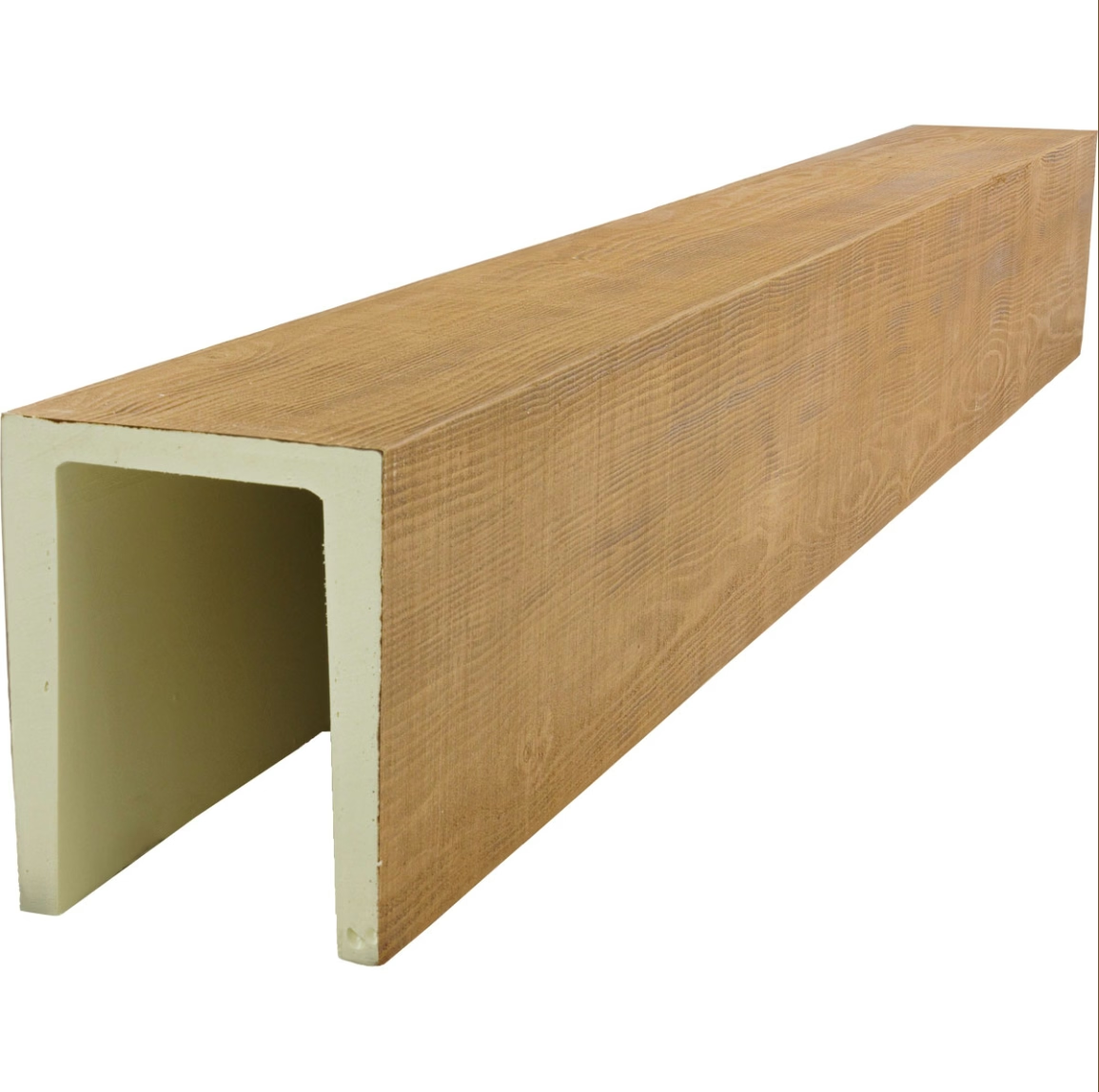
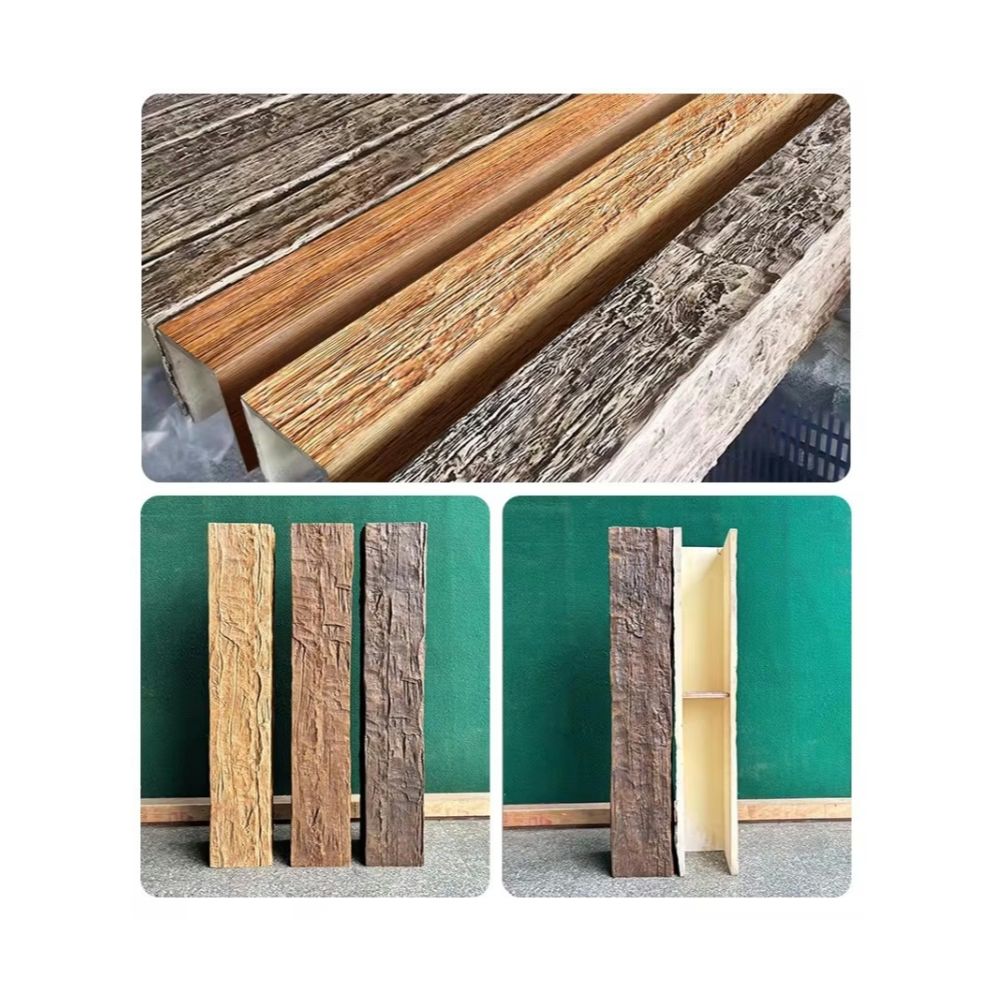
Polyurethane faux beams consist of high-density polyurethane resin, typically with additives that improve UV resistance, fire performance, and surface durability. The material is closed-cell foam with a density significantly lower than natural wood. This composition gives polyurethane beams their characteristic light weight and resistance to moisture, insects, and decay.
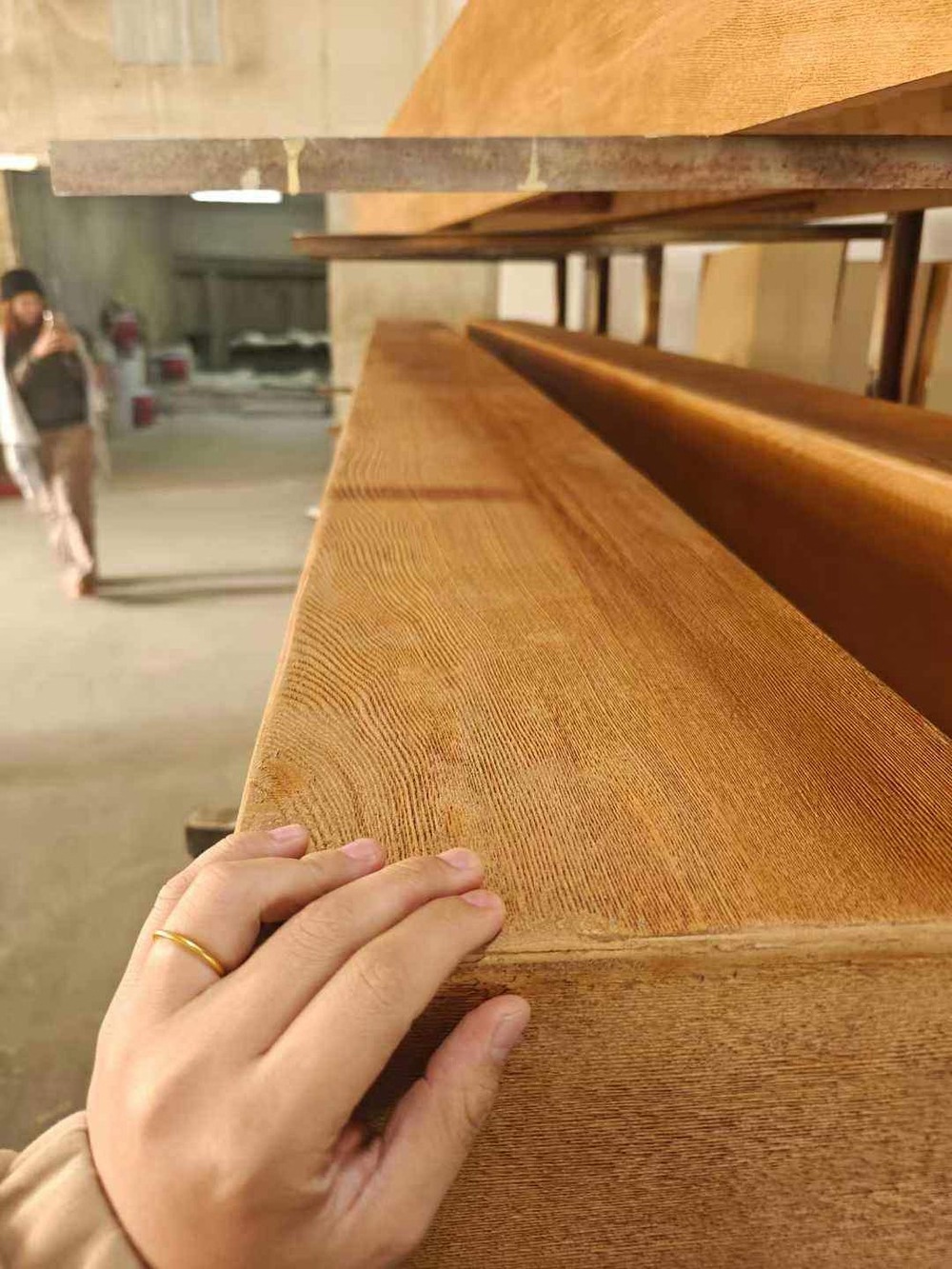
Solid wood beams consist of milled lumber from various tree species. The wood is typically dried, sometimes treated, and shaped to final dimensions. Wood is a natural cellular material with grain patterns, knots, and color variation that polyurethane manufacturing attempts to replicate. Solid wood's organic composition gives it authentic character but also makes it vulnerable to environmental factors.
Manufacturing Process Comparison
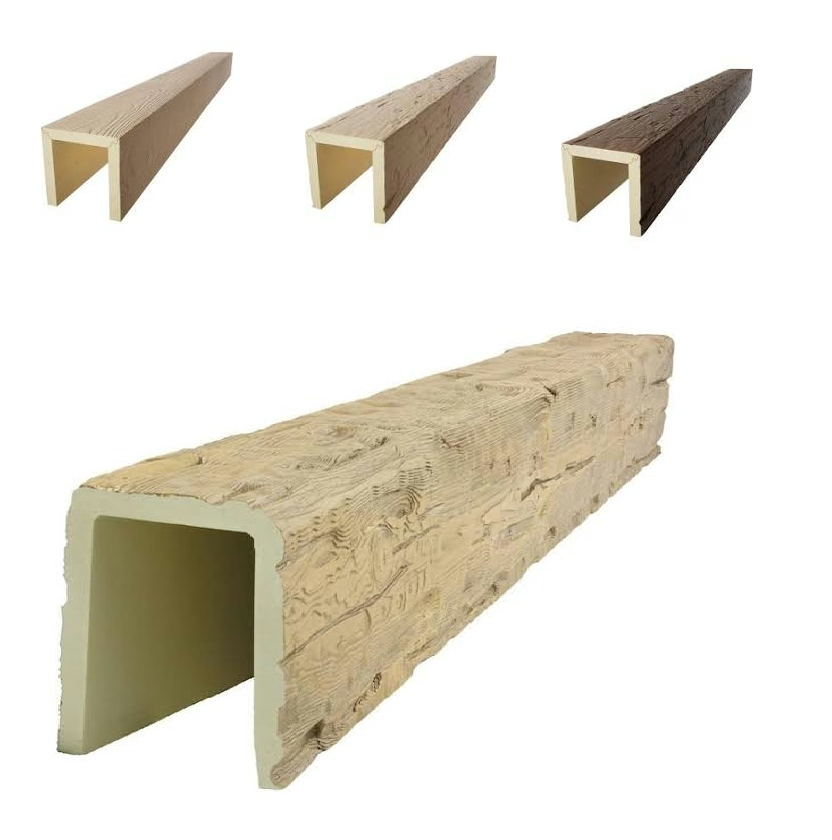
Polyurethane beams are produced through molding processes. Liquid resin is poured into molds that carry wood grain patterns, then cured under controlled conditions. The resulting beams receive surface treatments and color finishes. Manufacturing consistency across multiple beams from the same mold is very high.
Solid wood beams are produced through milling processes. Trees are harvested, cut to dimension, dried, and shaped. Each beam retains the characteristics of its source tree, including natural variation in grain, color, and figure. Manufacturing consistency depends on lumber grading standards and selection processes.
Durability Performance Analysis
Durability encompasses resistance to physical damage, environmental exposure, and biological degradation over time.
Resistance to Physical Damage
Polyurethane beams resist impact damage better than softwood species but may show dents from sharp or heavy objects. The closed-cell structure absorbs impacts without cracking in most cases. Surface finishes can be touched up or recoated if damaged.
Solid wood beams offer excellent resistance to blunt impacts but can dent, scratch, or split depending on species. Hardwoods like oak and maple resist damage better than softwoods like pine. Repairs to wood beams require wood-specific techniques and materials.
Moisture and Rot Resistance
Polyurethane beams are essentially impervious to moisture. The closed-cell structure does not absorb water, preventing rot, warping, and swelling that affect natural wood. This property makes polyurethane beams suitable for high-humidity environments where wood would fail.
Solid wood beams absorb moisture from humid environments, leading to swelling, cupping, and eventual rot if moisture exposure continues. Properly maintained wood beams in dry environments can last centuries, but moisture problems dramatically shorten service life.
Insect and Pest Vulnerability
Polyurethane material does not provide nutrition for wood-boring insects. Termites, carpenter ants, and powderpost beetles cannot establish colonies in polyurethane beams. This eliminates a significant source of degradation that affects wood beams in many regions.
Solid wood beams are vulnerable to insect attack, particularly in warm, humid climates. Preventive treatment helps but cannot eliminate risk entirely. Active infestations require professional remediation and can compromise structural integrity.
UV and Color Stability
Polyurethane beam finishes can fade when exposed to direct sunlight over time, particularly darker colors. UV-resistant topcoats extend color stability significantly. Surface oxidation may occur with extended exposure but does not compromise material integrity.
Solid wood beams change color as they age, typically darkening or developing patina. UV exposure accelerates these changes. Some species show characteristic aging that many consider desirable. Others may bleach or weather unevenly.
Fire Performance
Polyurethane beams carry fire ratings that vary by formulation. Standard polyurethane is combustible, but fire-retardant treatments achieve Class A or Class B ratings. Smoke generation and flame spread characteristics can be controlled through additive packages.
Solid wood beams generally perform well in fire situations, charring rather than melting or releasing toxic gases. Heavy timber construction actually provides fire resistance through its mass. However, wood beams do burn, and fire codes restrict their use in some applications.
Cost Analysis Across Project Lifecycle
Total cost of ownership extends well beyond initial material and installation expenses.
Initial Material Costs
Polyurethane faux beams typically cost 30 to 60 percent less than comparable solid wood beams, depending on species, size, and finish specifications. Larger and longer beams show greater savings. Custom finishes and colors add to base pricing on both materials.
Solid wood beams carry premium pricing driven by lumber costs, which fluctuate with forest management policies, transportation costs, and market demand. Reclaimed wood commands particularly high prices due to limited supply and labor-intensive preparation.
Installation Labor Costs
Polyurethane beam installation requires less time and fewer specialized skills than solid wood installation. The lightweight material eliminates the need for mechanical lifting equipment in most cases. Two installers can typically handle beams that would require four or more workers for solid wood equivalents.
Solid wood beam installation often requires structural engineering consultation, mechanical lifting for larger pieces, and skilled carpenters experienced with heavy timber construction. Installation labor costs frequently exceed material costs for premium solid wood beam projects.
Long-Term Maintenance Expenses
Polyurethane beams require minimal ongoing maintenance. Occasional cleaning and inspection of mounting points represent the primary recurring tasks. No sealing, staining, or refinishing is required. Service life typically extends beyond twenty years without significant maintenance investments.
Solid wood beams require periodic maintenance to preserve appearance and structural integrity. Staining or sealing every three to seven years, depending on exposure conditions. Repair of cracks, splits, or insect damage as needed. Treatment of any moisture-related issues. These maintenance costs accumulate substantially over decades of ownership.
Replacement and Repair Considerations
Polyurethane beams that suffer severe damage typically require complete replacement of the affected section. Repairs to surface finishes are possible, but structural damage to the polyurethane core usually means full replacement. Replacement costs are modest given the original material economics.
Solid wood beam repairs can address localized damage through wood-specific techniques. Replacement of individual beams is possible but more expensive than the original installation due to demolition and disposal costs. Damaged sections can sometimes be cut out and replaced rather than removing entire beams.
When Each Material Choice Makes Sense
Material selection depends on project priorities, budget constraints, and performance requirements.
Polyurethane Faux Beam Scenarios
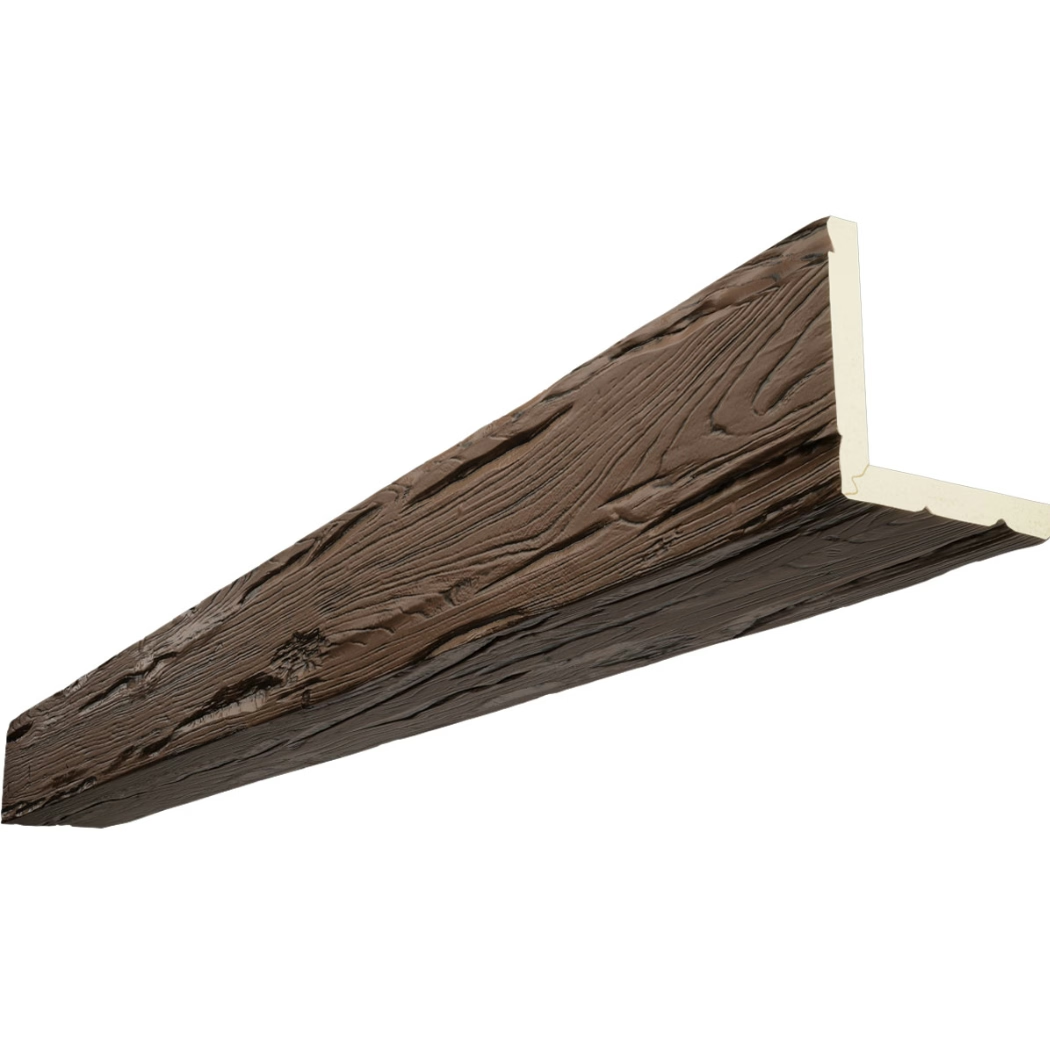
Polyurethane beams work best in applications where moisture resistance, light weight, low maintenance, and cost efficiency matter most. High-humidity environments including bathrooms, kitchens, pool enclosures, and coastal properties benefit from polyurethane's moisture immunity. Commercial projects with tight budgets achieve beam aesthetics at lower cost. Properties in termite-prone regions avoid infestation risks. Vacation properties and rental units minimize ongoing maintenance requirements.
Solid Wood Beam Scenarios
Solid wood beams make sense when authentic material character, structural capacity, or specific aesthetic requirements dominate project priorities. Historic restorations often require authentic wood to match original construction. Heavy timber structural applications need solid wood's load-bearing capacity. Projects where the beam itself becomes a craft showcase benefit from genuine material. Properties with stable interior environments and owners willing to perform maintenance gain value from solid wood's longevity.
Hybrid Approaches in Modern Projects
Some projects combine both materials strategically. Structural requirements might call for solid wood where beams carry actual loads, while decorative applications use polyurethane. Renovation projects might retain original solid wood structural beams and add polyurethane decorative beams in adjacent spaces. The hybrid approach optimizes both materials for their respective strengths.
Design Continuity Across Materials
When combining materials, careful attention to finish matching keeps the installation visually cohesive. Polyurethane beams manufactured to replicate the same wood species as solid wood beams provide consistent appearance. Finishes applied to both materials should match in color, sheen, and texture.
Structural Versus Decorative Distinctions
Engineers and architects often distinguish between structural beams that carry actual loads and decorative beams that serve only aesthetic purposes. Structural applications may require solid wood regardless of aesthetic preference. Decorative applications benefit from polyurethane's practical advantages without requiring its structural capacity.
Specification Recommendations for Project Planners
Successful beam specification requires balancing multiple factors against project priorities.
Establishing Project Priorities
Identify the most important factors for each specific project. Is moisture resistance critical? Is authentic material character essential? Are budget constraints dominant? Will maintenance requirements strain the owner's capacity? These priority determinations guide material selection more effectively than universal rules.
Consulting With Professionals
Engage architects, designers, or contractors experienced with both materials when project requirements are complex. Professional input helps identify situations where one material clearly outperforms the other and situations where either option serves adequately.
Considering Long-Term Project Context
Evaluate material selection within the broader project context. A primary residence owned for decades differs from a commercial property with five-year investment horizons. Climate conditions, occupancy patterns, and maintenance capacity all affect which material serves better over time.
Technical References
ASTM standards cited in every specification
Test Data
Lab results from internal testing program
Updated 2026
Reviewed against current product specs