Two Materials, Multiple Decision Factors
Specifiers weighing polyurethane faux beams against real wood beams face a multidimensional decision that goes well beyond simple cost comparison. Each material offers distinct advantages and limitations across durability, aesthetics, installation, and lifecycle considerations. Understanding how these factors interact enables specification choices that serve projects well over their full lifespan.
The decision rarely comes down to identifying a universal winner. Instead, it involves matching material properties to specific project requirements. A coastal vacation property has different priorities than a historic restoration. A commercial lobby has different needs than a residential basement. The material that excels in one context may underperform in another.

Defining the Comparison Framework
This comparison evaluates both materials across five primary dimensions. Durability addresses physical resilience and longevity under various conditions. Cost encompasses initial investment, installation expense, and lifetime ownership economics. Installation considers practical mounting requirements and labor needs. Maintenance evaluates ongoing care obligations. Aesthetics examines visual fidelity and design flexibility.
Each dimension receives equal analytical attention, though individual projects may weight certain dimensions more heavily than others. The framework helps clarify which material serves better in specific situations.
Durability Analysis Across Performance Categories
Real wood and polyurethane respond very differently to environmental stresses and physical demands.
Structural Load Capacity
Real wood beams, particularly heavy timber sections, can carry substantial structural loads. Oak, Douglas fir, and similar species support significant weight when properly sized and installed. Structural engineers specify solid wood for applications where beams must support floors, roofs, or other building elements.
Polyurethane faux beams carry their own weight and contribute minimally to structural capacity. They serve as decorative elements covering or replacing structural members rather than functioning as primary structural components. Engineers typically specify separate structural support for any loads beyond the beam itself.
Moisture Resistance Properties
Polyurethane beams are essentially waterproof. The closed-cell foam structure prevents moisture absorption that would cause swelling, warping, or rot. This property makes polyurethane suitable for environments where wood would deteriorate, including bathrooms, kitchens, pool areas, and outdoor applications with proper sealing.
Real wood beams absorb and release moisture with humidity changes. This movement causes dimensional changes, surface checking, and eventual decay if moisture exposure continues. Properly sealed and maintained wood performs well in stable interior environments but fails in high-moisture conditions.
Temperature Stability
Both materials handle typical interior temperature variations without issue. Polyurethane maintains dimensional stability across temperature ranges that would cause wood to expand and contract. Wood movement can stress finishes, open joints, and cause cracking over years of thermal cycling.
Insect Resistance
Polyurethane material provides no nutrition for wood-boring insects. Termites, carpenter bees, and powderpost beetles cannot establish in polyurethane beams. This resistance eliminates significant maintenance and repair concerns in regions where these pests threaten wood construction.
Real wood beams in termite-prone regions require preventive treatment and ongoing monitoring. Even treated wood can fail under sustained insect pressure. Infestations compromise structural integrity and require expensive remediation.
UV Resistance and Color Stability
Polyurethane beam finishes degrade under prolonged UV exposure, particularly dark colors that absorb more radiation. Quality manufacturers add UV inhibitors that extend color stability significantly. Even with protection, exterior polyurethane applications may show gradual color shifts over years of sun exposure.
Real wood develops patina through UV exposure and oxidation. Some species develop attractive aged appearance, while others weather unevenly or bleach in direct sunlight. UV protection through stains and sealants helps but requires periodic reapplication.
Impact and Surface Damage Resistance
Polyurethane surfaces resist most common impacts but can dent from sharp or concentrated forces. The closed-cell structure absorbs impacts that might split or crack wood. Surface repairs using manufacturer-supplied materials restore appearance without specialized techniques.
Real wood surfaces dent, scratch, and split under various impact conditions. Hardwood species resist damage better than softwoods. Repairs to wood require wood-specific skills including filling, sanding, and refinishing to match surrounding surfaces.
Cost Structure Breakdown
The financial comparison involves multiple cost categories that combine into total ownership expense.
Material Cost Per Linear Foot
Polyurethane faux beams typically range from moderate to moderately high pricing per linear foot, depending on size, finish, and customization. Standard sizes with stock finishes represent the most economical option. Custom finishes and larger dimensions increase pricing.
Real wood beams command premium pricing driven by species, grade, and provenance. Standard dimensional lumber costs less than heavy timber. Reclaimed wood commands the highest prices due to limited supply and preparation requirements. Specialty species and figured grain patterns multiply costs further.
Installation Labor Costs
Polyurethane beam installation involves straightforward carpentry techniques. Lightweight materials eliminate the need for mechanical lifting equipment in most cases. Standard mounting hardware and basic structural attachment work for typical applications. Two-person crews handle most installations efficiently.
Real wood beam installation frequently requires specialized skills and equipment. Heavy timber sections need mechanical lifting. Structural connections often involve engineered fasteners or traditional joinery requiring skilled carpenters. Installation crews for solid wood beams typically include more workers and specialized equipment operators.
Structural Support Requirements
Polyurethane decorative beams may require minimal structural support beyond mounting brackets, since they carry only their own weight. Installation against existing structural elements or framed blocking provides adequate support for most applications.
Real wood beams used as decorative elements still require proper structural support, especially for longer spans or heavier sections. Hidden structural framing, steel supports, or engineered connections may be necessary even when the wood beam itself is non-structural.
Finishing Costs
Polyurethane beams typically arrive pre-finished from the manufacturer. On-site finishing is rarely required except for touch-ups or accent colors. Finishing costs are usually included in the material price.
Real wood beams often require significant on-site finishing. Sanding, staining, and sealing add substantial labor costs. Multi-step finishing processes for premium appearances extend project timelines. Some pre-finished options exist but cost more than raw lumber.
Lifetime Maintenance Investment
Polyurethane beam maintenance costs remain low throughout the product lifecycle. Cleaning supplies and occasional touch-up materials represent the primary ongoing expenses. No periodic refinishing or sealing is required.
Real wood beam maintenance accumulates substantially over decades. Staining or sealing every few years, repair of any damage, treatment of moisture or insect issues, and eventual refinishing all add to lifetime costs. These expenses can exceed initial material costs over twenty to thirty years of ownership.
Practical Installation Considerations
Installation requirements and constraints differ between the two materials in several ways.
Site Handling and Logistics
Polyurethane beams are light enough for easy manual handling. Standard ladders and basic scaffolding suffice for most ceiling installations. Delivery and site storage involve standard construction material handling.
Real wood beams, particularly heavy timber sections, often require crane or forklift assistance. Site access must accommodate large vehicles and equipment. Storage during construction requires appropriate space and support.
Cutting and Modification
Polyurethane cuts cleanly with standard woodworking tools. Carbide-tipped blades produce the best results. Modifications to length, angle, or opening creation work straightforwardly. Hiding cuts and modifications requires matching finish application.
Real wood cutting requires appropriate tools for the species and section size. Heavy timber may need chainsaws or specialized saws. Modifications to existing beams require matching wood and skilled carpentry to maintain appearance and structural integrity.
Mounting Hardware Selection
Polyurethane beams work with various mounting systems including direct screw attachment, hidden bracket systems, and suspended cable mounts. The lightweight material puts minimal stress on mounting hardware.
Real wood beams require robust mounting hardware appropriate for the weight involved. Engineered connectors, through-bolts, or traditional joinery provide necessary attachment. Hardware selection often requires structural engineering input.
Project Timeline Impact
Polyurethane beam installation typically proceeds quickly. Standard preparation, mounting, and finishing take days rather than weeks. Project timelines benefit from predictable installation durations.
Real wood beam installation can extend project timelines substantially. Material sourcing, on-site finishing, and structural support construction add time. Specialty timber projects may require weeks or months for completion.
Aesthetic Considerations and Design Flexibility
Both materials offer distinct aesthetic advantages.
Visual Authenticity
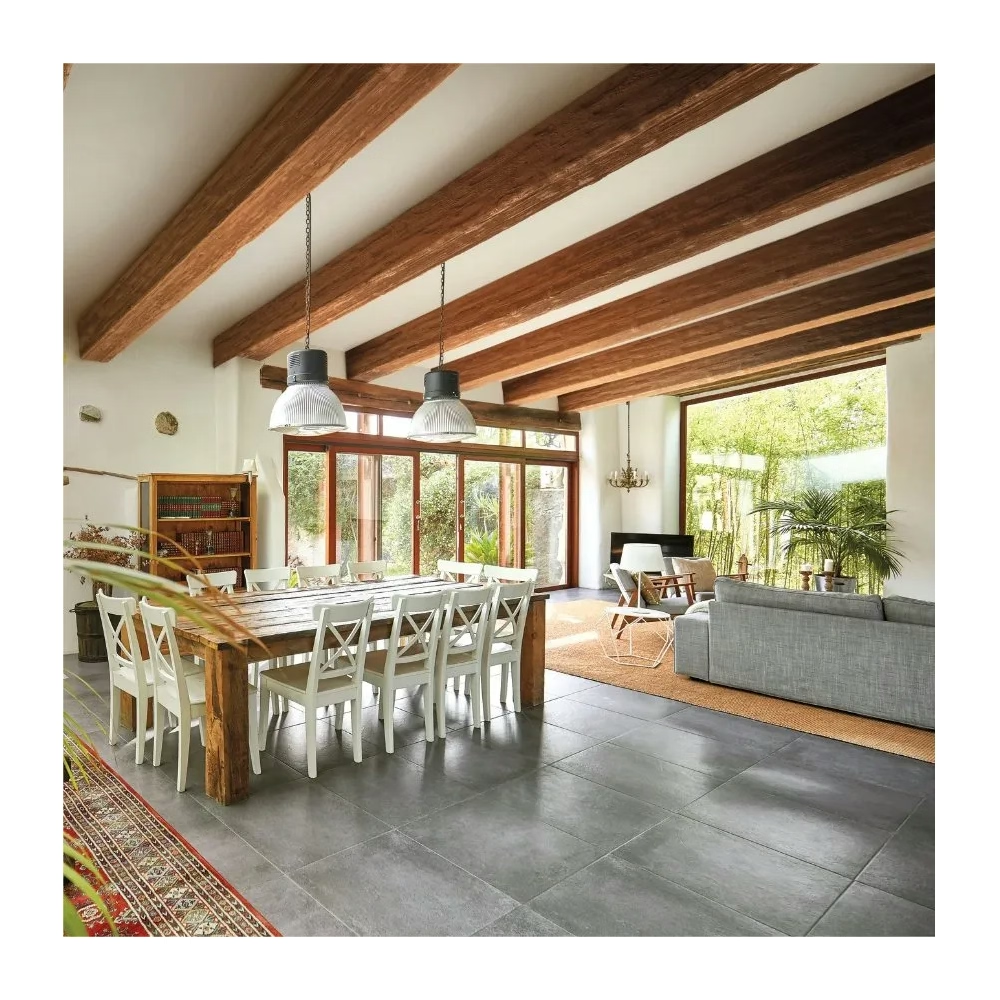
Real wood provides authentic material character that cannot be perfectly replicated. Grain patterns, color variation, and aging all read as genuine. Many designers and homeowners value this authenticity particularly for high-visibility applications.
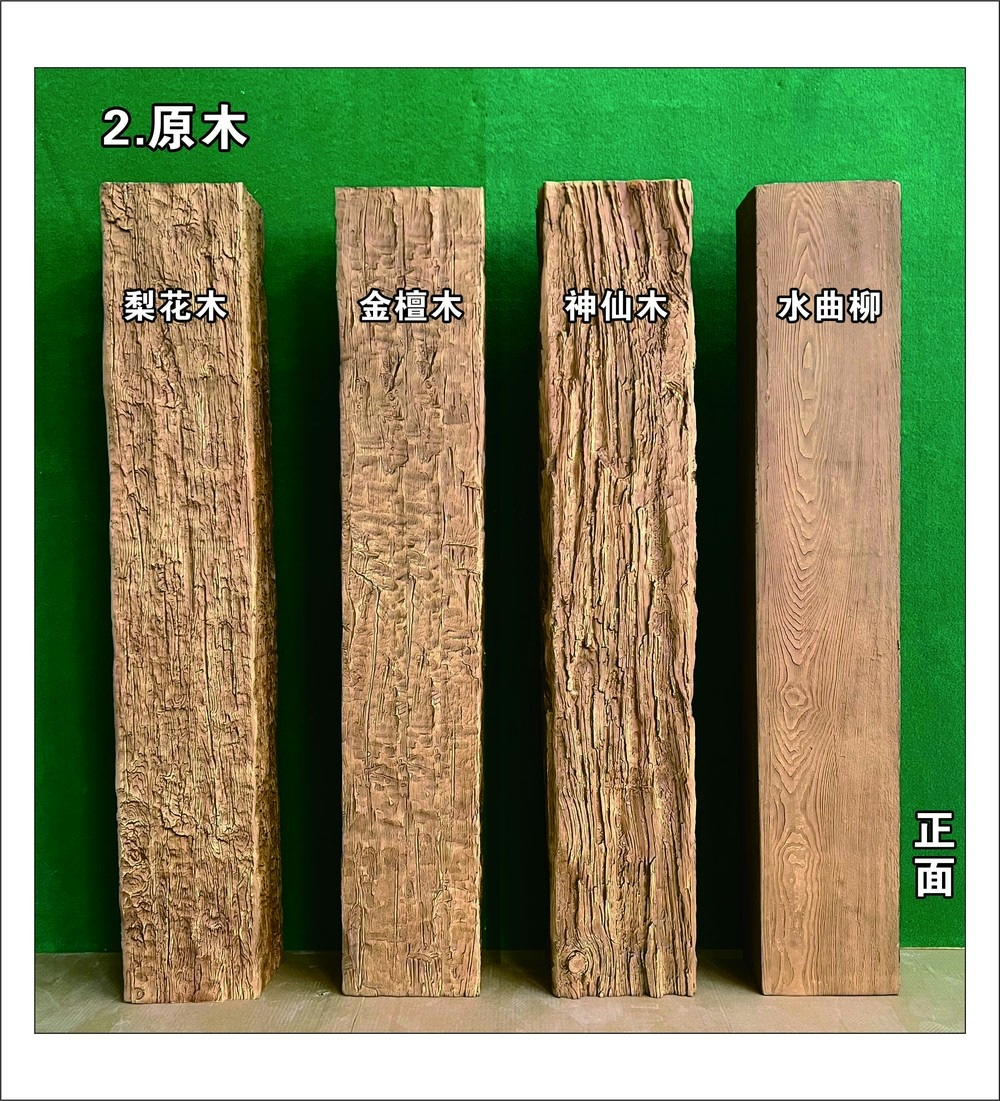
Polyurethane has advanced significantly in visual quality. Modern manufacturing produces highly convincing wood appearances, especially at normal viewing distances. Close inspection may reveal the manufactured origin, but most observers cannot distinguish quality polyurethane from real wood in installed applications.
Design Flexibility
Polyurethane accommodates extensive customization. Shapes, sizes, finishes, and colors all adapt to specific project requirements. Custom molds and finishes enable unique beam designs. Production consistency ensures multiple beams match perfectly.
Real wood offers natural variation that many consider desirable. Each beam carries unique character. However, matching multiple beams requires careful selection from larger lumber supplies. Custom shapes require skilled millwork and add substantial cost.
Aging and Patina
Real wood develops attractive aging characteristics over decades. Patina, color shifts, and surface texture changes contribute to the material's living quality. Some applications specifically seek aged wood appearance.
Polyurethane maintains consistent appearance throughout its service life. It does not develop patina or aged character. This stability appeals to projects requiring consistent appearance over time but disappoints those seeking natural aging effects.
Decision Framework for Project Planners
Material selection benefits from systematic evaluation against project priorities.
Priority Weighting Exercise
Identify the most important factors for the specific project. Rank durability, cost, aesthetics, maintenance, and installation requirements by importance. The material that performs best on the highest-priority dimensions typically serves best overall.
Climate and Environment Assessment
Evaluate the installation environment carefully. Coastal, tropical, arid, and temperate climates present different challenges. High-humidity environments favor polyurethane. Stable interior environments in any climate support both materials.
Budget Reality Check
Establish realistic budget parameters including both initial costs and projected lifetime expenses. Compare total ownership costs over expected project lifespans. Sometimes higher initial investment in real wood pays back through longevity, while other situations favor polyurethane's lower lifetime costs.
Long-Term Ownership Plans
Consider how long the project owner expects to maintain the installation. Short-term ownership favors lower initial cost. Long-term ownership may favor materials that age well and require minimal maintenance. Investment property considerations differ from personal residence priorities.
Technical References
ASTM standards cited in every specification
Test Data
Lab results from internal testing program
Updated 2026
Reviewed against current product specs


