Premium Faux Timber Achieves Authentic Wood Aesthetics
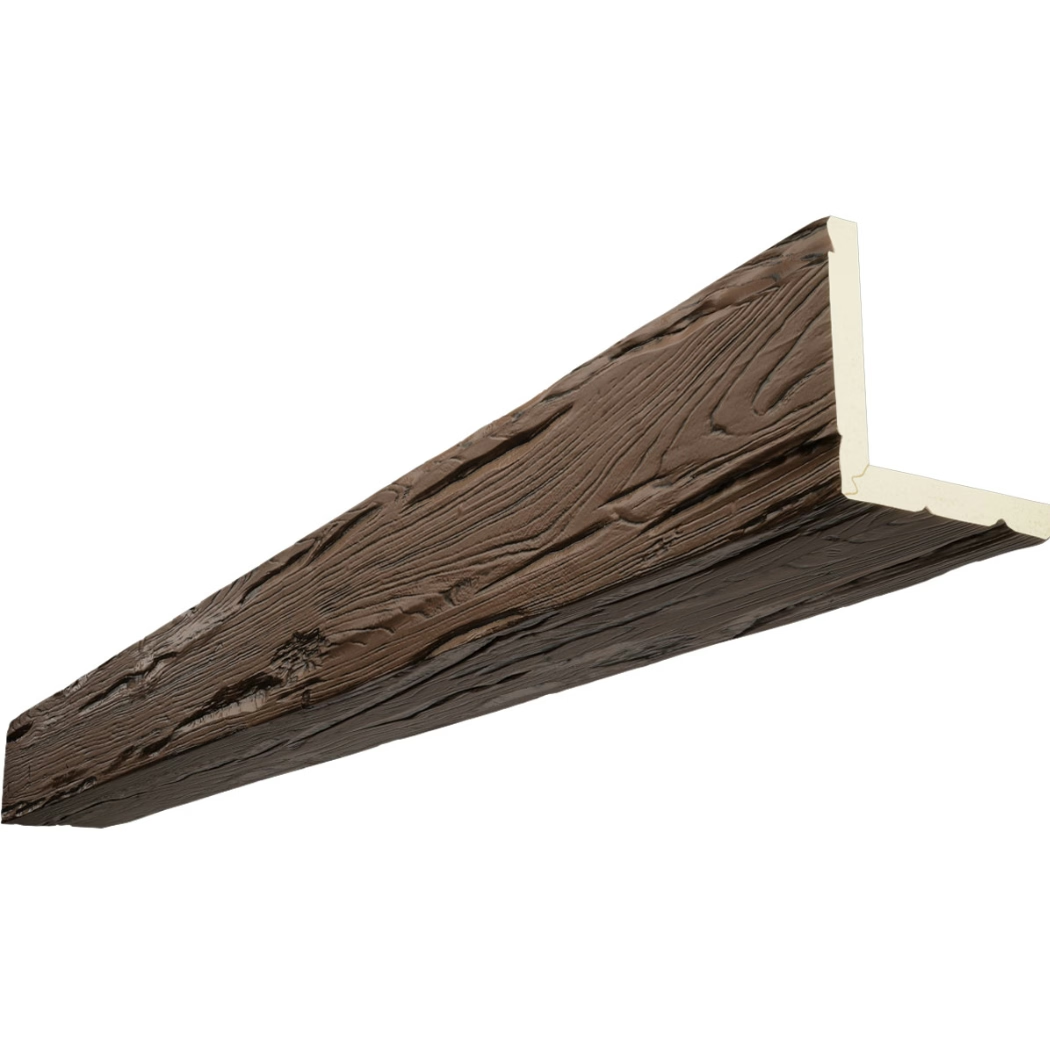
The gap between faux timber and solid wood has narrowed dramatically. Modern manufacturing produces polyurethane faux timber beams that replicate the appearance, texture, and visual weight of premium solid wood with remarkable fidelity. For many applications, these products serve as genuine replacements rather than mere substitutes.
Premium faux timber beams target the high end of the market where solid wood has historically dominated. Luxury residential projects, high-end hospitality, and executive commercial spaces now routinely specify premium faux timber instead of solid wood for practical reasons that have become increasingly compelling.

What Makes Premium Faux Timber Convincing
Several manufacturing advances contribute to the convincing appearance of premium faux timber beams:
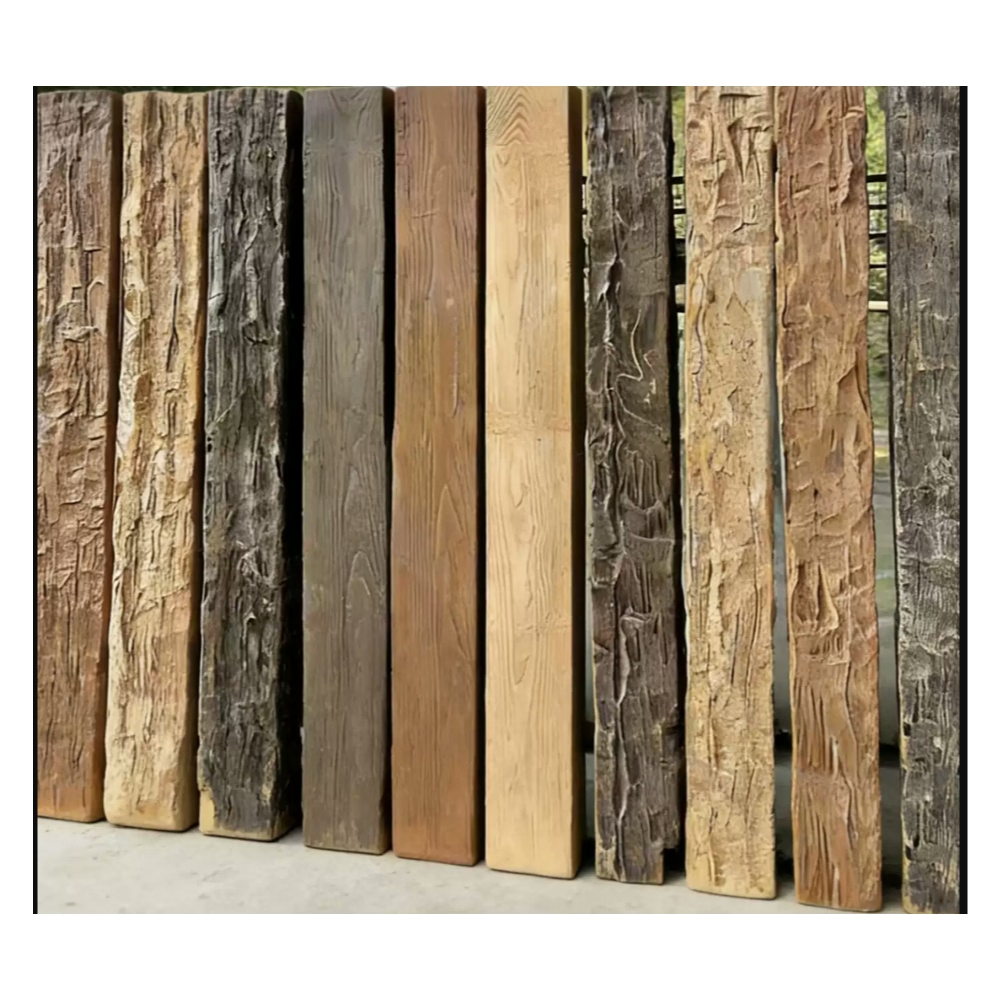
High-resolution mold capture from actual timber pieces preserves fine details including grain patterns, surface texture, tool marks, and natural irregularities. The molds capture characteristics that hand-crafted finishing cannot easily replicate.
Multi-layer finishing systems apply base coats, accent colors, and protective topcoats in sequences that simulate natural wood aging and character. These finishes develop depth and complexity matching aged solid timber.
Color formulation expertise developed through years of wood replica production enables manufacturers to match specific wood species with high accuracy. Premium products replicate species characteristics including grain patterns, color variation, and natural figuring.
Surface texture matching ensures the tactile experience aligns with visual appearance. Premium faux timber feels like wood under normal handling, contributing to overall authenticity.
Where Premium Faux Timber Excels Over Solid Wood
Several practical advantages drive the specification of premium faux timber over solid wood in demanding applications:
Dimensional stability eliminates the movement, warping, and checking that affects solid wood installations. Premium faux timber maintains its installed dimensions throughout its service life regardless of humidity variations.
Consistent appearance across multiple beams simplifies aesthetic planning. Premium faux timber manufacturers produce matched sets without the selection challenges solid wood presents.
Reduced structural requirements because lightweight polyurethane imposes minimal loads on building structures. Solid wood beams often require structural engineering and reinforcement that premium faux timber eliminates.
Lower installation costs from lighter weight, simpler mounting requirements, and reduced labor needs. Premium faux timber installation typically costs half what comparable solid wood installation requires.
Moisture immunity enables applications where solid wood would fail. Bathrooms, kitchens, pool areas, and coastal installations all benefit from moisture-resistant premium faux timber.
Visual Fidelity Considerations
Premium faux timber achieves high visual fidelity but some considerations remain for designers seeking absolute authenticity.
Viewing Distance and Context
At normal viewing distances within typical interior spaces, premium faux timber reads convincingly as solid wood. The textures, colors, and proportions all align with expectations for genuine timber installations.
Close inspection at very short distances may reveal manufacturing characteristics. Joint lines, pattern repetition in extended runs, or surface consistency that differs from natural wood variation can indicate manufactured origin to trained observers.
Pattern Repetition in Long Runs
Long beam runs may show pattern repetition where the same mold is used multiple times along the installation. Premium manufacturers address this through varied mold selections and finishing techniques that minimize repetition visibility.
For installations requiring extended runs without visible repetition, discuss options with manufacturers. Some offer mold rotation programs or finishing techniques that create variation across long installations.
Aging Characteristics
Solid wood develops patina and character over decades of aging. This aging contributes to the appeal of genuine timber installations. Premium faux timber maintains its initial appearance throughout its service life, which appeals to projects seeking consistent long-term aesthetics but disappoints those specifically seeking aged character.
Designers should consider whether the project values consistent appearance or natural aging when specifying materials. Both approaches serve valid design goals but involve different material choices.
Application Environments for Premium Faux Timber
Premium faux timber suits a wide range of demanding applications where solid wood has traditionally been specified.
Luxury Residential Projects
High-end custom homes frequently specify premium faux timber for great room ceilings, primary bedroom features, and architectural details. The combination of authentic appearance and practical performance suits luxury construction requirements.
Cost-conscious luxury builders particularly value the savings from lighter structural requirements and faster installation. These savings can be redirected to other premium features or absorbed into project margins.
High-End Hospitality
Five-star hotels, destination resorts, and exclusive restaurants use premium faux timber to create warm, characterful environments. The material performance suits demanding hospitality environments including pool areas, spa facilities, and outdoor covered spaces.
Hospitality operators particularly appreciate the reduced maintenance requirements. Premium faux timber maintains appearance with standard cleaning protocols, eliminating the periodic refinishing solid wood demands.
Executive Commercial Spaces
Corporate headquarters, executive offices, and premium conference facilities use premium faux timber to communicate quality and stability. The architectural impact reinforces brand positioning while providing practical installation benefits.
These installations often involve complex ceiling configurations where the lighter weight and easier handling of premium faux timber simplify what would be challenging with solid wood.
Retail and Showroom Environments
Flagship retail stores and brand showrooms use premium faux timber to create distinctive environments that reflect brand values. The material enables specific aesthetic goals without the constraints solid wood imposes.
Retail environments particularly benefit from the consistent appearance across multiple beams. Matching installations across changing floor plans or expanding locations becomes simpler with manufactured products.
Design Integration Strategies
Premium faux timber integrates effectively into various design approaches when specified thoughtfully.
Matching Other Wood Elements
Coordinate beam finishes with other wood elements including flooring, millwork, doors, and furniture. The manufactured consistency of premium faux timber simplifies matching across multiple elements and installation phases.
Consider whether matching should be exact or harmonious. Exact matching creates unified appearance. Harmonious matching allows slight variations that add visual interest while maintaining cohesion.
Contrasting With Surrounding Materials
Premium faux timber works effectively in contrast with non-wood materials. Concrete, steel, glass, and stone all complement wood-appearing beams. The contrast creates visual tension that adds design interest.
Contemporary designs particularly use this contrast approach. Industrial materials combined with wood-appearing beams create sophisticated environments balancing raw and refined elements.
Creating Focal Points
Premium faux timber beams serve as natural focal points in room design. The visual weight and material presence draw attention and anchor surrounding elements. Thoughtful placement maximizes this focal effect.
Consider sight lines, lighting interaction, and surrounding element placement when positioning beams. Beams work best as focal points when they relate clearly to other room elements rather than appearing isolated.
Cost Considerations for Premium Specifications
Premium faux timber commands premium pricing compared to standard products, but the economics often favor specification over solid wood.
Material Cost Comparison
Premium faux timber typically costs 40 to 70 percent less than comparable solid wood. The exact difference depends on wood species, beam dimensions, finish complexity, and quantity. Premium wood species like walnut or reclaimed timber show particularly large savings.
Installation Cost Comparison
Installation cost differences are even more dramatic than material differences. Solid wood beam installation often involves structural engineering, mechanical lifting, specialized crews, and extended timelines. Premium faux timber eliminates most of these requirements.
Total project costs including materials, installation, structural support, and finishing typically favor premium faux timber by 50 to 70 percent. The savings become substantial in projects requiring multiple beams.
Lifecycle Cost Analysis
Beyond initial installation, premium faux timber shows ongoing cost advantages. Maintenance requirements are minimal. Replacement cycles extend well beyond solid wood expectations in many environments. Insurance costs may be lower due to reduced structural loading.
Lifecycle cost analysis over twenty to thirty year periods typically shows premium faux timber as substantially less expensive than solid wood when all factors are considered. This analysis supports specification decisions based on total ownership rather than initial purchase.
Specification Best Practices
Several practices help ensure successful premium faux timber specification.
Sample Evaluation Process
Evaluate physical samples before specifying. Computer renderings and photographs cannot capture all the qualities of premium faux timber. Physical samples viewed in actual project lighting reveal true appearance.
Request samples of specific products being considered. View them in project spaces at different times of day. Compare against other materials in the design palette. This evaluation process prevents specification surprises.
Manufacturer Capability Verification
Verify manufacturer capabilities for the specific project requirements. Premium faux timber manufacturers vary in their capacity for custom work, large orders, specialty finishes, and technical support. Matching manufacturer capabilities to project requirements prevents complications.
Request documentation of manufacturer capabilities including production capacity, quality certifications, customization options, and warranty terms. This documentation supports specification decisions.
Installation Planning
Plan installation carefully even for premium faux timber. The material is lighter than solid wood but still requires appropriate handling, mounting, and finishing. Installation planning prevents problems and ensures quality results.
Engage experienced installers familiar with premium faux timber products. Their expertise contributes to installation quality and efficiency. Manufacturers can often recommend qualified installers in specific project regions.
Long-Term Performance Documentation
Document specifications and installation details for future reference. Building owners, maintenance staff, and future renovators benefit from clear documentation of what was installed and how.
This documentation supports warranty claims, maintenance planning, and future renovation decisions. The small effort of documentation during installation pays dividends throughout the installation's service life.
Environmental and Sustainability Considerations
Premium faux timber offers environmental advantages worth considering in specification decisions.
Manufacturing Impact
Polyurethane manufacturing involves petroleum-based raw materials and energy-intensive processes. Compared to solid wood harvesting, milling, and transportation, the environmental impact depends on specific factors including transportation distances and wood sourcing.
Some manufacturers incorporate recycled content or bio-based materials in their polyurethane formulations. These options reduce environmental impact while maintaining performance characteristics.
Service Life Advantages
The extended service life of premium faux timber reduces replacement frequency compared to many alternatives. Longer-lasting installations reduce cumulative resource consumption and waste generation over building lifecycles.
End-of-life considerations include disposal challenges for polyurethane materials. Recycling programs and downcycling applications continue to develop, improving sustainability profiles over time.
Indoor Air Quality
Premium faux timber products with low-VOC finishes contribute to healthy indoor environments. Certifications including GREENGUARD or Indoor Advantage indicate products meeting strict emission standards.
Indoor air quality matters particularly for sensitive environments including schools, healthcare facilities, and residential spaces. Specifying certified low-emission products supports occupant health and wellbeing.
Technical References
ASTM standards cited in every specification
Test Data
Lab results from internal testing program
Updated 2026
Reviewed against current product specs


