Interior design trends arrive in waves. Some are minor adjustments to color palettes. Others are sweeping reimaginings of how a room should feel and function. The decorative elements that survive these waves are rarely the most fashionable at any given moment. They are the ones that age well, that look as intentional in year fifteen as they did in year one, and that can be refreshed when the surrounding context changes without requiring replacement. Polyurethane material faux beams belong to this latter category, and the reasons become clearer the longer they remain in service.
The conversation about long-term decor often starts with a question about cost. The purchase price of polyurethane beams is generally lower than comparable solid timber, but that is not the comparison that matters. The relevant comparison is the total cost of ownership across the life of the installation, including maintenance, refinishing, and eventual replacement. By that measure, polyurethane beams outperform most alternatives.

What "Long-Term" Really Means in a Home
A decade feels long to a homeowner. Three decades feels long to a building. Some materials are evaluated on a five-year horizon because the expectation is that they will be replaced. Other materials are evaluated on a generational horizon because they are expected to remain in place as long as the structure itself.
Beyond the First Refresh
Most homeowners repaint or refurnish their interiors every seven to twelve years. During those refreshes, the structural elements of the room usually stay in place while the finishes change around them. Beams that can accept a new color without complicated preparation become assets in this process. Beams that require stripping, sanding, and sealing become obstacles.
Polyurethane material beams accept paint directly with proper priming. A latex or alkyd finish applied over a sound polyurethane substrate looks fresh and holds up to subsequent years of use. If the homeowner later decides to return to the original color, the process can be reversed without damaging the beam underneath.
Through Multiple Ownerships
Some installations outlast not just the homeowner's preferences but the homeowner's tenure. A beam package installed in a property that is later sold becomes part of what the next owner inherits. Polyurethane beams in good condition contribute to resale value, particularly when their condition is visibly superior to alternative materials in the same home.
Realtors frequently note that ceilings with intact, attractive beams help a property photograph well and create emotional appeal during showings. Buyers respond to spaces that feel maintained, and beams that still look new after fifteen years of occupancy send a strong signal about the care the property has received.
Material Stability Over Time
The performance advantages of polyurethane are most visible over long time horizons. Many competing materials look acceptable in the first year but reveal their weaknesses as seasons accumulate.
Color Retention
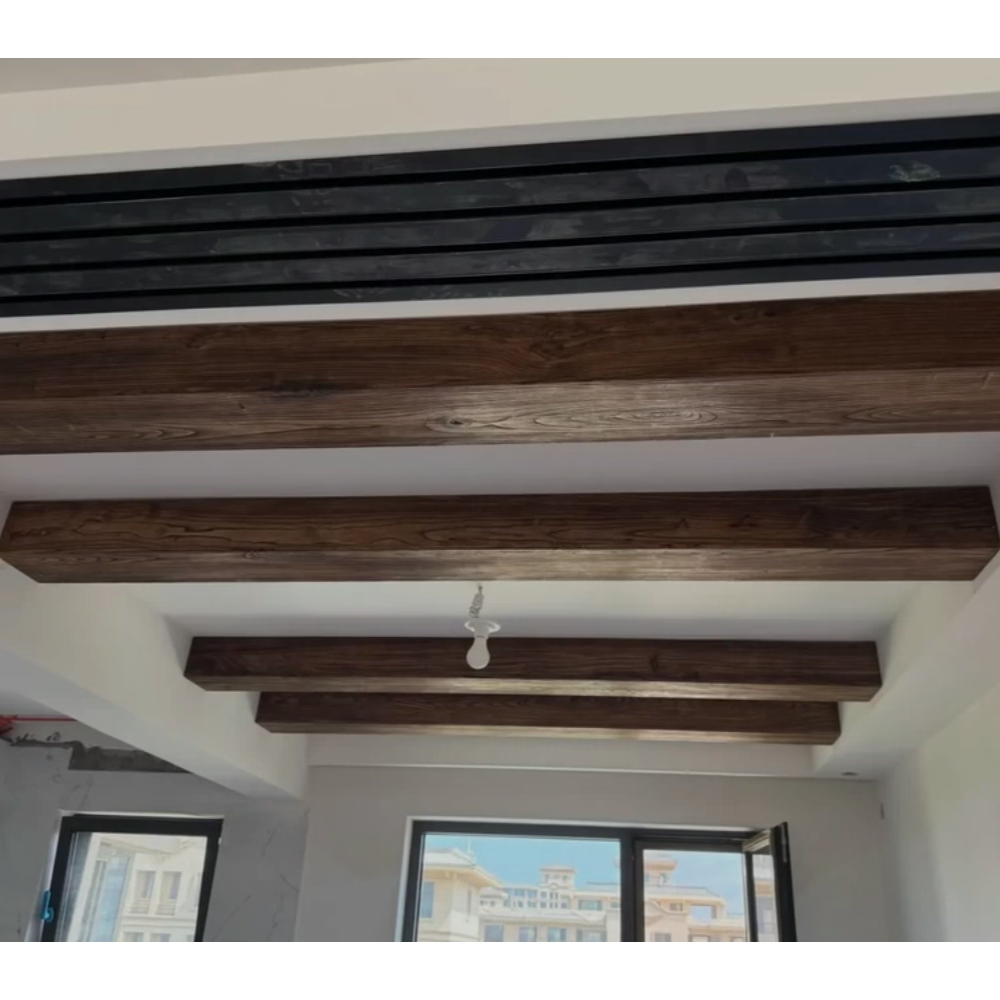
Pigments in polyurethane beams are distributed through the material rather than applied as a surface coating. This means that small scratches, nicks, and wear do not expose a contrasting substrate beneath. The color remains consistent across the entire visible surface even as the beam ages.
For rooms with significant natural light, color retention under UV exposure becomes important. Modern polyurethane formulations include UV stabilizers that dramatically slow the fading that would otherwise occur with prolonged sun exposure. A beam near a south-facing window will show far less color shift after a decade than a comparable timber beam would.
Dimensional Stability
Seasonal humidity changes cause wood to expand and contract. Over years, this movement produces visible gaps at joints, cracks along grain lines, and occasional splitting. Polyurethane is dimensionally stable across normal residential humidity ranges. It does not move with the seasons, which means joints stay tight and surfaces stay smooth without the annual inspection and adjustment that timber installations require.
In coastal homes or properties with significant air conditioning use, where indoor humidity swings can be dramatic, this stability becomes particularly valuable. The beams that looked pristine in winter still look pristine in summer.
Surface Integrity
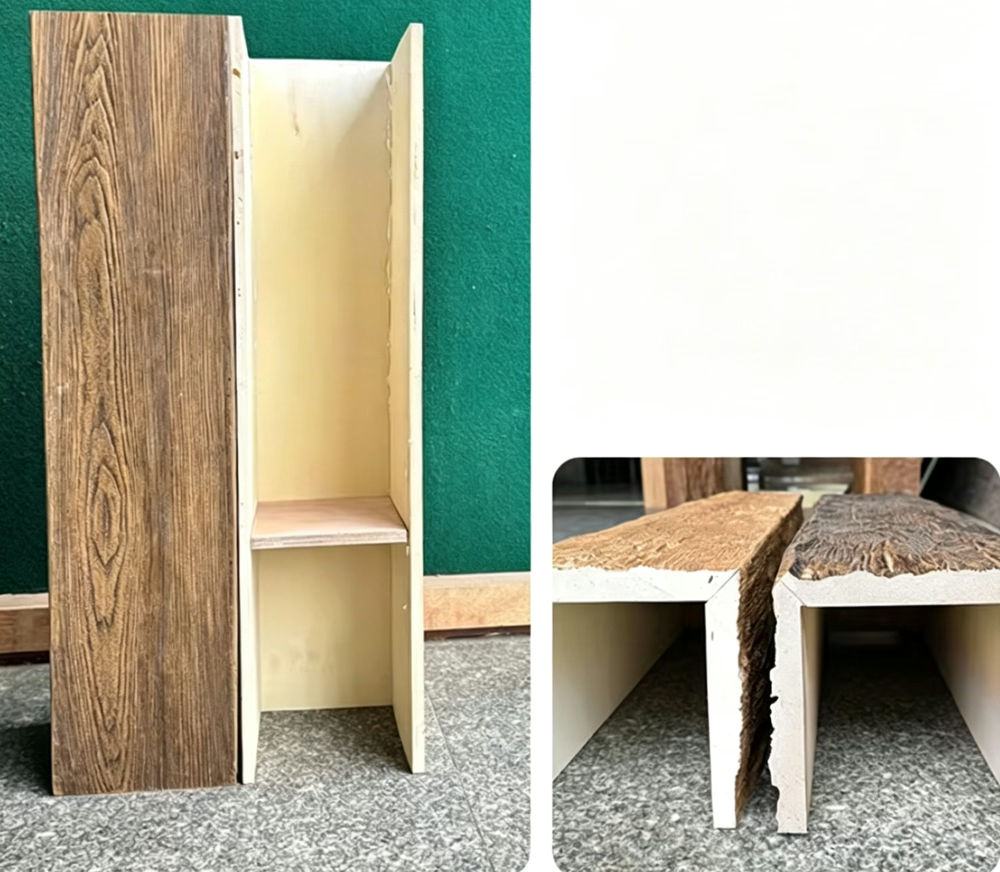
The closed-cell structure of quality polyurethane beams makes them resistant to the kinds of surface deterioration that affect other materials. They do not absorb moisture, so they do not develop the soft spots or surface swelling that plague timber in humid environments. They do not provide food for insects, so they avoid the tunneling damage that can affect wood in certain regions.
For homeowners in areas with termite pressure, polyurethane beams offer peace of mind. The same material that resists moisture also resists the insects that depend on wood fiber for nutrition. An installation that lasts decades in a humid southern climate will look the same as an installation in a dry mountain climate.

Maintenance Realities
The most honest measure of a long-term material is how much attention it demands over the years. Materials that require frequent maintenance may still be appropriate for some applications, but they are rarely the right choice for ceiling installations that are difficult to access.
Routine Care
Polyurethane beams require nothing more than occasional dusting with a soft cloth or a vacuum brush attachment. Spots can be addressed with a damp cloth and mild detergent. The surface does not require special cleaners, polishes, or protective treatments.
For households with allergies or asthma, this simple maintenance is itself a feature. There are no solvent-based products to store, no oily treatments to apply, and no wax buildup to strip away periodically. A damp cloth removes dust and allergens without introducing additional chemicals into the indoor environment.
Repair Considerations
Despite their durability, polyurethane beams can be damaged by sharp impacts or deliberate abuse. The good news is that small repairs are typically straightforward. A color-matched filler, sanded smooth and finished to match the surrounding surface, addresses most minor damage. Larger repairs can involve cutting out a damaged section and splicing in a new piece, which a competent DIYer can accomplish with basic tools.
Because polyurethane beams are produced in matched runs from a single mold, replacement pieces can usually be ordered from the original supplier years after the initial installation. The new piece will match the existing installation in profile and color, even if the original beams have aged slightly under their specific lighting conditions. A touch-up coat on the new piece brings it to full visual harmony with the older installation.
Refinishing When Desired
Some homeowners eventually tire of a beam color even when the beam itself is in excellent condition. The refinishing process for polyurethane beams is similar to painting any primed surface. Light sanding, a bonding primer, and one or two coats of the new finish are typically all that is required. The process takes a fraction of the time that refinishing timber would demand, and the result is equally durable.
Comparing Long-Term Value
When polyurethane beams are evaluated against alternatives over a realistic service life, the cost comparison shifts in interesting ways.
Against Solid Timber
Solid timber beams have a higher initial cost and a higher maintenance cost. They require periodic inspection for movement, occasional joint repair, and refinishing every several years to maintain their appearance. Over thirty years, the cumulative cost of these activities typically exceeds the initial savings of choosing polyurethane.
Timber also carries risk. A beam that arrives with hidden defects may develop problems within the first decade. A beam installed in an environment that turns out to be more humid than expected may cup or twist. Polyurethane beams eliminate these risks through predictable material behavior.
Against Other Faux Products
Not all faux beams are created equal. Polyurethane beams generally outperform products made from MDF, vinyl, or polystyrene in long-term applications. MDF is vulnerable to moisture. Vinyl can fade and crack under UV exposure. Polystyrene lacks the surface detail and rigidity that premium applications require.
Polyurethane strikes a balance between these options. It has the surface quality of more rigid materials and the moisture resistance of vinyl, without the weaknesses of either. For long-term decor specifically, this combination is hard to beat.
Practical Guidance for Long-Term Owners
A few practices help ensure that polyurethane beams deliver on their long-term potential.
Document the Installation
Keep a record of the beam supplier, the specific product code, the color formulation, and the installation date. This information is invaluable when ordering replacement pieces or matching a new addition to an existing installation. Most suppliers retain product specifications for many years and can reference past orders if given the original details.
Inspect Annually
A brief annual inspection catches small issues before they become larger problems. Look for signs of movement at joints, surface damage from impact, or any change in the surrounding structure that might affect the beam. The inspection takes minutes and prevents surprises.
Refresh Finishes Strategically
When the rest of the room is being repainted, consider refreshing the beam finish at the same time. The cost is small relative to the overall project, and the result keeps the ceiling looking intentional. Waiting until the beam finish visibly deteriorates creates a mismatch that is harder to address than periodic maintenance.
Plan for the Future
If there is any chance the beam installation will need to be modified to accommodate future renovations, design the original installation with that flexibility in mind. Removable mounting methods, clearly documented blocking locations, and spare pieces of the original material all make future changes easier.
A polyurethane beam installation is not a one-time decision. It is the beginning of a long relationship between the homeowner and the room. With reasonable care, that relationship can last as long as the building itself.
Technical References
ASTM standards cited in every specification
Test Data
Lab results from internal testing program
Updated 2026
Reviewed against current product specs


